
Americans spent a record $79 billion on their yards and gardens in 2025.
A big chunk went to replacing things that died because somebody forgot to water them. I have been that somebody more times than my wife Linda lets me admit.
After 30 years and 3 houses, these eighteen plants are the ones that survived me. Not one needs me to show up. The first one cost about ten dollars.
$10 Succulent That Waters Itself
Would you like to save this?
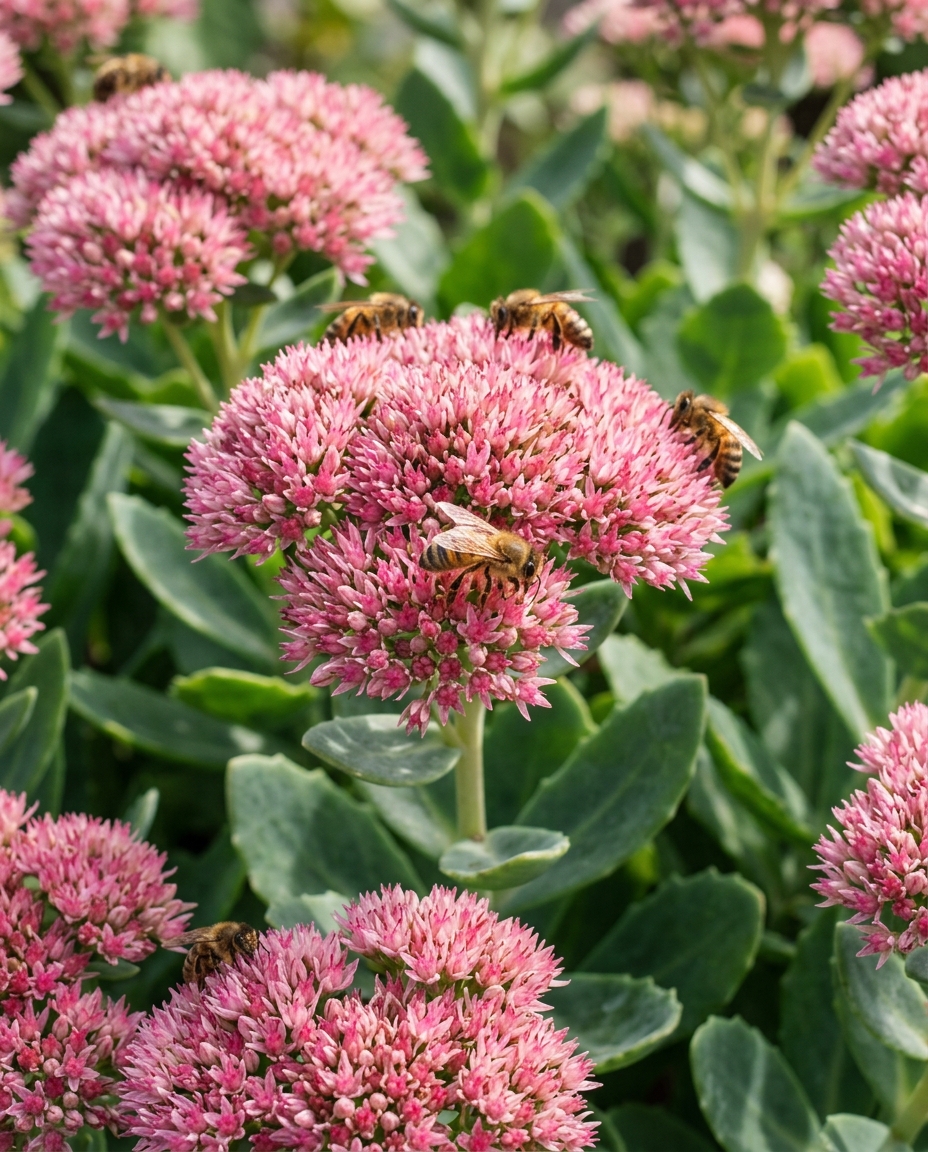
Sedum belongs to a genus of over 500 species. Old timers like me still call it stonecrop. Those thick, fleshy leaves are built-in water tanks. A week without rain does nothing to it.
My Autumn Joy clump stays green all summer, then turns rosy pink in late August when half the bed is fading. Deer and rabbits leave it alone. It handles zones 3 through 11, which covers most of America.
A one-gallon pot runs about $10 at Lowe’s, less than a large pizza.
That covers a square foot of bed that never needs watering again.
The next plant was bred for people exactly like me, the ones who forget.
Daylilies, the Perennial That Earned Its Nickname
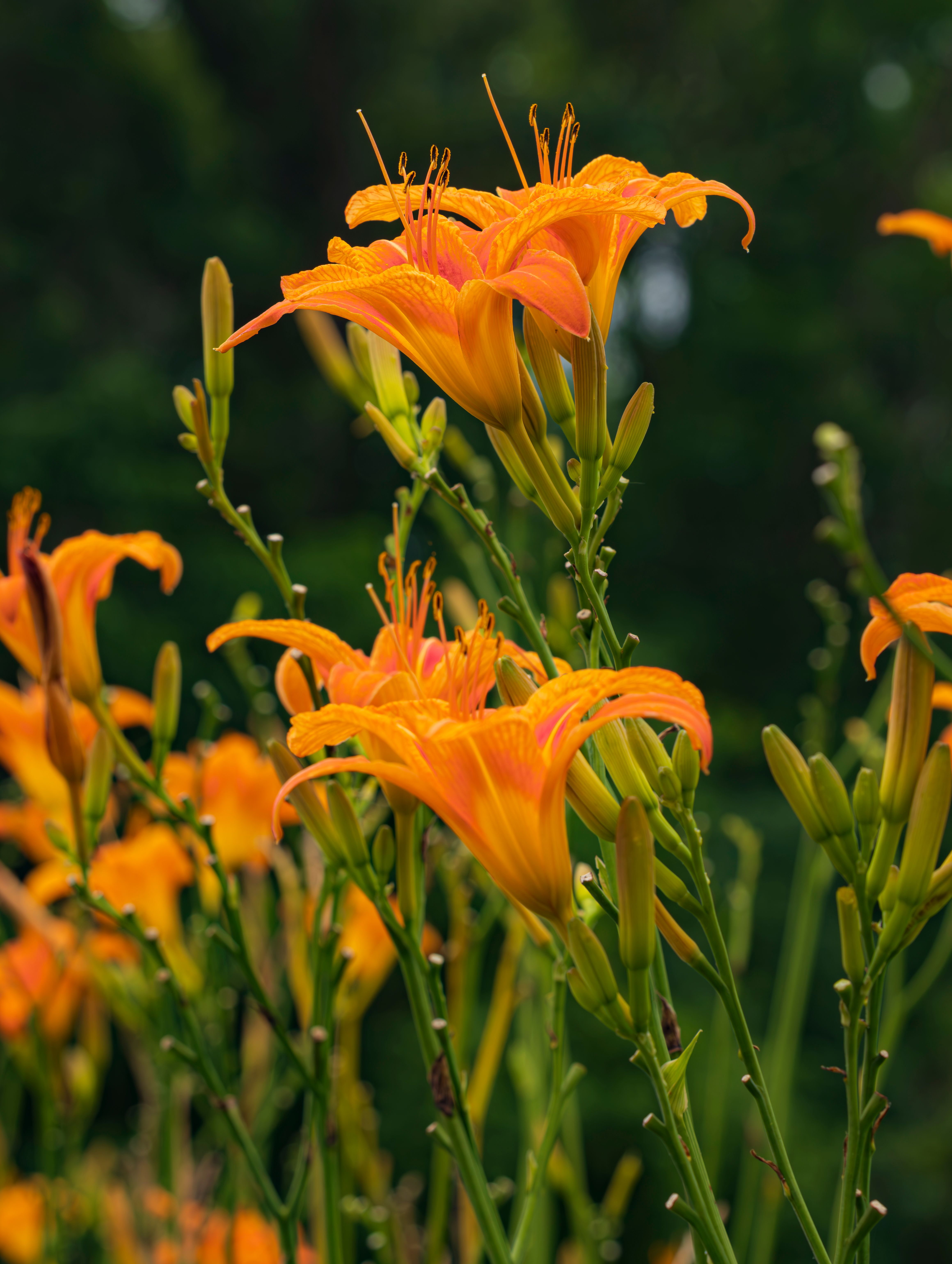
You have seen these blooming wild in the ditch beside a country road, going strong in the worst dirt on earth. Gardeners nicknamed the daylily the perfect perennial. That tough orange variety earned every letter. The Happy Returns variety reblooms all season without a break.
YOU’LL ALSO LOVE25 Things About Your Home That Visitors Notice in the First 10 Seconds (But Never Tell You)
One mature clump carries 4 to 6 stalks, each holding 12 to 15 buds.
In her yard alone, my neighbor Carol counted close to 400 blooms on a single plant last July. “I stopped at three seventy,” she said. “Then I went inside and sat down.”
They handle drought, frost, damp corners, and bone-dry clay alike. You divide them every few years only if you feel like it. I usually do not.
Turns out the coneflower taught me something I had been doing wrong for 20 years.
Purple Coneflower and the Lazy Gardener’s Bird Feeder
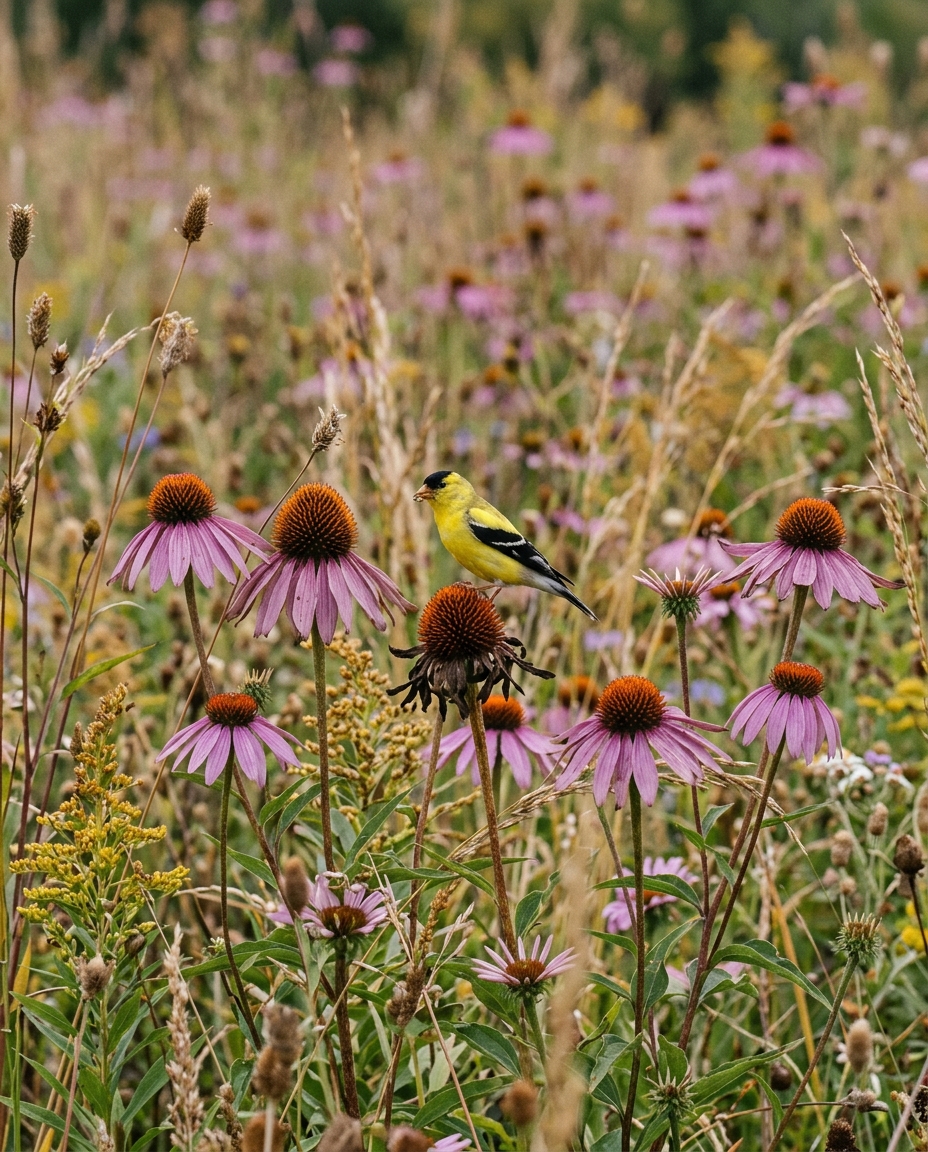
The coneflower does better when I leave it alone. Hardy from zone 3 through 9, it shrugs off drought once the roots take hold. Those stiff purple petals and raised orange cones hold up through heat that flattens everything else.
I used to cut all the spent flowers down every October. The first autumn I got lazy, those dried seed heads turned into a goldfinch feeding station all winter long.
In July the warm, dry smell of the bed carries across the yard, like cut hay mixed with something green.
Doing less gave me more. And this might be the whole point of the list.
Black Eyed Susans That Plant Themselves
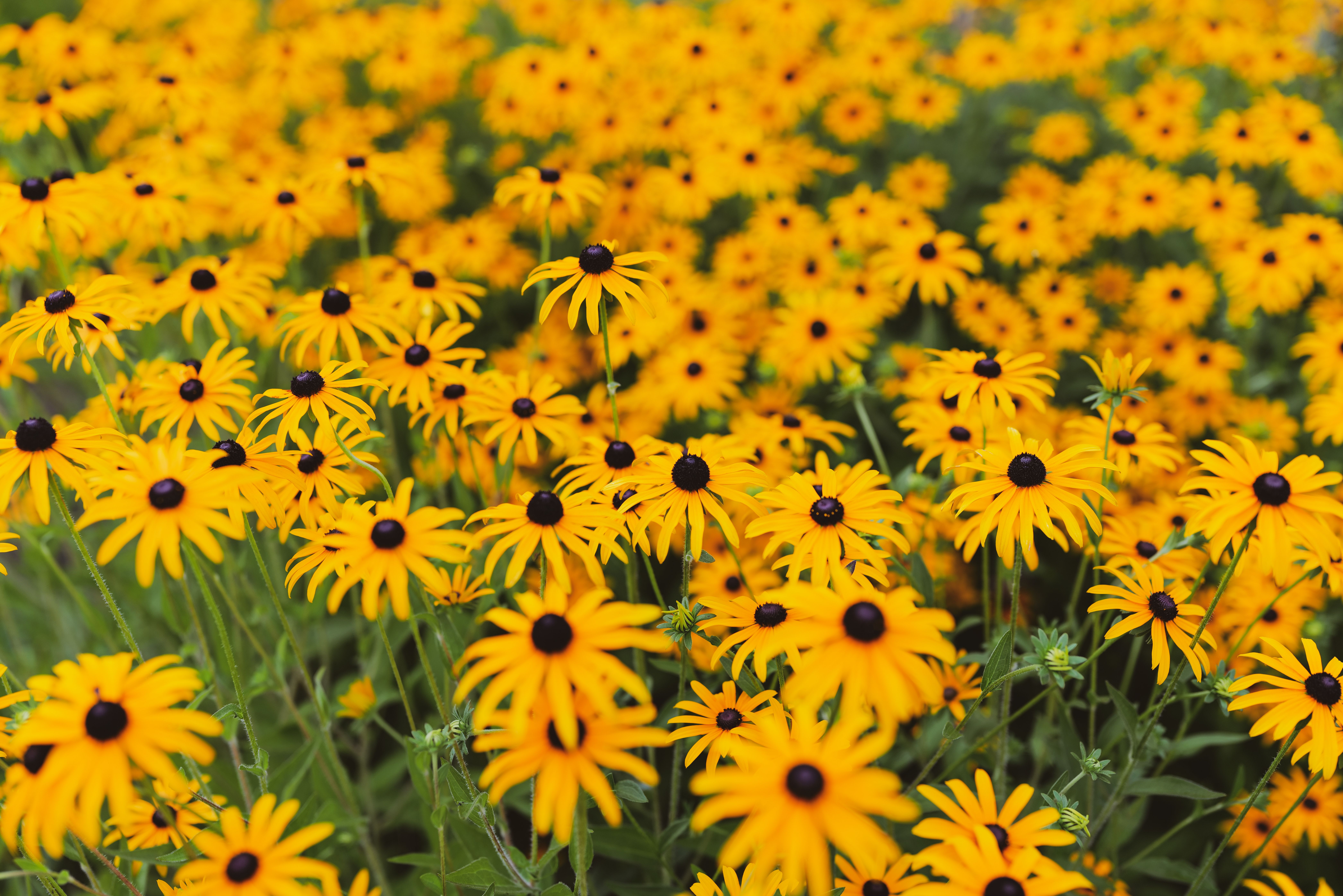
I planted a handful one spring and had twice as many by fall, because Black Eyed Susans freely sow their own seed. They naturalize across zones 3 through 9 and bloom from June into September with gold petals and dark chocolate centers.
Deadhead for more flowers or skip it for a wider patch at no cost. Either way wins.
Wait until you see what 10 years of neglect looks like.
Coreopsis Survived Ten Years of Nothing
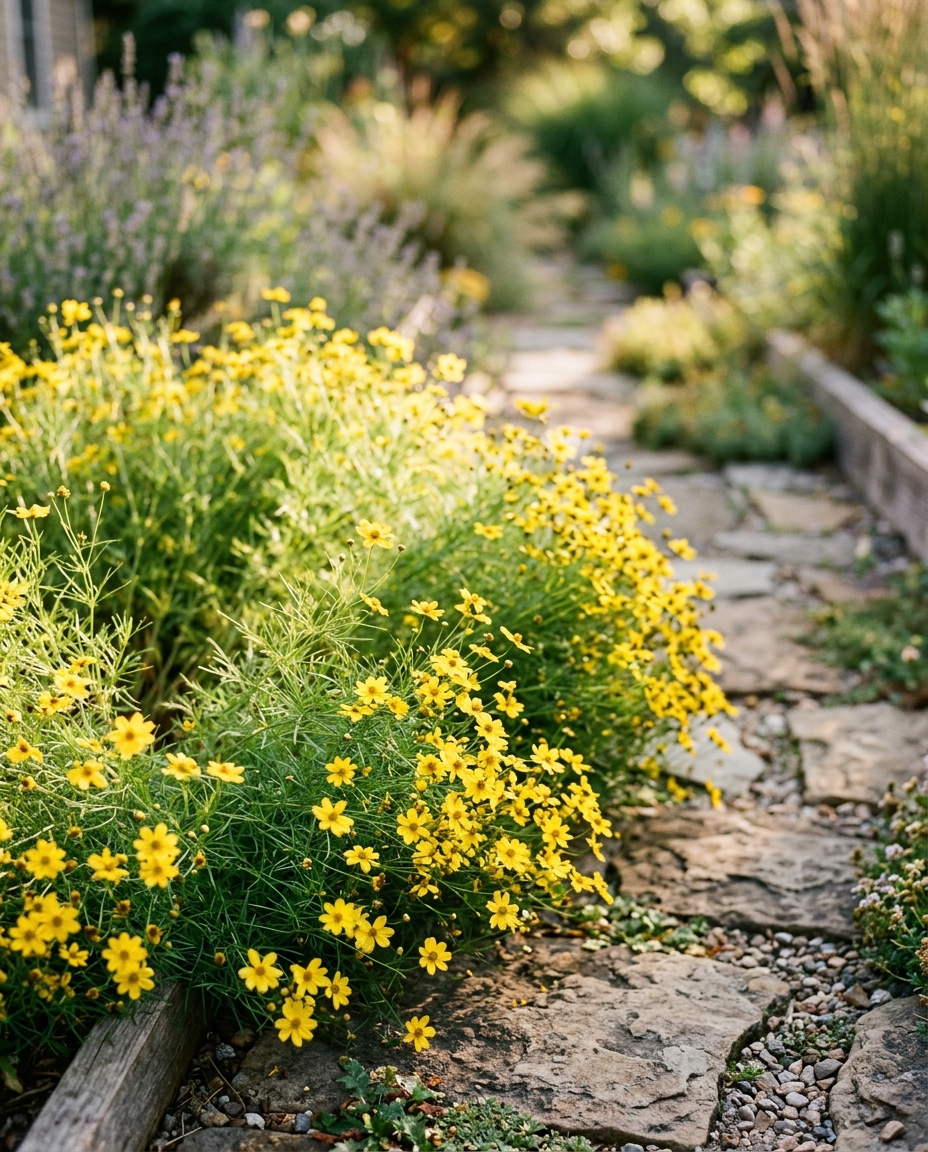
Coreopsis, sometimes sold as tickseed, is the kind of plant you find in an old garden still blooming a decade after someone planted it.
Down the street, my friend Marlene has had the Zagreb variety for over 10 years in the same bed. She swears she has never once fussed over it.
Zagreb is hardy from zone 3 through 9 and throws out golden daisies from May into early fall. The only real maintenance is an optional shearing. Marlene skips it every year.
Now the list climbs from a low golden mound to something tall, silvery, and worth smelling.
Russian Sage and Rutgers University’s Highest Rating
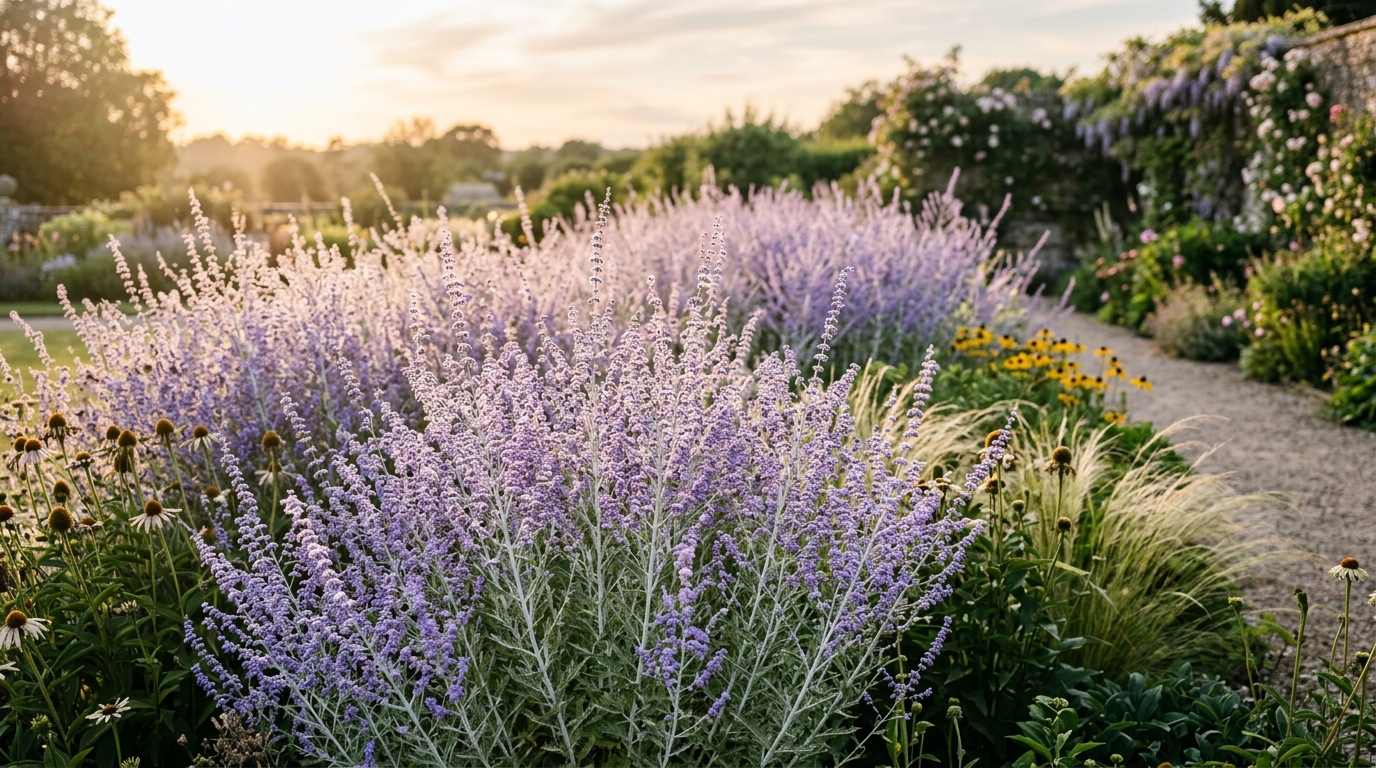
Russian sage looks delicate. Silver stems and a violet blue haze of tiny flowers. But it is one of the toughest things I have ever planted.
YOU’LL ALSO LOVE30 Things in the 1970s Living Room That Would Confuse Anyone Under 30
Hardy from zone 4 through 9, it wants almost no water once established. It blooms from midsummer to the first hard frost.
Rutgers University keeps a famous deer damage rating scale. Russian sage earns their top mark, “rarely damaged.” The aromatic oils in the foliage do the work.
But here is where the smell turns into three jobs at once.
Catmint Does Three Jobs and Complains About None
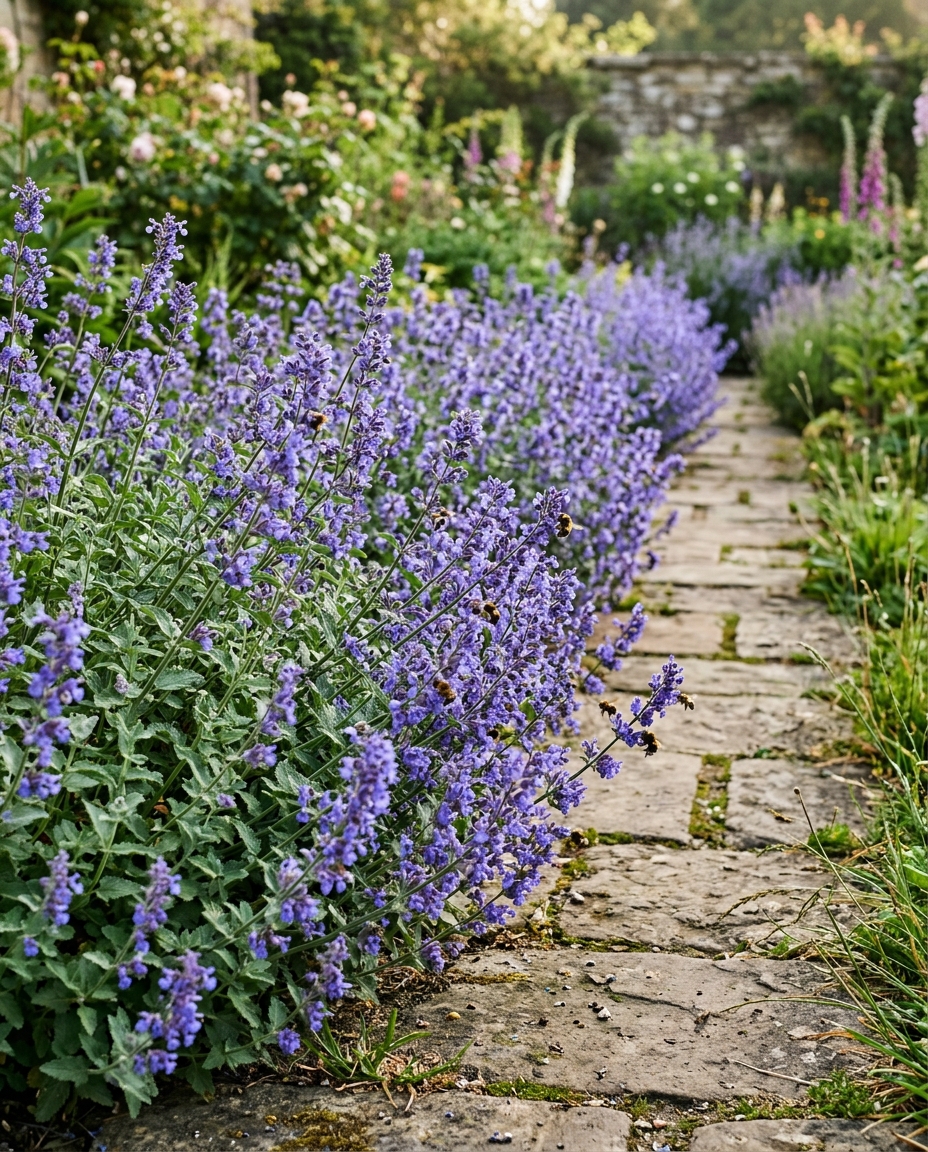
Catmint stays 1 to 2 feet tall, blooms for months, and deer leave it alone. Rutgers rates it in that same top “rarely damaged” category. Drought tolerant. One shearing in July brings fresh flowers. Skip the shearing and it keeps going anyway.
Every bed filled with plants like this is a bed you stop throwing money at.
The 2025 National Gardening Survey found the average American household spent $740 on their yard last year, with the biggest chunk replacing things that died.
Ask homeowners what they would change and the same seven regrets come up every time, and number one is not the mortgage.
The next one prefers the worst corner you have.
The Flower That Loves Your Worst Soil
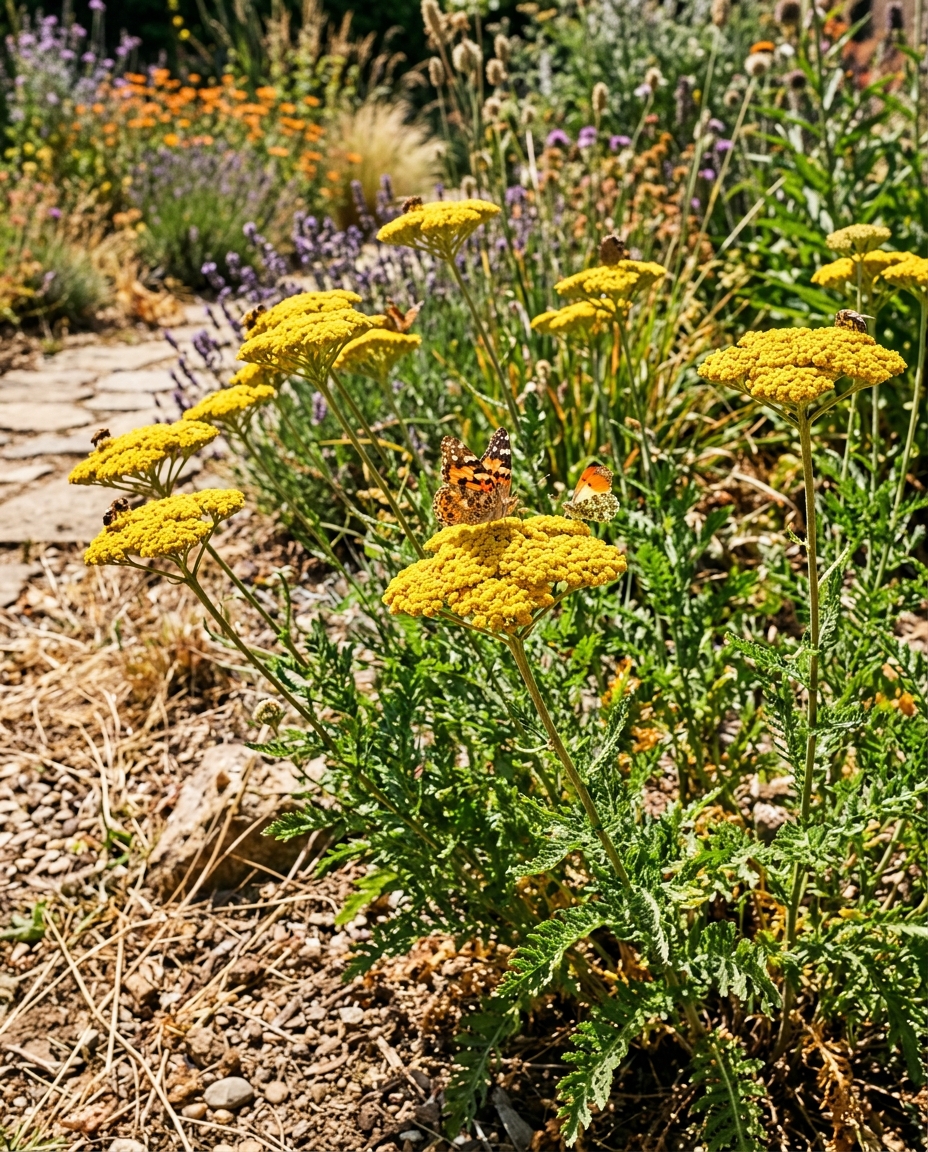
Yarrow is my answer for the baked, forgotten corner by the mailbox. Its feathery foliage and flat flower clusters look soft. Underneath, it is genuinely tough.
Drought tolerant. Deer proof. A magnet for butterflies and the beneficial insects that keep the rest of my garden healthy.
I have a patch in the driest, most compacted clay I own. 4 years now, and it looks better than the day I planted it.
The poorer the soil, the happier yarrow gets.
Here’s where this list breaks one rule, and you deserve to hear it straight.
Hostas for Deep Shade, With One Honest Catch
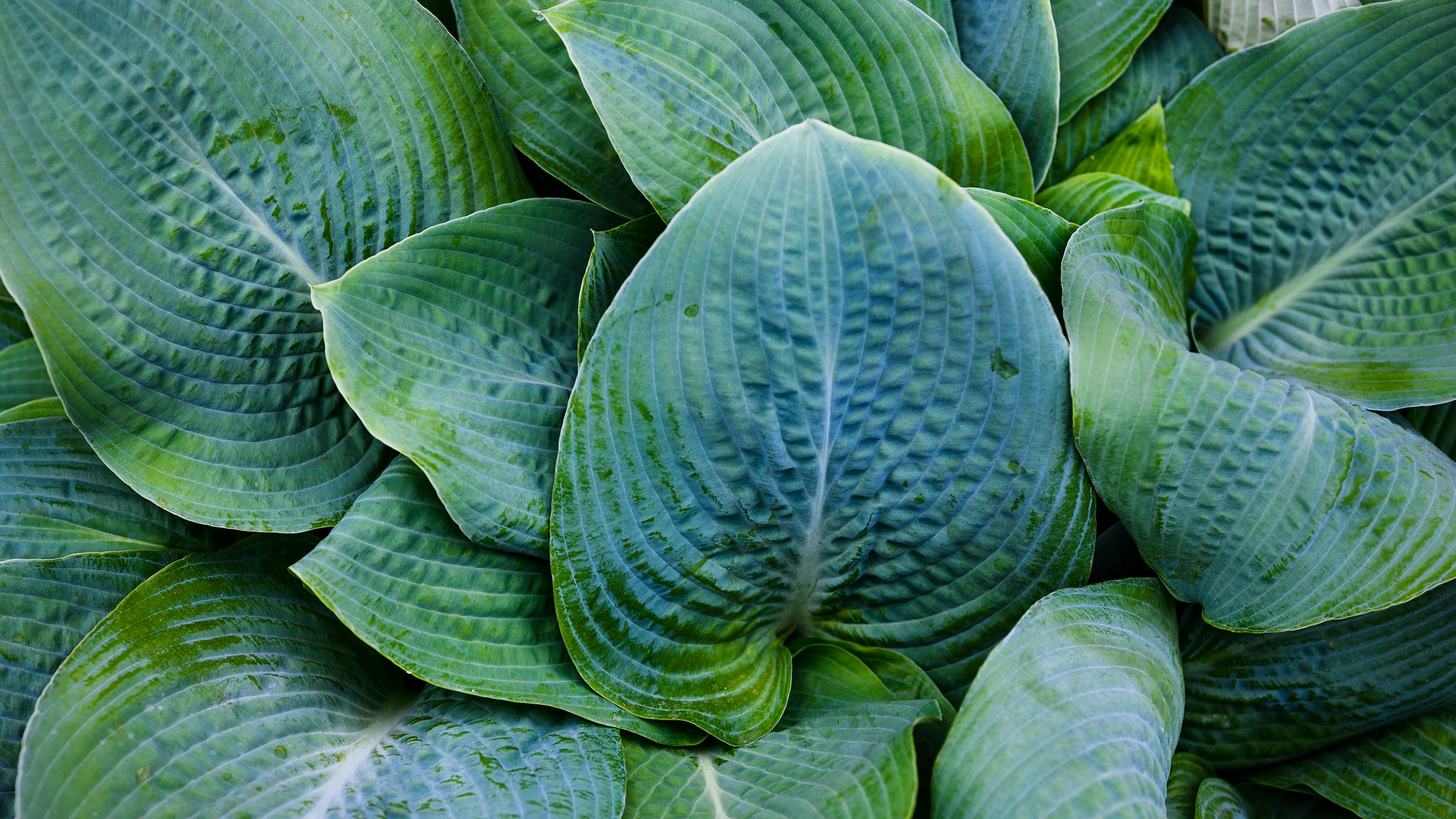
Hostas solve the hardest spot in my yard. That deep shade under the big maple where grass refuses to grow and most flowers sulk. They come back bigger every year, spreading into a generous mound of broad blue green leaves.
Now the honest part. Deer love hostas. Every variety is fair game. The plain green, sweet smelling types get hit first. I lost a whole row my first year.
YOU’LL ALSO LOVE11 Neighborhood Rules Every Kid Knew in the ’80s That No Parent Would Allow Today
If your yard has deer, plant hostas close to the house or skip them. If it does not, they are as easy as anything here.
And ease matters more than most people think. The 2025 Redfin curb appeal study found that homes with well-tended landscaping sold for 7% more than similar houses nearby.
A few plants in the right spots can be worth thousands at closing.
This next shade plant carries no such catch.
Hellebore, the Shade Plant With No Asterisk
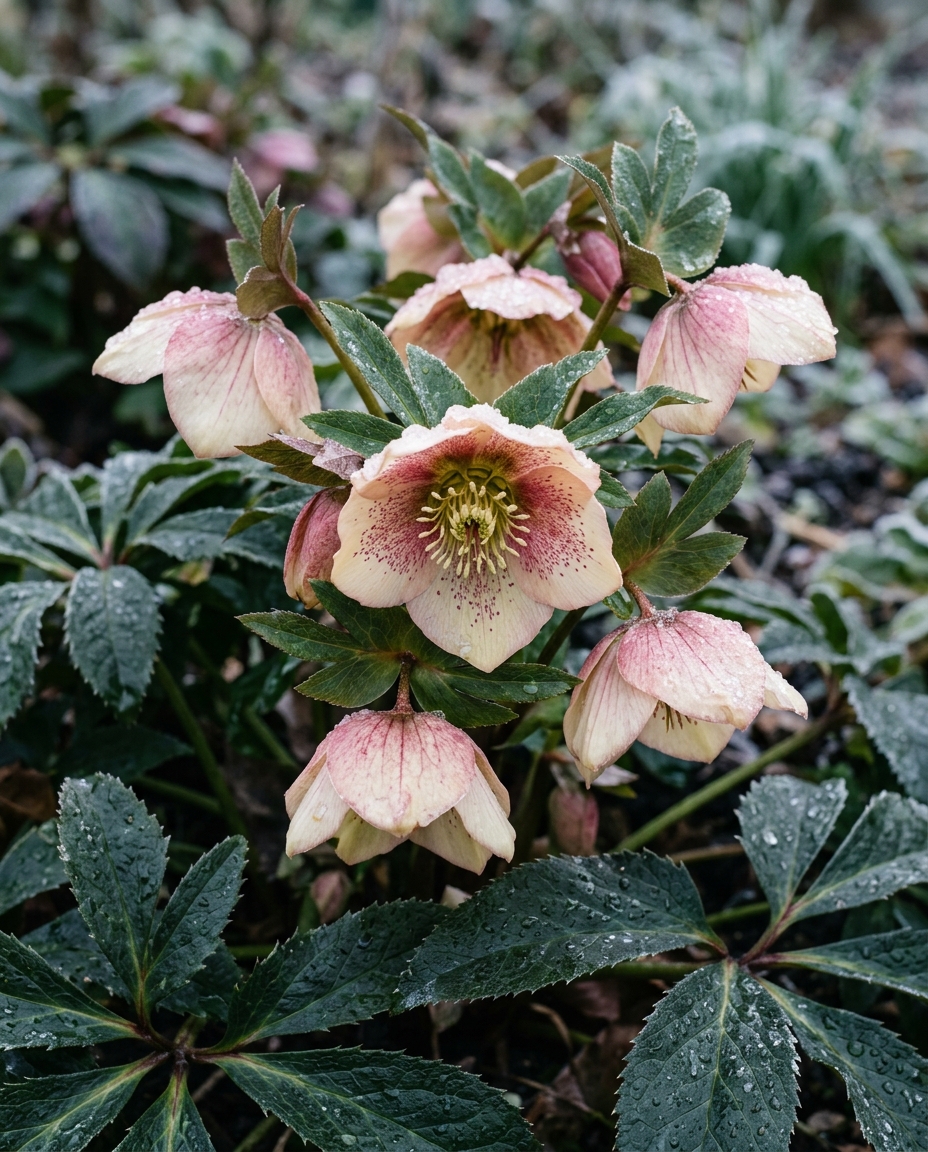
If the hosta comes with a catch, the hellebore has none. Often sold as the Lenten Rose, it stays evergreen year round. Deer pass it by. Once settled, it handles dry shade, the hardest condition in my yard.
It gives you decades of blooms from one planting. Cupped flowers in cream, rose, and plum at the exact moment in late winter when I have nothing else to look at through the window.
One afternoon of effort. Decades of payback. The payoff coming after this one makes decades sound small.
A Plant That Can Outlive Your Grandchildren
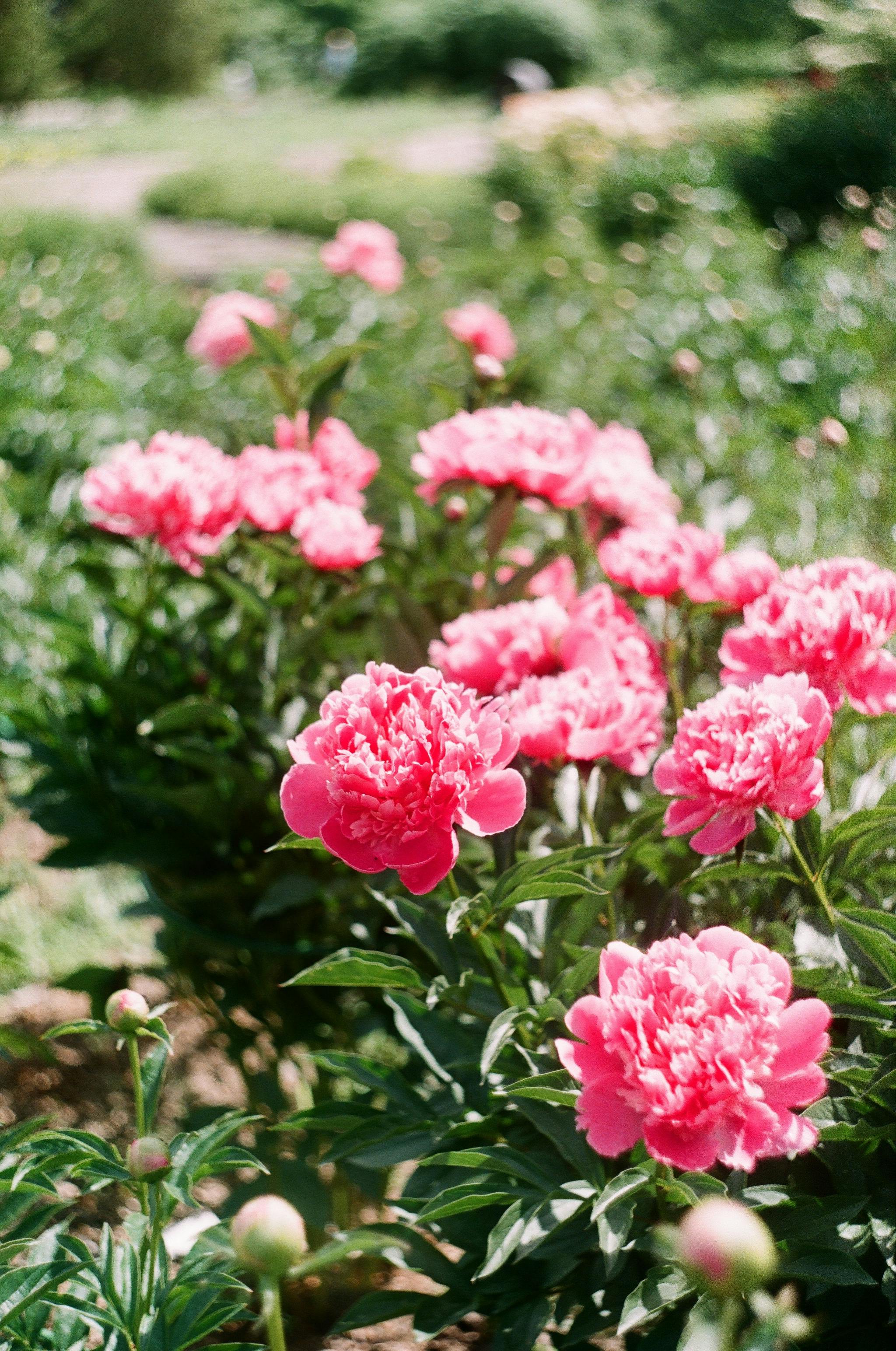
A peony can live more than 100 years.
The University of Missouri Extension has documented plantings still blooming past the century mark on properties where the original gardener is 3 generations gone.
The peony I put in this spring cost $22 at the nursery, less than one month of the lawn service I finally hired at 62.
This plant will outlast the house.
Dave, Linda’s brother, inspected a property last fall with peonies older than the roof, the furnace, and the driveway combined. “The peony was the only thing on that lot that didn’t need replacing,” he said.
And that is not just true of plants. There are twenty-five things sitting in your house right now that your kids have no idea are worth real money. A hundred-year peony might be the most surprising one.
Good peonies want full sun, decent drainage, and then to be left completely alone.
One Haircut a Year and Nothing Else
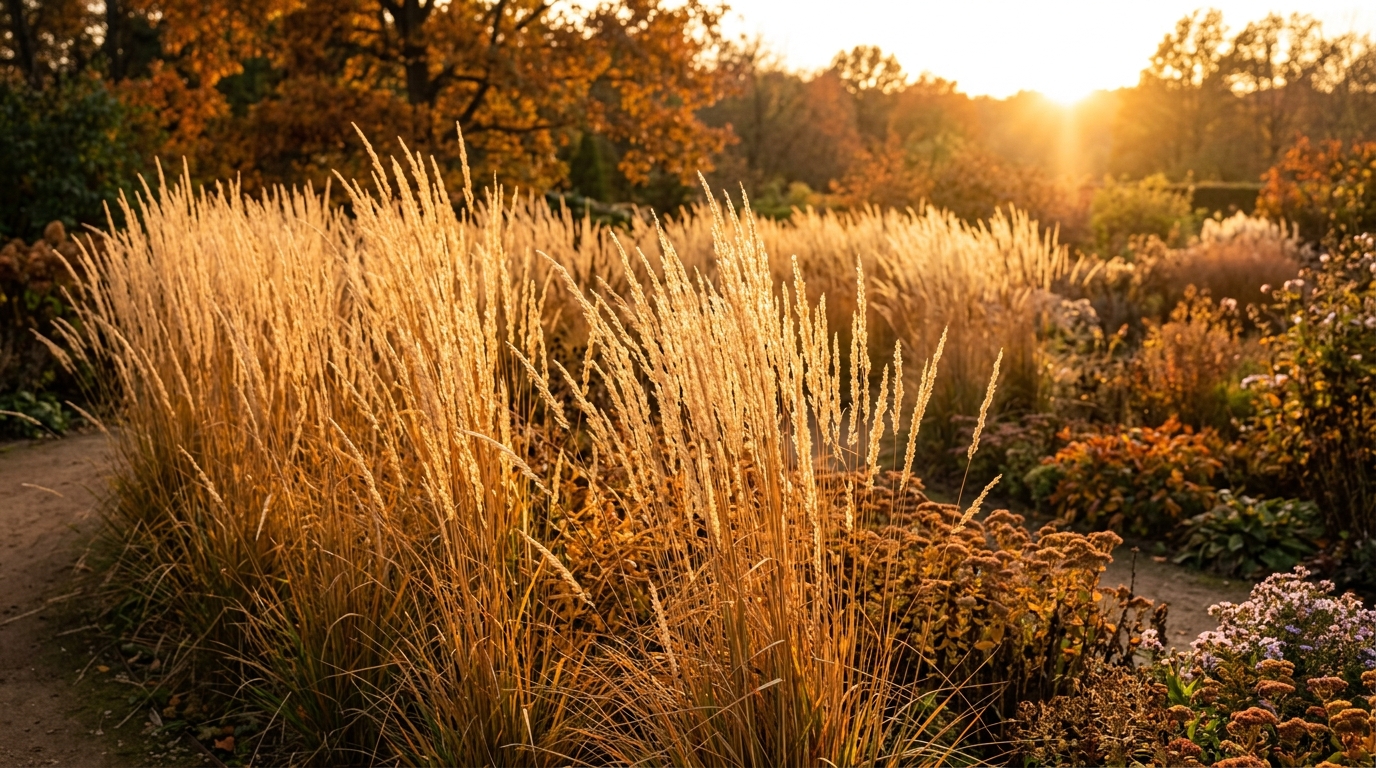
If your idea of a perfect plant is one you tend exactly once a year, ornamental grasses are it. Karl Foerster feather reed grass gets recommended first for good reason.
YOU’LL ALSO LOVE25 ‘Common Sense’ Home Rules Everyone Followed in the 80s That Would Get You Laughed At Today
I cut it back one time in late winter. That is the entire job for 12 months. Drought tolerant, well behaved, hardy across zones 4 through 9.
Switchgrass is another tough native, rising 3 to 7 feet. The plumes catch light and sway all winter. Speaking of decades, one plant here runs on nothing but.
Junipers That Run on Decades of Neglect
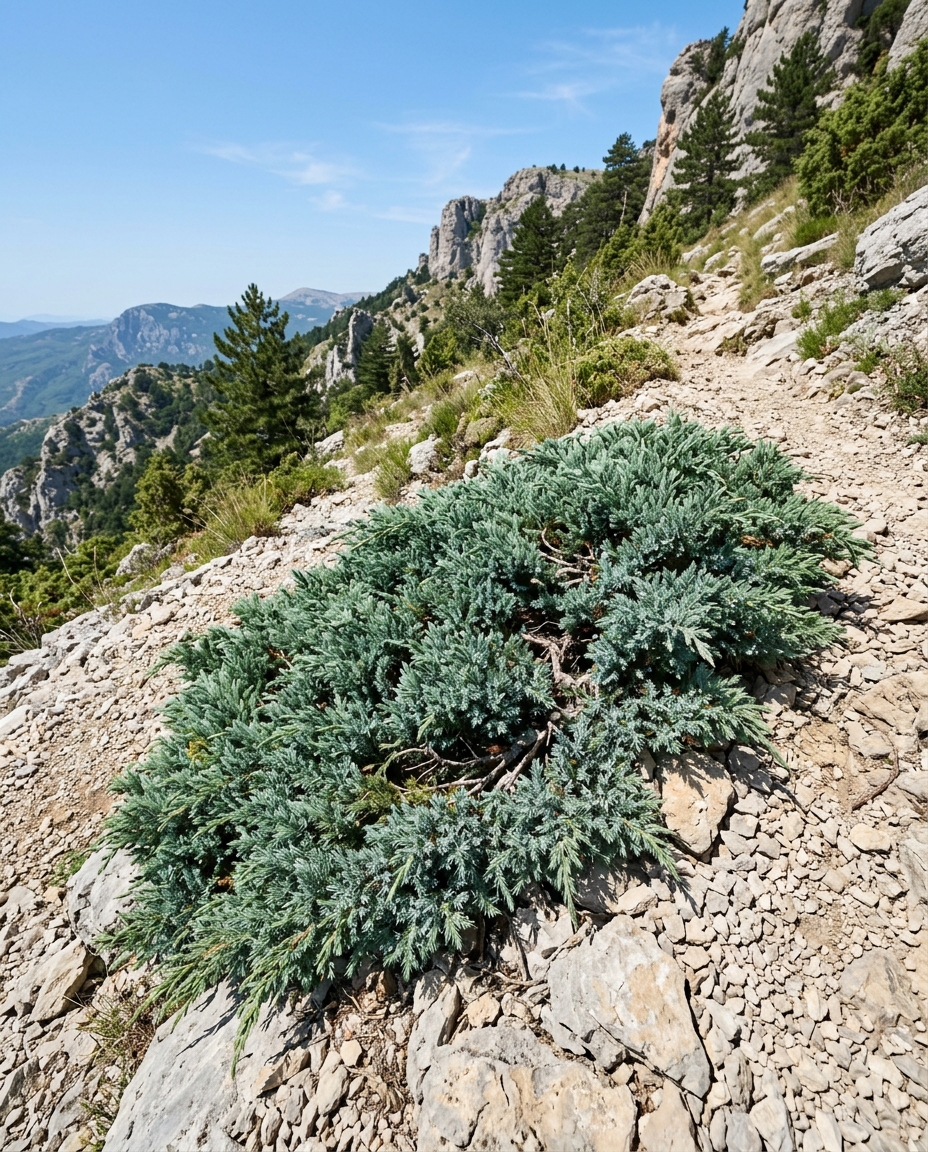
Juniper does not need pruning. Rarely needs water once established. The aromatic oils in the needles send deer looking elsewhere.
Common landscape junipers live 30 to 70 years.
They run from six-inch ground huggers that carpet a slope all the way up to towering forms, with something hardy for nearly every zone. Plant one and that decision is made for decades. It is the closest thing I grow to a plant that does not need me at all.
The Rosette That Survives Forty Below Zero
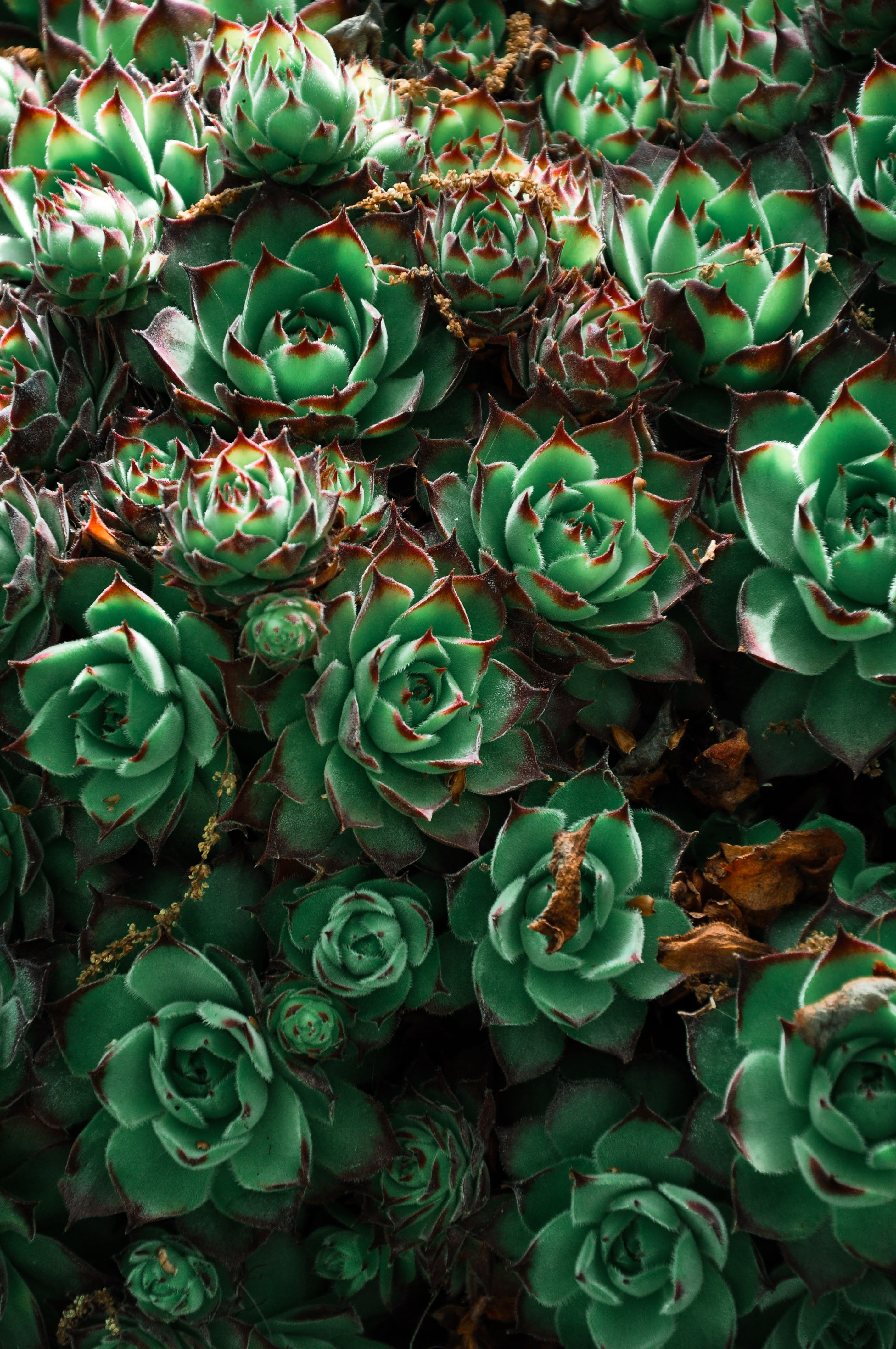
Old timers called them houseleeks and grew them right on the roof, because they survive where nothing else will. These succulent rosettes are hardy down to zone 3.
Would you like to save this?
That means 40 below zero.
The mother rosette, the hen, throws off baby rosettes all around her. One plant quietly carpeted 3 feet of my gravel border. I do not divide it. I do not feed it. It has never needed a drop of water from me.
Sun and good drainage. That is the entire ask.
The Bulb That Comes With Built-In Armor
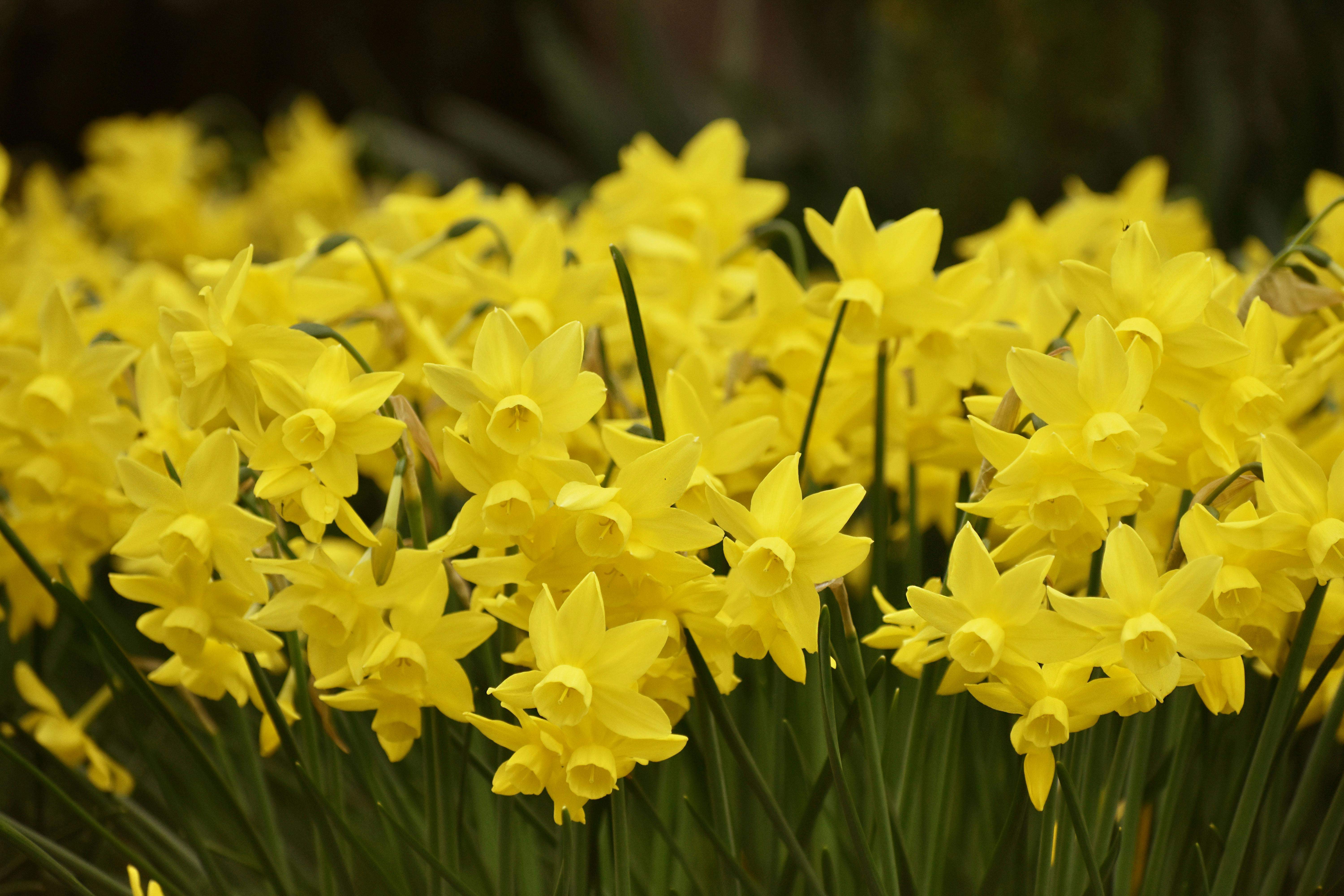
Every part of a daffodil bulb carries a compound called lycorine. It is mildly toxic. Deer, squirrels, voles, and rabbits leave it completely alone.
That defense never weakens. A 50-year-old patch is as pest proof as a bulb planted yesterday.
I still see daffodils blooming around old foundations near here where the house itself is long gone. The bulbs outlasted the beams, the furnace, and twenty-seven other things that quietly disappeared from every American home since.
Plant the bulbs once in fall, 4 to 6 inches apart. They naturalize, meaning the clumps grow wider every spring. Which brings us to the one plant on this list with an actual trophy.
Perennial Salvia, Officially Crowned Foolproof
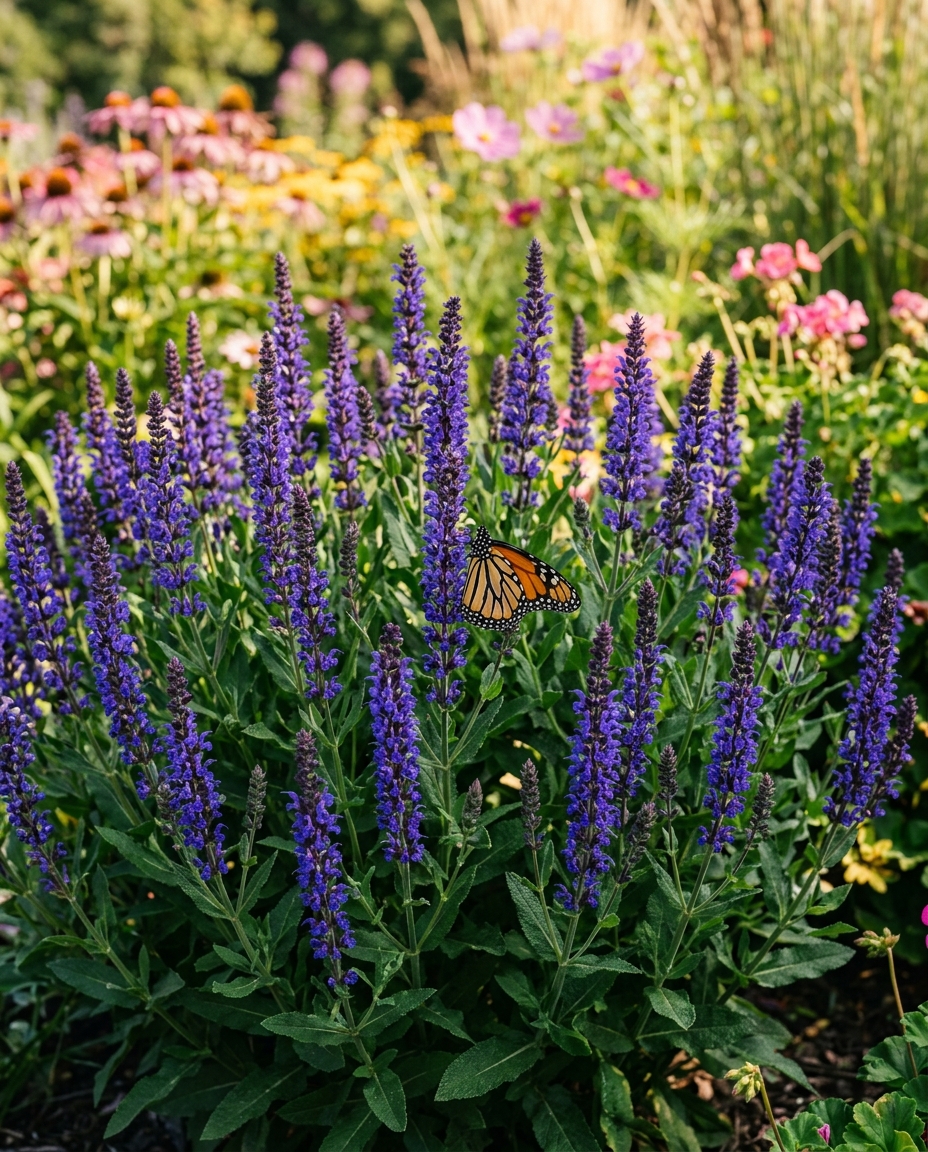
The May Night variety was named Perennial Plant of the Year in 1997 by the Perennial Plant Association. It forms a neat mound and sends up deep violet spikes, standing about 2 feet tall.
It does not want fertilizer. It actually prefers dry to average soil, so the less I fuss the better it does. Deer and rabbits skip the aromatic leaves, but butterflies and hummingbirds cannot stay away.
A gallon pot runs about $12, which covers a pollinator station from May to August that never asks to be refilled.
So what happens when a plant takes that same deal even further?
Monkey Grass Does the Edging So You Don’t
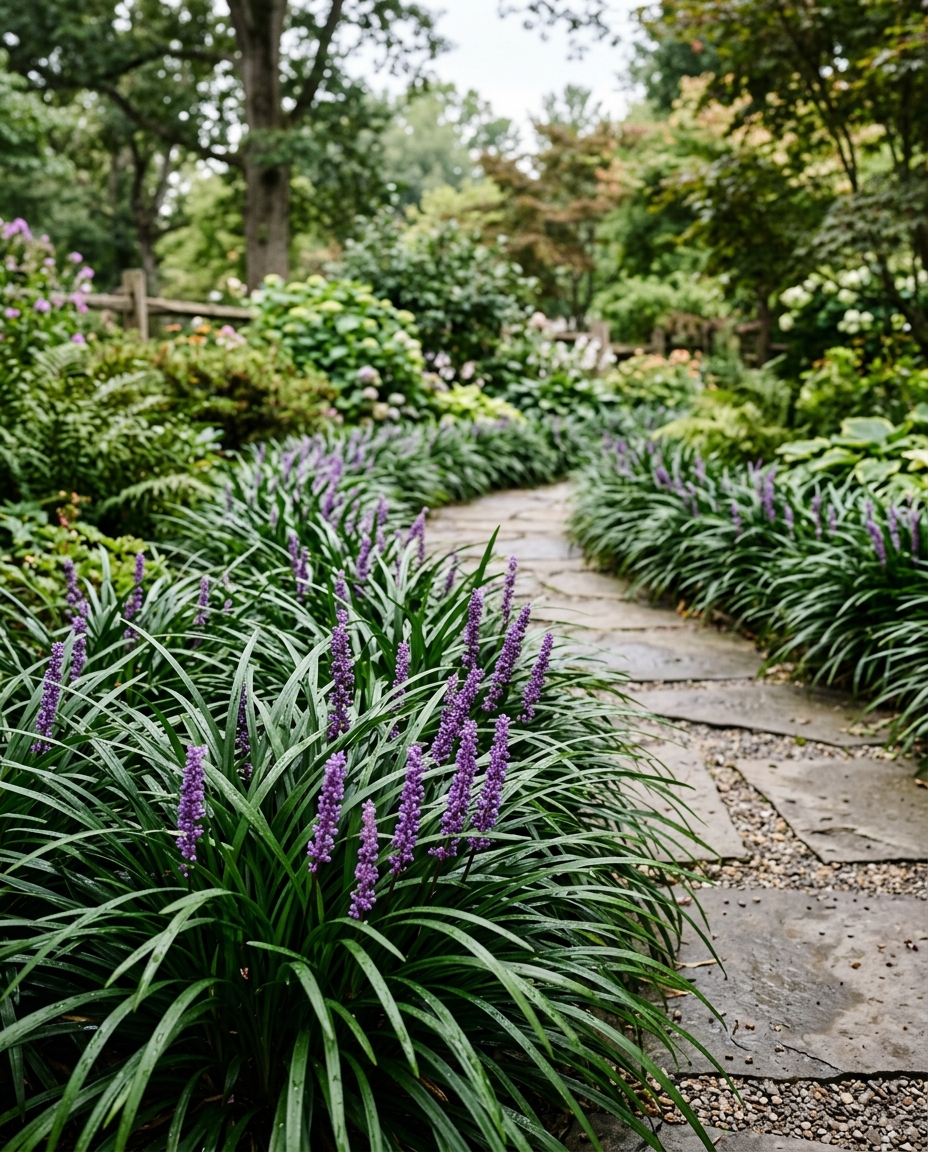
Monkey grass, properly called liriope, forms tidy clumps of dark green blades that stay evergreen through winter. My border never looks bare, even in January.
One shearing in late winter. That is the whole job for the year. It handles full sun, deep shade, heat, humidity, and drought, across zones 4 through 10.
In late summer it sends up purple flower spikes followed by shiny black berries that hang on through the cold.
Linda calls it the plant she forgets she owns. “I now get my grandparents,” she said one afternoon, standing in the yard doing absolutely nothing. “They just had the right plants.”
And this is why the last one on the list surprised me most.
The Rose That Proved Every Fussy Rule Wrong
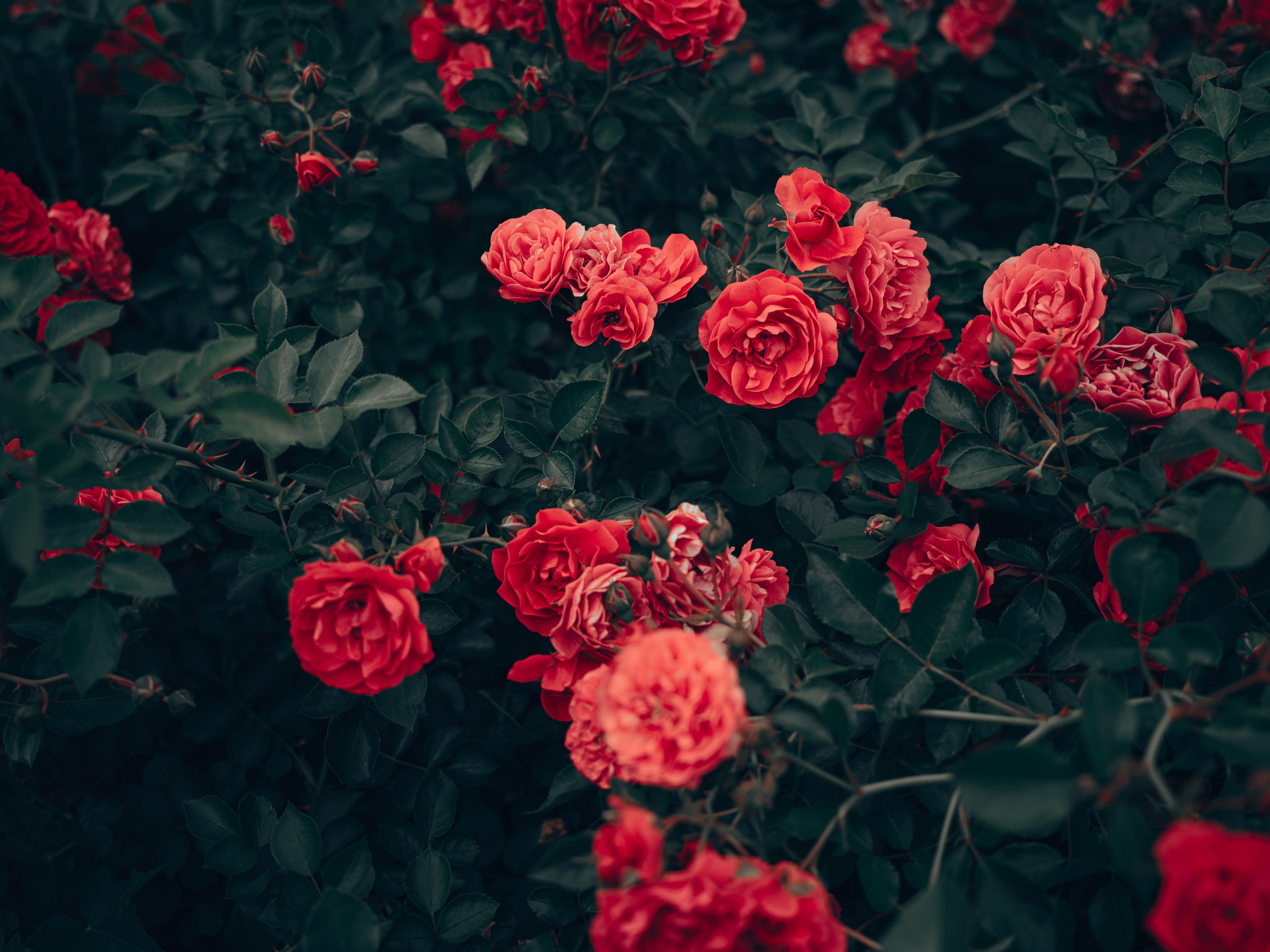
Everyone knows roses are fussy. The Knock Out family quietly proved the whole rule wrong. Bred to resist black spot and mildew, these shrub roses changed what a rose can be.
They are self cleaning. Spent flowers drop on their own. Fresh buds form without anyone lifting a finger. They repeat bloom from spring to frost.
That is more than 6 months of color.
Dave walked past my row of them last October and stopped. “That is still going?” he said. It was. November in Ohio. Still red.
A two-gallon Knock Out at Lowe’s runs about $28, which covers six months of nonstop color for less than two tanks of gas.
That color matters more than you think. Whatever your yard looks like from the street, visitors have already decided in the first ten seconds. More on that when you pick your first one this weekend.
If You Only Plant One This Weekend
Picking eighteen is fine if you are ready to redo a whole bed. But if you want one safe first step, my answer is the daylily.
Zero asterisks. Drought, frost, terrible soil, total neglect. It blooms for weeks, and I have never killed one.
A good clump runs about $15 at any garden center, less than a single $40 visit from a lawn crew.
Fifteen dollars.
Meanwhile, the average lawn service runs $200 a month in 2026.
Gardening services inflated over 50% since 2019, according to the 2026 National Gardening Survey.
My neighbor Jean, three doors down, hired a crew last spring and told me she is done with the yard entirely. “I’m done with it,” she said. She is 67 and she means it.
But she kept her daylilies. Everybody keeps the daylilies.
If your house has been wearing you out lately, it might not be the mattress. There are twenty-five signs the house itself is the problem, and most people blame everything else first.
Start with one plant. Let Saturday mornings go from a chore to a chair on the porch.
So what is already quietly thriving in your yard?