
There is a quiet joy in walking out one spring morning and finding flowers you never planted.
I have lived with that little miracle for years now. The easiest border I ever made turned out to be the one I finally stopped fussing over, the strip along my back fence that I quit digging and quit deadheading and just let do its thing. The secret is self-seeding flowers, the ones that drop their own seed in fall and come up on their own the next year with no work from me.
I plant them once. I leave the spent blooms alone. The garden quietly starts replanting itself.
These are the fifteen that have earned a permanent spot in my beds, in roughly the order they won me over, along with the one trick each one taught me.
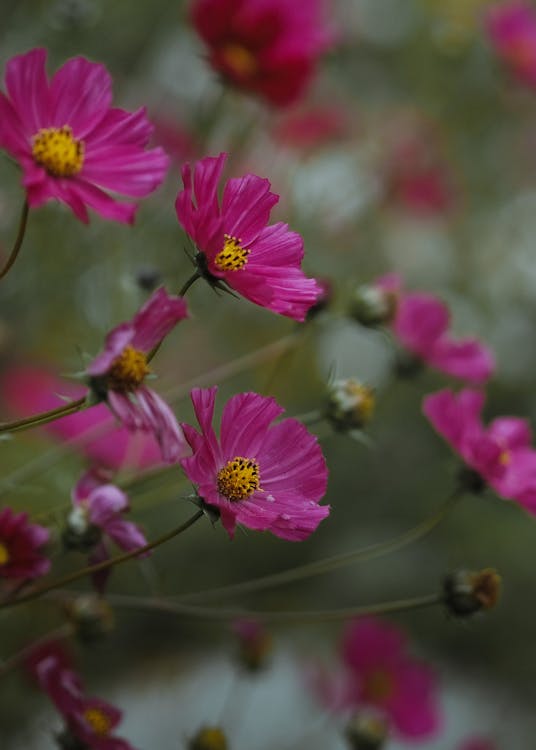
Cosmos Scatter Themselves Across the Whole Bed
Would you like to save this?
These reach five feet by August and lean into each other like old friends. Wait until you see the one flower on this list that fills bare soil even faster.
Cosmos taught me I could stop trying so hard. They handle heat across Zones 2 through 11, shrug off drought, and ask for nothing once they find a sunny spot.
I sowed 1 $3 packet of Sensation Mix in 2019.
That $3 saves me $50 in nursery flats every spring. And this is what happened next.
Why Poor Soil Is the Whole Trick
You skip deadheading toward the end of the season. Let the petals fade. Let the centers dry into little brown buttons packed with 200 or more seeds each.
Those buttons crack, the seed drops, and next June you’ve got cosmos again without spending a dime.
1 catch worth knowing. Rich soil gives you fat leaves and fewer flowers. The lean, neglected corner of your yard is where cosmos belong. My best stand grows in the worst dirt I own, a starved strip by the shed I never amended.
But the move I learned next cost me an entire wasted spring.
Larkspur Lets Winter Do the Planting for You
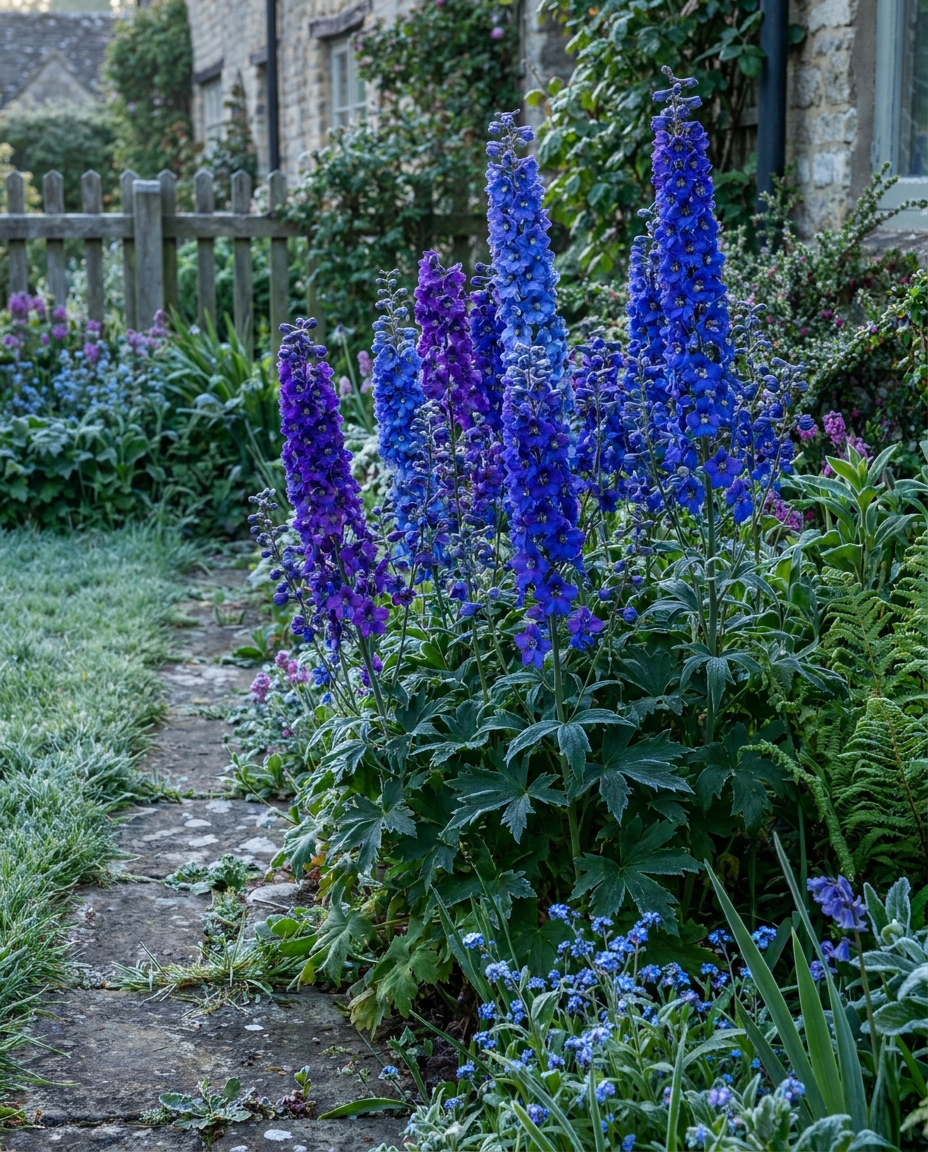
The seeds you scatter in November will not move an inch until the cold wakes them. Most gardeners get this backward and wonder why nothing came up.
Larkspur taught me that lazy timing beats perfect timing.
YOU’LL ALSO LOVE25 Things About Your Home That Visitors Notice in the First 10 Seconds (But Never Tell You)
The seeds won’t sprout in warm soil above 55 degrees. That sounds like a problem until you see what it means.
You scatter the seed in fall, walk away, and let winter handle everything. Here’s where I got it completely backward.
Why My First Packet Failed
I bought a $4 packet of Giant Imperial in March 2020, sowed it neat and hopeful, got nothing.
That spring packet never had a chance.
The handful I tossed out the following November came up 3 feet tall by May. Gardeners call it cold stratification. For larkspur, winter does it free.
It grows across Zones 2 through 11 and blooms by early June. Those tall blue spires drop their own seed and restart the cycle.
1 fall scattering has kept my yard blue for 6 years.
But here is where the speed changes. The next flower moves so fast you’ll forget you planted it.
Calendula Turns $3 Into a 10-Foot Border in 6 Weeks
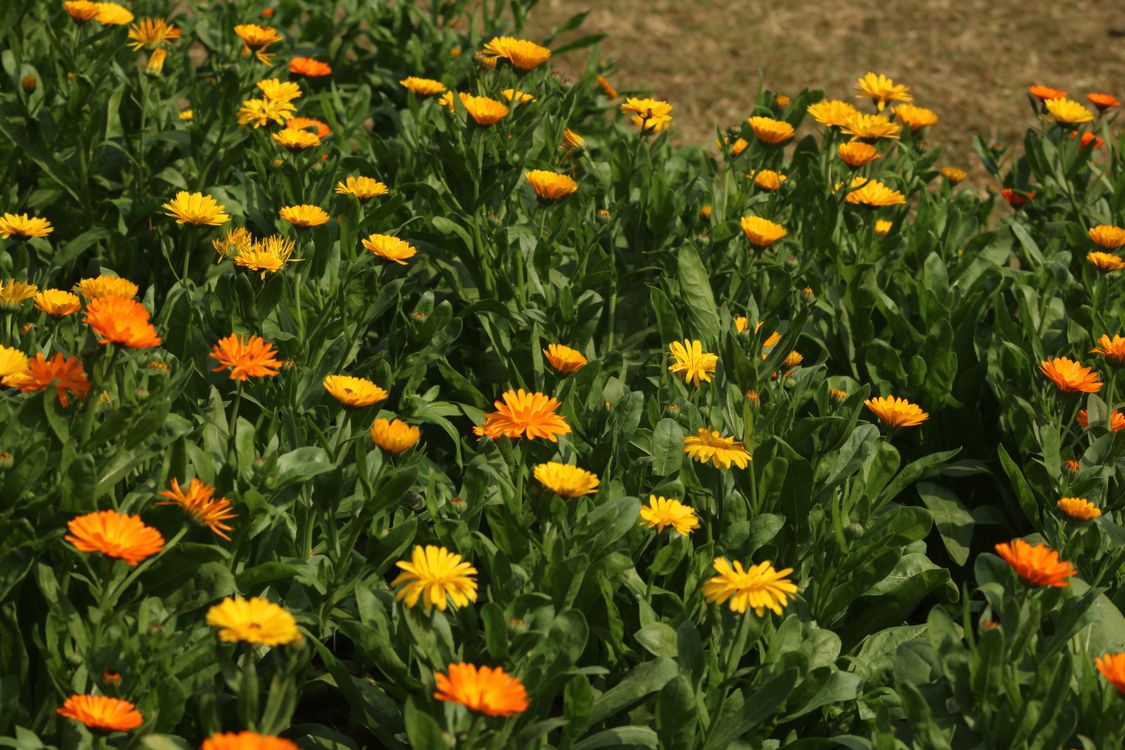
From seed to first bloom in about six weeks. The petals are edible too, but that is not even the most useful thing about this one.
Calendula is my impatient flower. Drop the seed and it sprouts in 7 to 14 days. Blooms follow in 6 to 8 weeks. That speed means a spring scattering gives me orange and gold before the tomatoes set fruit.
What makes it a keeper is how freely it reseeds in Zones 2 through 11. I’ve grown it in a bed and in a pot by the back step. Both dropped seed and came back on their own. The soft, sticky leaves smell clean and herbal when you brush past them.
I tuck calendula along my vegetable patch now. Even with seed prices up 10% in 2026, a Burpee packet still runs about $3 and covers a 10-foot row. The flowers pull in pollinators while filling gaps I’m too tired to plant.
Let a handful of blooms dry to seed heads on the stem, and next year’s edging costs you $0.
And this next one has nothing to do with the bloom. It’s all about what comes after.
Nigella Drops Seed From Pods That Look Like They Floated In From Space
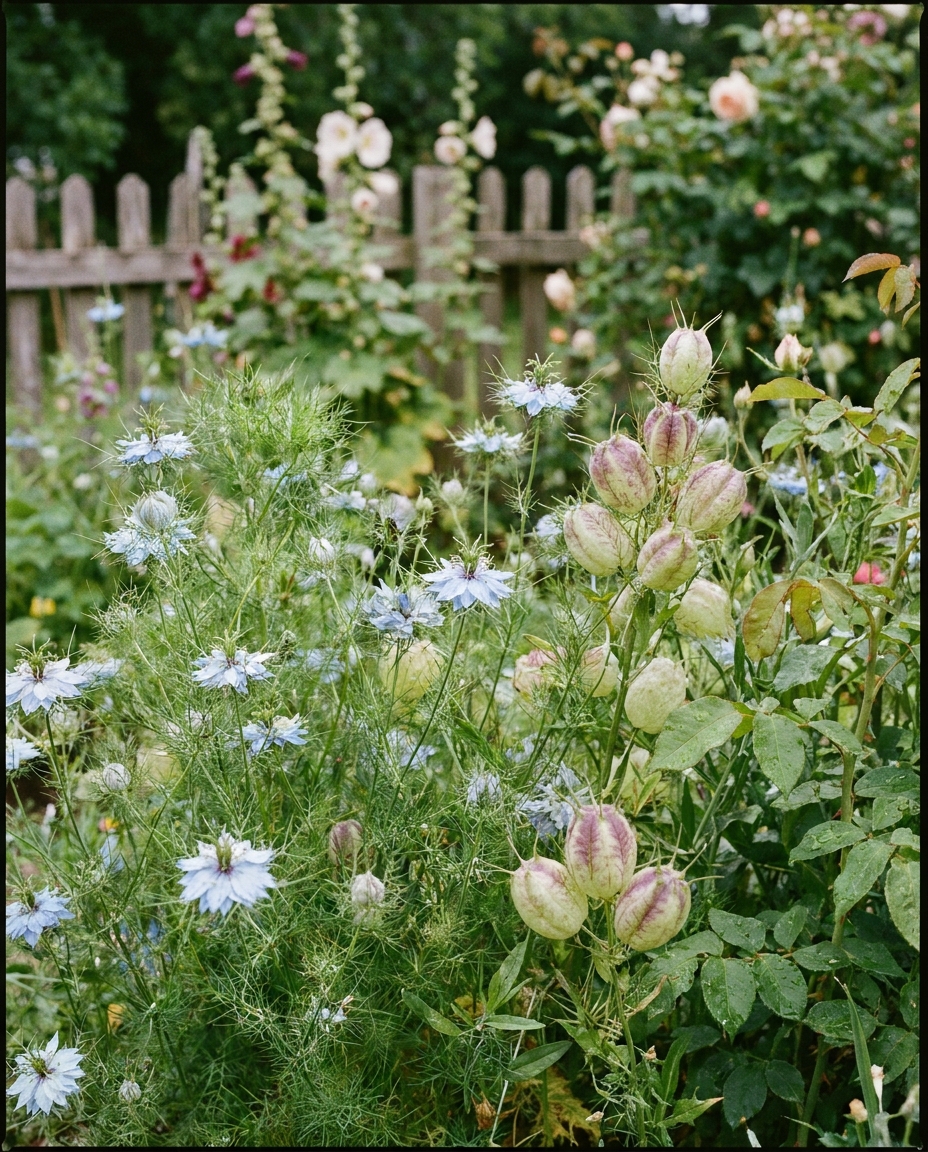
Those striped balloons are the seed pods, and they look like they floated in from another planet. Leave them be and they do all the work.
Nigella, which I still call love-in-a-mist, earns its keep twice. First come misty blue flowers floating in thread-fine foliage. Then come the pods.
Each 1 puffs into a striped, balloon-shaped lantern that looks like it drifted in from Mars.
Those pods aren’t decorations. They’re the entire reseeding engine.
Leave the plant standing through October. The pods crack on their own schedule. Seed spills out. Next year the blue clouds return without a thing from you.
The stems stand about 18 inches tall in Zones 2 through 11. The dried pods are gorgeous in a winter vase.
And a $3 packet covers a patch for 5 or more years. I snip a few pods for the kitchen table and leave the rest for the garden.
YOU’LL ALSO LOVE30 Things in the 1970s Living Room That Would Confuse Anyone Under 30
Wait until you hear the number that changed how I think about poppies.
Poppies Keep Coming Back on a Schedule You Can’t Argue With

One dried pod holds a startling amount of seed, and each one is a salt-shaker waiting for a breeze. The number inside will surprise you.
Poppies are the original set-it-and-forget-it flower. Those papery red blooms seem to glow when the light passes through them. Once they settle into a patch, they treat it as home.
But here is the number that changed everything.
1,500 Seeds in 1 Pod
A single dried poppy pod holds up to 1,500 seeds.
The pod works exactly like a salt shaker. It dries, the wind catches it, and seed sprays across the soil in every direction. That’s why poppies multiply without asking.
California poppies deserve their own line. Those tangerine blooms grow 12 to 18 inches tall and are vigorous volunteers in Zones 5 through 10.
The move is to resist tidying the spent flowers. Every pod you snip is 100 future poppies in the trash.
My neighbor Carol, three doors down, ripped hers out 3 springs running. “I kept cutting them back because they looked finished,” she told me last June. “Turns out finished was the whole point.”
She’s not the only 1 clearing out what still holds value. There are 25 things sitting in your house your kids would sell for $5 without a second thought. Most of them look just as done as a dried seed pod.
Which brings us to the flower where bees rewrite the garden’s color scheme.
Foxglove Surprises You With Colors You Never Planted
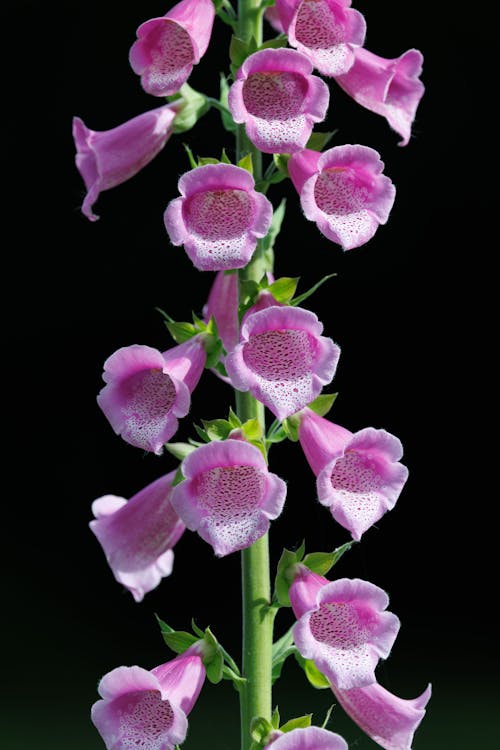
You plant pink, and three years later you have white and dusty rose too. The bees rewrote the recipe while you were not looking.
Foxglove plays a longer game. It’s a biennial. Year 1 builds a low rosette of leaves. Year 2 sends up speckled spires reaching 4 to 6 feet that bees disappear into 1 bloom at a time.
Once it settles in Zones 4 through 9, it reseeds so freely you get blooms every year. And this is where the surprises start.
The Color Surprise
Foxglove cross-pollinates. The seed doesn’t always grow the color you planted. I started with plain pink in 2020. Within 3 seasons I had white, fuchsia, and dusty rose that I never bought.
The garden redesigns itself.
1 honest caution.
A single foxglove can produce over 1,000,000 seeds.
That’s enough to crowd a whole bed in 2 years. When mine gets thick, I deadhead a few spikes and pull the extras. You stay in charge without spending another dollar.
That $3 packet from 2020 is still paying me back.
All parts of foxglove are toxic. Worth knowing if grandkids play near the beds.
YOU’LL ALSO LOVE11 Neighborhood Rules Every Kid Knew in the ’80s That No Parent Would Allow Today
Now the next one runs the same color trick with much better manners.
Columbine Is the Polite Reseeder That Never Takes Over
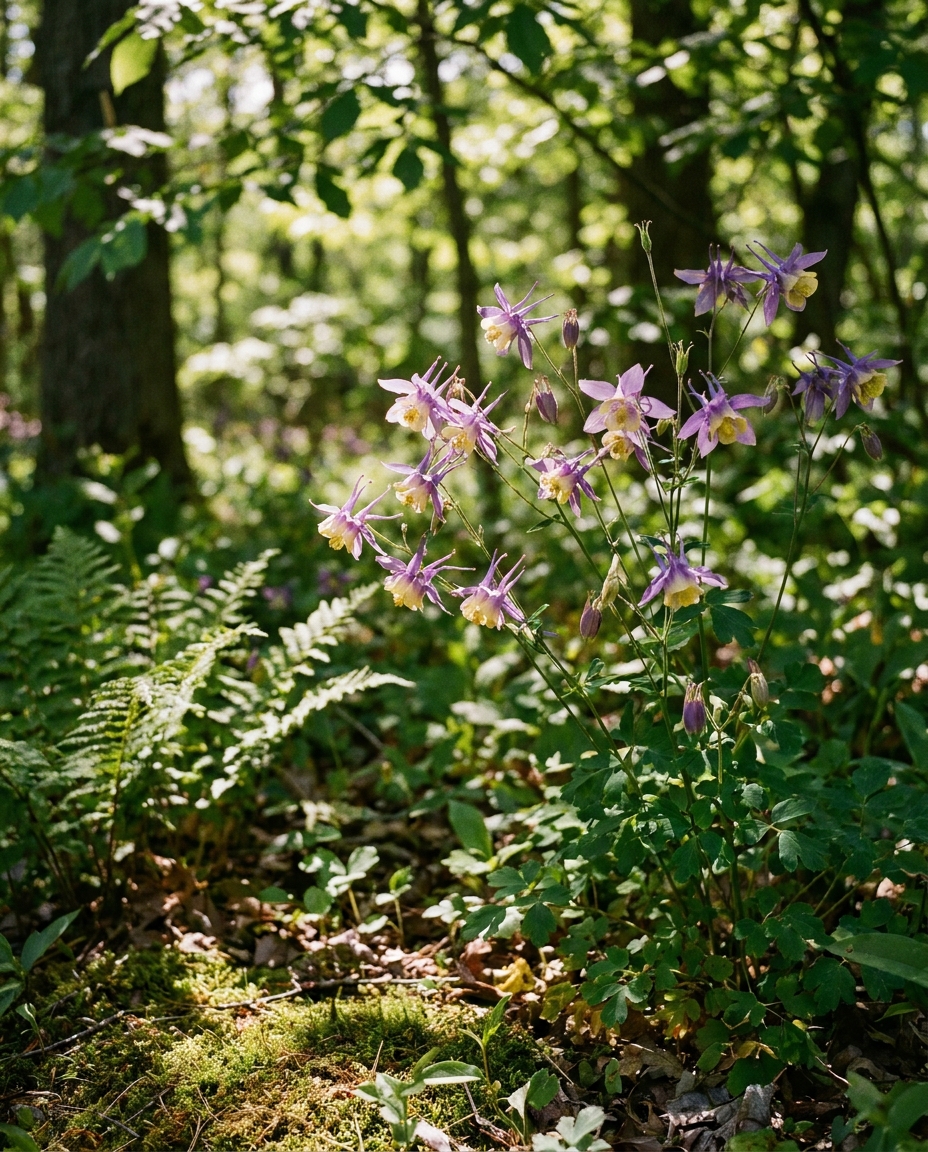
It reseeds, but gently, never the bully of the bed. And like foxglove, it loves to invent new color combinations behind your back.
If foxglove is the generous oversharer, columbine is the polite guest. It’s a true perennial that also reseeds, but with restraint. It stands 1 to 3 feet tall in Zones 3 through 9. This is the self-seeder for people who want flowers back every year without the crowd.
Same quirk as foxglove. Different colors near each other cross-pollinate. The volunteers show up in shades you never bought. 1 year I had purple and yellow. A few seasons later, soft pinks and bicolors appeared that no nursery in town carried.
The nodding, spurred flowers prefer dappled light at the edge of a tree or along a shady fence. Snip the stems before they ripen seed if you’ve got plenty. Leave them alone and the volunteers keep arriving. Always enough. Never too many.
Speaking of pollinators, the next flower brings them in by 9 AM.
Bachelor Buttons Bring the Pollinators and Keep Coming Back
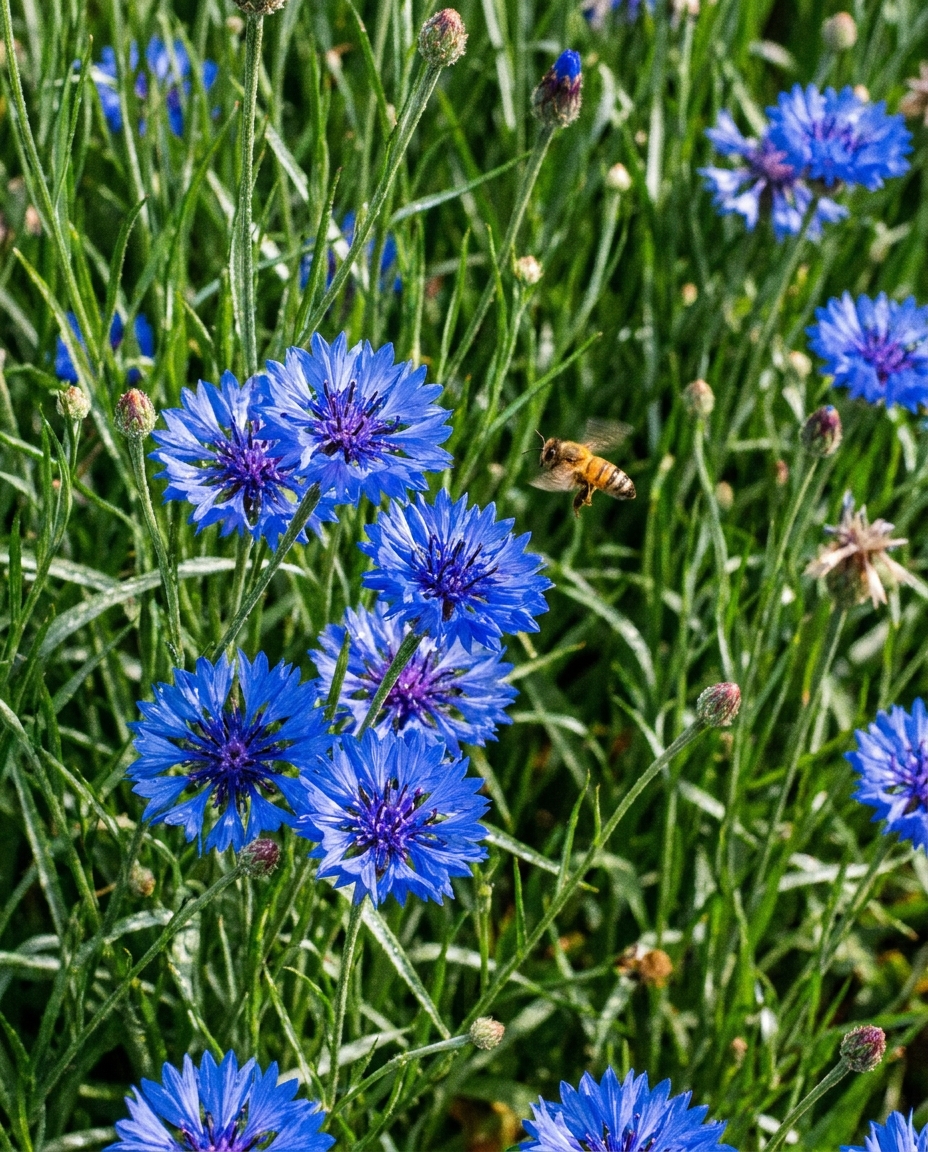
That blue is almost hard to believe in person. The bees find it before you have finished your coffee.
Bachelor buttons, the old cottage-garden cornflower, were 1 of the first things I ever scattered. They come in that true blue along with purple, pink, and white.
A bed of them hums with pollinators by mid-morning. They grow 2 to 3 feet tall in Zones 2 through 11.
They forgive everything. Easy to grow from a $2 handful of seed, they reseed year after year when you let the last blooms dry. No fuss. No transplanting. They just show up.
I let them weave between taller plants. The bed starts looking collected instead of planted. My grandmother’s borders had that same relaxed feel.
I now get my grandparents. Half the flowers that filled those old yards have quietly disappeared from American homes and nobody noticed them leaving.
Turns out the old cottage flowers have more staying power than anyone expected.
Snapdragons Quietly Show Up Again in the Warm Spots
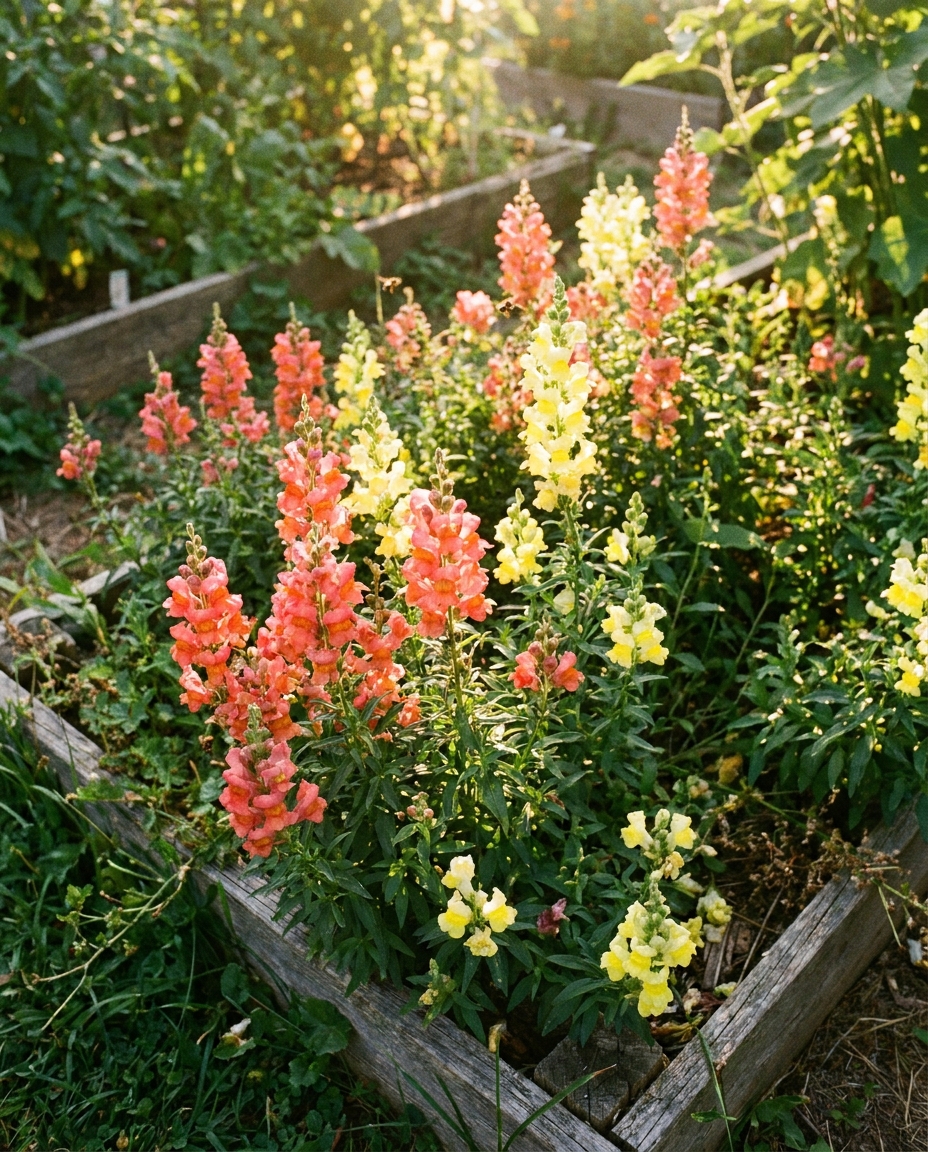
Pinch the sides of one bloom and it opens like a little mouth. The tall varieties are the ones that come back on their own.
I was 1 of those kids who pinched snapdragon blooms to make the little dragon jaws snap. They reseed in Zones 7 through 11 where they act almost like perennials.
1 tip I wish I’d known 20 years earlier. Tall varieties reseed the best. Skip the dwarf bedding types and grab a cutting-height variety that grows 2 to 3 feet. Those tall stems fill a vase and scent a room with that spicy, peppery sweetness you can’t get from any $25 candle.
I let the last spikes finish and dry on the plant. The tiny seed capsules ripen, split, and tuck themselves into warm soil at the base. Spring brings seedlings right where I wanted them.
Here’s where it gets even easier. No new packet needed.
Cleome Towers Over the Border and Fends Off Deer
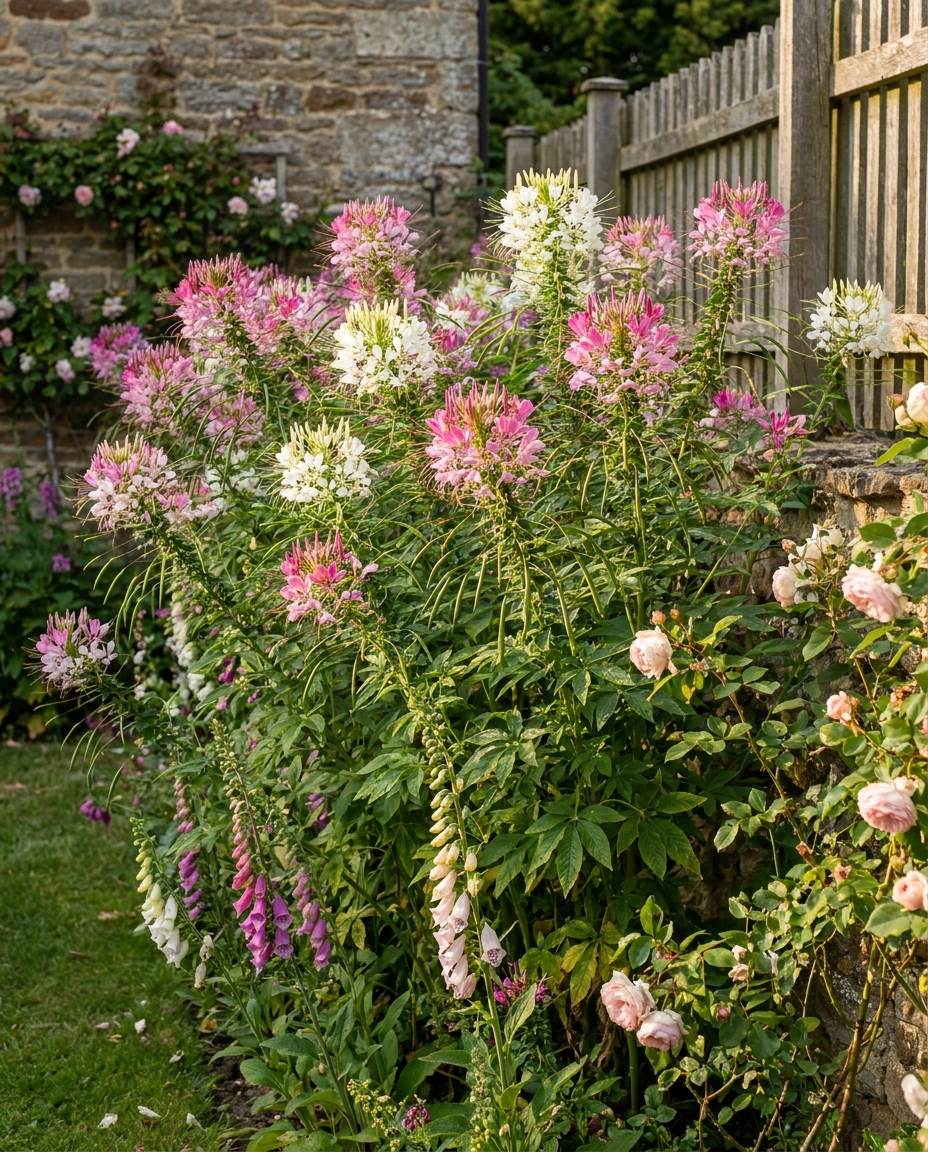
It climbs to five feet by August and the deer leave it completely alone. The reason is something you can feel on the stems.
Cleome earns its place at the very back of my border. It rockets to 5 feet by late summer, crowned with airy, spidery blooms. It flowers from June through October and reseeds so freely it acts like a perennial in Zones 5 through 11.
Run your hand up the stalk and you’ll feel the prickle. Turns out that bristle is exactly what keeps deer away.
YOU’LL ALSO LOVE25 ‘Common Sense’ Home Rules Everyone Followed in the 80s That Would Get You Laughed At Today
Stick With the Old Varieties
1 warning so you don’t end up confused.
The Queen series reseeds beautifully. It’s the classic open-pollinated variety dating back 40 or more years.
Newer hybrids are bred sterile and produce 0 viable seed.
But here is the trick. Stick with the old Queen types and let those long seed pods scatter.
Sweet Peas Climb Back Up the Fence on Their Own
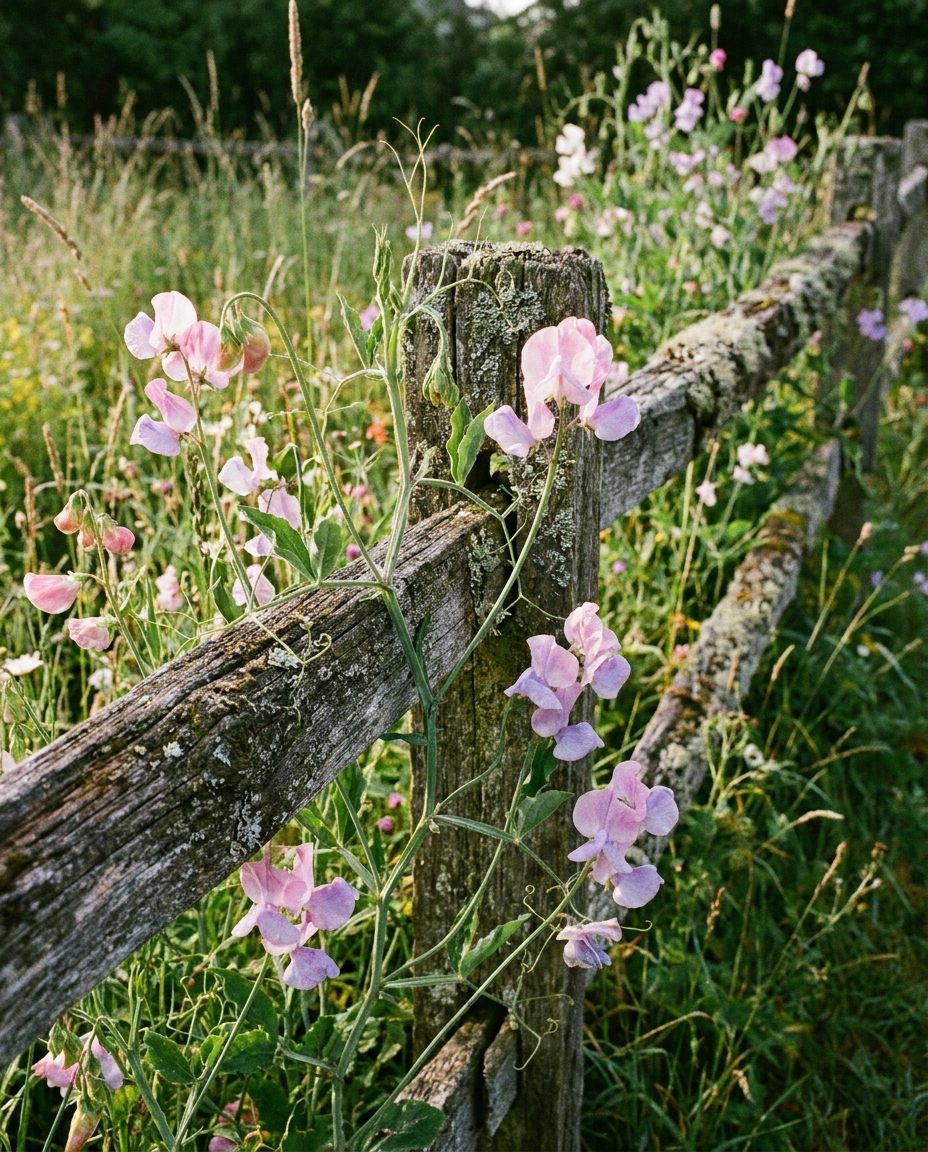
The fragrance stops you in your tracks on a warm morning. And those drying pods are quietly planting next year’s vines.
Sweet peas are the flower I smell before I see. The blooms come in soft pastels and climb anything they can grab with their curling tendrils. On a warm morning the scent carries across the whole yard. No $30 candle comes close.
They reseed in a way that’s easy to spot. After the bloom, sweet peas form pods that look like ordinary garden peas. Leave them on the vine.
Would you like to save this?
They dry, twist, and pop open with an audible snap, flinging seed to the ground. That’s next year’s crop, planted by the plant itself.
Sweet peas love cool weather below 65 degrees, so October is the time to let seed settle in Zones 2 through 11. I leave it where it drops near the base of the trellis.
Spring brings fresh vines climbing the same fence, reaching 6 to 8 feet. No transplant shock. No seed-starting setup.
The hardest part is not cutting every bloom for the kitchen table. Turns out my wife Linda feels the same way about that.
Hollyhocks Stand Tall Along the Fence Year After Year
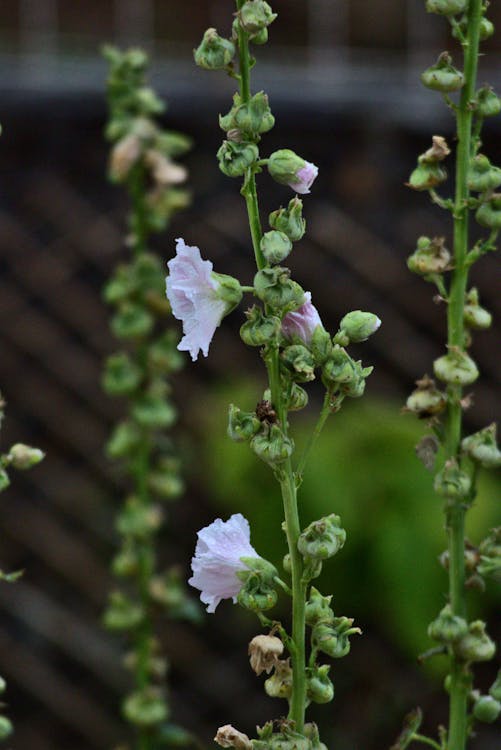
They tower over your head by midsummer. The first year can fool you, and that is exactly why so many people give up too soon.
Hollyhocks are the flower of old farmhouses and grandmother’s fences. Those spires climb 6 to 8 feet along a sunny wall. Biennial like foxglove, they spend year 1 building leaves and save the towering bloom for year 2.
And this timing trips up nearly everyone.
The First-Year Trap
If first-year hollyhocks don’t flower, nothing is wrong. They’re storing energy. By the 2nd summer they erupt in Zones 3 through 8. Once established, they reseed so dependably you’ve got blooms every year.
Plant them where you want them for the long haul. Mine lean against the fence on the sunny side of the shed. The spent spires dry and drop flat, papery seeds. A new generation rises in the same spot.
The 2025 National Association of Realtors report found landscape upgrades recover 100% of their cost at resale.
Hollyhocks along a fence say more than a $4,000 paint job.
And visitors notice fast. There are 25 things they pick up in the first 10 seconds and never mention out loud.
So what do you do with the 1 corner where nothing sunny will grow?
Forget-Me-Nots Carpet the Shady Spots in Blue
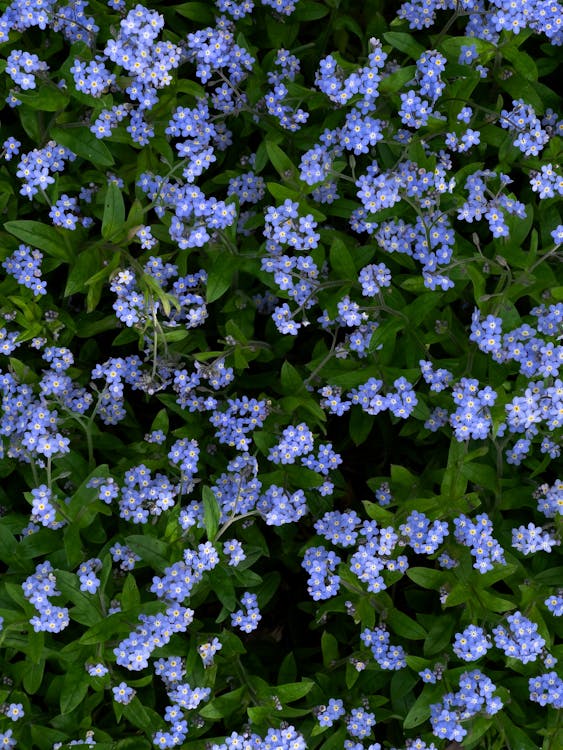
They fill the difficult shady corner where nothing else wants to grow. By the third spring you will wonder how you ever lived without them.
Forget-me-nots solved the problem every gardener eventually faces. Mine was the cool, shady corner under the maple where sun-lovers refused to cooperate. These low, blue charmers actually prefer that spot. They reseed freely in shade across Zones 3 through 9, asking only for moist soil.
Their gift is how they spread without a plan.
I dropped a $3 packet the 1st year. Let them seed. They knit into a low carpet 6 to 12 inches tall that returns thicker each spring.
I let the blue go where it likes. Pull a few clumps where I need a clean edge. Barely counts as work.
Turns out the worst corner in your yard can become the prettiest.
Verbena Bonariensis Floats Purple Clouds at Eye Level
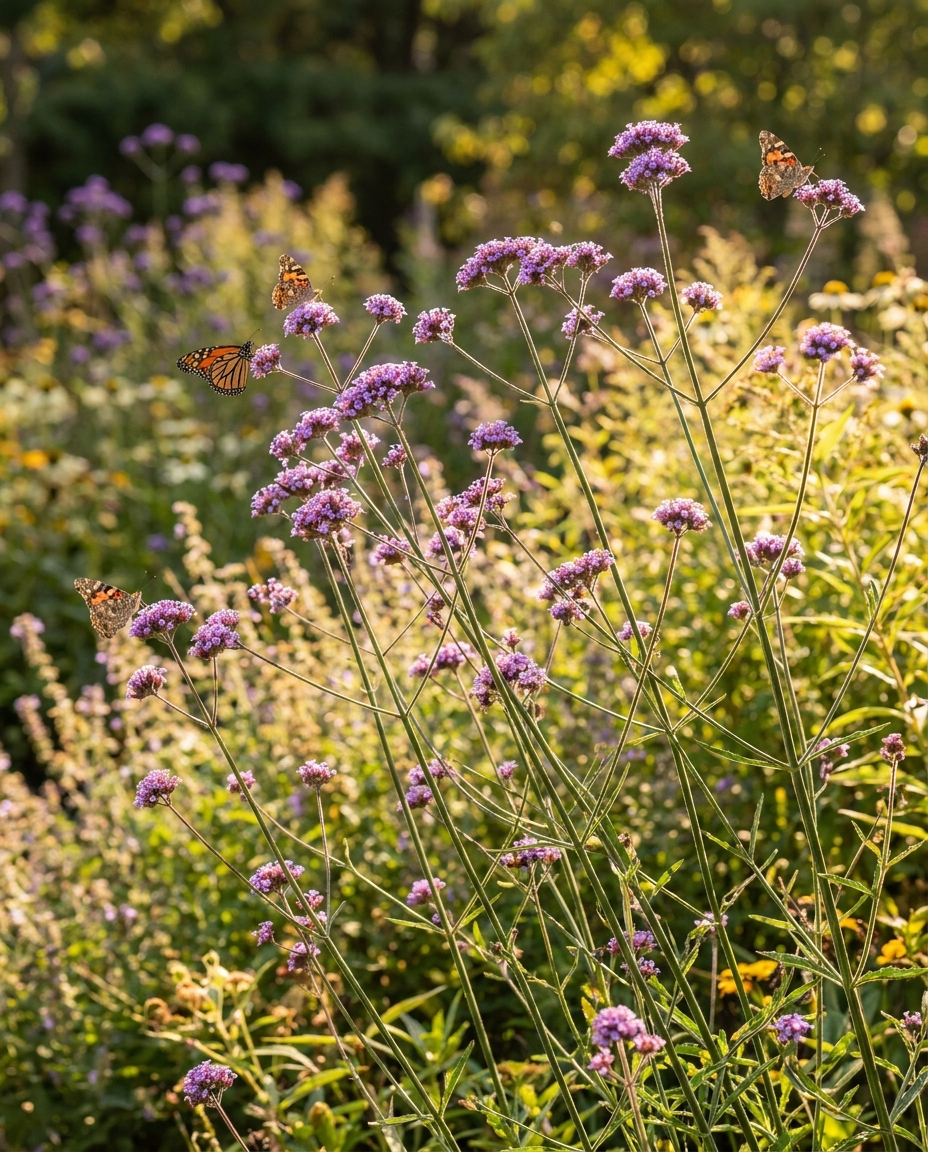
The stems are so thin the purple seems to float in midair. Butterflies treat it like a landing pad all summer long.
Verbena bonariensis sends up thin, wiry stems 3 to 5 feet tall topped with small purple clusters that seem to hover.
I plant it at the front of a bed and still see straight through to whatever grows behind. Butterflies treat it like a private runway all season in Zones 7 through 11.
It’s a champion self-seeder. In mild winters it acts like a tender perennial. That generosity comes with 1 small job. It sows itself thick, so thin the extras in spring. 5 minutes pulling volunteers, and the purple clouds stay exactly where you want them.
I leave the dry flower heads standing through December. They feed the birds and fund next year’s display at the same time.
Coming up is the most forgiving flower in America. Would you recognize it if it grew in your yard right now?
Black-Eyed Susans Come Back for Years With Zero Fuss
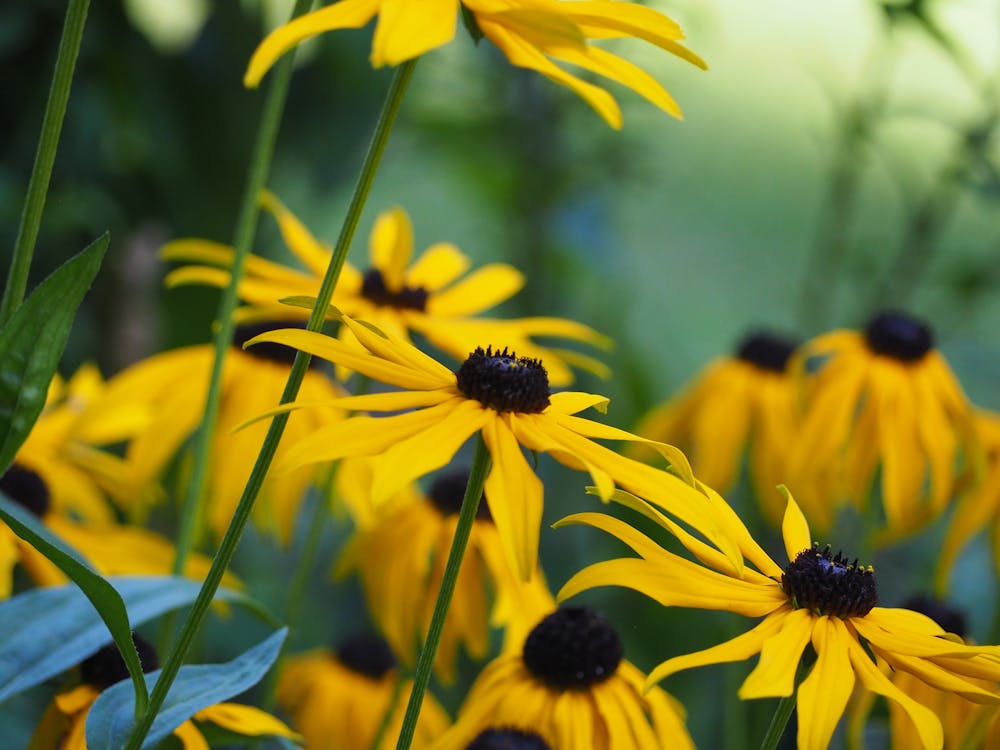
These thrive on neglect and come back stronger every year. Leave the dark seed centers standing and the goldfinches will thank you all winter.
Black-eyed Susans close this list because they may be the most forgiving flower here.
Golden petals around a dark chocolate center. They thrive on neglect in Zones 3 through 9 and grow 2 to 3 feet tall. This is the plant that comes back even when the gardener mostly forgets.
But here is what makes them a double.
The Free Bird Feeder Trick
I don’t feed them. I don’t start them indoors. I let the flowers fade and the dark seed centers stand through fall.
The plant scatters its own seed while goldfinches cling to the dried heads on cold mornings in December.
Free bird feeder and free flower bed in 1 move.
My brother Dave spent 30 years inspecting houses before he retired in 2024. He told me the yards he remembered were never the fussy ones. “The best ones were where things came back on their own,” he said. “Somebody planted once and got out of the way.”
He meant trees. He could’ve been describing my whole back fence.
Every homeowner carries a short list of choices they’d undo. Ask around and 7 answers come up every time, with the biggest 1 landing where nobody expects. Which brings me to the habit I’d add to that list.
The 1 Habit That Separates an Effortless Garden From an Empty One
Here’s what almost nobody tells you.
Self-seeding only works if the seed actually reaches the ground. And this comes down to 2 habits.
Stop Deadheading Every Bloom
Deadheading keeps a plant flowering through July. But a plant that never sets seed can’t reseed.
The move is to enjoy the show all summer, then stop clipping in late August. Let the final flush dry to seed heads right on the stem. Cosmos, calendula, poppies, and bachelor buttons all respond within 1 season.
Now the 2nd habit matters just as much.
Skip the Hard Fall Cleanup
Those dried stems and spent pods you want to bag are next year’s free garden.
Leave them standing through winter. The seed drops naturally. The cold stratifies what needs it, like larkspur. The birds eat the rest.
Come spring I rake lightly, pull what I don’t want, and let the rest rise. That’s the entire method.
The National Gardening Association says the average household spends $740 a year on the yard.
I spend about $15, and that covers the whole border for the season.
The garden handles itself now. But if you’re still dragging by dinner, the yard might not be the culprit. There are 25 signs your house is quietly wearing you out and most people blame the mattress.
Which of these 15 would you let take over a corner of your yard first?