
You bought the expensive mattress. You downloaded the sleep app. You even tried magnesium.
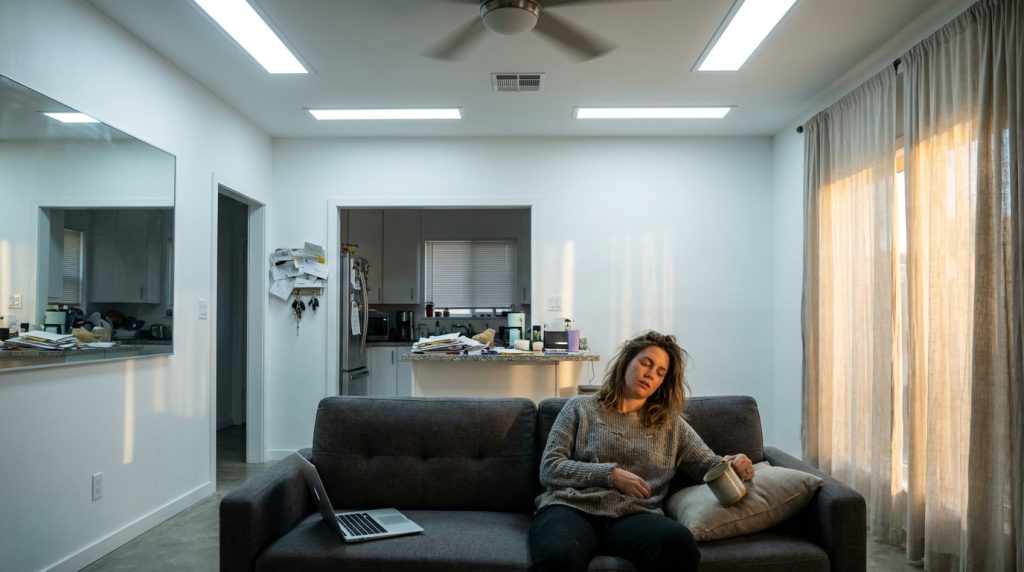
And you’re still dragging yourself through every afternoon like your bones are full of wet sand.
Would you like to save this?
Here’s what nobody told you when you signed the mortgage: your house has been running a low-grade energy tax on your nervous system since the day you moved in.
Researchers at UCLA found that women in cluttered homes produce cortisol at rates 30% higher than those in organized spaces, and that stress doesn’t clock out at bedtime.
I’ve spent eight years studying how rooms drain people, and sign number fourteen on this list is the one that made me rethink my own living room overnight.
1. Your Junk Drawer Has Siblings
Every house starts with one junk drawer.
Yours has four spots, plus a hallway table that’s become a staging area for things that don’t have a home.
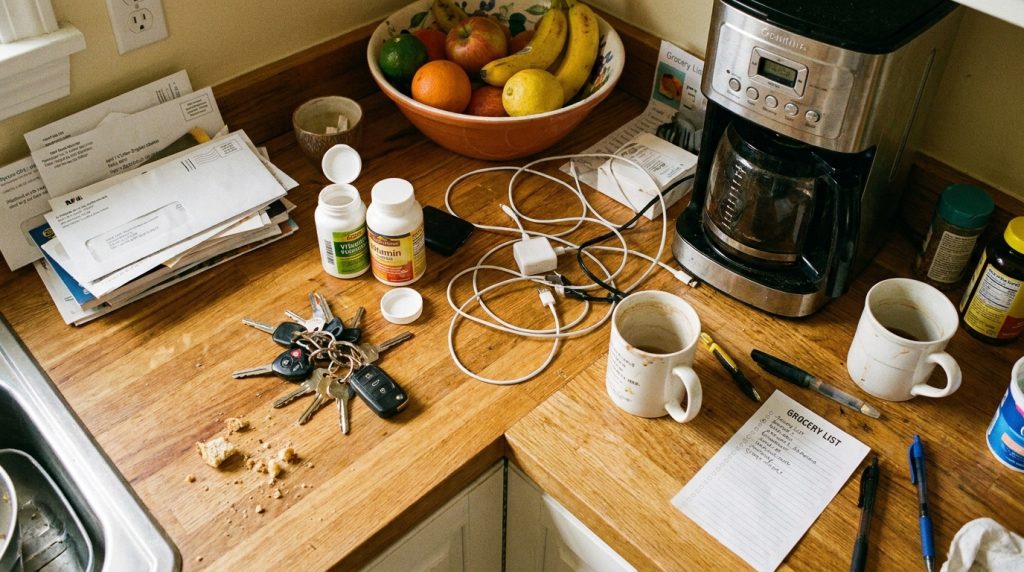
Princeton neuroscientists found that visual clutter competes directly with your attention, forcing your visual cortex to process every stray object whether you want it to or not. That means your brain is burning calories just walking past the kitchen counter.
The cognitive toll is cumulative. By evening, you’ve spent energy on a thousand micro-decisions about things you never consciously noticed, and your body registers it as fatigue you can’t explain.
2. Every Room Is the Same Temperature
Most homes hover at a fixed 72 degrees from the thermostat’s perspective, but the research says your body wants thermal variety.
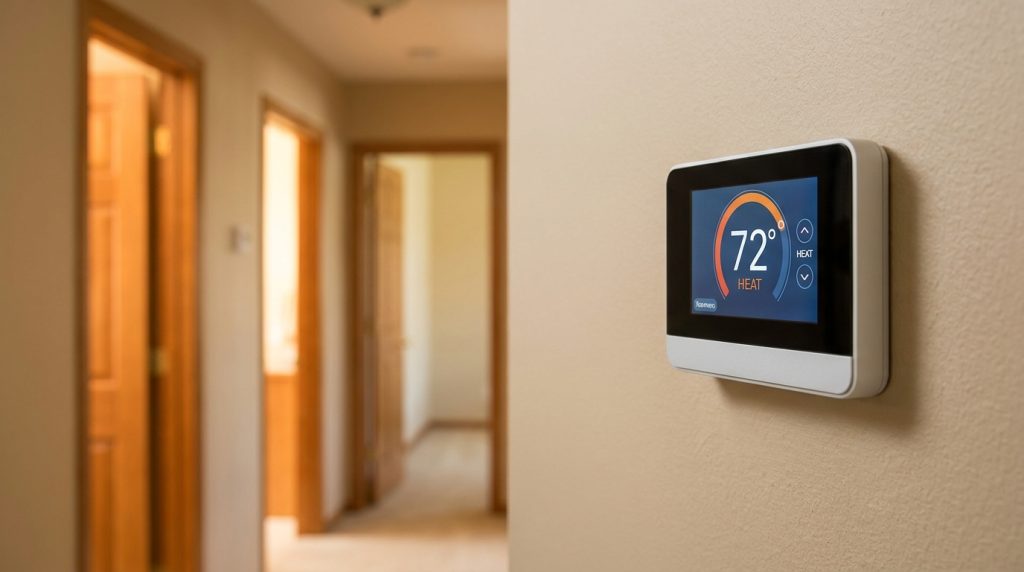
For every 1°C rise above optimal, cognitive performance drops 2-3%.
YOU’LL ALSO LOVE25 Things About Your Home That Visitors Notice in the First 10 Seconds (But Never Tell You)
When your bedroom, your kitchen, and your living room all feel exactly the same, your circadian system loses the temperature cues it needs to shift between alert mode and rest mode.
Your body expects cooler air for sleeping and slightly warmer air for waking. A house that flatlines at one temperature all day confuses that signal.
3. You Haven’t Changed Your Air Filter in Months
CO2 levels in a poorly ventilated bedroom can climb above 1,000 ppm by 3 AM.
Every 100 ppm increase correlates with a 0.29% decline in sleep quality.
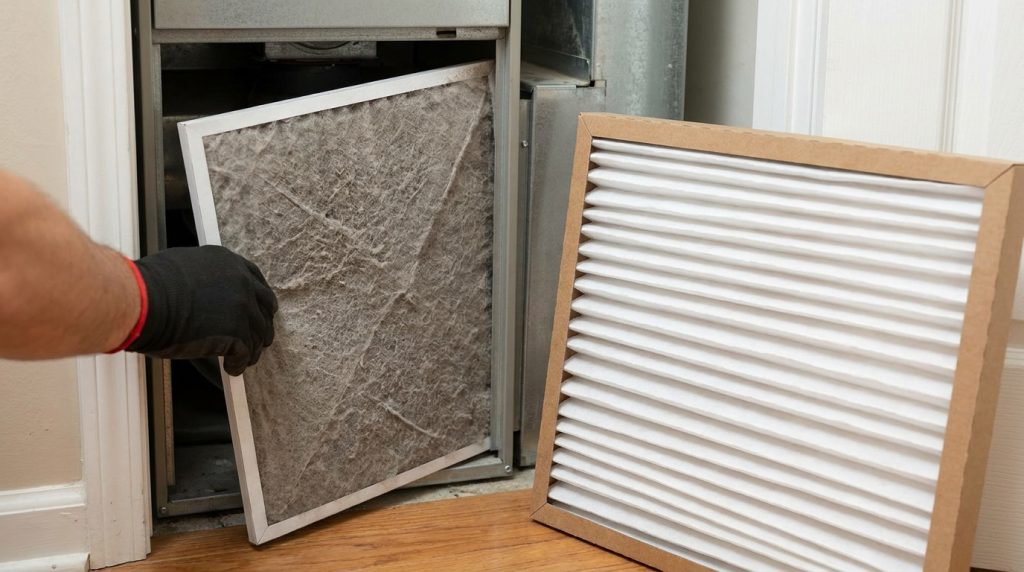
That number sounds small until you multiply it across eight hours and 365 nights. Poor indoor air quality has been directly tied to headaches, brain fog, and the kind of fatigue that a second cup of coffee can’t fix.
Your filter isn’t just catching dust. It’s the difference between your brain getting enough oxygen to run its overnight repair cycle and waking up feeling like you slept in a parking garage.
4. Your Ceiling Feels Like It’s Sitting on Your Head
Researchers call it the Cathedral Effect.
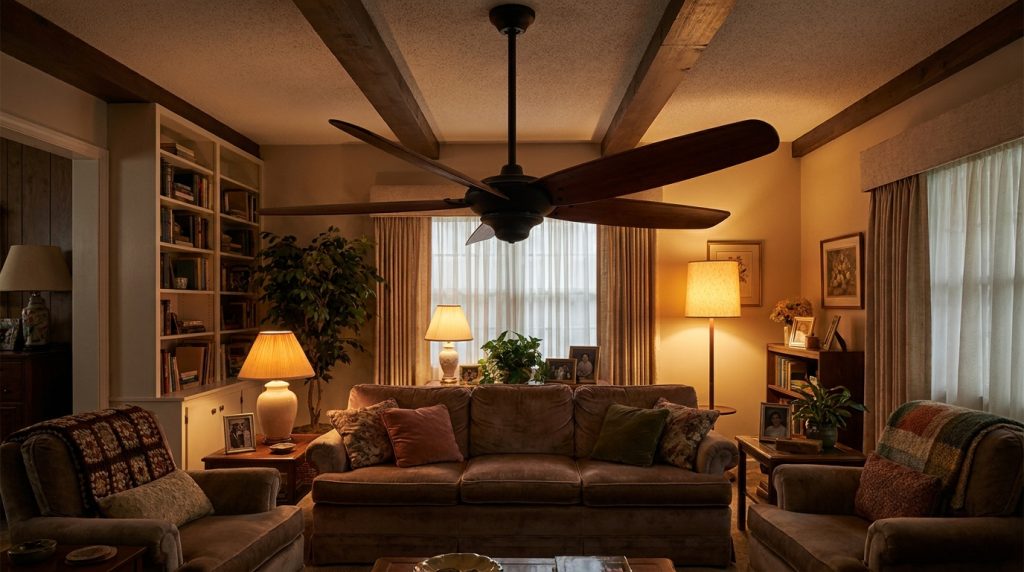
Ceilings above 10 feet activate brain regions associated with abstract thinking and spatial freedom. Ceilings below 8 feet do the opposite, creating a measurable sense of confinement that your body processes as mild compression.
You don’t consciously think “this ceiling is too low.” You think “I need to get out of this room.”
That low-grade urge to escape triggers cortisol, and cortisol is the enemy of deep rest. If your main living space has standard 8-foot ceilings with a heavy fan hanging at 7 feet, you’ve been slowly compressing your own nervous system.
But the ceiling is just the beginning of what your walls are doing to you.
5. Your Walls Are Hospital White
Color psychology research from the University of British Columbia found that blue environments reduce cortisol by up to 23%, while all-white environments trigger institutional associations that increase anxiety.
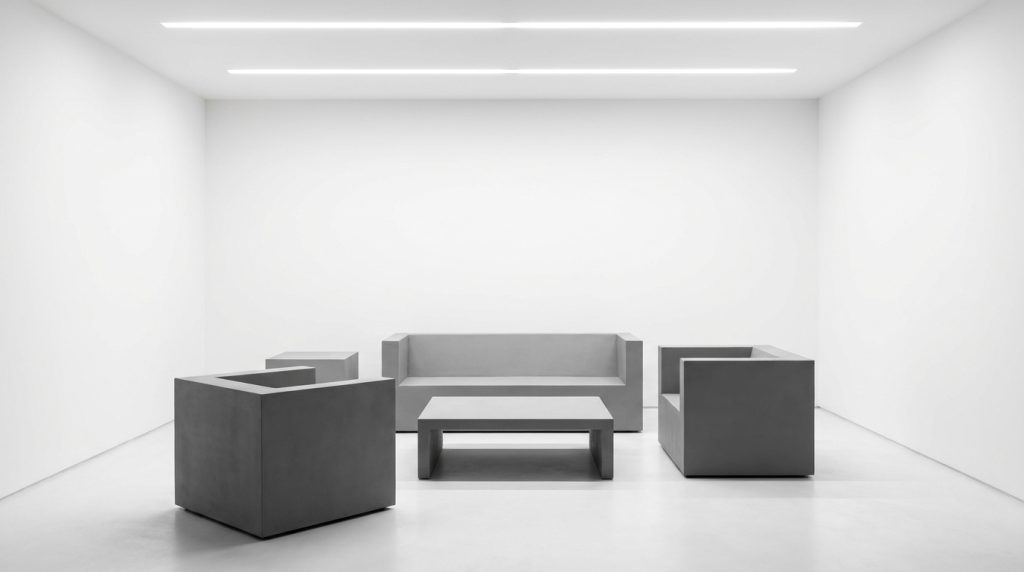
Monotonous white walls created measurable increases in nervous tension and depressive affect among occupants in classroom studies.
Your “clean, modern” white walls might be reading to your subconscious as “waiting room.” And your body responds to a waiting room the way it should: on low-level alert, waiting for something bad to happen, never fully relaxing.
6. Your Bedroom Has No Curtains That Actually Block Light
Melatonin suppression from evening light exposure is not a gentle dimming. It’s a chemical shutdown.
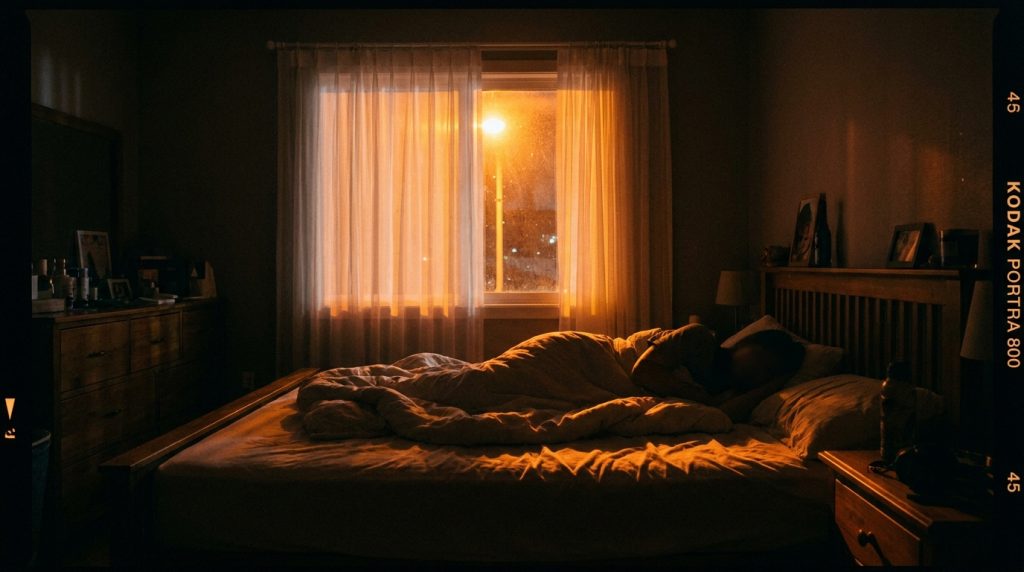
Harvard researchers found that blue-spectrum light – the kind emitted by streetlights, phone screens, and LED bulbs above 4000K – delays melatonin onset by up to 90 minutes.
YOU’LL ALSO LOVE30 Things in the 1970s Living Room That Would Confuse Anyone Under 30
If your bedroom windows let in ambient light from outside, your brain physically cannot start its sleep cycle when you want it to.
You’re not a bad sleeper. You’re trying to sleep in a room that’s chemically preventing it.
7. You Can Hear Every Room from Every Other Room
A home where sound travels unrestricted keeps your nervous system in monitoring mode around the clock.
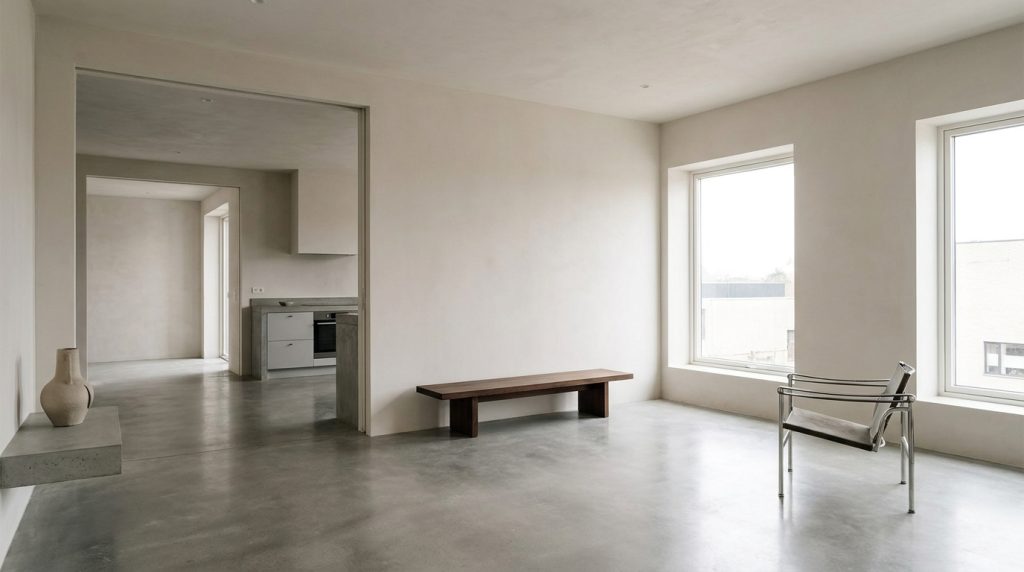
Chronic noise exposure increases depression risk by 4% and anxiety risk by 9%, even at levels you’ve consciously tuned out.
Your body doesn’t need you to notice the dishwasher, the TV in the next room, or the toilet refilling down the hall. It notices for you.
That background processing eats into the same energy reserve you need for focused thinking and genuine rest.
8. Your Kitchen Island Faces a Wall
When your primary work surface faces a blank wall or a cabinet door, you lose sightlines to windows, to other rooms, to other people.
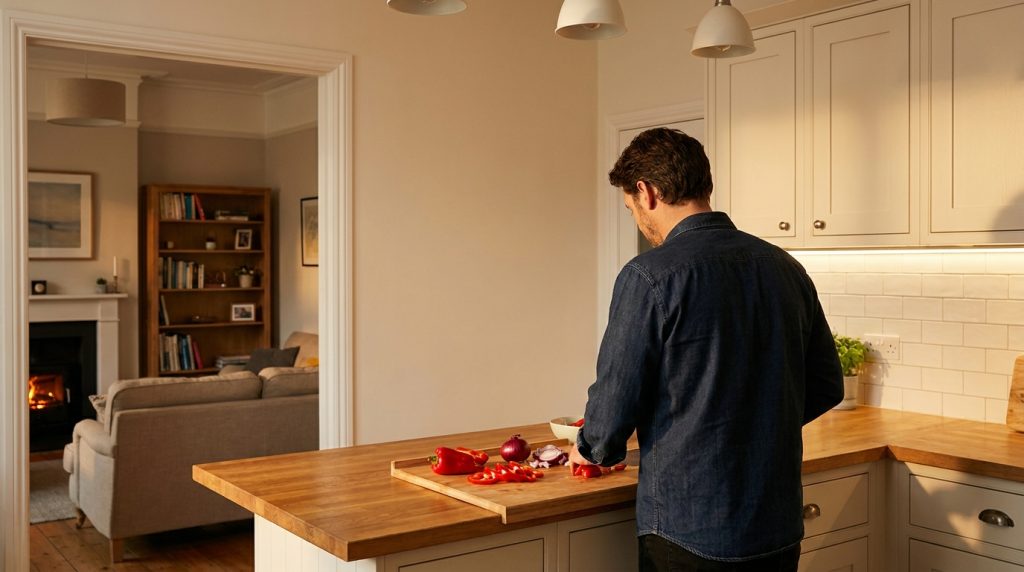
Environmental psychologists call this “prospect and refuge” – the need to see outward from a sheltered position.
Cooking with your back to the room triggers a low-level vigilance response because your brain cannot monitor who’s approaching from behind. Over hours of meal prep, that unresolved tension compounds.
Designers rearrange island orientations for this reason, and the homeowners consistently report feeling less drained after dinner.
9. You Have Zero Plants
Biophilic design research has consistently shown that even a single visible plant reduces sympathetic nervous system activity, lowers blood pressure, and increases heart rate variability – a marker of autonomic relaxation.
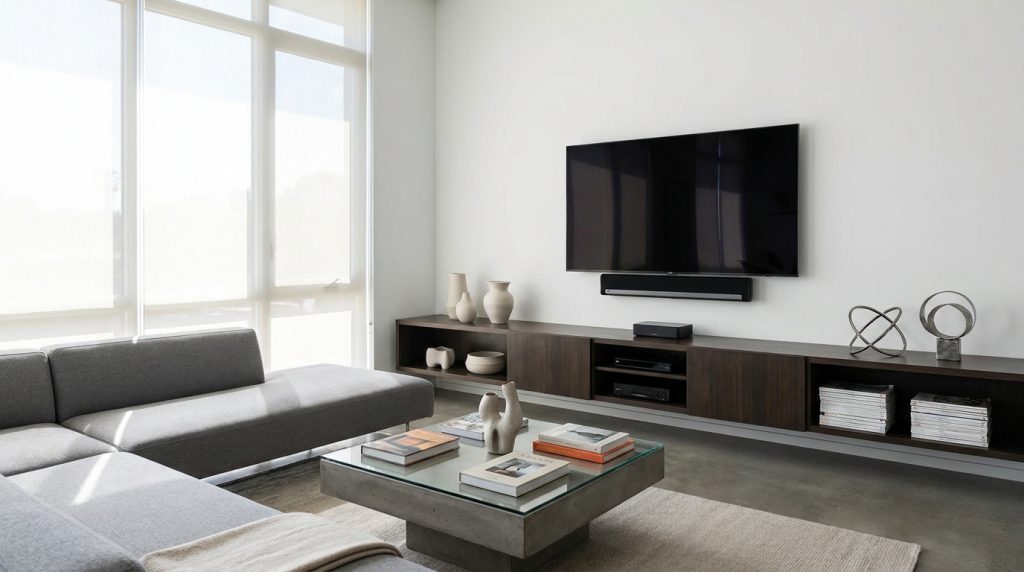
A home with no living things in sight reads to your brain as a sealed, artificial environment. The absence doesn’t register as “I should buy a plant.” It registers as low-grade environmental stress that you attribute to being tired, being stressed, or needing a vacation.
Take a guess. How many plants does the average American home have?
Most people say five to ten. The actual number from a 2023 National Gardening Association survey is two, and 30% of homes have none at all.
10. Your Mirrors Reflect Clutter
Research on mirror psychology shows that reflective surfaces double the visual complexity of whatever they face.
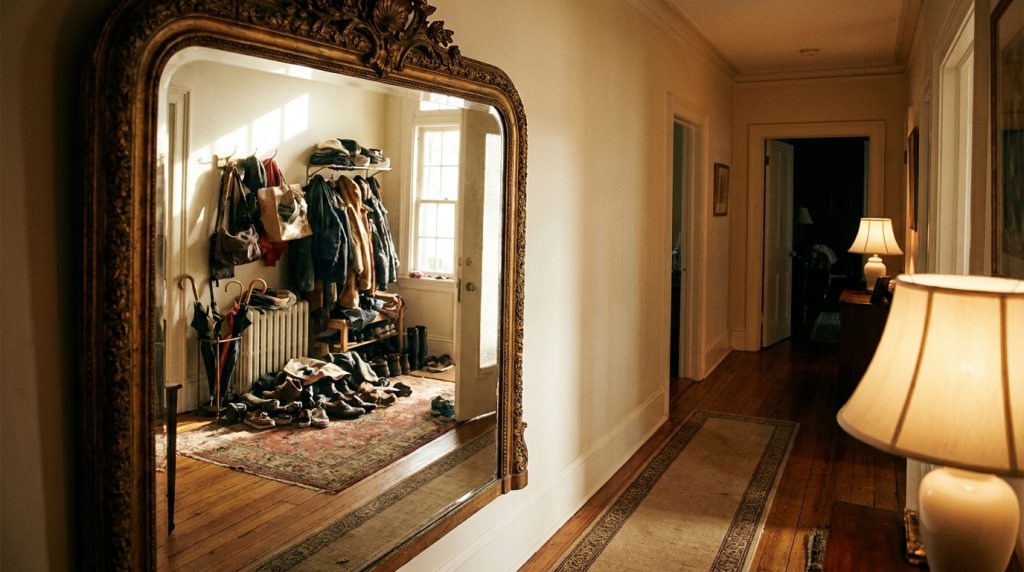
If your hallway mirror reflects a pile of shoes, your brain processes both the shoes and their reflection as separate visual objects. That’s twice the cognitive load for one mess.
YOU’LL ALSO LOVE11 Neighborhood Rules Every Kid Knew in the ’80s That No Parent Would Allow Today
Placing mirrors opposite windows reduces visual processing demands. Placing them opposite chaos multiplies them.
11. Your Bedroom Is Also Your Office
When a room serves two functions that require opposite neurological states – alertness for work and relaxation for sleep – your brain struggles to switch gears in the space.
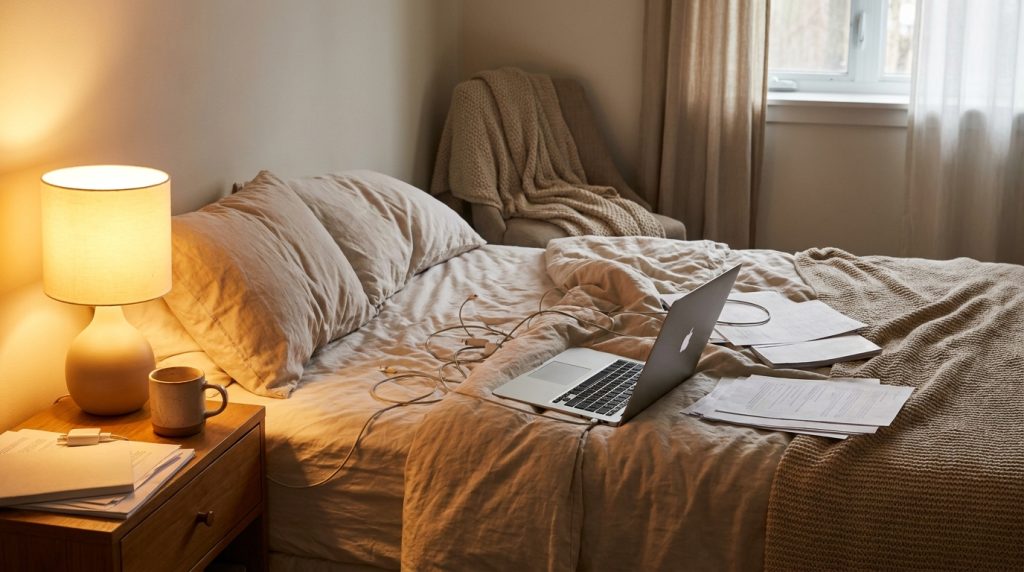
Sleep researchers call this stimulus control: the bed must be associated exclusively with sleep for the brain to initiate its shutdown sequence efficiently.
Working from your bedroom trains your nervous system to stay partly vigilant even when you’re trying to rest. The room becomes a hybrid signal your brain can’t decode.
12. You Keep the Overhead Lights On All Evening
Light intensity matters as much as color temperature.
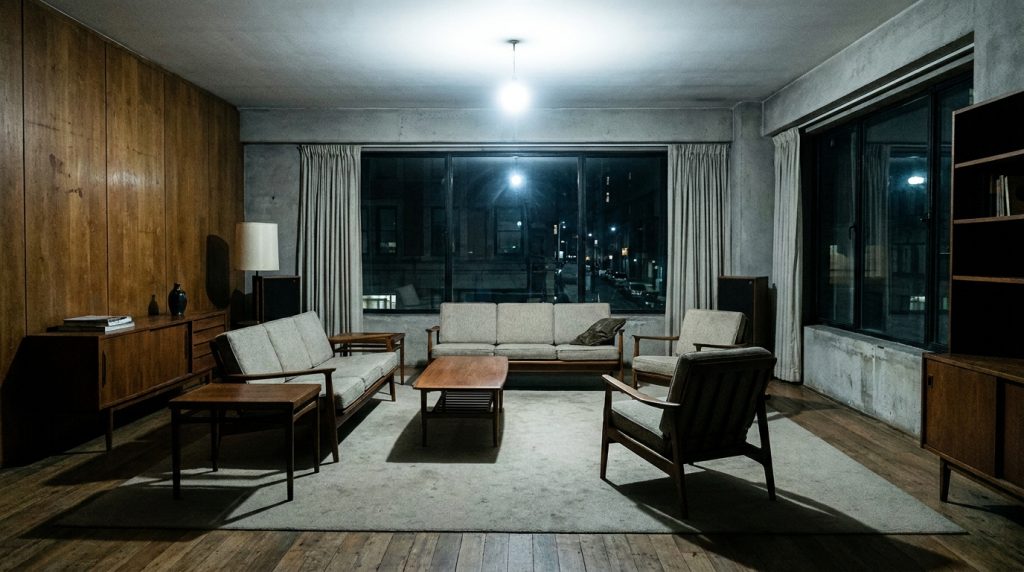
Standard overhead lighting delivers 300-500 lux directly into your eyes, while the circadian system starts responding to light as dim as 10 lux.
Every additional hour of bright artificial light after sunset was associated with significantly reduced sleep quality and worse next-morning alertness in a study published in Scientific Reports.
Your living room at full overhead brightness at 9 PM is telling your hypothalamus it’s still noon.
13. Your Entryway Is a Gauntlet
If the first thing you see when you walk through your front door is a wall of coats, shoes, and backpacks, your transition from the outside world to home never fully completes.
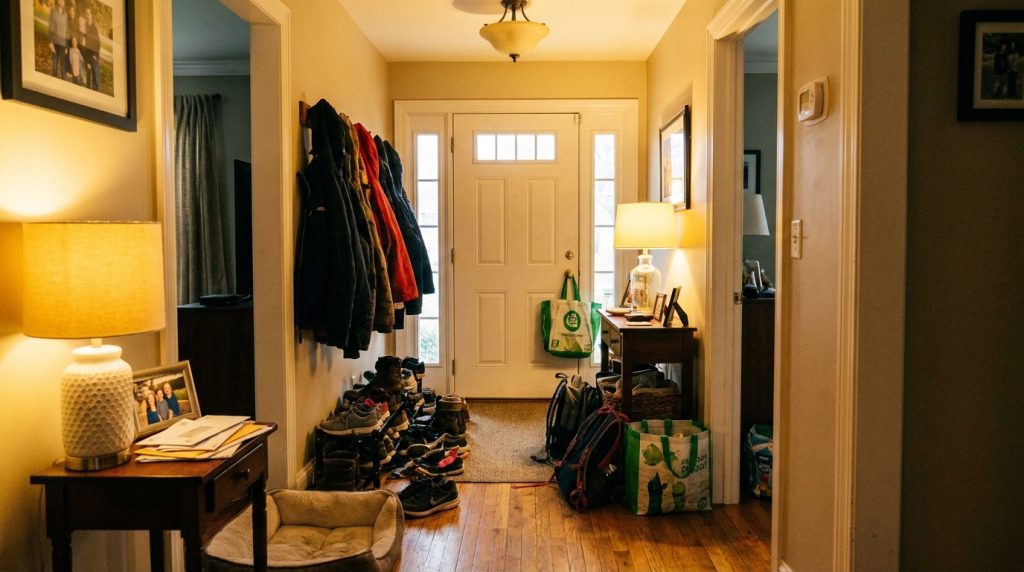
Environmental psychologists describe this as a failed “threshold experience” – the spatial cue that tells your nervous system to downshift.
A clean entryway with a clear sightline into the house gives your brain the visual permission to decompress. A cluttered one keeps the commute going for another twenty minutes, even though you’re technically home.
14. Your Furniture Is Blocking the Room’s Natural Path
This is the one that rewired how I think about living rooms.
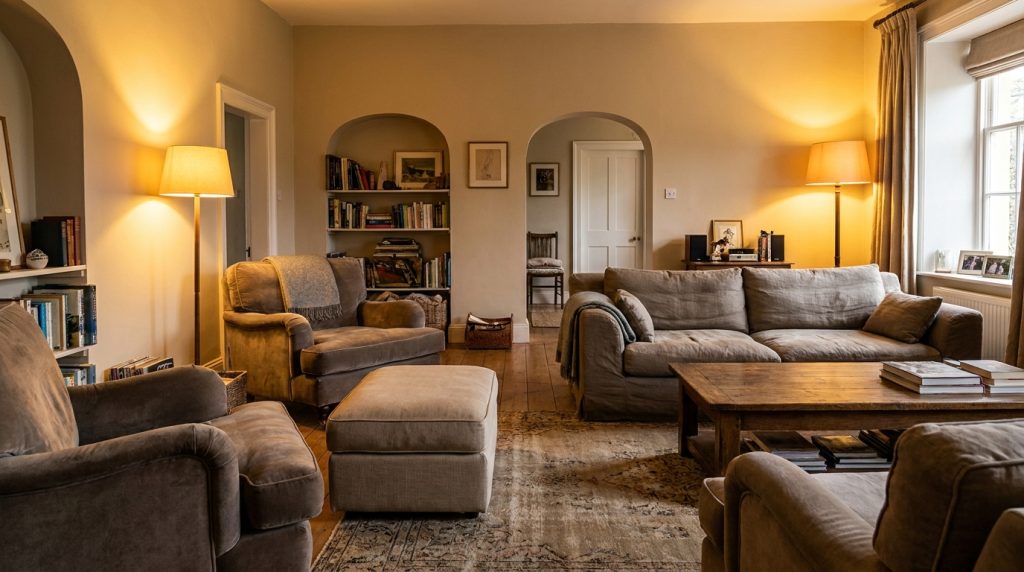
When chairs, tables, or ottomans force you to navigate around them instead of through the space naturally, your body processes each detour as a micro-obstacle.
Multiply that by every trip through the room, every day, for years, and you’ve been unconsciously tensing muscles and recalculating routes thousands of times.
Obstructed movement paths increase cognitive load and physical tension in ways occupants never consciously attribute to furniture placement.
15. You Never Open Your Windows
Even in homes with functioning HVAC, sealed windows mean zero air exchange with the outside.
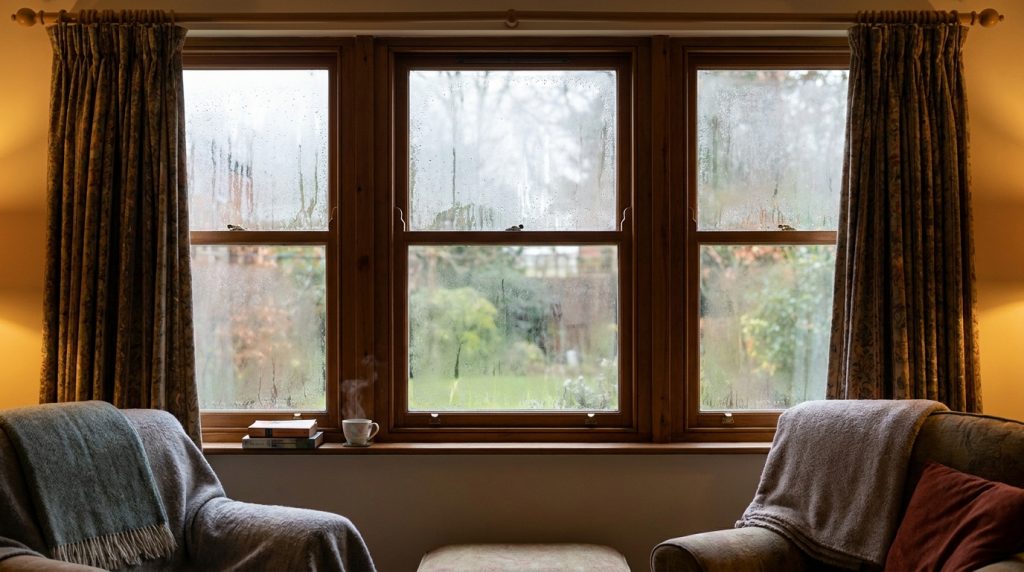
Indoor air can be 2-5 times more polluted than outdoor air according to EPA data.
YOU’LL ALSO LOVE25 ‘Common Sense’ Home Rules Everyone Followed in the 80s That Would Get You Laughed At Today
Stale, recirculated air contributes to a measurable decline in cognitive performance. Opening windows for even 15 minutes a day drops indoor CO2 levels dramatically and introduces negative ions that research has linked to improved mood and reduced fatigue.
But stale air isn’t the only invisible thing draining you.
16. Your Bathroom Has Fluorescent Lighting
Fluorescent tubes flicker at 120 Hz, which is fast enough that you don’t consciously see it but slow enough that your visual cortex tracks it.
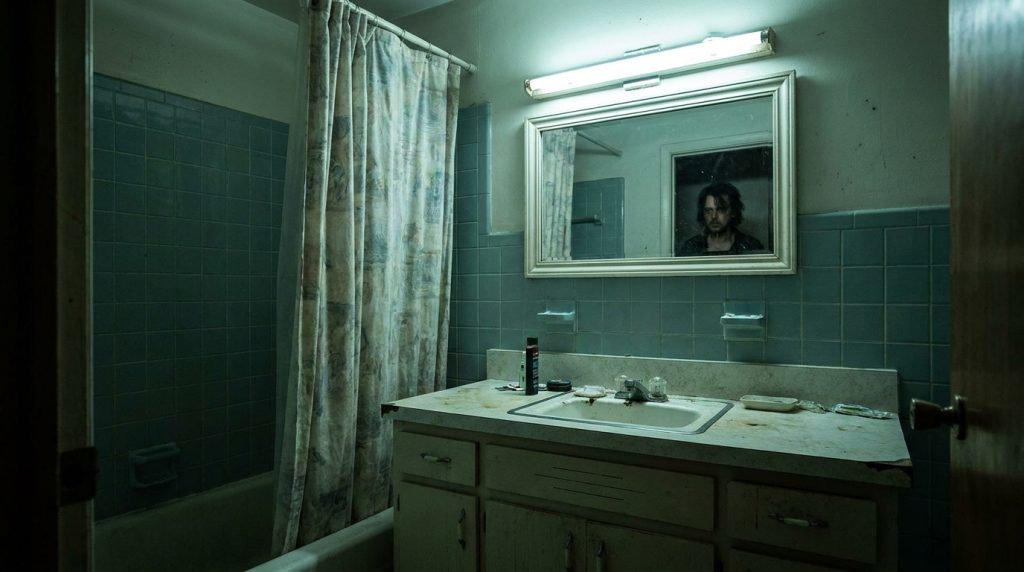
Fluorescent exposure increases headache frequency by 50% compared to LED or incandescent alternatives.
If your bathroom is where you start and end your day, you’re bookending every 24 hours with a light source that’s measurably irritating your nervous system.
Would you like to save this?
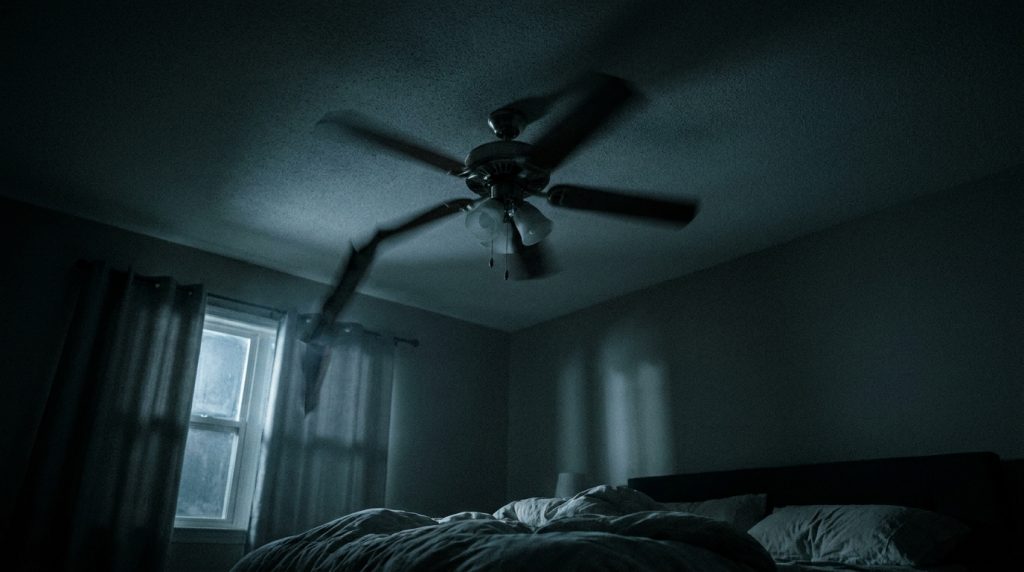
17. You Sleep Under a Ceiling Fan That Wobbles
Beyond the obvious noise issue, a wobbling fan creates an irregular visual and auditory rhythm that prevents your brain from entering deep sleep stages.
Consistent white noise can improve sleep quality, but irregular, unpredictable sounds – like the tick-tick-whoosh of an unbalanced fan – activate the brain’s threat-detection system and fragment REM cycles.
A $4 balancing kit fixes a problem that’s been stealing 15-20 minutes of deep sleep from you every night.
18. Your Couch Faces Away from the Door
Prospect and refuge again.
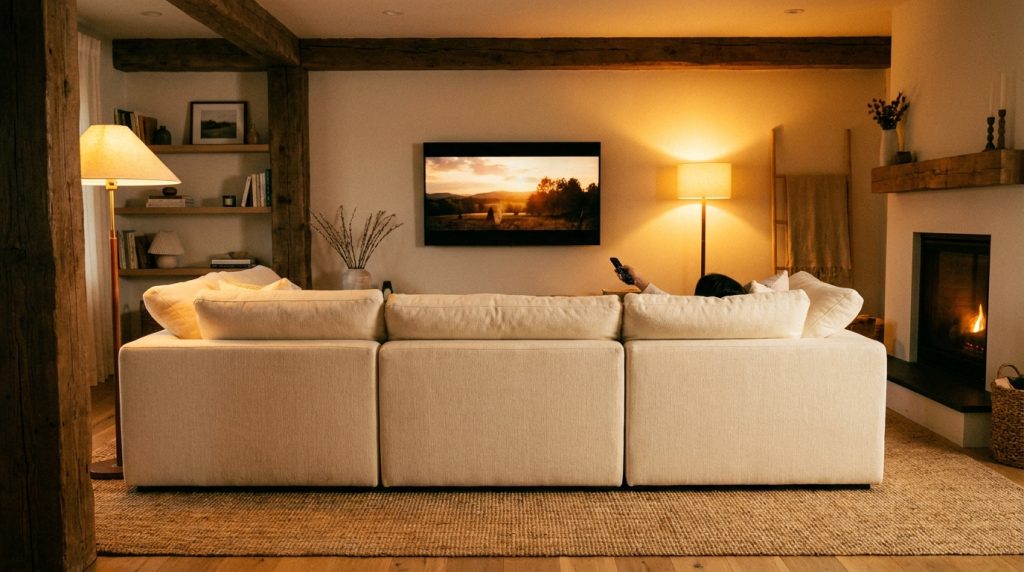
Sitting with your back to the room’s entrance keeps a part of your brain allocated to monitoring what you can’t see. You won’t notice it as anxiety. You’ll notice it as an inability to fully sink into a movie, a book, or a conversation.
The fix takes ten minutes and zero dollars, but most people never make the connection between their seating orientation and their inability to relax.
19. Every Surface Has Something on It
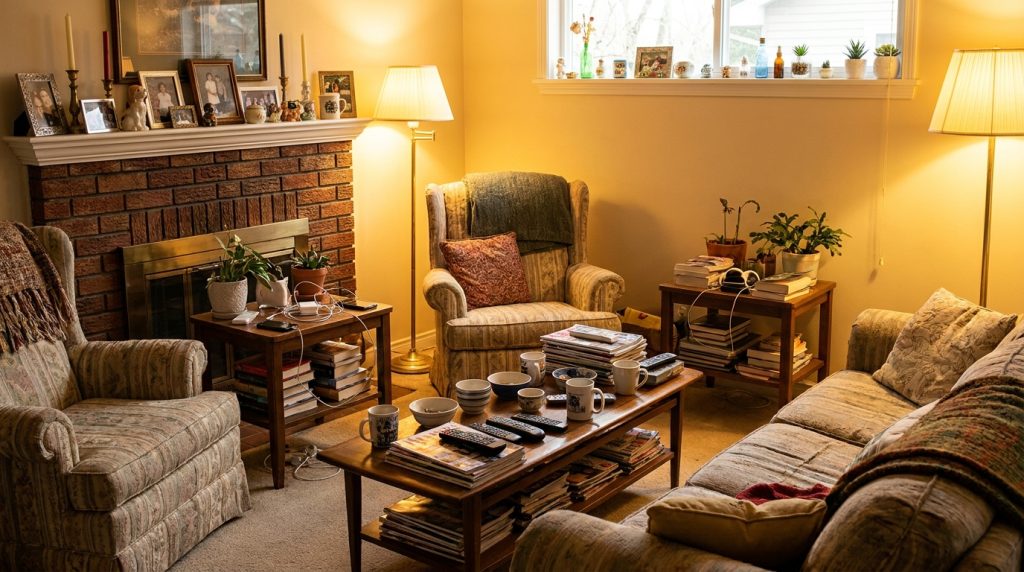
Decision fatigue research shows that every object in your visual field requires a micro-decision: keep, move, deal with later, or ignore.
The Zeigarnik Effect means incomplete tasks – like that pile of mail you haven’t opened – create mental background noise that prevents genuine relaxation.
Your brain can’t distinguish between “I’m choosing to ignore this” and “this still needs attention.” It keeps the file open, draining processing power you could be using to actually rest.
20. Your Bedroom is Too Warm
Sleep researchers consistently identify 65-68°F as the optimal range for sleep onset and maintenance.
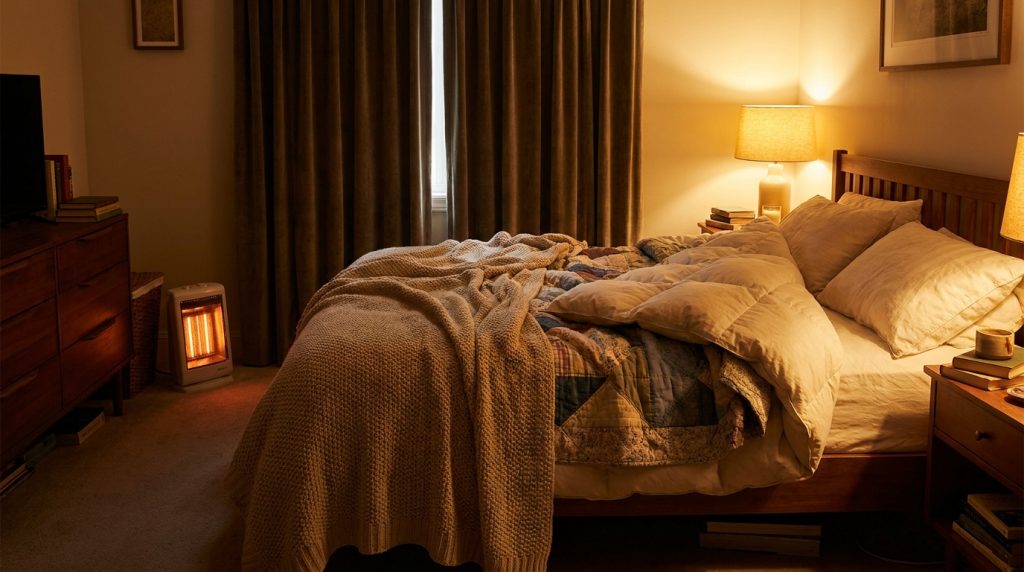
Every degree above that range delays sleep onset and reduces time spent in restorative slow-wave stages.
A bedroom at 74°F, which feels comfortable when you’re awake, is actually 6-9 degrees too warm for your sleeping brain. Your body needs to drop its core temperature by about 2°F to initiate sleep, and a warm room fights that process all night.
21. You Have No Dedicated “Do Nothing” Space
Every room in your house has a job: cooking, sleeping, working, eating, watching.

If there’s nowhere in your home where the expectation is literally nothing, your brain never gets the spatial cue to fully power down.
Spaces designed for passive rest – a reading nook, a window seat, a porch chair facing trees – trigger parasympathetic activation in ways that multi-use rooms cannot.
22. Your Laundry Lives in the Open
Visible unfinished tasks are Zeigarnik triggers.
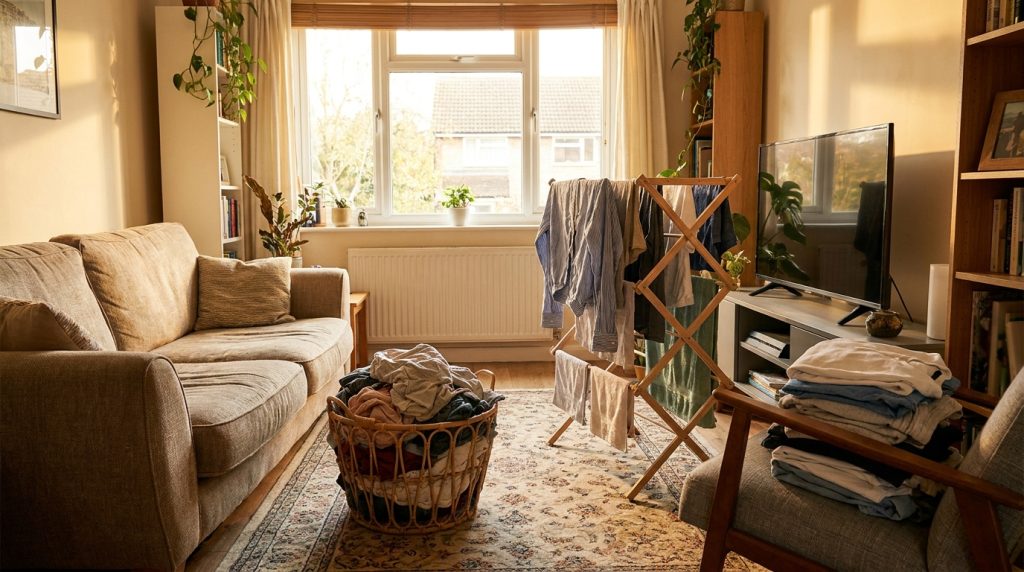
A laundry basket sitting in your living room, a drying rack in the bedroom, or a pile of clean clothes on a chair sends a constant “this isn’t done” signal to your brain.
You tune it out consciously. Your nervous system does not.
Unresolved visual cues create persistent background activation that mimics the neurological pattern of mild stress.
23. Your Home Has No Natural Materials
A home built entirely of synthetic surfaces – laminate, vinyl, polyester, melamine – reads to your senses as artificial in ways you feel but can’t name.
Natural materials like wood, stone, wool, and linen trigger measurably different neurological responses than their synthetic counterparts.
Touching real wood activates calming parasympathetic responses. Touching laminate that looks like wood does not.
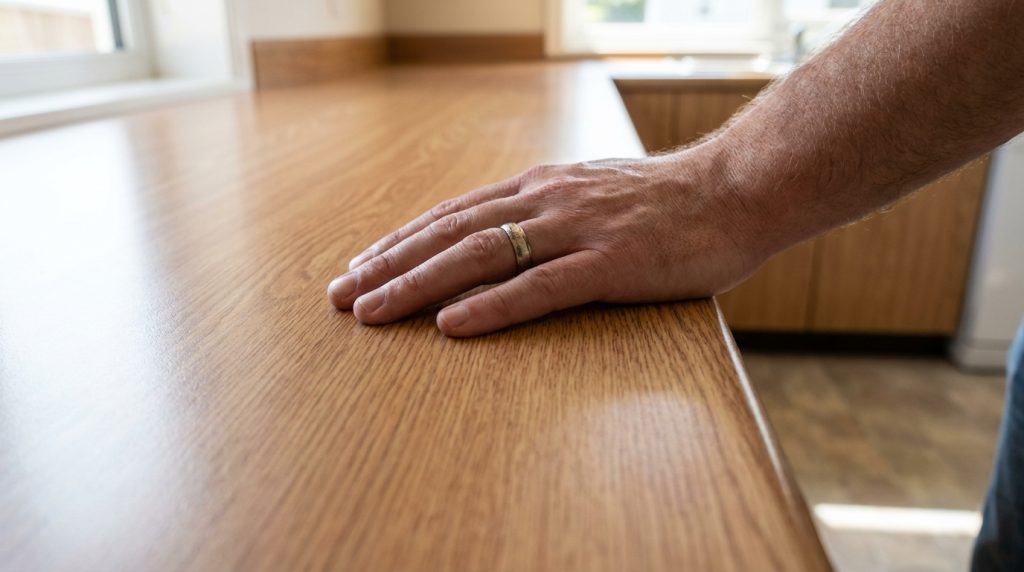
Your body knows the difference even when your eyes can’t tell.
24. You Can See Your To-Do List from Your Couch
If your relaxation space has line-of-sight to a home office, a messy kitchen, or a garage full of unfinished projects, your brain treats the view as a task prompt.
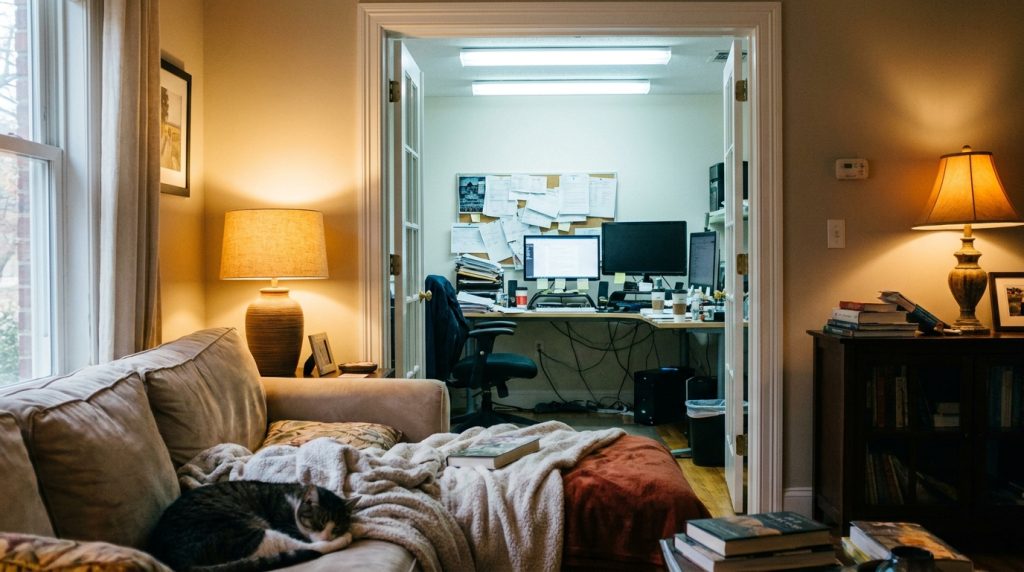
Visual exposure to incomplete work triggers the same cortisol response as thinking about the work directly.
The fix isn’t finishing every project. It’s breaking the sightline. A closed door, a room divider, or even rearranging the couch so it faces the window instead of the hallway can cut the stress signal without requiring you to do a single chore.
25. You’ve Never Thought About Any of This
That’s the last sign, and it’s the biggest one.
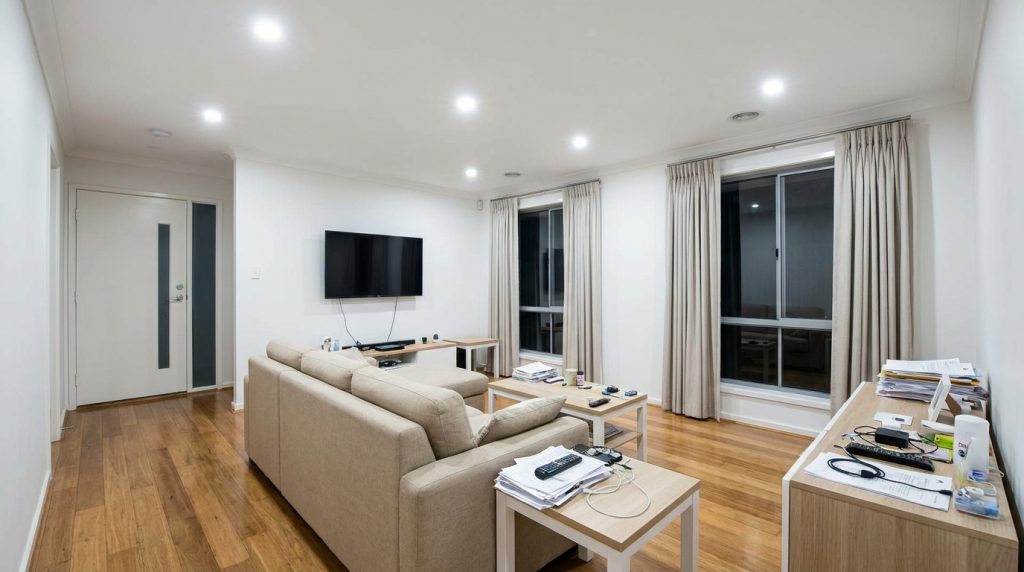
The house you live in has been shaping your energy, your mood, and your sleep quality every single day, and the entire time you’ve been blaming the mattress, the job, the kids, or your own discipline.
Environmental psychology has spent decades proving that the built environment is not a passive backdrop. It’s an active participant in your neurological life.
Your house isn’t just where you live. It’s how you feel, whether you notice or not.
How to Audit Your Own Home in 30 Minutes
Walk through every room with your phone’s voice recorder running. In each room, answer three questions out loud:
- What do I see first?
- What can I hear?
- What would I change if I had to live here for the first time tomorrow?
When you play it back, you’ll hear yourself describe problems you’ve been living with for so long they became invisible.
Pay Attention to Speed
Pay special attention to rooms where your answer to “what would I change” comes fast, because speed means you’ve been thinking about it subconsciously for a while.
Most people find 4-6 items on this list in their own house.
The average cost to fix them is under $200.
Which sign hit you the hardest? And how many did you count in your own house?