
Somewhere between 1995 and now, your house lost 27 things and you never noticed them leave.
Not one at a time, either.
They slipped out in clusters, silently, while you were upgrading to the next thing. The whole process took about twenty years, and by the end, entire rooms looked different without anyone making a conscious decision to change them.
Would you like to save this?
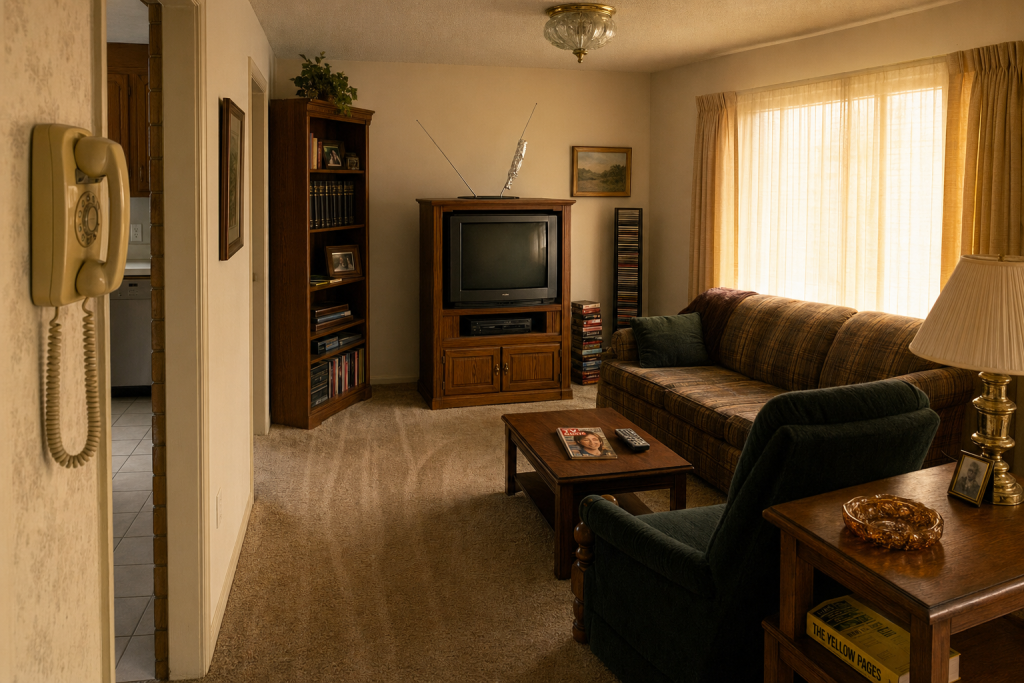
I grew up in a house that had every single item on this list, and it took a neighbor’s kid asking “what’s that?” while pointing at a wall phone to realize how much had already gone.
But the one at number 19 is the item that hits hardest, because you can still feel the exact spot where it used to sit.
1. Landline Phones Mounted to Kitchen Walls
78% of American households are now wireless-only.
That number was basically zero in 1998.
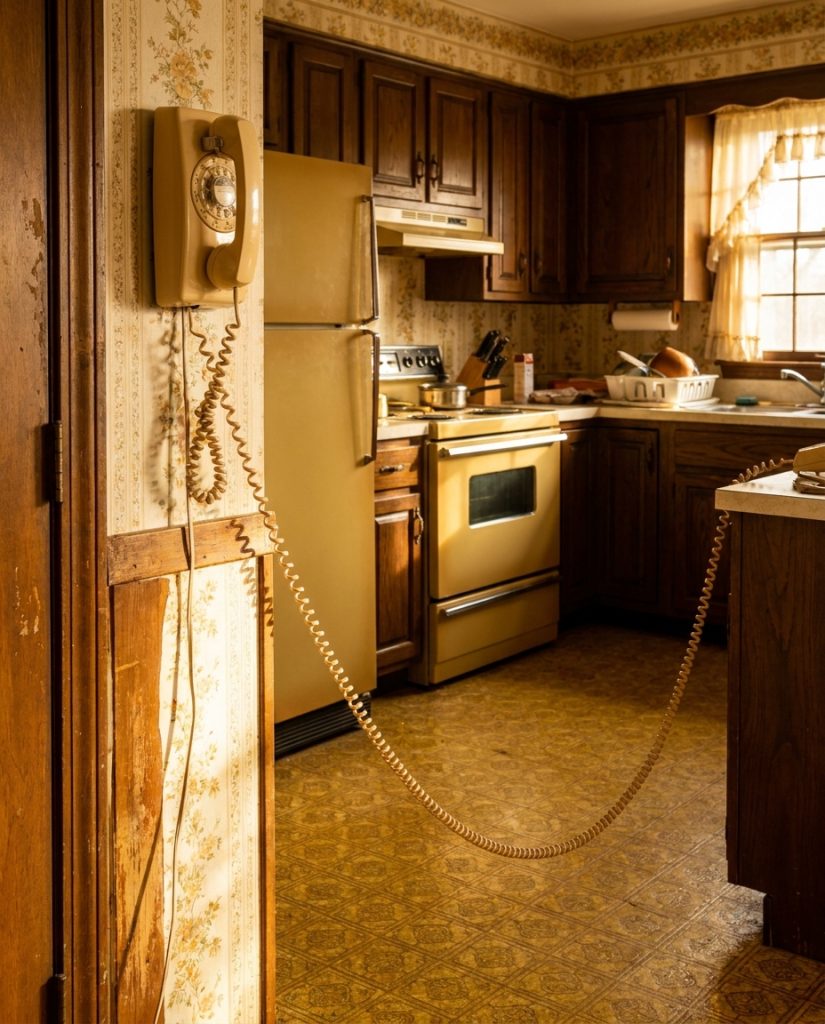
The wall phone wasn’t just a phone. It was the nerve center of the house, mounted at adult height so the kids couldn’t reach it, with a cord long enough to stretch around the corner for privacy that never actually worked because everyone could still hear you.
The cradle left a permanent scuff mark on the wall paint, and the coiled cord developed that one twist in the middle that no amount of dangling could fix.
Nobody uninstalled them. They just stopped ringing, and eventually someone painted over the phone jack.
2. Answering Machines With Blinking Red Lights
By the late 1990s, about half of American homes had one.
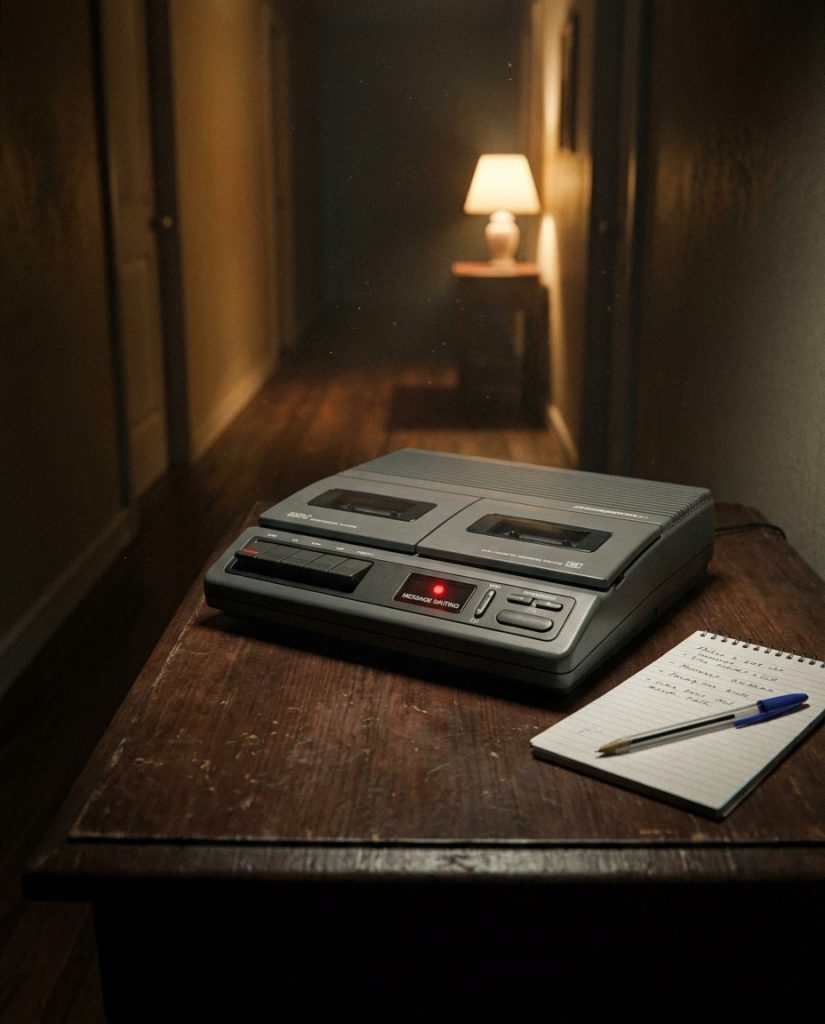
The outgoing message was always a family production, someone inevitably giggling in the background while Dad tried to sound professional. The machine itself sat on the hallway table or kitchen counter, and the first thing you did when you walked through the door was check the blinking red light.
YOU’LL ALSO LOVE25 Things About Your Home That Visitors Notice in the First 10 Seconds (But Never Tell You)
Two blinks meant two messages. No blinks meant nobody called, which somehow felt personal.
Voicemail killed it quietly, and by 2005 most of them were in a drawer, still holding a tiny cassette tape nobody would ever play again.
3. Phone Books Delivered to Every Front Door
In the 1990s, every household received at least two of these a year, sometimes three from competing publishers.
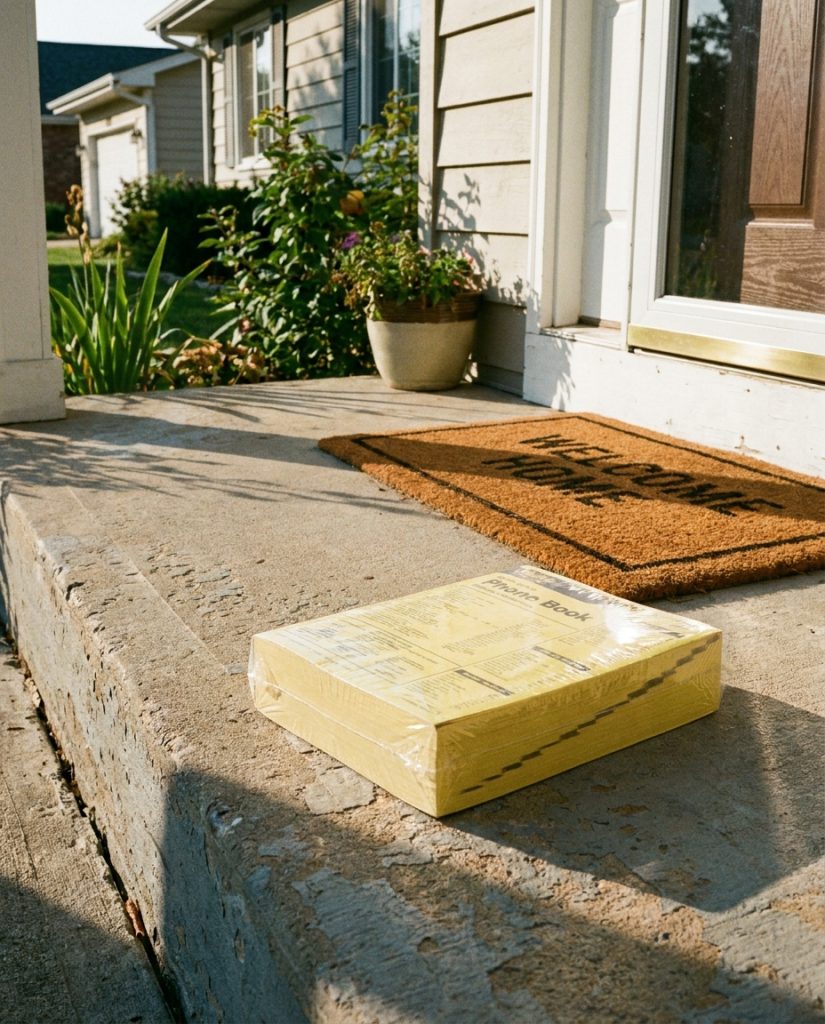
The Yellow Pages alone had a 60,000-person sales force at its peak.
By 2010, major U.S. publishers started cutting doorstep delivery. By 2017, universal home delivery had largely ceased. The last UK edition was posted in January 2019.
For years before they stopped coming, phone books had been doing double duty as booster seats, monitor stands, and doorstops, which was more use than they ever got as actual phone directories.
4. Encyclopedia Sets Filling an Entire Shelf
World Book’s sales force peaked at 60,000 representatives in 1978, with 90% of all encyclopedia sales happening door-to-door.
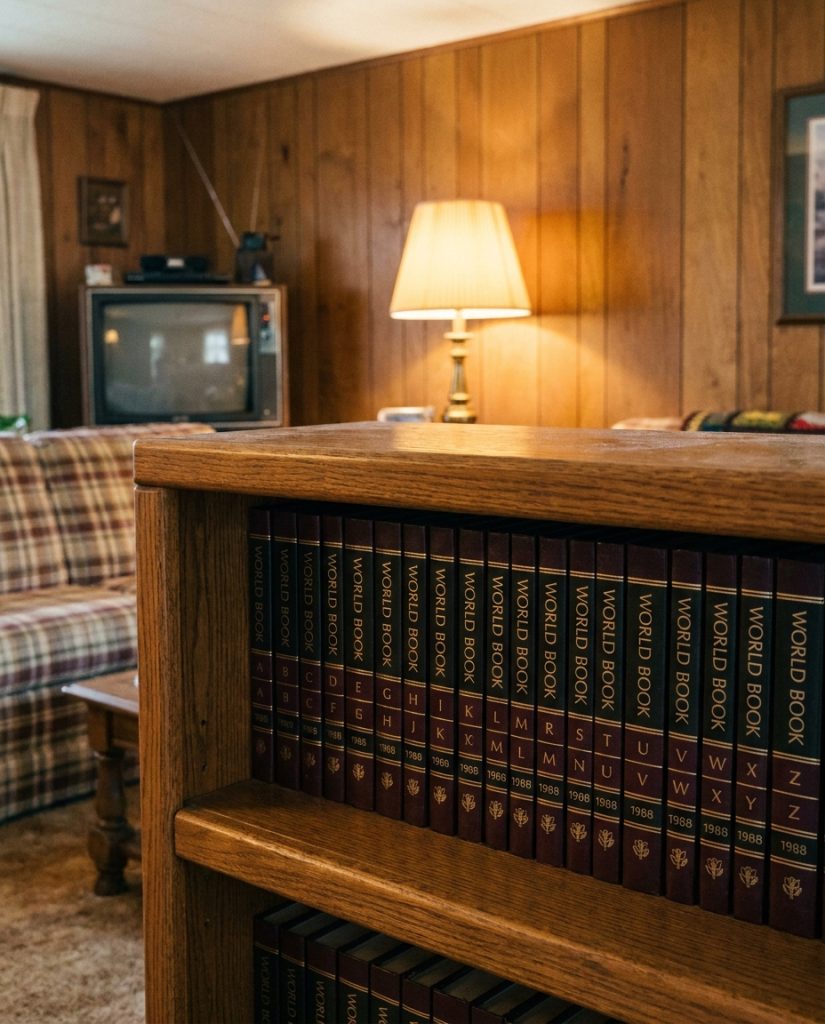
A full set could cost a family $1,000 or more, often purchased on a payment plan.
The last print edition of Encyclopaedia Britannica was published in 2010. Today those same sets sell for a few dollars at estate sales, if they sell at all.
The strange part isn’t that they became obsolete. It’s that every kid in the house knew exactly which volume was the heaviest, and it was always the S.
5. TV Guide on the Coffee Table
TV Guide hit nearly 20 million in weekly circulation by 1970.
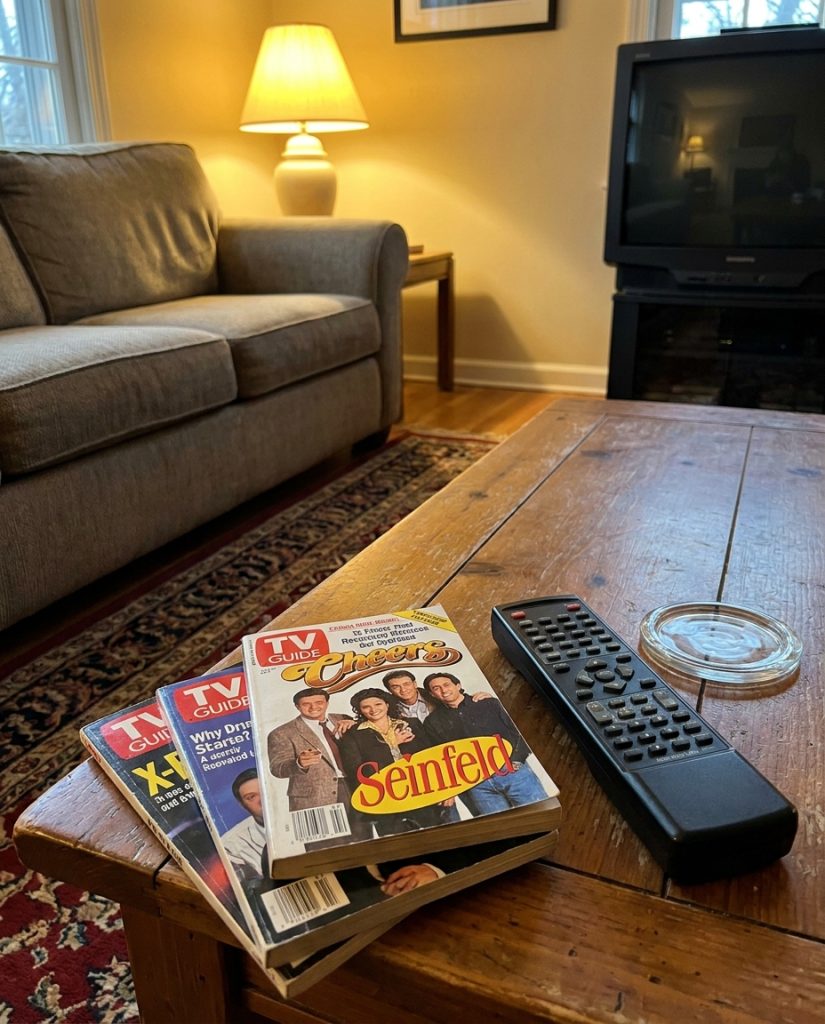
Twenty million. That made it one of the most widely read publications in the country for decades.
By 2007, circulation had collapsed to under three million. By 2017, it was 1.3 million.
On-screen program guides and the internet didn’t just compete with it, they made the entire concept of a printed TV schedule feel like a relic. But for years, the rhythm was the same: the new issue arrived, someone circled the shows they wanted to watch, and the magazine slowly migrated from the coffee table to the bathroom to the recycling pile.
6. VCRs and the VHS Tape Collection
The last manufacturer of VCRs, Funai Electric, stopped production in July 2016. The last shipment of blank VHS tapes left a warehouse in Palm Harbor, Florida in December 2008.
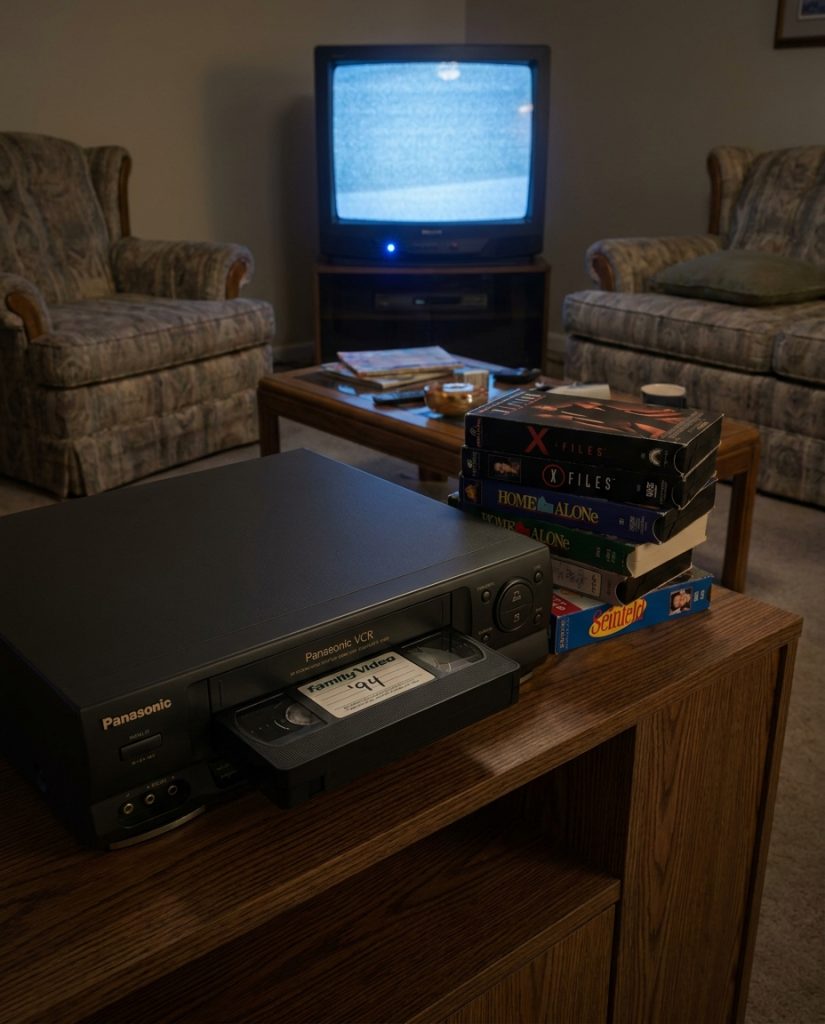
That means for the final eight years that VCRs were sold, you couldn’t even buy new tapes for them.
At their peak, the VCR was in 90% of American homes and a trip to Blockbuster was a Friday night ritual. The most personal thing in any VHS collection was never a movie. It was the unlabeled tape that might hold a birthday party, a school recital, or four hours of a soap opera someone forgot to stop recording.
But the thing that replaced Blockbuster runs wasn’t just streaming. It was something quieter than that.
7. Blockbuster Membership Cards
9,000 locations in 2004. Bankruptcy in 2010. One store left today, in Bend, Oregon, operating as a tourist attraction.
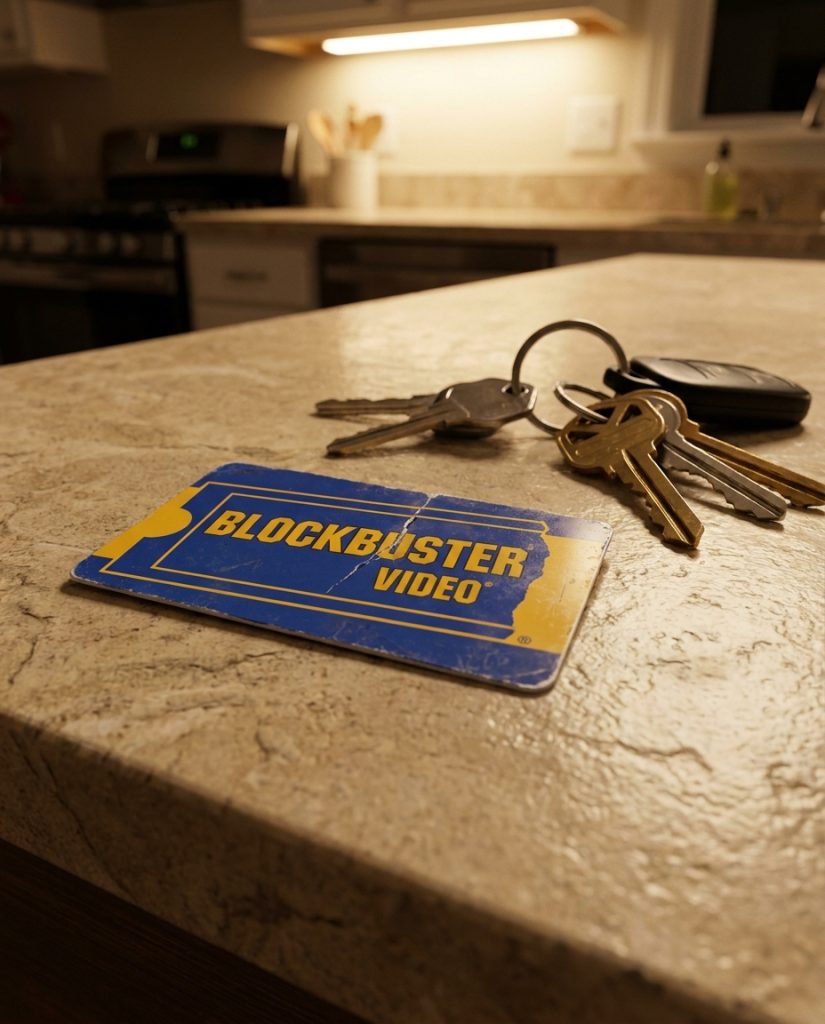
The speed of that collapse is hard to overstate.
YOU’LL ALSO LOVE30 Things in the 1970s Living Room That Would Confuse Anyone Under 30
Friday night at Blockbuster was a household event with its own choreography: the drive there, the slow walk down the New Releases wall, the argument about what to rent, and the silent calculation of whether the movie was worth rewinding by Sunday.
Nobody mourned the late fees. But the ritual of choosing something as a family, in person, with stakes, that’s the part people actually miss.
8. Wall-to-Wall Carpet in Every Room
Carpet’s share of the U.S. flooring market dropped from 66.9% in 2007 to 44.9% by 2022.
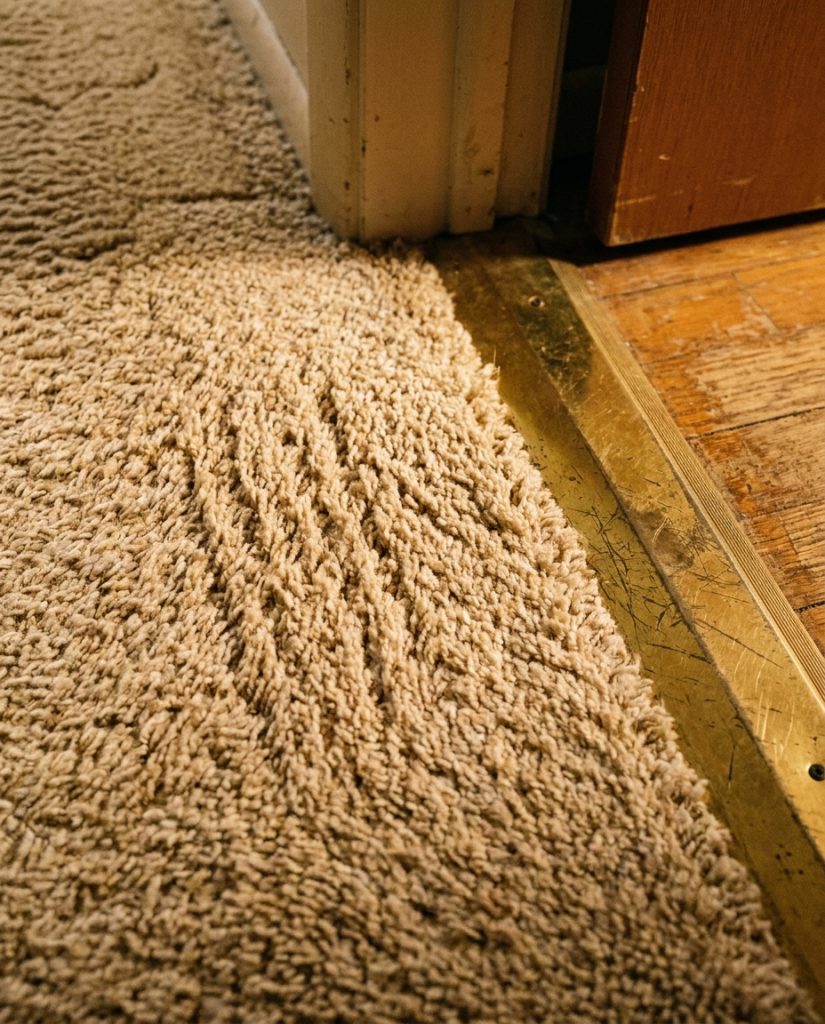
Volume fell from 15.2 billion square feet to 8.76 billion.
The shift wasn’t sudden. It was room by room, starting with kitchens and bathrooms, then creeping into living rooms and bedrooms as hardwood and luxury vinyl plank took over.
The allergen conversation helped push it along, but the real killer was aesthetics. Carpet started looking like the before photo in every renovation show, and once that association landed, it stuck.
9. Formal Dining Rooms With Good China
Only 20% of new home floor plans now include a formal dining room.
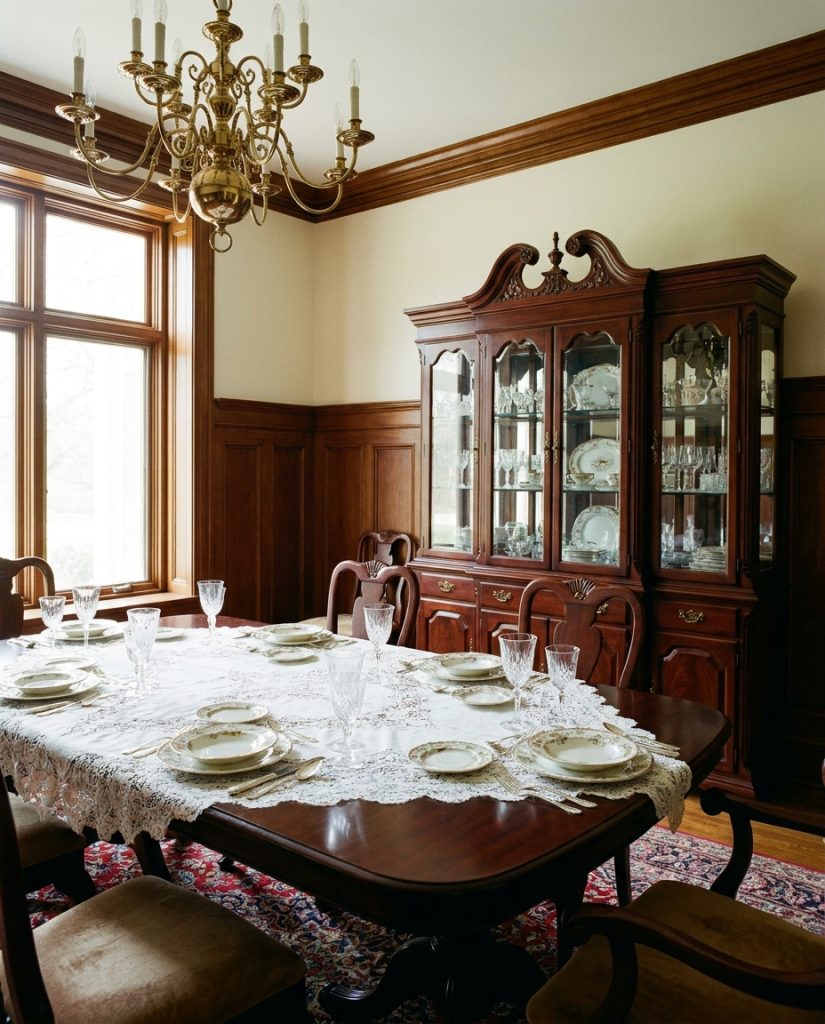
Nearly 80% of designers working on new communities say the room has become “significantly less important” in the past year alone. The kitchen island ate the dining room’s job and didn’t even apologize.
37.9 million Americans were living alone by 2022, up 15% from 2012.
That means the audience for a room designed around hosting six to eight people has been shrinking for decades. The china cabinet is technically making a comeback, but as a display piece for books and plants, not for the wedding china nobody uses.
Take a guess: which item on this list was in 22% of American homes at its peak? The answer is coming up, and it’s not what you’d expect.
10. Waterbeds
In 1987, 22% of all mattresses sold in the United States were waterbeds.
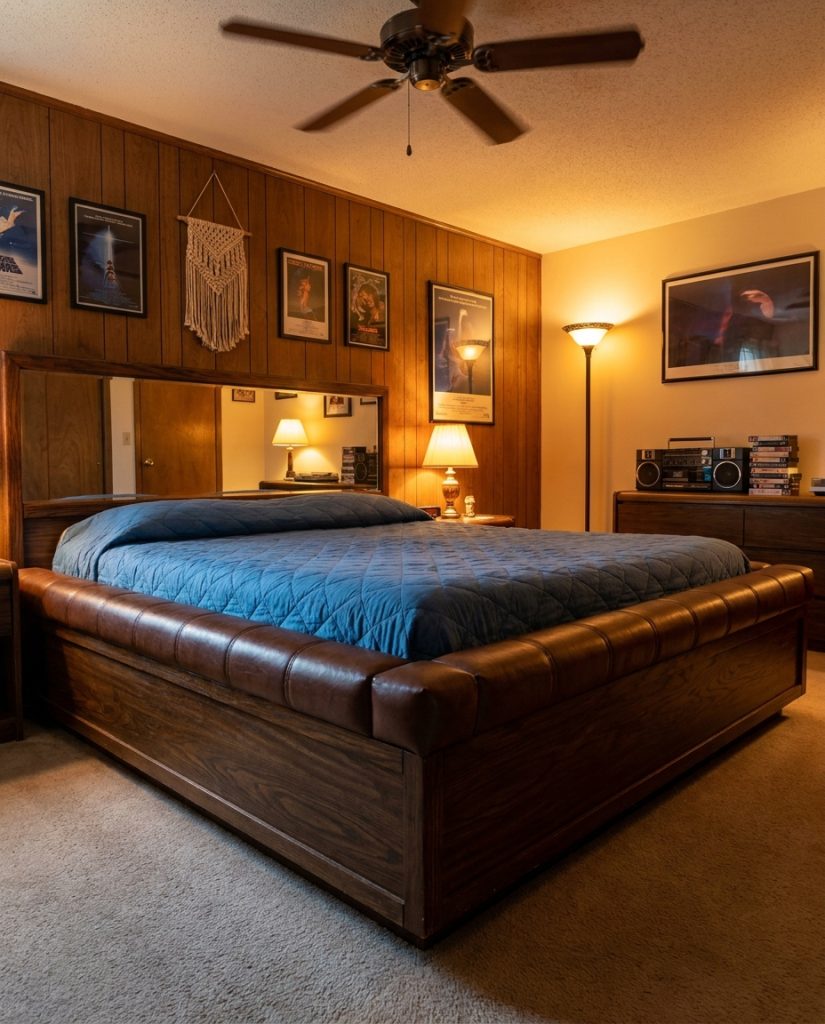
By 2013, they held less than 5% of the market. The waterbed was a $2 billion industry in 1984 and a curiosity by 2000.
Memory foam killed it. Tempur-Pedic launched in 1991 and offered the same pressure-point relief without the 200 gallons of water, the special sheets, the heater that ran all winter, or the low-grade anxiety that one wrong move could flood your bedroom.
The waterbed didn’t just fall out of fashion. It was replaced by something that did the same job without the risk of waking up in a puddle.
11. Ashtrays in Every Room
In 1964, 40% of American adults smoked.
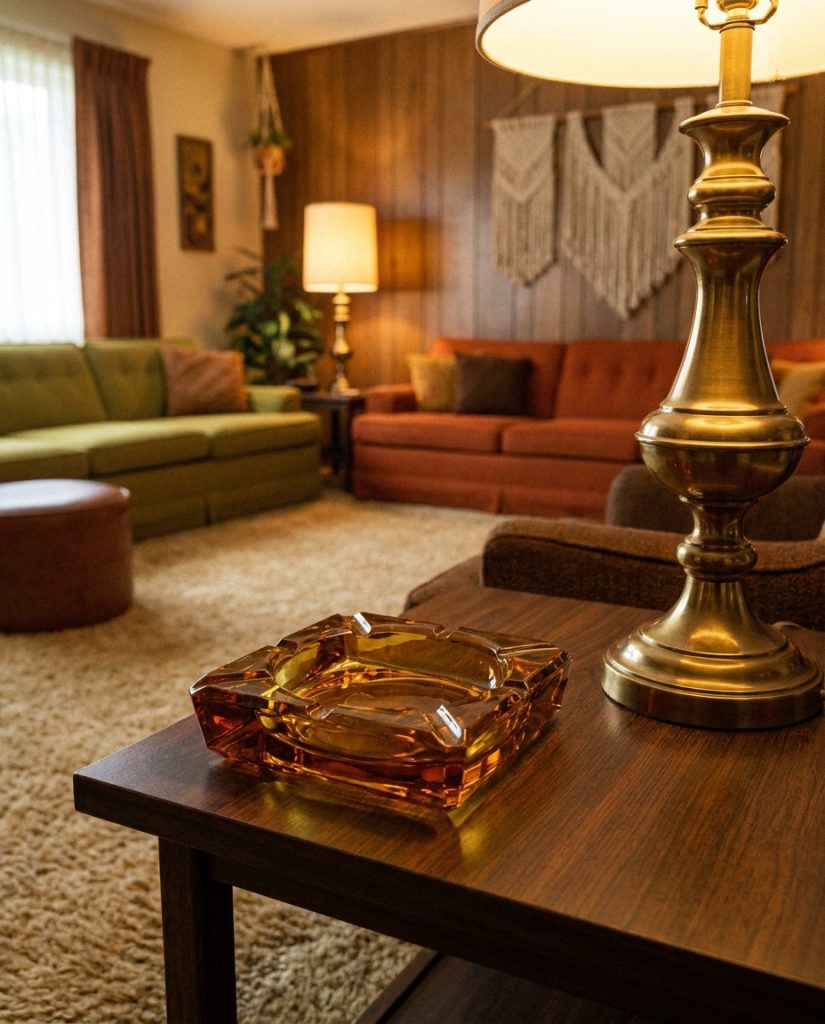
That number has been halved.
The ashtray was standard-issue household furniture through the 1980s, present in living rooms, bedrooms, bathrooms, and on back porches. They came in crystal, ceramic, brass, and novelty shapes. Hotels had them on every surface. Cars had them built into the armrest.
The clean indoor air movement that started in Minnesota in 1975 pushed smoking out of public spaces first, then slowly out of private ones. The ashtray didn’t disappear because smokers did. It disappeared because smoking moved to the back porch, then to the sidewalk, then to nowhere near the house at all.
YOU’LL ALSO LOVE11 Neighborhood Rules Every Kid Knew in the ’80s That No Parent Would Allow Today
12. Rolodexes on the Kitchen Counter
Invented in 1956, the Rolodex was a fixture on desks and kitchen counters through the 1990s.
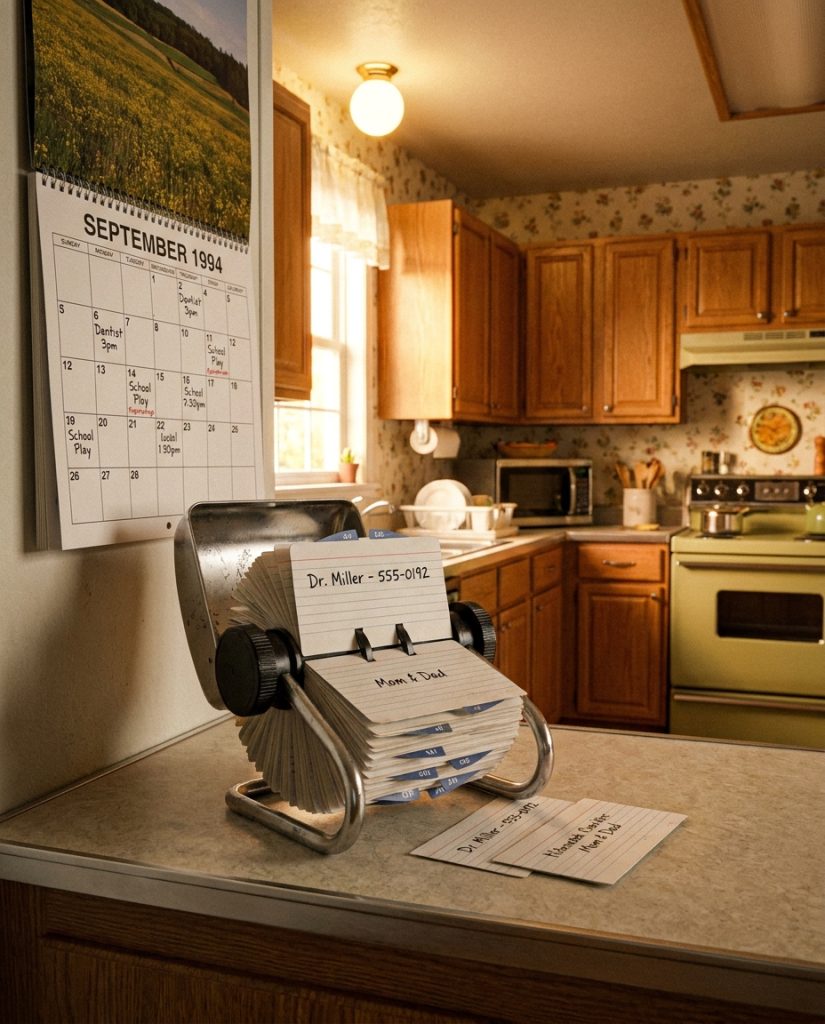
In corporate settings, a person’s Rolodex was considered so valuable that companies filed lawsuits against employees who tried to take theirs when they left.
The smartphone didn’t just replace the Rolodex. It absorbed it so completely that the word itself changed meaning. “Rolodex” became slang for your contact network, even though most people under 30 have never touched the spinning metal file the word refers to.
13. CD Towers and DVD Shelves
DVD and Blu-ray sales in the U.S. dropped 23.4% year-over-year in 2024, falling below $1 billion.
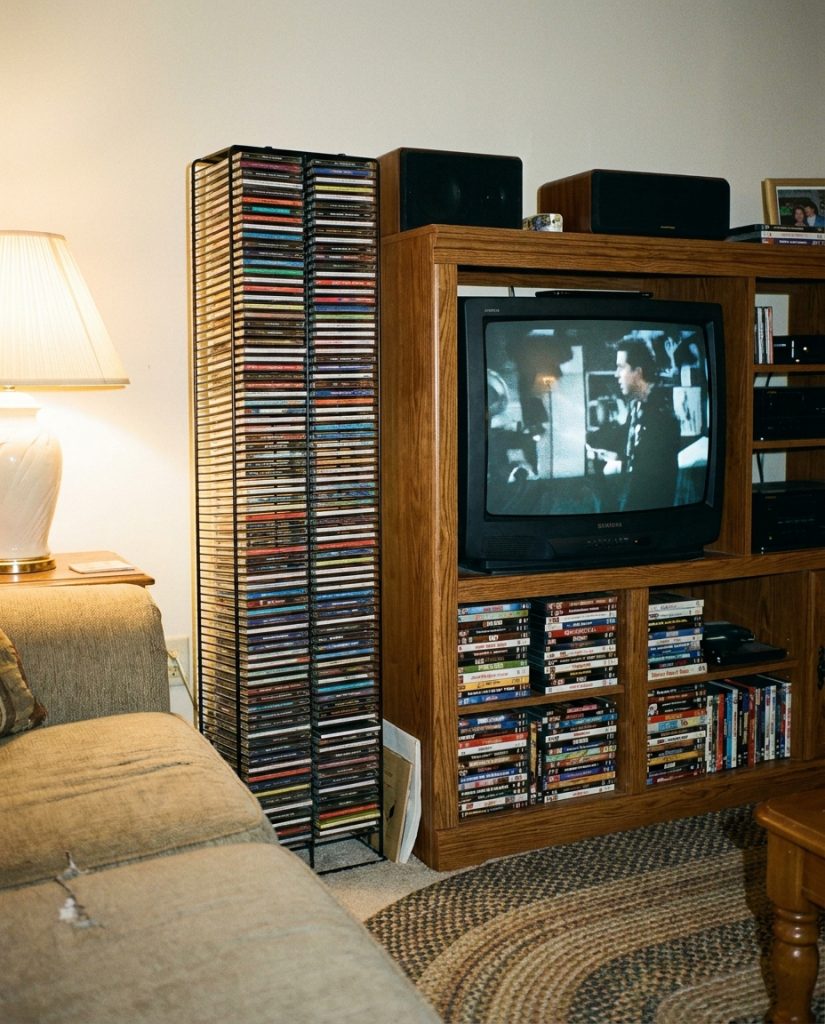
Best Buy stopped selling physical discs entirely.
A household music and movie collection used to take up an entire wall. The CD tower stood in the corner like a totem pole of personal taste, and having someone browse your collection felt oddly intimate, like they were reading your diary one album at a time.
Streaming didn’t just replace the discs. It erased the physical evidence that your taste existed at all.
14. Newspaper Delivered to the Driveway
U.S. newspaper circulation has dropped from over 115 million in 2005 to around 40 million today.
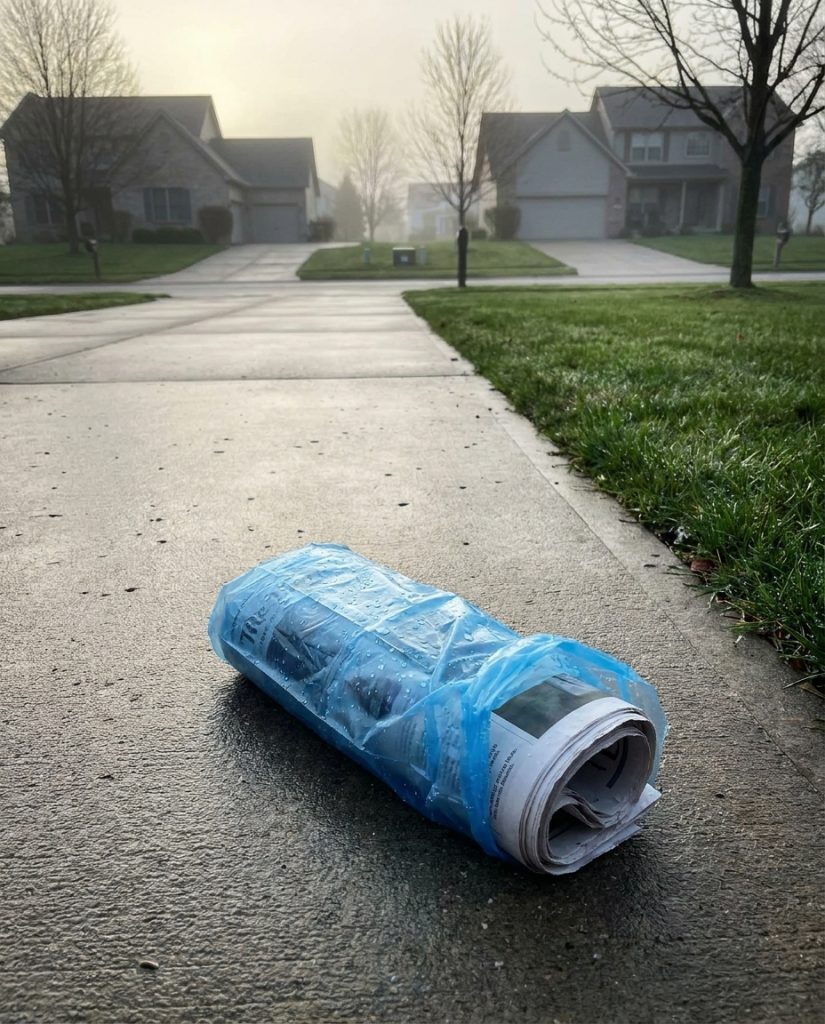
Forty of the 100 largest daily newspapers now deliver print editions six or fewer times a week.
The morning paper wasn’t just news. It was a household rhythm. Dad reading sports at the kitchen table. The comics section passing through three sets of hands. The coupons getting clipped on Sunday.
The paper itself left ink on your fingers, which is a sensory detail that sounds made up to anyone who grew up reading news on a screen.
15. Corded Vacuum Cleaners With Bags
The bagless revolution started in the late 1990s and finished the job by the 2010s. Cordless stick vacuums outsell traditional uprights in most markets now.
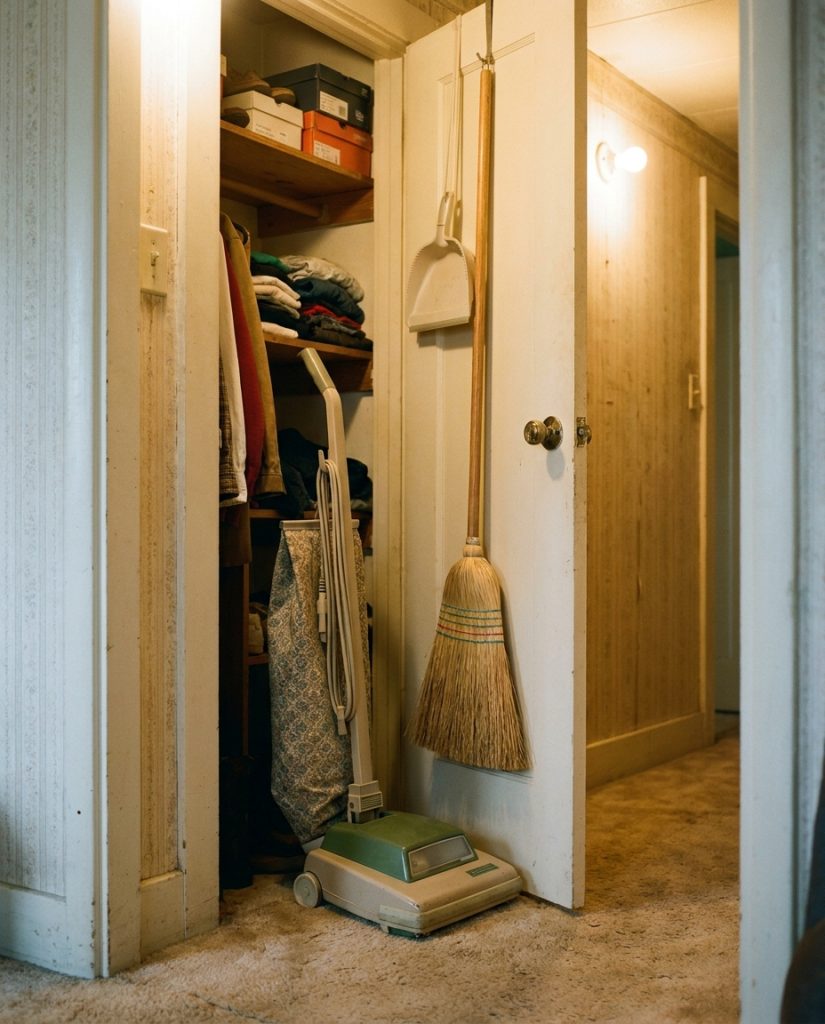
But the corded vacuum had a presence in the house that its replacements don’t.
The cord itself was a wrestling match. You’d plug it in, vacuum one room, unplug, re-plug in the hallway, and repeat until the whole house was done.
The bag, when full, weighed about as much as a small dog, and opening the compartment released a cloud of fine dust and old carpet smell that coated the inside of your nose for an hour.
16. Printed Photo Albums and Shoeboxes of Photos
Americans take an estimated 1.8 trillion photos per year now.
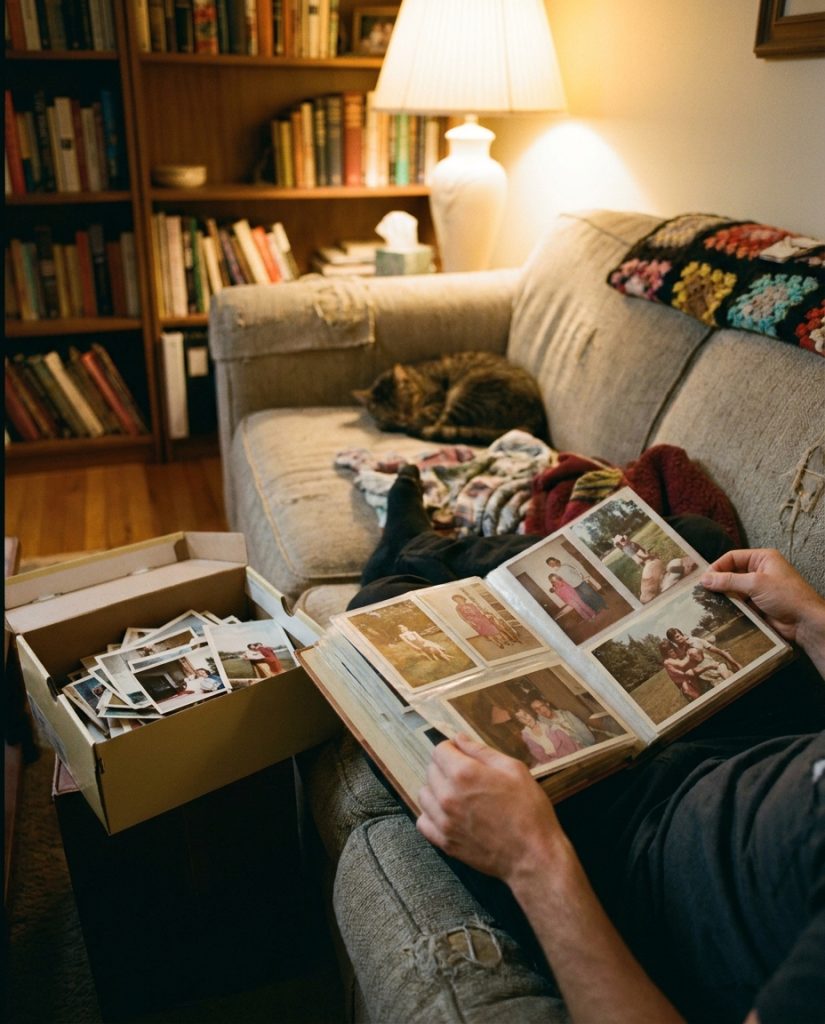
Almost none of them get printed.
The photo album was a furniture-grade object, heavy enough to double as a weapon, filled with photos that someone carefully arranged in chronological order under sticky clear sheets that yellowed over time.
The shoebox was the album’s chaotic sibling, an unorganized pile of 4×6 prints that you’d pull out at holidays and pass around the table.
YOU’LL ALSO LOVE25 ‘Common Sense’ Home Rules Everyone Followed in the 80s That Would Get You Laughed At Today
Both objects did something a phone camera roll doesn’t: they forced you to sit with someone else and look at the same image at the same time.
17. TV Antennas and Rabbit Ears
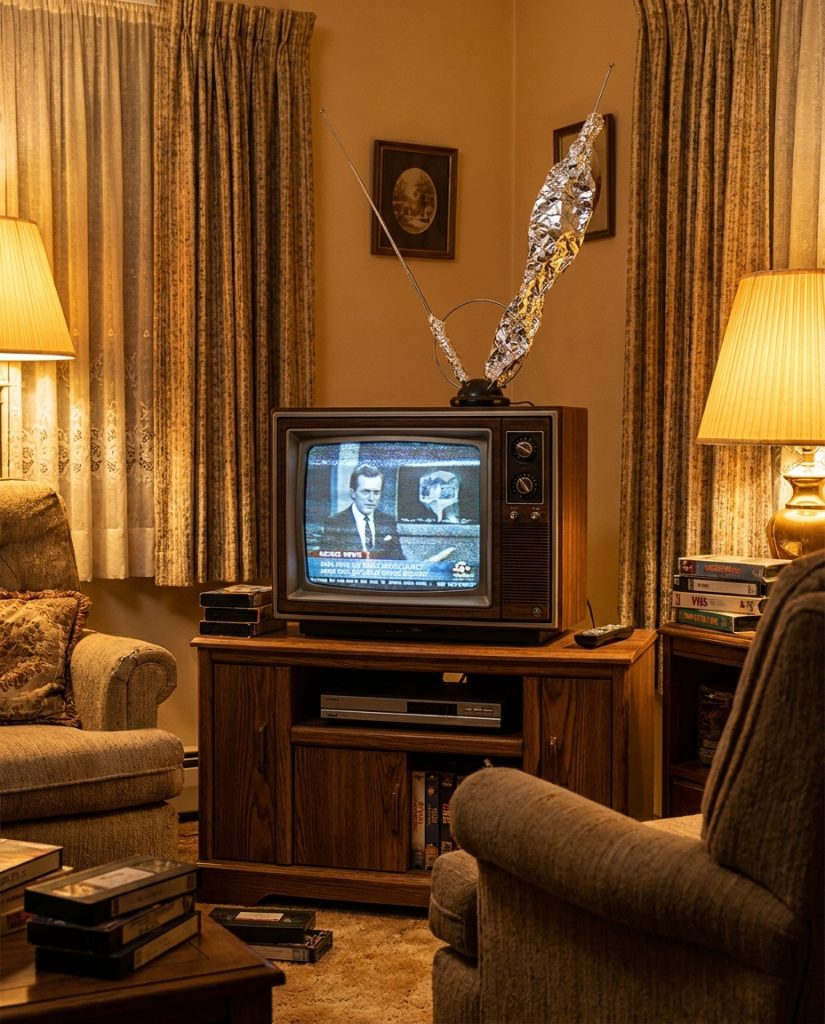
The analog TV signal was officially shut off in June 2009 when the U.S. completed its transition to digital broadcasting. Rabbit ears vanished almost overnight after that, though they’d been losing ground to cable for two decades already.
The aluminum foil trick was universal.
Every household had its own antenna folklore: which direction to point them, how high to extend them, whether standing on one foot near the TV actually improved reception. It didn’t. But it felt like it did, and that was enough.
18. Rotary Phones
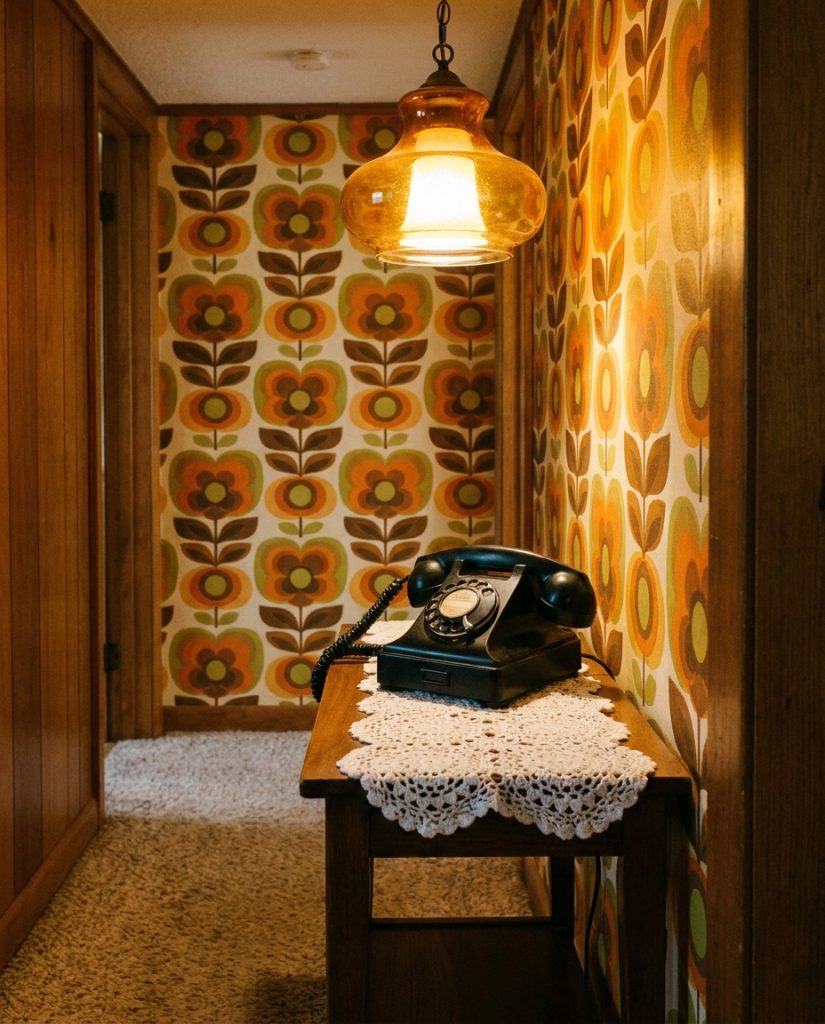
Touch-tone phones started replacing rotary dials in the 1960s, but rotary phones hung around in American homes well into the early 1990s. They weighed enough to anchor a table.
Would you like to save this?
The dial returned to its starting position with a mechanical purr that younger generations have never heard.
The most surprising thing about using one wasn’t the slowness. It was the physicality. Dialing a phone number was a full-hand operation, and wrong numbers happened constantly because your finger slipped out of the seven hole into the six.
19. Every Kitchen’s Junk Drawer
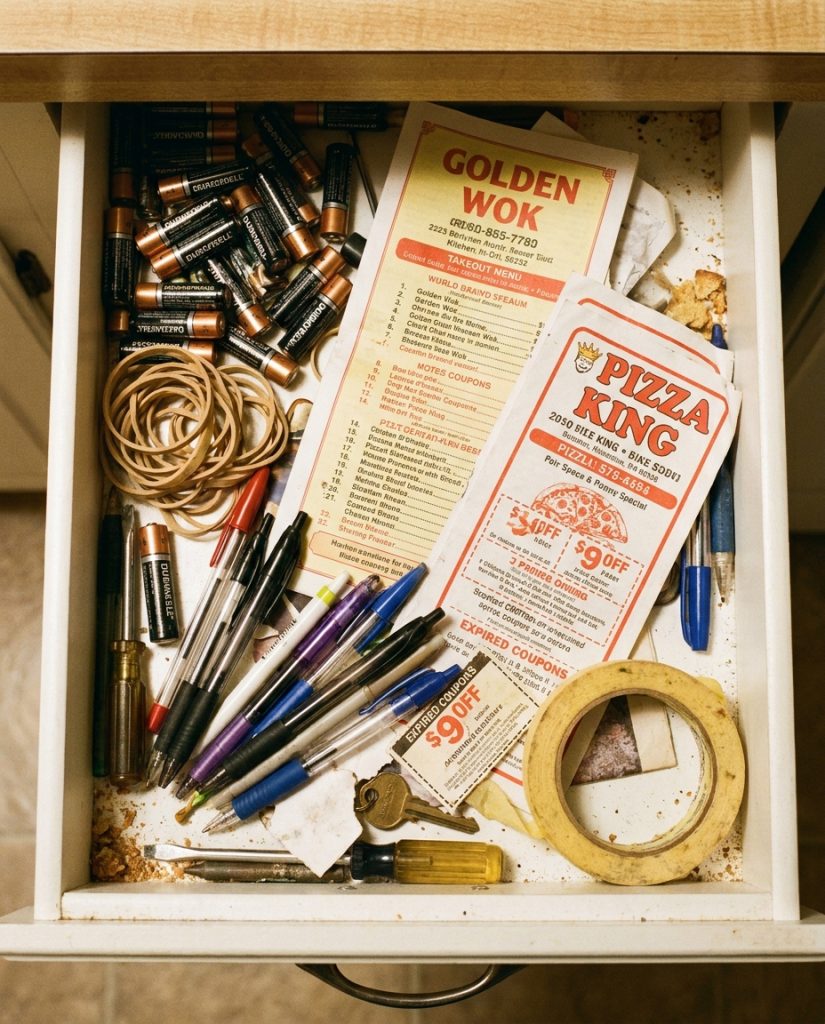
This one isn’t fully gone, but it’s changing.
The junk drawer used to hold physical things that each served a purpose:
- Takeout menus: now on apps
- Phone books: now Google
- Maps: now GPS
- Warranty cards: now emails
- Instruction manuals: now PDFs
- Coupons: now digital
- Batteries for the remote: now rechargeable
The drawer itself is still there in most kitchens. But its contents have been hollowed out item by item as each analog convenience went digital.
What’s left is usually three pens that don’t work, a key that fits nothing, and the vague guilt of not cleaning it out.
This is the one that gets people. Not because the drawer mattered, but because it was the physical proof that your household ran on small, tangible systems that didn’t need a password.
20. Fax Machines in the Home Office
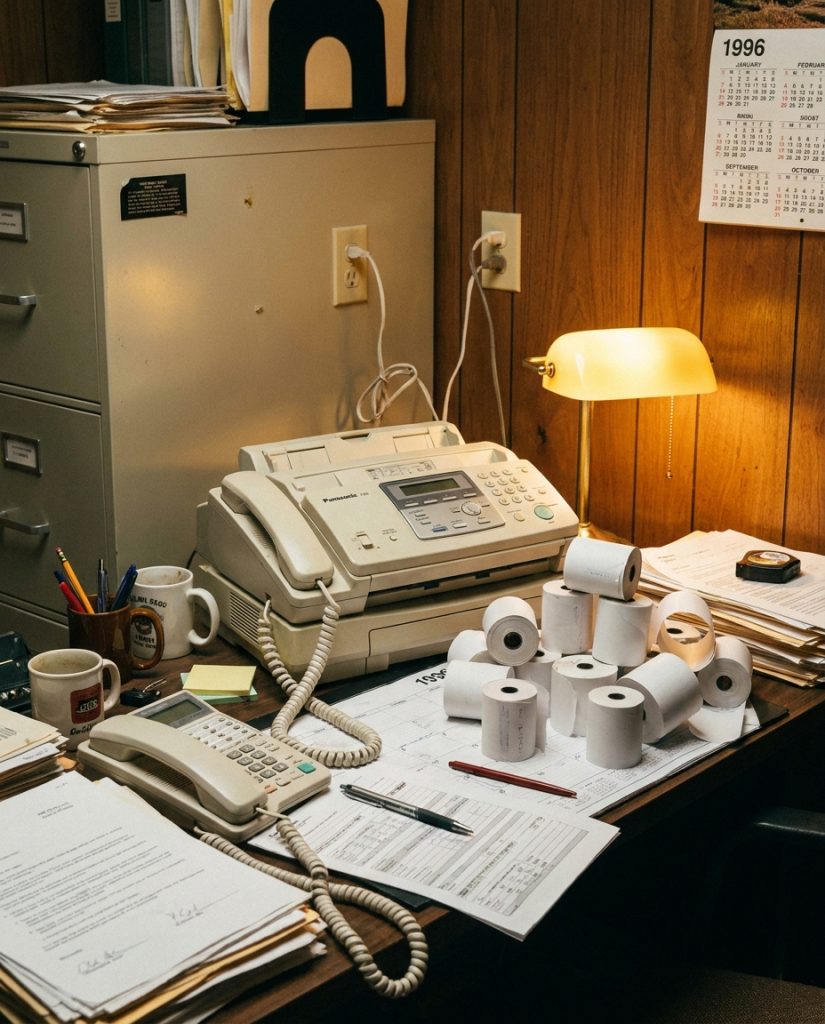
The home fax machine peaked in the mid-1990s when small businesses and remote workers treated them as essential.
The thermal paper faded if you left it in sunlight, which meant important faxes could become blank within weeks.
Email didn’t just replace the fax. It made the entire concept of feeding a piece of paper into a phone line seem absurd.
Some medical offices and government agencies still use fax machines in 2026, which is somehow both surprising and completely unsurprising.
21. Disposable Camera in the Kitchen Drawer
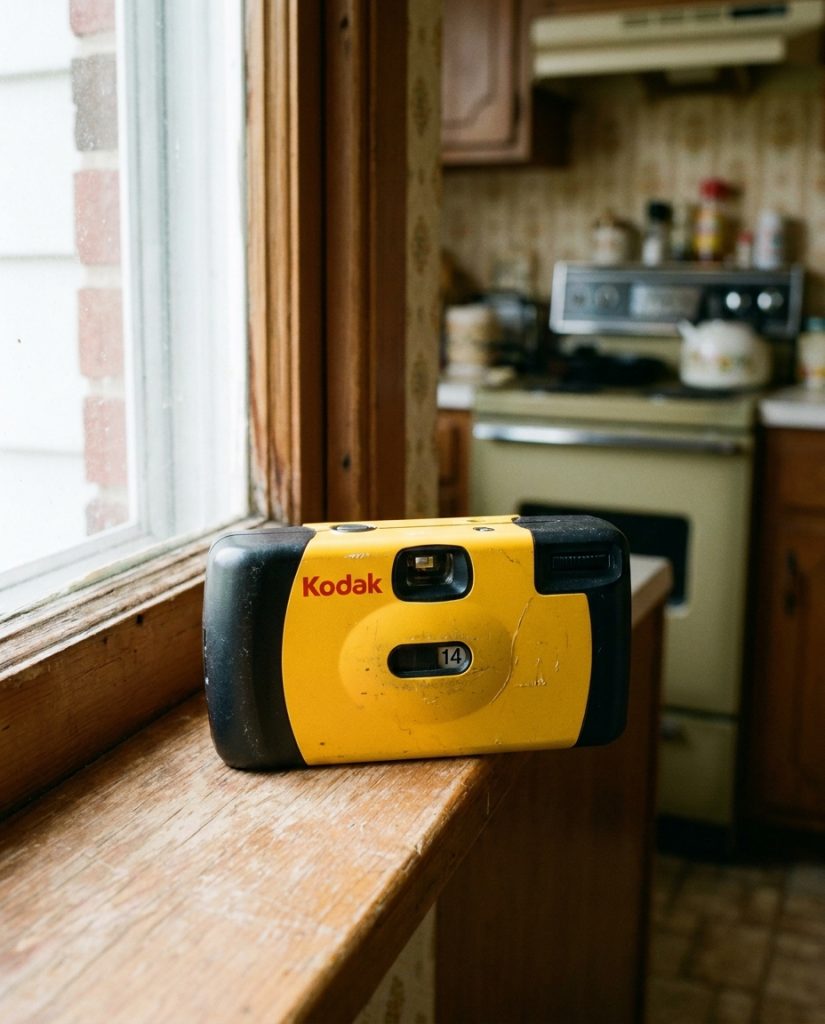
Every household had one sitting around with an unknown number of exposures left. Weddings had them on every table. Vacations started with buying one at the drugstore.
The entire experience was defined by not knowing what you’d captured until a week later when you picked up the prints.
About a third of every roll was unusable, fingers over the lens, red-eye so severe the subject looked possessed, flash reflections that turned windows into white rectangles. But the good ones had a weight to them, a graininess and warmth that filters spend a lot of effort trying to fake.
22. Paper Maps in the Glove Compartment
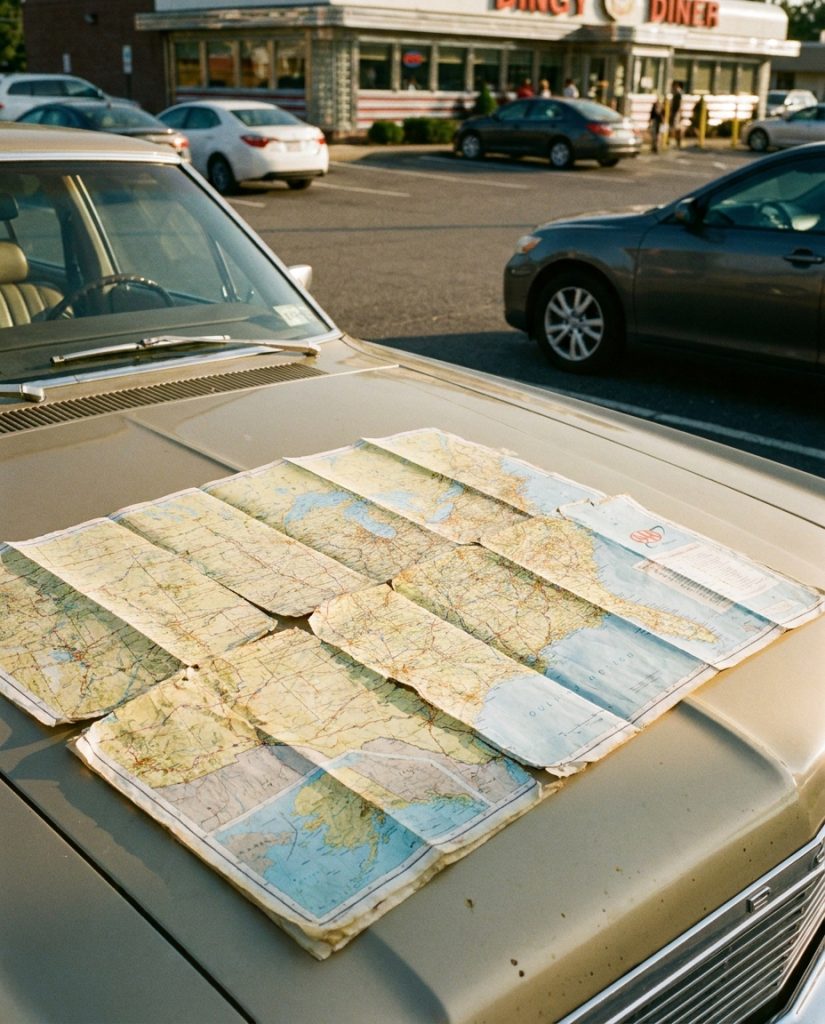
GPS navigation became standard in smartphones by 2009.
Within five years, the paper map industry had contracted by over 80%.
The glove compartment used to hold three or four maps of varying age and accuracy, plus a gas station atlas that was always from two years ago. The map itself was a piece of furniture. Unfolded, it covered the entire passenger side of the car.
The navigator held it in their lap and gave directions in real time, which is a level of marital trust that GPS has made entirely unnecessary.
23. Cassette Tape Collections
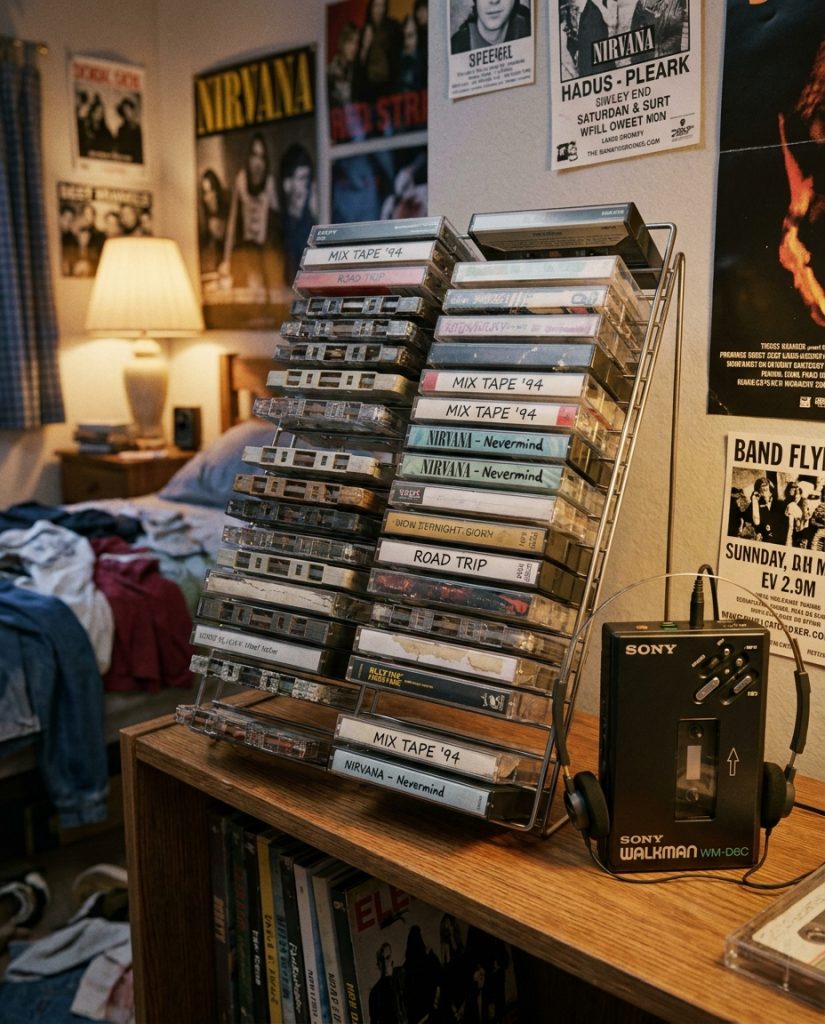
Sony discontinued the original Walkman cassette player in 2010.
The cassette tape had been commercially dead for years before that, but households held onto their collections long after the last tape deck disappeared from the stereo system.
The pencil trick, inserting a pencil into the reel hub to manually rewind a loose tape, was a universal skill that required zero instruction. Everyone just knew it.
The mixtape was the cassette’s highest cultural achievement, a hand-curated playlist that took hours to make and said more than a Spotify share link ever will.
24. Brass and Glass Light Fixtures
The brushed nickel and matte black revolution of the mid-2000s sent brass fixtures to the donation pile by the truckload.
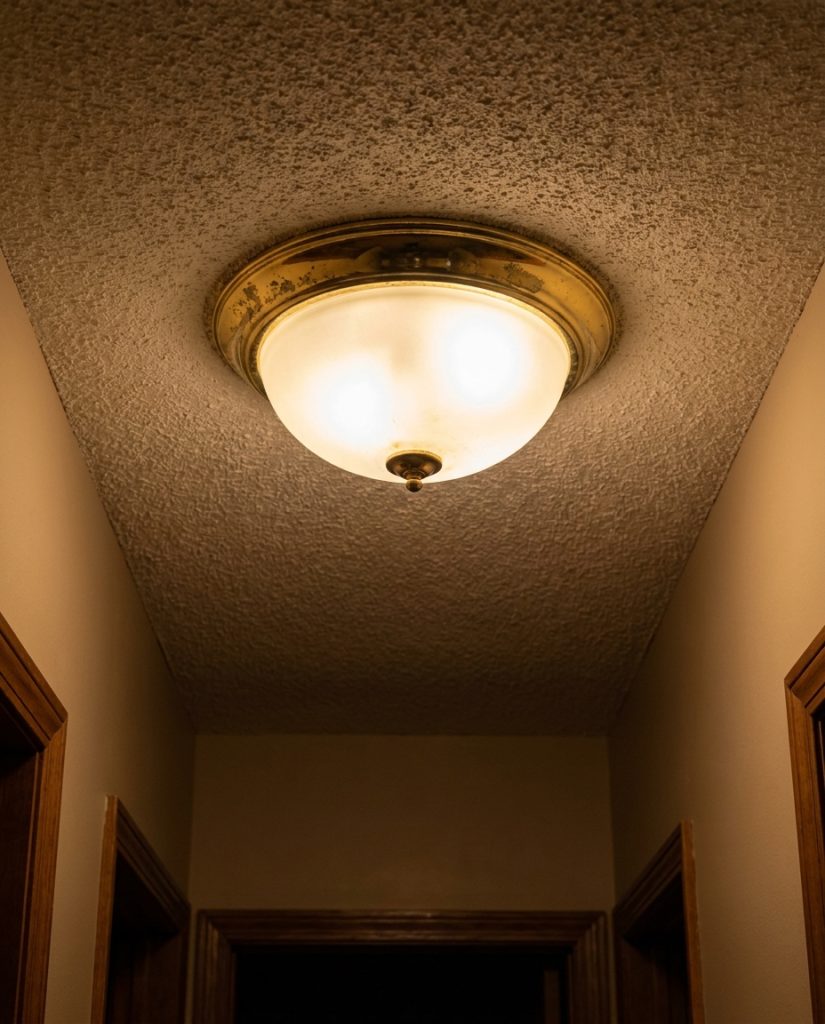
For twenty years, every builder-grade home in America came with the same brass-and-frosted-glass dome light in every hallway, bathroom, and bedroom. They all matched, they all yellowed at the same rate, and they all became the universal symbol of “this house hasn’t been updated.”
Brass is technically back now in its satin and antique finishes, but the shiny, mirror-polished brass of the 1990s is never coming back. And it shouldn’t.
25. CRT Television Sets
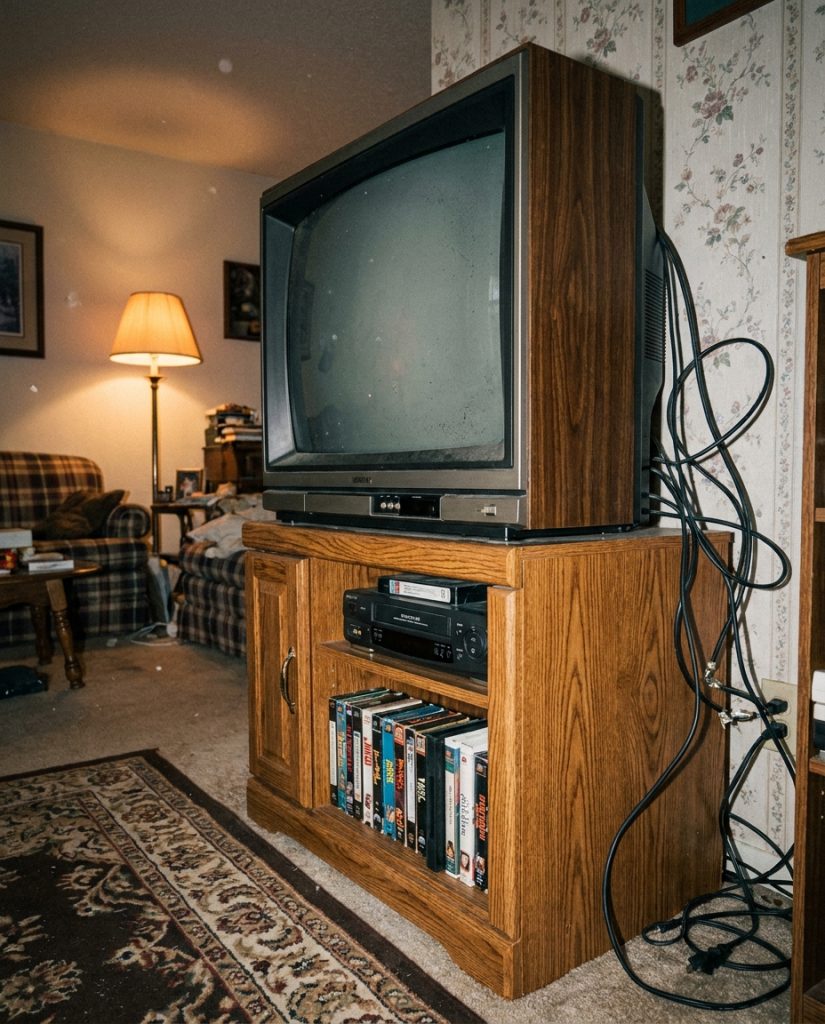
A 32-inch CRT television weighed between 100 and 150 pounds.
That single fact explains why TV placement was a permanent decision, not a weekend whim.
The screen was convex, the picture was warm, and the static charge when you turned it off made your arm hair stand up if you touched the glass. The hum was constant, a high-pitched frequency that some people could hear and others swore didn’t exist.
The last major CRT manufacturer stopped production around 2014. Flat screens didn’t just replace the picture. They eliminated the furniture required to hold it.
26. Clotheslines in the Backyard

Electric dryers started becoming standard in American homes in the 1950s. By the 1970s, the clothesline had moved from essential to optional. By the 2000s, some homeowner associations had banned them entirely, calling them eyesores.
The line itself was nothing special, cotton or nylon rope strung between two posts.
But the act of hanging laundry created a specific domestic rhythm: carry the basket out, pin each piece, wait for the wind to do its work, bring everything in before dark.
Sheets that dried on a line had a crispness that no dryer sheet has ever replicated, a sun-warmed stiffness that softened the moment you laid down on them.
27. Handwritten Recipe Cards in a Box
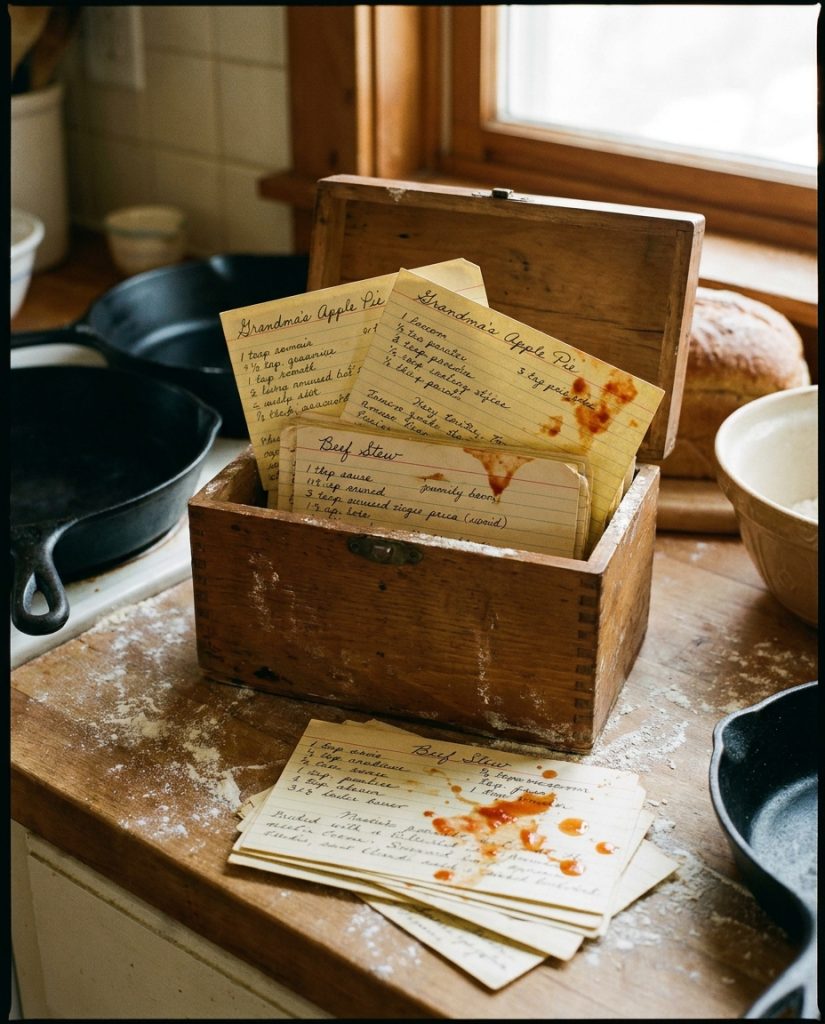
This one hasn’t been killed by technology so much as diluted by it.
The recipe card box is still around in some kitchens, but it’s no longer the primary source. Pinterest, food blogs, and saved Instagram posts have replaced the physical card as the default recipe storage system.
What they can’t replace is the handwriting.
A recipe card in your grandmother’s handwriting, with her abbreviations, her measurement shortcuts, and that one grease stain from the time she made it for Thanksgiving in 1987, carries information that no screenshot can hold. The card doesn’t just tell you how to make the dish. It tells you who made it.
Why These Things Disappeared in Clusters, Not One at a Time
Most people assume each item on this list vanished for its own reason. The phone book died because of Google. The VCR died because of streaming. The answering machine died because of voicemail.
But the real pattern is that they disappeared in waves, each one triggered by a single technology shift that took out five or six items at once.
One Device, Five Casualties
The smartphone alone killed the phone book, the Rolodex, the disposable camera, the paper map, and the alarm clock. The internet killed the encyclopedia, the fax machine, and the newspaper subscription. Streaming killed the VCR, the DVD shelf, and Blockbuster.
These items didn’t die individually. They died in families, and each wave left the house looking a little more digital and a little less like something you could touch.
Which one of these did your house hold onto the longest? And which one do you actually miss?