
There is a morning that comes for every gardener. You stand at the back door with your coffee, look out at the beds you have loved for years, and feel something new. Tired before you have even started.
I know that morning because I had it myself. After thirty years of tending the same beds out back, I stood there one spring and realized the garden had started asking more of me than I had left to give.
Would you like to save this?
Here is the strange thing nobody warns you about. The garden did not grow. You did not plant more. And yet every season it asks for more of you than the one before. That is not weakness. It is arithmetic.
The gardeners who keep going into their eighties are not the ones who muscled through. They got smart about which parts to keep and which parts to finally let go. Here are eleven ways to do exactly that.
Raise the Beds to 30 Inches and Quit Bending Over the Garden
Before you scroll, picture the part of gardening that actually hurts. For most of us it is not the planting or the picking. It is the getting down there and the getting back up.
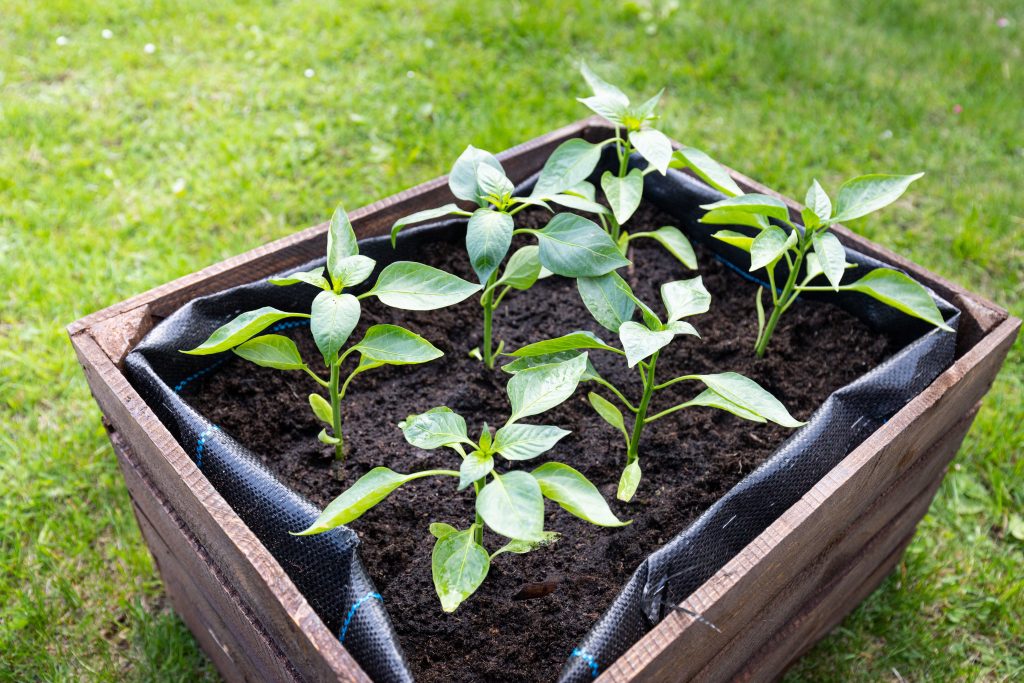
So I stopped getting down there. A raised bed built to the right height brings the soil up to you instead of folding you in half over it. The fellow who built mine had set up gardens for aging hands for years, and he told me what every good landscaper says once they have built more than a handful of these. The magic number is between 24 and 30 inches tall.
At 30 inches you can stand and work with a straight back. Keep the bed about 4 feet across so you can reach the middle from either side without climbing in.
And here is the detail the catalogs skip. Build a wide, flat rail along the top edge, six inches or so, and you have made yourself a seat. I sit on the side of my own garden and plant, weed, and harvest without ever once kneeling.
That little discovery led me to a bigger one, which is that I did not need nearly as much garden as I thought.
Shrink the Footprint Down to a Few Beds You Love
The hardest sentence for a lifelong gardener to say is the one about doing less. So let me point you to someone on my street who already said it. Margaret had grown vegetables her whole life and finally had to let the big plot go.
YOU’LL ALSO LOVE25 Things About Your Home That Visitors Notice in the First 10 Seconds (But Never Tell You)
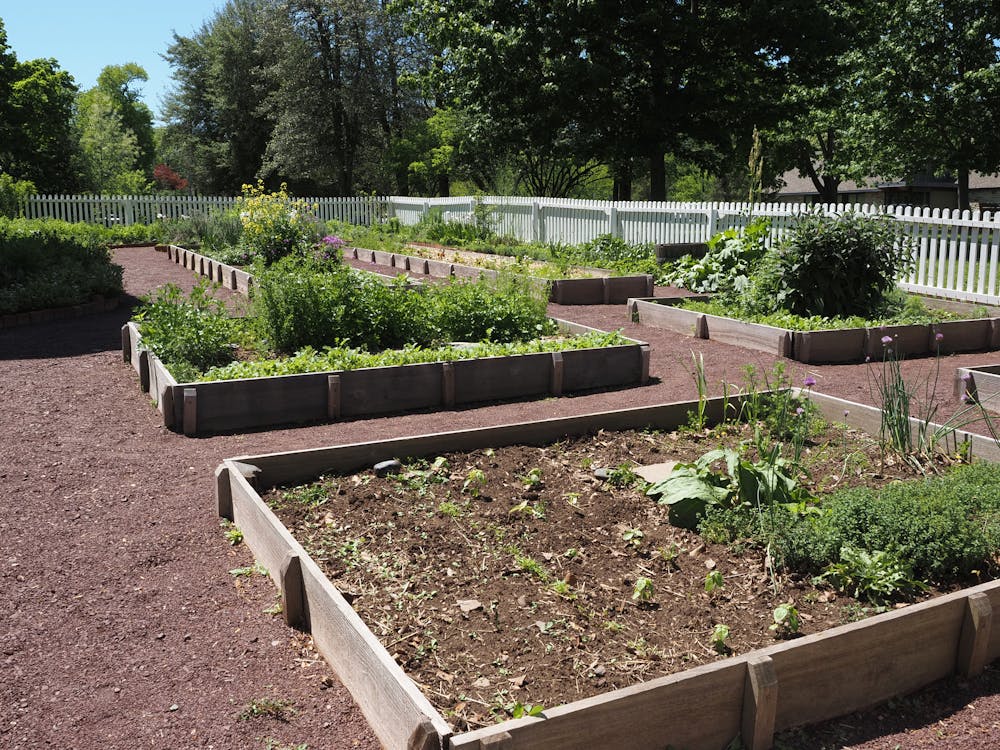
She did not quit. She made it smaller and smarter. She told me she now keeps “3 raised beds that are easy to do,” and that is the entire garden. Three. Tomatoes, herbs, a few peppers, the things she actually eats and loves. The empty rows that used to guilt her every July are gone.
Shrinking the footprint is not the consolation prize. It is the move that keeps you gardening for another fifteen years instead of dreading it for three.
And once the garden gets small, you start to wonder whether it needs to be in the ground at all.
Grow It All in Containers You Can Reach and Roll
Now picture watering. If you carry a heavy hose to a far corner of the yard every evening, that corner is slowly becoming your enemy. Container gardening fixes that by bringing the garden onto the patio, up onto a table, right outside the kitchen door.
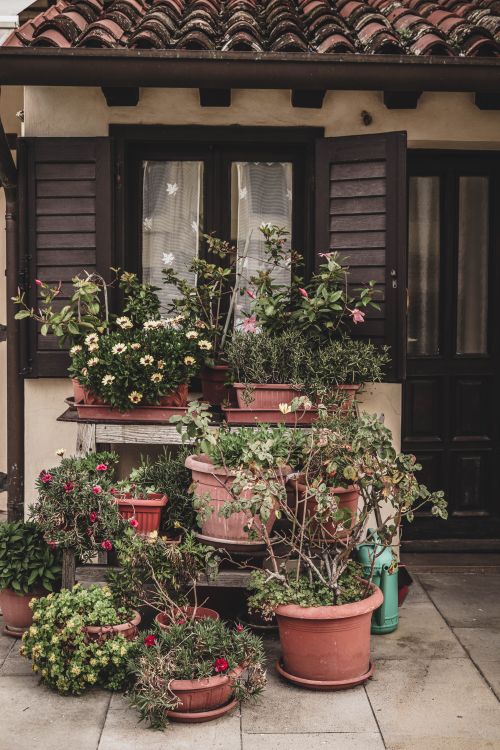
Big pots and tall planters put flowers and tomatoes at a height you reach without bending, on the surfaces you already walk past. Put them on rolling caddies, the little wheeled platforms that cost about ten to twenty dollars each, and a heavy pot suddenly slides instead of needing to be lifted.
My neighbor Ruth gave up her in-ground beds entirely and kept, in her words, “pots of flowers/tropicals” right outside her door. She swears she loves it more than the old garden ever gave her. Pots also dodge the thing that wears gardeners out the most, which leads straight into the next one.
Grow Upward So There Is No Ground Left to Tend
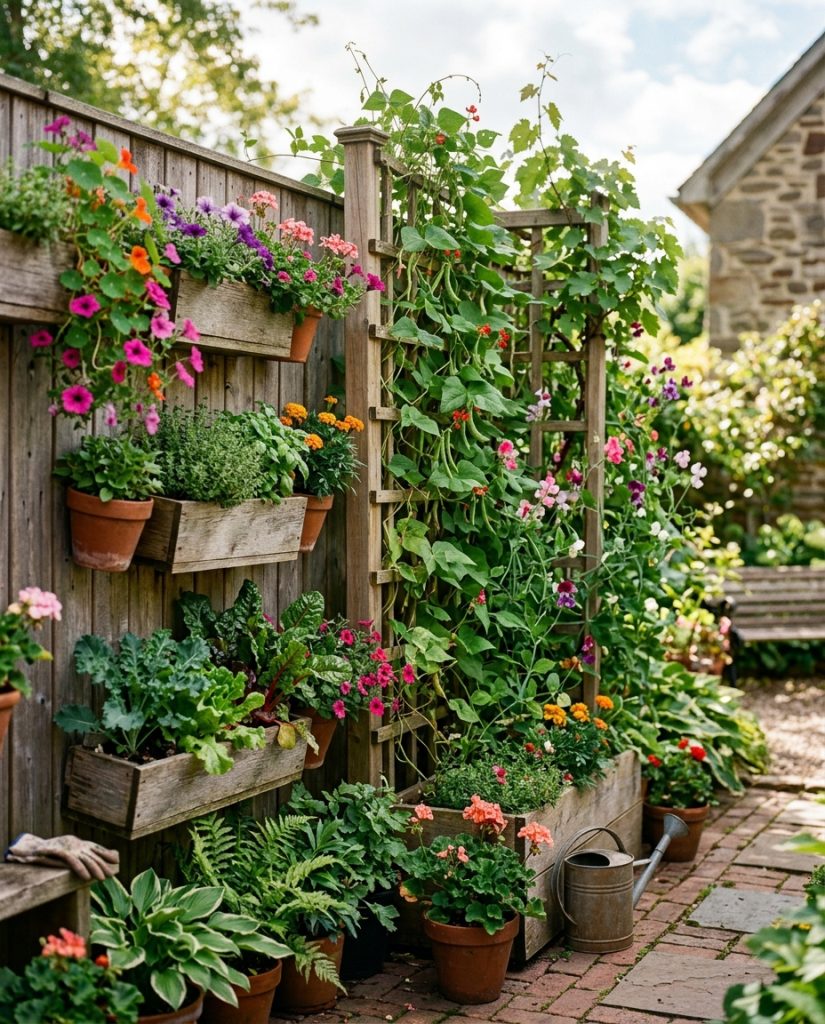
Here is a shift most gardeners never think to make. Instead of spreading the garden across the ground, send it up a wall. Vertical gardening trains beans, peas, tomatoes, and flowering vines up a trellis, an obelisk, or a row of wall-mounted planters, so the whole garden lives at chest and eye level.
The payoff is the part your knees will thank you for. When the plants climb, there is barely any ground left to weed or stoop over. A trellis against a sunny fence or a stack of pocket planters by the door can hold a surprising amount of food and color in a footprint the size of a doormat.
Less bending, less bare soil, and a green wall that does double duty as privacy from the neighbors.
But even the easiest garden has one chore that never quits, and the next way puts an end to most of it.
Mulch Three Inches Deep and Erase Most of the Weeding
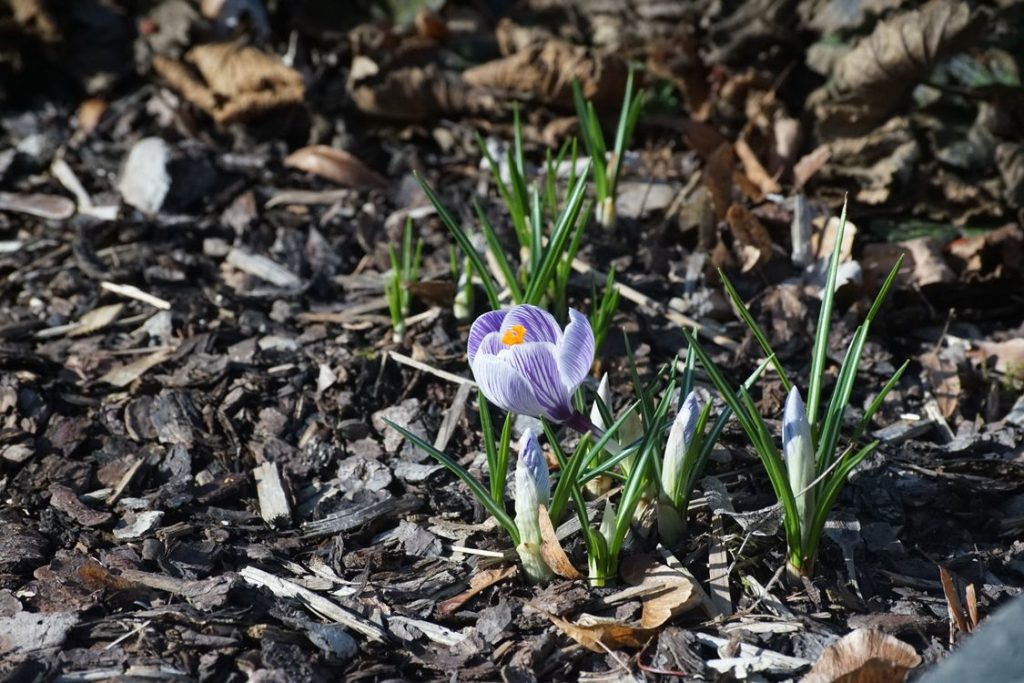
What wears a gardener out is rarely the planting. It is the weeding. The endless, bend-and-pull, never-finished weeding. So I stopped fighting weeds and started preventing them, the way the smartest aging gardeners I know all eventually do.
The tool is mulch, and the numbers are genuinely on your side. Spread bark or wood mulch 3 inches deep across your beds and you block sunlight from the soil so weed seeds never wake up. The research on mulch depth is blunt about the payoff.
YOU’LL ALSO LOVE30 Things in the 1970s Living Room That Would Confuse Anyone Under 30
A proper 3 to 4 inch layer suppresses somewhere between 85 and 95 percent of weed growth.
Read that again. You are not cutting your weeding in half. You are cutting it by nine tenths. A few hours of spreading mulch in spring buys you a nearly weed-free summer of just sitting and enjoying it.
The other chore that eats your evenings is watering, and there is a gadget that erases it just as cleanly.
Put the Watering on a Timer and Never Drag a Hose Again
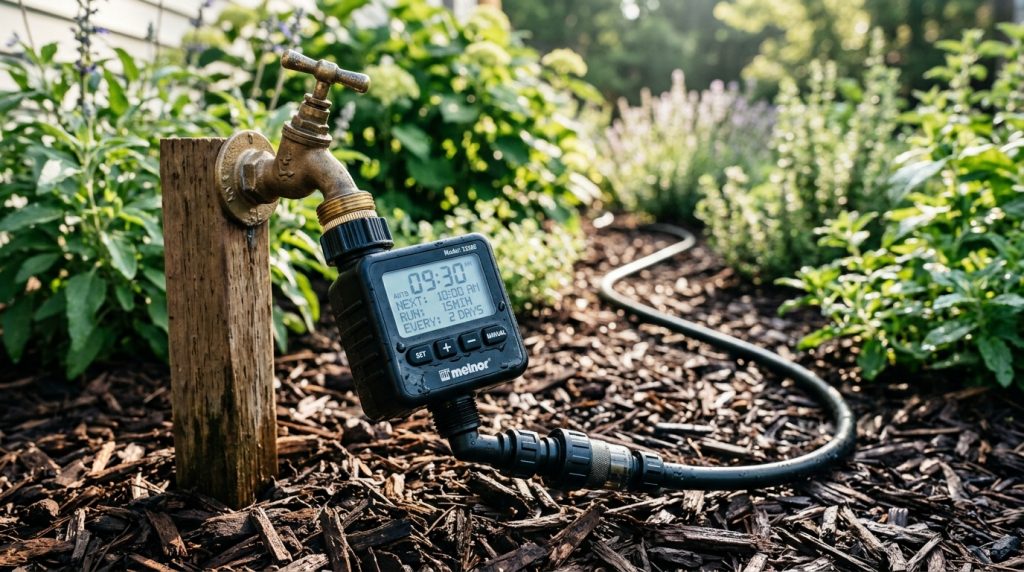
This is the change that turns a garden from a daily chore back into a pleasure, and it costs less than dinner out. Lay drip irrigation, the thin tubing that snakes through your beds and drips water right at the roots, then put it on a timer.
The timer is the hero. Screw it onto the spigot, set the days and the minutes once, and the garden waters itself at dawn whether you are home, asleep, or away visiting the grandkids.
These timers start at about $16.49.
The simplest ones are mechanical, a dial you turn that runs on water pressure with no batteries to die on you. Drip systems also lose far less water to evaporation than a sprinkler, so your beds drink less and your water bill drops. No more dragging hoses. No more guilt when I want to leave town for ten days in July.
Once the watering takes care of itself, the next move is choosing plants that ask for nothing either.
Choose Perennials and Ground Covers That Prefer Neglect
Imagine a flower bed that looks fuller every year while you do less and less to it. That is not a fantasy. That is just choosing the right plants from the start.
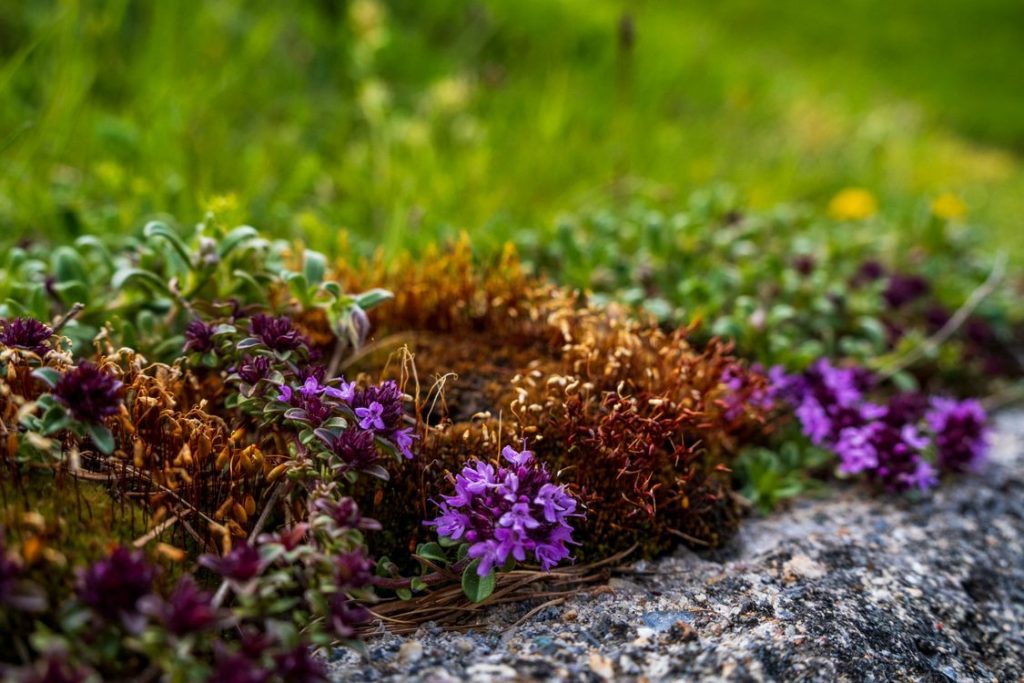
The secret is tough perennials and drought-tolerant ground covers, the plants that genuinely prefer a little neglect. Creeping thyme, sedum, and ice plant spread into dense living mats that need almost no water once they have settled in. And here is the clever part, those mats are doing your weeding for you. A plant called ajuga, also known as bugleweed, grows so thickly that it chokes weeds out before they can take hold.
This is the gardener’s version of working smarter. You plant a ground cover once, and from then on it crowds out the weeds, holds moisture in the soil, and asks for nothing but a little admiration.
Smart plants are half of it. The other half is what is in your hands while you tend them.
YOU’LL ALSO LOVE11 Neighborhood Rules Every Kid Knew in the ’80s That No Parent Would Allow Today
Switch to Ergonomic Tools That Stop Fighting Your Wrists
Pick up your oldest trowel for a second. Feel how the thin handle digs into your palm, how your wrist has to bend hard just to break the soil. That little ache adds up over a season.
Would you like to save this?
Ergonomic tools fix a problem most of us just learned to live with. They come with fat, cushioned grips that fill your hand, and bent or angled shafts that keep your wrist straight so the force comes from your arm instead of your joints. Long-handled versions of weeders and cultivators let you work standing up, no stooping required. A kneeler that flips over into a seat, with a sturdy rail to push up on, means you can lower yourself down and rise back up under your own power.
None of this is fussy or expensive. It is simply the difference between a garden that loves your hands back and one that punishes them by Sunday night.
The next way is the one I resisted longest, and the one that changed the most once I gave in.
Pay Someone for the Heavy Parts and Feel Zero Guilt
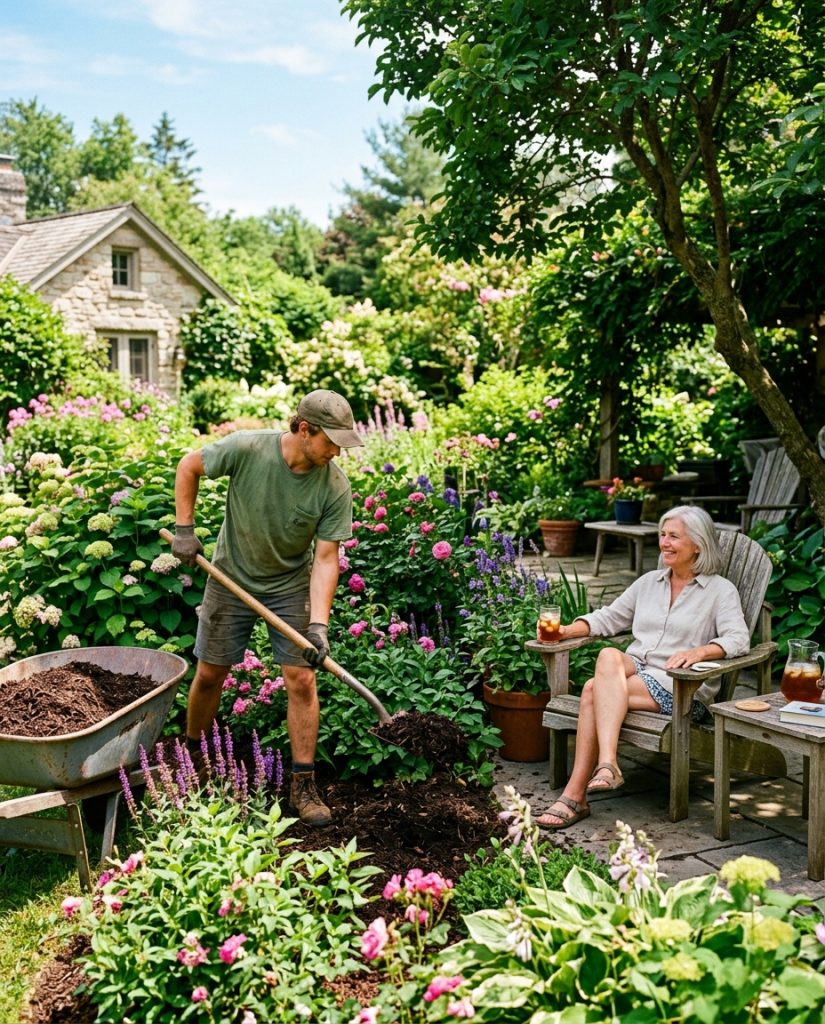
Now the one that lifelong gardeners resist the hardest, and the one that changes the most. Pay someone to do the parts that hurt. There is no medal for mulching your own beds at seventy.
A gardener for ongoing work runs roughly $75 to $400 a month depending on your yard, and you do not have to hand off everything. Keep the planting and the picking, the parts you love, and let someone else haul the mulch, prune the high branches, and edge the beds. Carol did exactly this after a gout attack laid her up, started paying for the heavy work, and says she has never been happier, because the yard stopped eating her weekends.
That is the trade. A little money for your Saturdays back. Spend it without a flicker of guilt.
There is one more chore worth handing off, and this one is less about your back than about staying out of the emergency room.
Keep Both Feet on the Ground and Let the Ladder Retire
This one is gentle, and it matters more than all the others combined. Listen when your body tells you the ladder is no longer your friend. The numbers here are sobering and worth knowing.
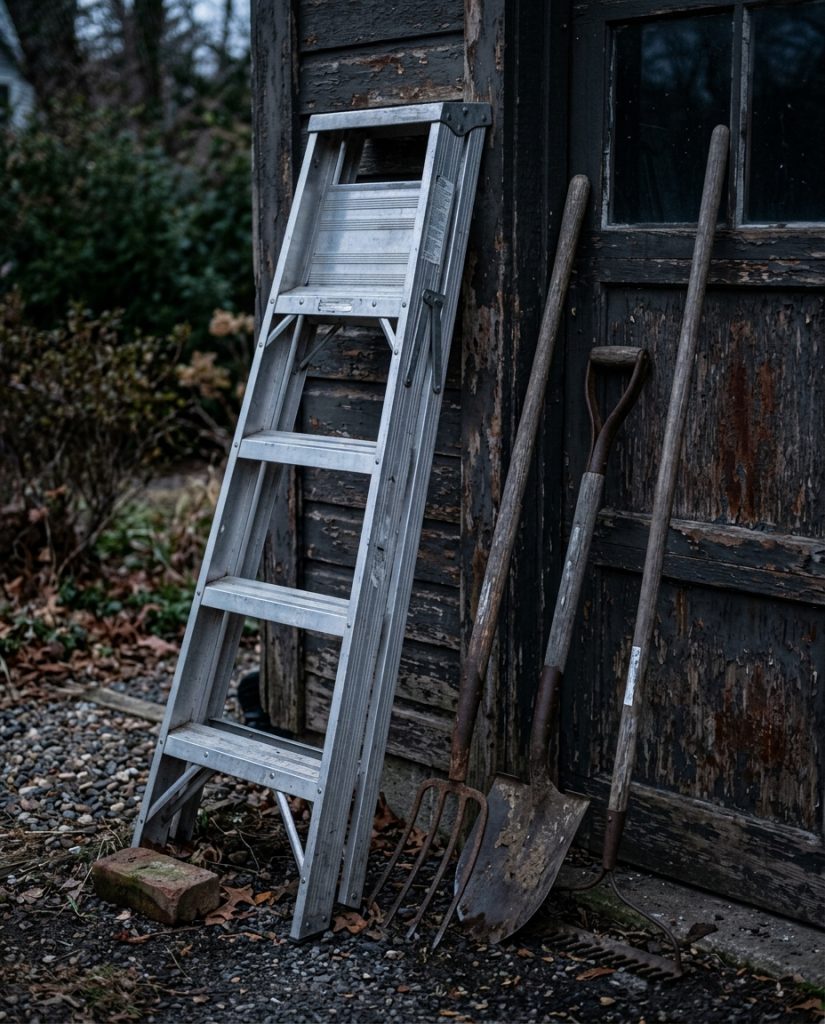
More than one in four adults over sixty-five falls every year, and in 2023 alone, 3.85 million older adults were treated in emergency rooms for fall injuries.
Among people over sixty-five who fall off a ladder, a full third hit their head.
My neighbor Joan shared the moment it became real in her house. It took her 63 year old husband falling off a short ladder before he finally accepted that he is not invincible. He was fine. Plenty are not.
YOU’LL ALSO LOVE25 ‘Common Sense’ Home Rules Everyone Followed in the 80s That Would Get You Laughed At Today
There is no shame in keeping both feet on the ground and letting the younger arms handle the high and the high-up. Even a garden hose left across the path sends people to the ER. The bravest thing an aging gardener does is stay safe enough to garden another decade.
And for some of us, the cleanest way to stay safe is to let the whole yard become someone else’s job entirely.
Move to a Place Where the Yard Work Is Somebody Else’s Job
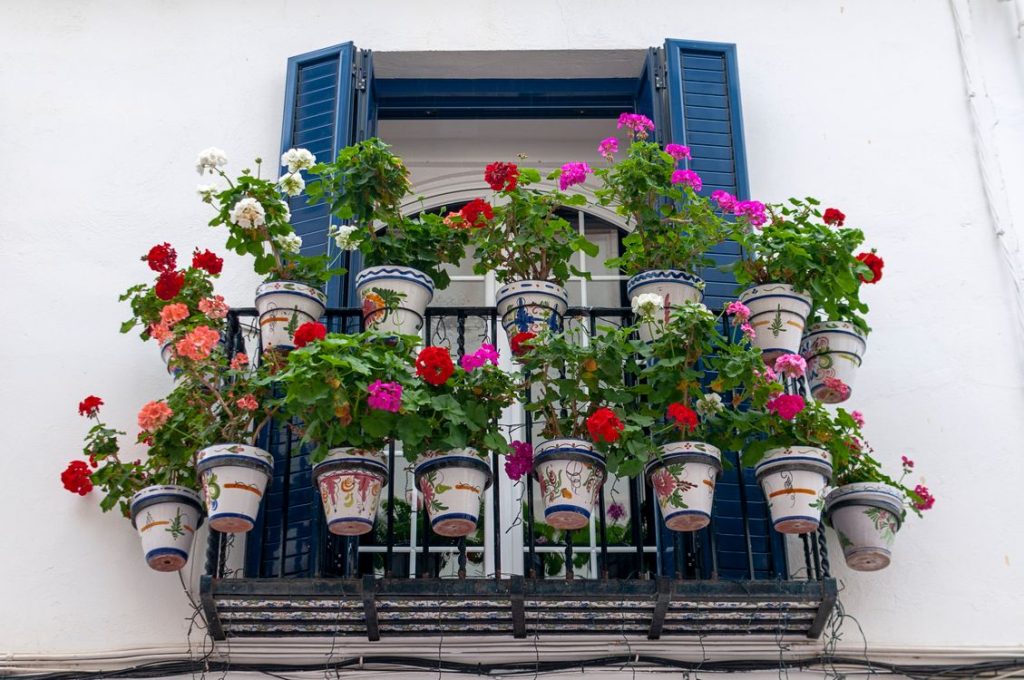
Picture the lightest version of all. No lawn. No gutters. No big yard at all. Just a few pots and beds that are yours, and everything else handled by someone else.
For a lot of people this is not a loss, it is a release. This is what a senior community or a low-upkeep townhouse offers. My old garden-club friend Eleanor summed up the feeling perfectly. She and her husband are moving next year to a place where the staff handles all of the yard work, and about that move she told me, “I can hardly wait.”
That is not the voice of someone giving up the garden. That is the voice of someone who gets to keep only the good part, a sunny balcony of tomatoes and flowers, with none of the labor that was stealing her joy.
Wherever you land, the goal is the same. Keep your hands in the soil you love, and let the rest go.
What the Easier Garden Gives You Back
Here is what nobody tells you about lightening the load. You do not lose the garden. You get the rest of your life back, and the garden somehow becomes more yours, not less.
Trade the weeding for mulch and the watering for a timer, and the first thing you get back is your mornings. No more starting every day behind. Hand off the heavy hauling and you get back your Saturdays, the ones that used to vanish into the yard and end in a heating pad. Shrink to a few good beds and you get back the simple pleasure of wanting to walk outside, because the garden stopped being a list of demands and went back to being a place you love.
The thing that unlocks all of it is not a tool or a hired hand. It is permission. The simple decision that you have done enough of the hard part and get to keep only the joy. That permission costs nothing, and it is quietly the most valuable thing in this entire article.
So tell me, which part are you finally ready to hand off this year, the weeding, the watering, the heavy hauling, or the whole big yard?