
Money poured into a house is supposed to come back out when you sell. That is the deal everyone assumes, and for a long list of popular projects it simply is not true.
I have learned that one the slow way. Two houses bought, fixed up, and sold over the years, and a few upgrades I was certain would pay me back that the appraiser shrugged off like they were nothing. I have stood in a room I loved, a room that cost real money, and watched a stranger with a clipboard credit me a fraction of what I spent.
Would you like to save this?
Appraisers see this every single week. They know which upgrades quietly vanish the moment you list, leaving you with a beautiful space and a sale price that never reflects what you paid.
Some of the most loved renovations in America are the ones that hand you back the least. Here are the nine that fooled me, or fooled a neighbor I watched do it, starting with the one hiding under your stairs.
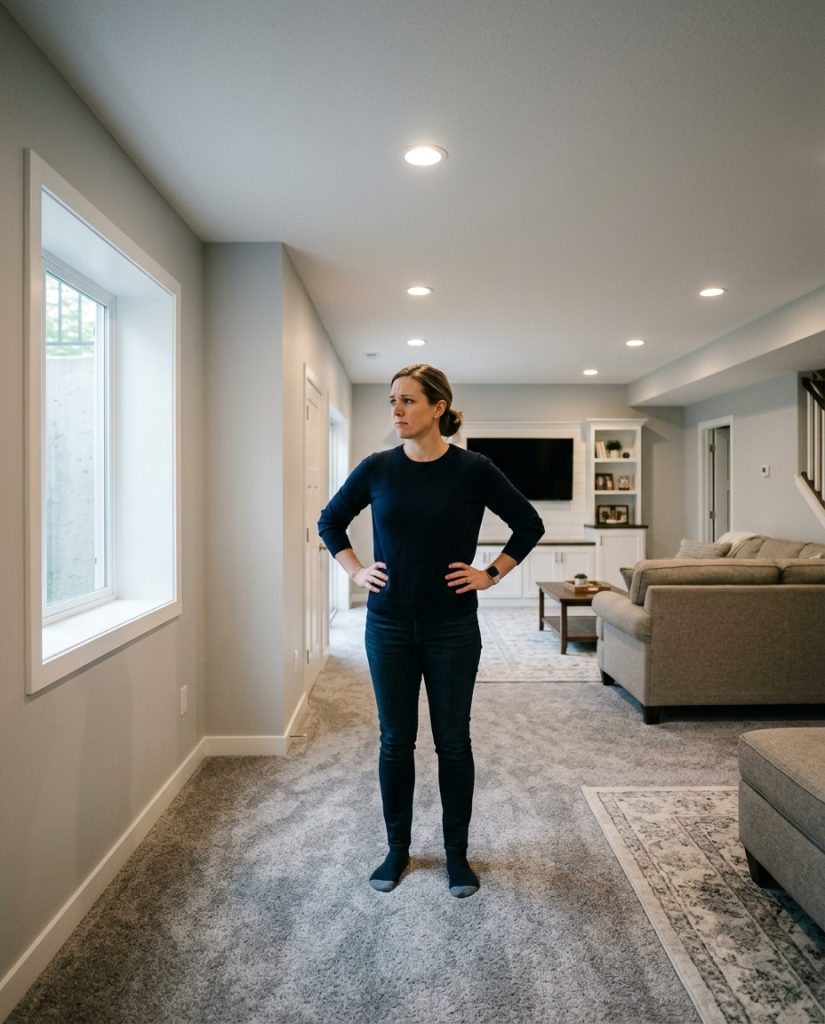
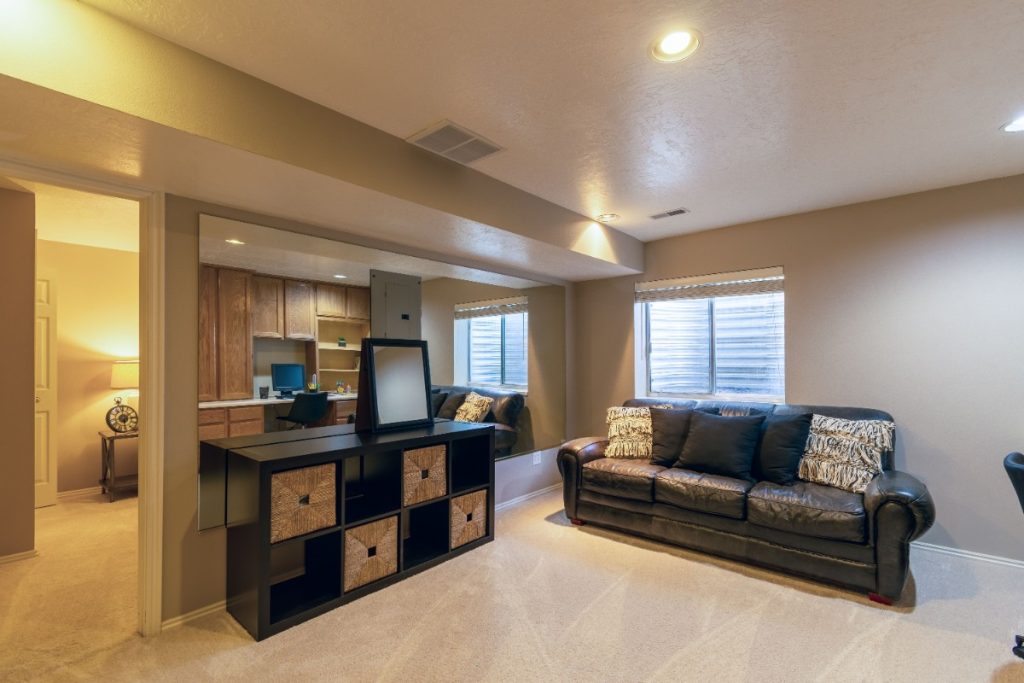
Finishing the Basement
Here is the line nobody told me before I spent.
A finished basement does not count as gross living area on most appraisals. Appraisers separate above grade square footage from below grade square footage, and below grade gets valued at a steep discount, sometimes half or less per square foot.
So that beautiful new basement does not add to the number that matters most, the official square footage of the home.
The recoup math follows right behind. Industry data puts a basement finish at roughly 60 to 70 percent of cost recovered, and one analysis found the range running anywhere from 23 percent to 70 percent depending entirely on the local market.
I remember it well. The cool concrete under the new carpet, the smell of fresh paint, the certainty that buyers would pay for all of it. They paid for some of it.
YOU’LL ALSO LOVE25 Things About Your Home That Visitors Notice in the First 10 Seconds (But Never Tell You)
Take a guess how much a 1,000 square foot finished basement adds to your listed square footage. I would have said 1,000. The honest answer is closer to zero, and I will come back to why that number wrecks more sellers than any other on this list.
There is a trap inside the trap, and my old neighbor Gary stepped right in it. He finished his basement, framed in a bedroom down there, and started calling the place a four-bedroom. An appraiser will not back you up on that unless the room has a legal egress window, a window big enough for a person to climb out in a fire.
Gary’s did not. He listed the higher count, and the appraisal knocked it right back down to three. If you are weighing a basement finish at all,is worth a look before you call a contractor.
The finishes looked the same as his upstairs, the framing cost the same, the lighting cost the same, and the market still treated the space as a tier below everything above ground.
Most people stop reading lists like this after the headline item. The next eight are where the real money disappears.
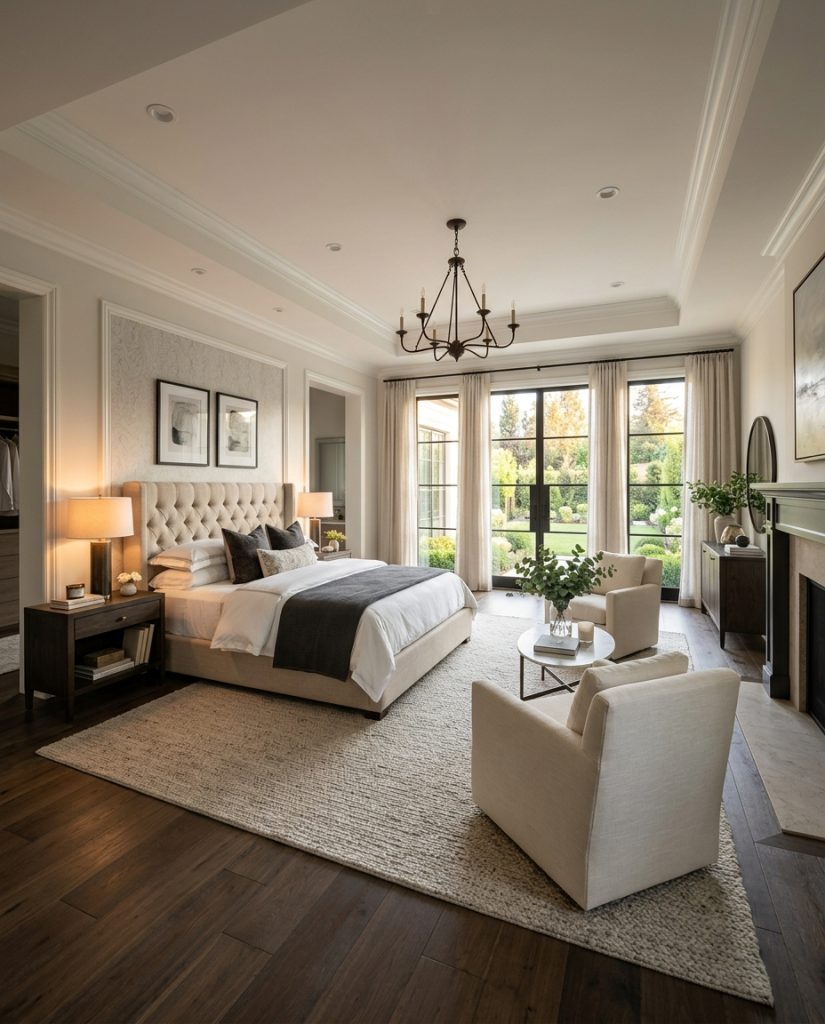
Building a Luxury Primary Suite
This is the one that makes grown adults go quiet when they hear the figure.
An upscale primary suite addition runs a national average of about 339,000 dollars, and it returns a national average resale value of roughly 81,000 dollars.
That is a recoup rate near 24 percent. In some markets it is worse. In the Minneapolis area, an upscale owner’s suite addition budgeted around 370,000 dollars recovered only 18 percent.
Why does it bleed so badly? Because buyers price a home against its neighborhood, not against your invoice. Drop a 340,000 dollar suite onto a 400,000 dollar house and the appraiser cannot magically push the home to 740,000 on a street of 450,000 dollar homes.
The market sets a ceiling and your addition slams into it. Builders call this overimprovement, and it is the fastest way I know to pour money into a house the next owner will never repay.
The fancy fireplace you added in the bedroom? That is the kind of custom touch a buyer often wants to rip right back out.
Adding a Sunroom
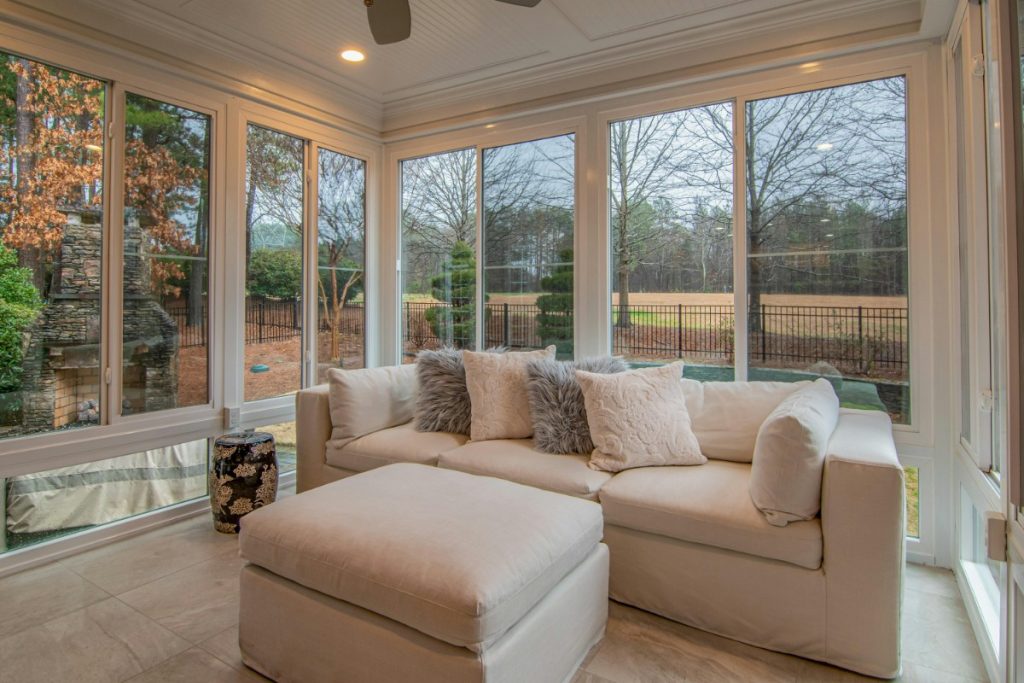
A sunroom feels like found space. Light pours through the glass, the floor warms in the afternoon, and you picture morning coffee out there for the rest of your life. My sister-in-law Diane felt exactly that way about hers.
YOU’LL ALSO LOVE30 Things in the 1970s Living Room That Would Confuse Anyone Under 30
The problem is the appraiser frequently does not count it. Because most sunrooms are not heated and cooled by the home’s main system to the same standard as the rest of the house, they often fall outside the square footage calculation entirely.
She added a room that does not officially exist.
The recoup numbers land around 47 to 48 percent. One breakdown showed a sunroom costing about 75,700 dollars while adding roughly 36,700 dollars in value.
Half your money, gone. And here is the insider catch that makes it worse over time. All that glass means higher maintenance, more heat gain in summer, more heat loss in winter, and buyers can feel the future utility bills the moment they walk in.
That feeling has a cost, and it lands right on your sale price.
But the next one might be the most misunderstood big-ticket project of them all.
Putting in a Swimming Pool
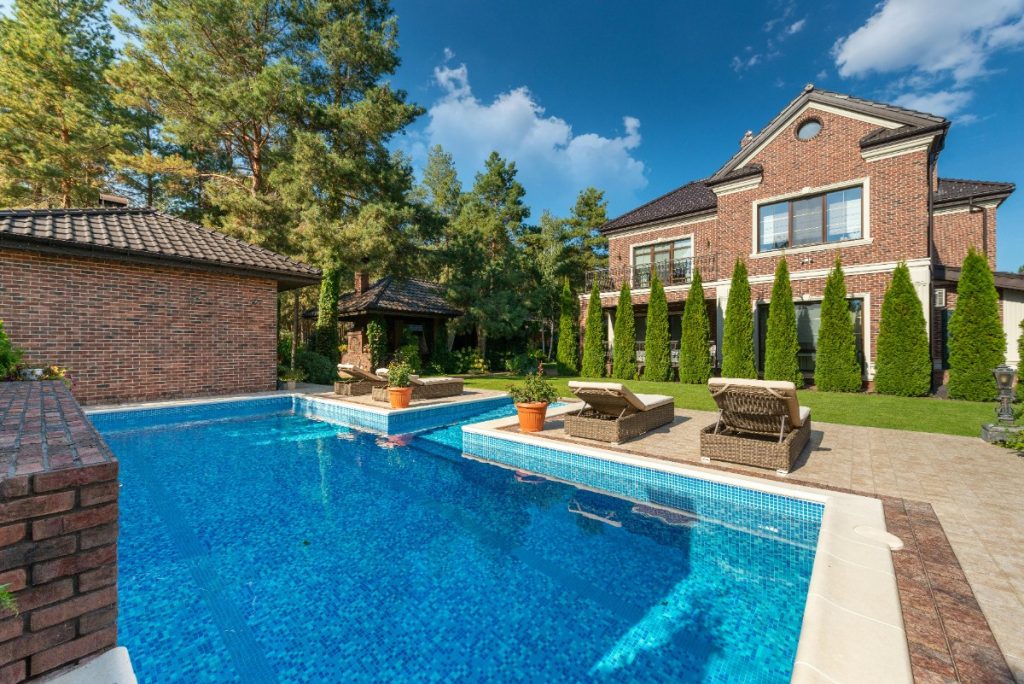
A pool is the classic example of a renovation that can actively work against you. National recoup figures sit around 35 percent, and in northern climates it drops closer to 25 percent.
A pool can cost anywhere from 15,000 dollars to 150,000 dollars, and in many markets it adds almost nothing to value. In some it subtracts, because a meaningful slice of buyers will cross your home off the list entirely.
Think about who is shopping.
- Families with small children see a drowning risk and a fence requirement.
- Empty nesters see a maintenance chore they do not want.
- Cold-climate buyers see an amenity they can use three months a year and pay to maintain for twelve.
The exception is real. Warm markets like Florida and Arizona reward pools, and in some neighborhoods a pool is nearly expected. But nationally, you are paying full price for something that narrows your buyer pool.
That narrowing is the quiet tax appraisers and agents see again and again.
There is also a cost the brochure never shows you. Most insurers treat a pool as an attractive nuisance and bump the liability portion of your homeowners policy, and the upkeep, chemicals, pump electricity, opening and closing, runs many owners 3,000 to 5,000 dollars a year.
YOU’LL ALSO LOVE11 Neighborhood Rules Every Kid Knew in the ’80s That No Parent Would Allow Today
A buyer does that math in their head during the showing. The exact feature you installed to enjoy your summers becomes the line item they use to talk your price down.
One backyard, full price to build, partial value at best, and a smaller crowd willing to bid at all.
Building a Home Theater
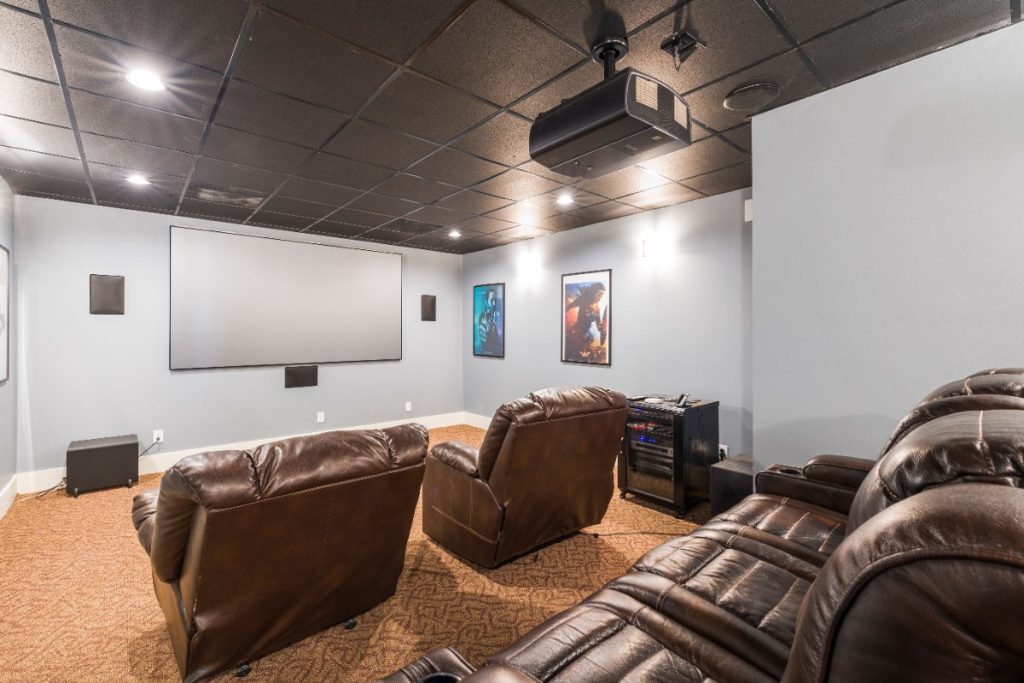
A dedicated home theater posts one of the lowest recoup rates of any common renovation, landing near 25 percent. The reason is simple, and it applies to every hyper-specialized room.
You took flexible square footage and locked it into a single purpose that only a narrow band of buyers wants. Most shoppers walk into a windowless room with blackout walls and tiered platforms, and they do not see a theater.
They see a bedroom they have to gut, or an office they cannot put a window in.
This is the trap of building for your hobby instead of the market. My buddy Marcus learned it cold. The blackout treatment, the wired-in speakers, the riser platforms, all of it read to his buyers as work they would have to undo.
A flexible bonus room that any family can use as a playroom, a guest room, or a den will almost always beat a single-purpose room at resale. Builders have a phrase for the safe move. Keep it convertible.
The more permanent and personal you make a room, the smaller the crowd that wants it.
There is a smarter way to chase the same dream. Run the wiring and conduit, frame the room so it could become a theater, then leave it as a usable flex space and let the next owner finish it to their taste if they want it.
You get your media room while you live there, and you hand the buyer flexible square footage instead of a 30,000 dollar commitment they did not ask for.
The difference between a 25 percent return and a respectable one is often nothing more than how reversible you made the decision.
Now compare that to the room everyone assumes is a guaranteed winner.
Overhauling the Kitchen at the High End
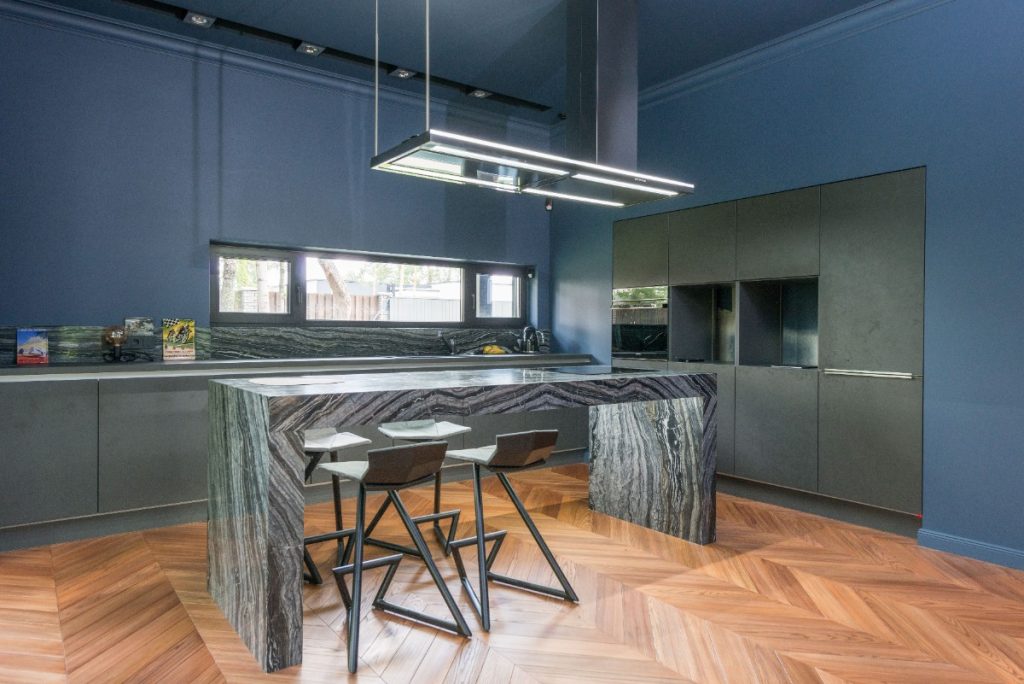
Kitchens sell houses, so a bigger kitchen budget sells them better. That belief cost me real money on my first place.
YOU’LL ALSO LOVE25 ‘Common Sense’ Home Rules Everyone Followed in the 80s That Would Get You Laughed At Today
A major upscale kitchen remodel recoups only about 54 percent, on an average spend near 150,000 dollars. Compare that to a minor kitchen refresh, which consistently returns 70 to 80 percent.
The pattern is one of the clearest in all the data. The fancier you go, the worse the return gets.
Here is why. As one industry breakdown put it, elaborate details and high-end finishes may actually decrease the chances of matching a buyer’s preferences. My hand-glazed imported tile, the commercial range, that specific cabinet color I agonized over, every one of those choices was a coin flip on the next buyer’s taste.
Would you like to save this?
The minor remodel, new counters, refreshed cabinet fronts, updated hardware and fixtures, hits the broad middle of what buyers want and skips the polarizing splurges. Resurface the box, do not rebuild it, and you keep far more of your money.
Spend like the kitchen is a showroom and the next owner thanks you warmly while paying you back barely half. I know, because they thanked me.
Converting the Garage Into Living Space
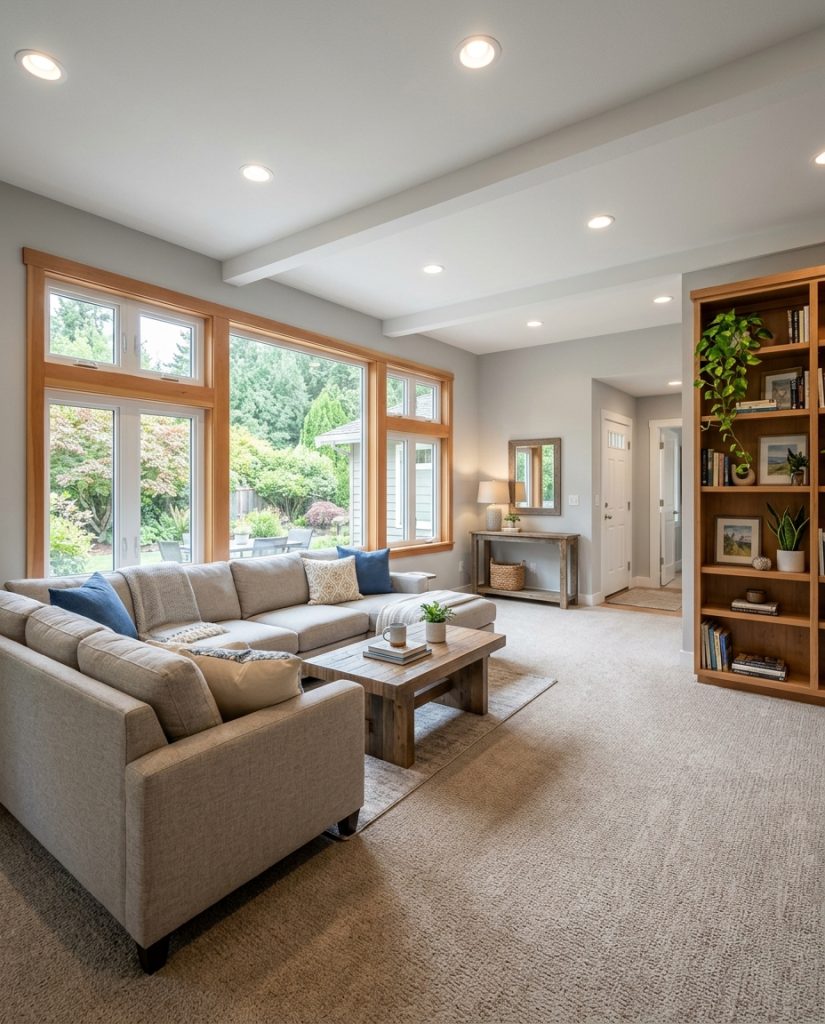
Turning a garage into living space sounds like free square footage. It is one of the riskiest conversions you can make.
In suburban markets where a two-car garage is standard and expected, losing covered parking is a real negative, and buyers notice the missing garage faster than they notice the new room.
You may gain a den and lose the feature half your buyers consider non-negotiable.
The bigger trap is paperwork. If the conversion was done without proper permits, many appraisers and lenders will assign zero value to the new space. Without permits, lenders may refuse to finance the home, appraisers may credit nothing, and buyers will negotiate a steep discount.
I watched this happen to the Pattersons across the street. Even a permitted, code-compliant conversion only recoups roughly 60 to 80 percent, and only in markets where extra living space outranks parking. Theirs had no permit at all.
The homes that win here tend to add usable square footage without giving up what buyers expect, the kind of tradeoffgets into.
Convert the garage in the wrong neighborhood, or without the permit, and you have spent real money to make the house worth less. That is the part that catches people, and it is hiding in a filing cabinet at the county office.
The next one is the project people are most shocked to see on this list.
Installing High End Landscaping and Koi Ponds
[IMAGE: real_09_garden-pond-waterfall_pexels.jpg | A garden pond with pink water lilies, a cascading stone waterfall, and lush surrounding plantings]
Photo: M. Yates / Pexels

There is a difference between landscaping that adds value and landscaping that drains it, and most people get the line wrong. Functional work, proper drainage, grading, basic hardscaping, is documented by appraisers and can genuinely help.
But high-end decorative features, koi ponds, custom fountains, elaborate stonework, and intricate plantings, rarely deliver a positive return.
Buyers tend to prefer a low-maintenance yard they can make their own.
The reason is the same one running through this entire list. A water feature is not an asset to most buyers, it is a future chore with a price tag. My neighbor Hank built a gorgeous koi pond, and every couple that toured his house did the same math, on pumps, filters, cleaning, and the weekend hours it would eat.
Purely decorative gardens and plantings make a minimal difference on the appraisal, which means the thousands Hank sank into that backyard showpiece mostly stayed in the ground.
Spend on the bones of the yard, the drainage and the grade, and skip the showpieces that the next owner will quietly resent.
Adding Bold Personal Finishes and Converting a Bedroom
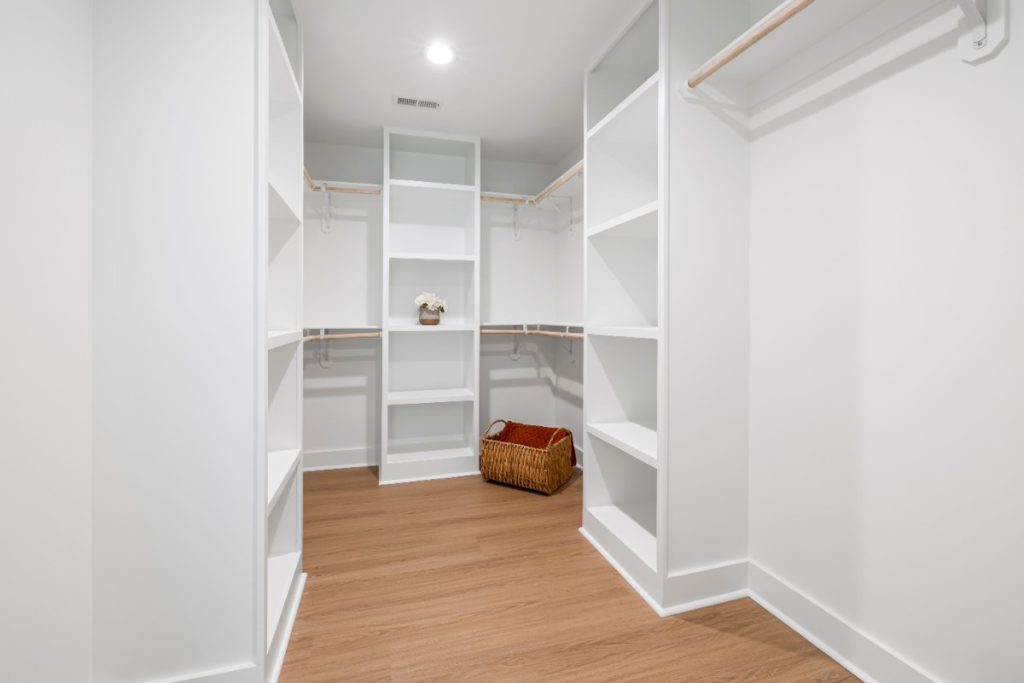
[IMAGE: real_10_walk-in-closet_pexels.jpg | A spacious walk-in closet with white built-in shelving, hanging rods, and hardwood flooring where a bedroom used to be]
Photo: Curtis Adams / Pexels
The final mistake is the most personal one, and it is really a family of mistakes. Bold wallpaper, intricate statement tile, stark all-white kitchens, and high-end custom fixtures all share a problem. They are love it or hate it.
Buyers see trendy wallpaper and dramatic tile as polarizing, and a home that sits on the market while a trend dates badly starts to look stale.
Those expensive custom faucets and lighting fixtures will not lift your value enough to justify the cost, because, as one analysis flatly stated, potential buyers will not pay more for a home just for high-end fixtures.
The most expensive version of this is converting a bedroom into something else. My wife and I nearly did it. We sketched out turning a spare bedroom into a giant walk-in closet, and a friend in real estate stopped us cold. Do that, she said, and you have reduced the bedroom count, one of the biggest single drivers of value.
A four-bedroom home that becomes a three-bedroom with a spectacular closet is now competing in a lower bracket, no matter how nice the closet.
The fix is restraint. Keep the permanent finishes neutral, keep your bedroom count intact, and save the bold personal taste for the things you can take with you when you go.
The Real Reason the Basement Costs You Most
Remember the question from the top, how much does a 1,000 square foot finished basement add to your official square footage? The answer is effectively zero, because below grade space is not counted as gross living area.
That is the hidden engine behind the whole list. Every renovation that failed me, or failed a neighbor, failed for one of two reasons. Either it does not add to the official square footage the way you assumed, like the basement and the sunroom, or it overimproves past what the neighborhood will pay, like the luxury suite and the showroom kitchen.
The smart money move is the opposite of the instinct. The cheapest projects, a garage door, an entry door, a minor kitchen refresh, fresh neutral paint, consistently return the most. The expensive emotional ones return the least. I have the sale statements to prove it.
Renovate for the life you want and enjoy every dollar of it. Just do it with open eyes, knowing the resale market plays by its own rules and does not care what you paid.
Which of these nine surprised you the most, and which one have you already done?