
Texas gives its homeowners associations more raw power than almost any other state in the country.
Not a little more. A lot more.
Would you like to save this?
I’ve spent the last four years tracking HOA disputes across 14 states, and Texas keeps producing cases that make attorneys in other states physically recoil. The reason is a single piece of legislation that most homeowners have never heard of, and it hands your HOA a tool that would be flatly unconstitutional if a city tried to use it.
But the one at number twelve on this list is the power that shocks even real estate attorneys who work in this space every day.
1. Foreclose on Your Home Over Unpaid Dues
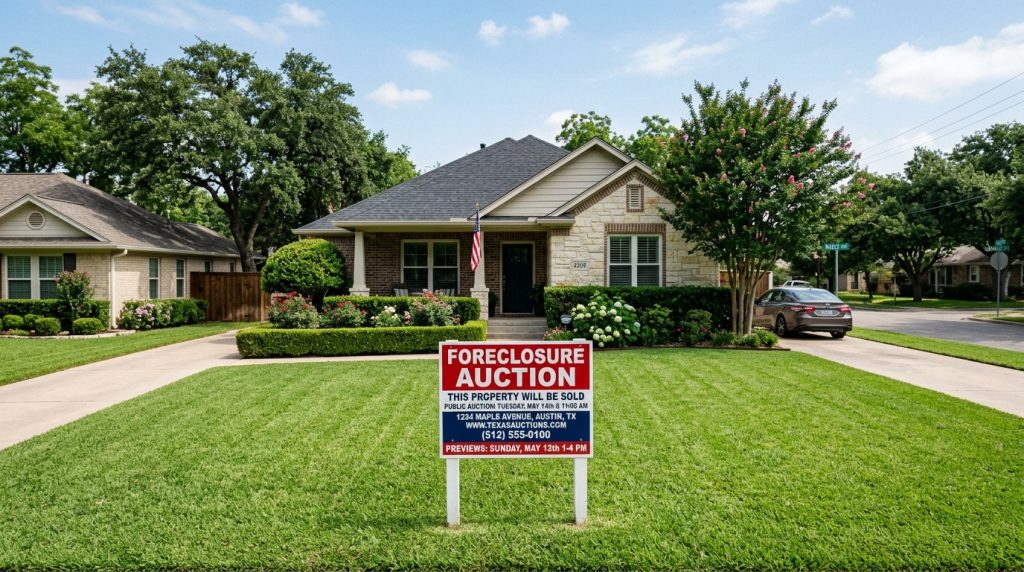
Texas Property Code Chapter 209 gives HOAs the right to place a lien on your home for unpaid assessments and then foreclose on that lien through a non-judicial process. That means no judge, no courtroom, no trial.
Your HOA’s board of directors, the same people who argue about fence heights at monthly meetings, can initiate a process that ends with your house on the auction block.
In most states, an HOA can place a lien but cannot foreclose without going through a court. Texas removed the firewall entirely. The minimum amount that triggers this process? There is no statutory minimum.
Homeowners have faced foreclosure proceedings over amounts as low as $800 in unpaid fines and fees, once the HOA’s legal costs get tacked on.
You probably drive past houses every week that look perfectly maintained, perfectly normal, with owners who had no idea they were 90 days from losing everything over a dispute about a late payment.
YOU’LL ALSO LOVE25 Things About Your Home That Visitors Notice in the First 10 Seconds (But Never Tell You)
That process alone would be enough to make the list. But the next entry is where Texas gets truly creative.
2. Fine You Without a Cap
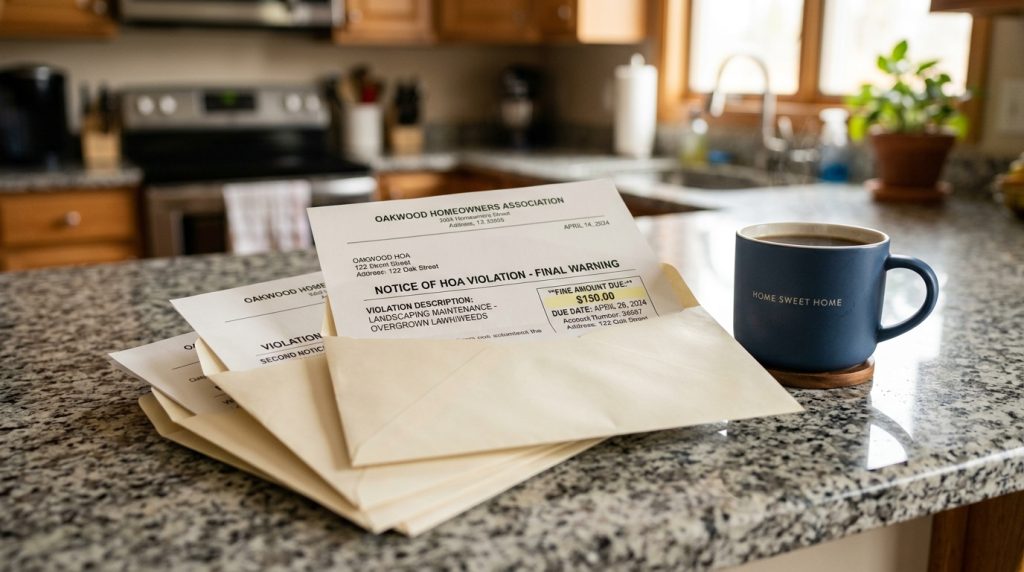
Most states cap what an HOA can fine you for a single violation. Arizona caps daily fines at $50. Florida requires a hearing before any fine over $100. Virginia limits fines to $50 per violation with a $900 annual cap.
Texas has no state-mandated cap on HOA fines.
Your CC&Rs set the limit, and most CC&Rs were written by the developer’s attorney before a single homeowner moved in. Some Texas HOAs fine $200 per day for ongoing violations. Others fine $500 per occurrence.
The fines compound, the late fees stack, and before the homeowner realizes the full amount, the number has crossed into territory where the HOA can pursue a lien.
$14,000 in fines for a fence that was two inches too tall. Not two feet. Two inches. A homeowner in a suburb outside Fort Worth accumulated that amount because the fines ran daily for months before the homeowner discovered the full balance, and by that point the HOA had already engaged its collections attorney.
In California, that scenario triggers automatic dispute resolution. In Texas, it triggers a lien.
3. Restrict Your Right to Display Political Signs
Texas does have a law that protects political sign display, but the protection is narrow in ways most homeowners don’t realize. Texas Property Code Section 202.009 allows HOAs to restrict the size, number, and duration of political signs.
Most HOAs interpret this aggressively, limiting signs to a 60-day window before an election and requiring specific dimensions.
Outside that window, your HOA can demand you remove a political sign entirely, and fine you daily if you refuse. In states like California, homeowners can display political signs of any kind at any time, with no HOA override. In Arizona, the window is broader and the size restrictions are looser.
Texas gives the HOA the drafting pen, and most HOAs use it.
The real friction happens during primaries, when homeowners assume they have the same protections they would in a general election cycle. Many CC&Rs only reference “general elections.” If your primary sign goes up outside the defined window, the violation letter arrives before the polls open.
4. Ban Certain Vehicle Types from Your Driveway
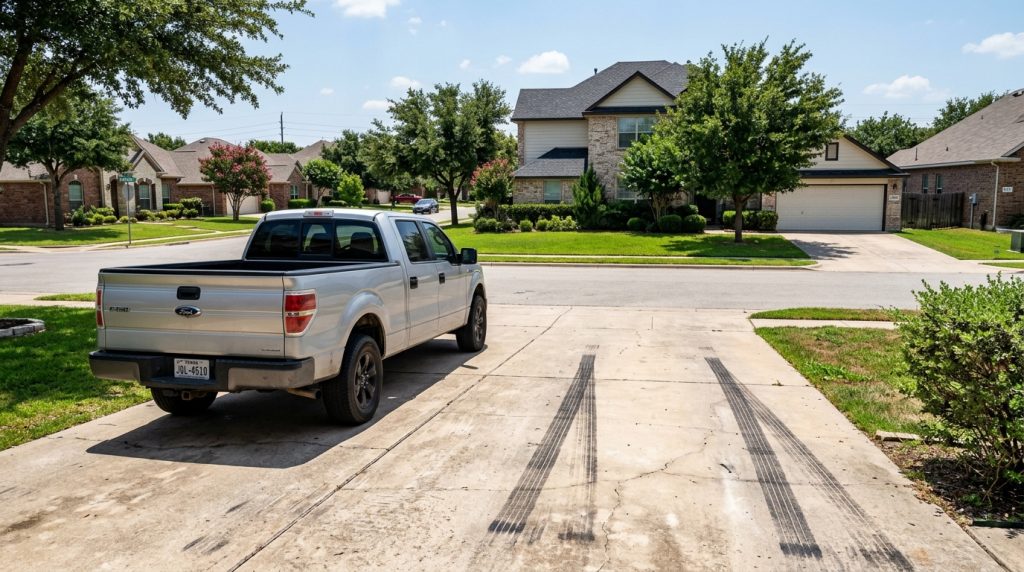
Texas HOAs routinely ban commercial vehicles, RVs, boats, trailers, and work trucks from driveways and streets within the community. The enforcement is not a suggestion.
YOU’LL ALSO LOVE30 Things in the 1970s Living Room That Would Confuse Anyone Under 30
In a state where pickup trucks outnumber sedans and half the workforce drives a vehicle with a company logo, this creates a daily conflict that most new homeowners never saw coming.
Chapter 202 of the Texas Property Code gives HOAs broad authority over vehicle restrictions as long as the CC&Rs spell them out. Some communities ban any vehicle over a specific gross weight. Others ban any vehicle with visible commercial signage.
A plumber parking his own work van in his own driveway can receive fines that escalate weekly.
In Florida, a 2021 law explicitly prohibits HOAs from banning pickup trucks from driveways regardless of CC&R language. Texas has no equivalent protection. Your truck, your driveway, their rules.
5. Mandate Specific Landscaping Species
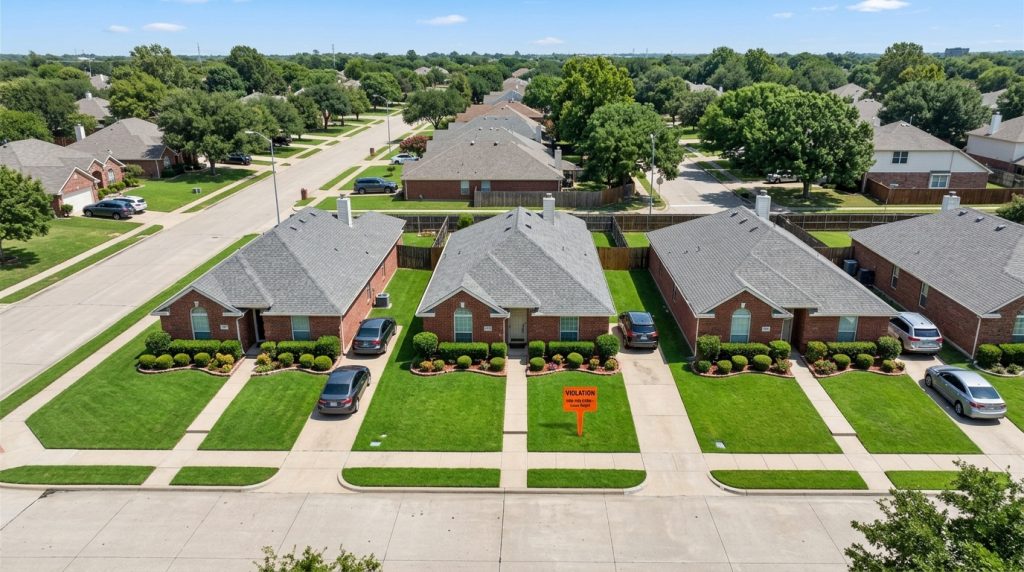
Texas HOAs can dictate not just that you maintain your landscaping, but which specific species of grass, shrubs, and trees you plant. Some Architectural Control Committees require Bermuda or St. Augustine grass exclusively, ban certain tree species for root behavior, and mandate approved shrub lists that homeowners must follow down to the cultivar.
If you replace your lawn with drought-tolerant native plants to reduce your water bill, your HOA can cite you for non-compliance.
Texas did pass a law in 2013 (HB 3391) that prevents HOAs from prohibiting xeriscaping entirely, but the law has a loophole wide enough to drive a riding mower through. HOAs can still require “aesthetic compatibility” standards defined by the board, and many boards define those standards so narrowly that only their pre-approved plant list qualifies.
A homeowner in a San Antonio suburb replaced turf with native Texas sage and buffalo grass and received a violation within three weeks. The board’s position was that the landscaping was “incompatible with community standards,” which in practice meant it did not look like the rest of the street.
The landscaping fight is personal for a lot of Texas homeowners. But the next one on this list hits the wallet harder.
6. Charge Special Assessments with Minimal Notice
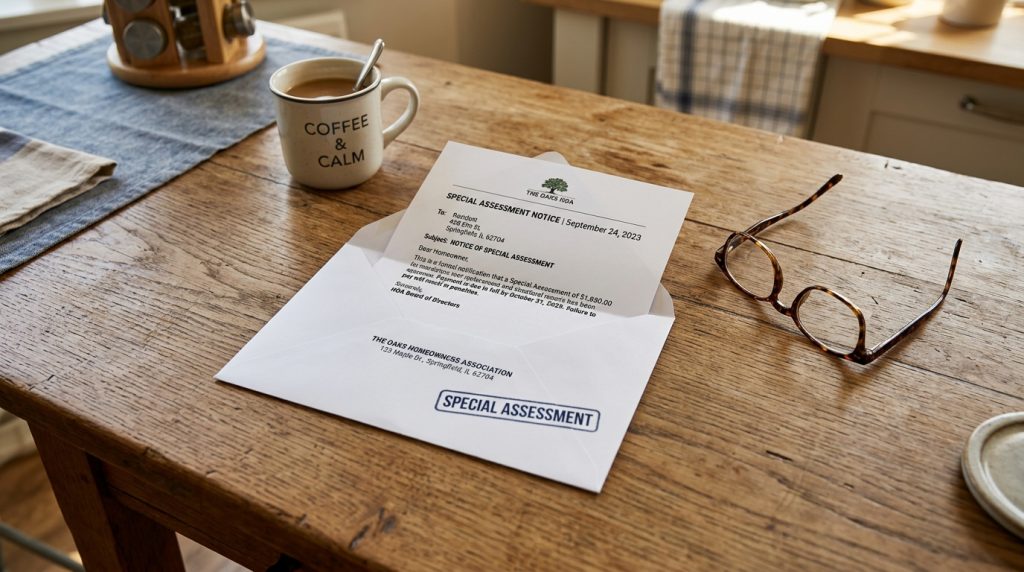
When a Texas HOA needs money for a major repair, infrastructure upgrade, or reserve shortfall, it can levy a special assessment on every homeowner. The process requires a board vote and written notice, but the timeline is compressed compared to most states.
In many jurisdictions, a special assessment over a certain dollar amount requires a full membership vote. In Texas, the threshold for requiring a membership vote is set by the CC&Rs, and many CC&Rs either set it extremely high or leave it to the board’s discretion.
A board of five people can approve a $5,000 per-unit special assessment with 30 days’ notice and zero input from the broader homeowner community.
That $5,000 is due regardless of whether you agreed, attended the meeting, or even knew the vote was happening. If you don’t pay, the amount gets added to your account, and the same lien and foreclosure machinery from item number one starts turning.
7. Restrict Your Right to Rent Your Home
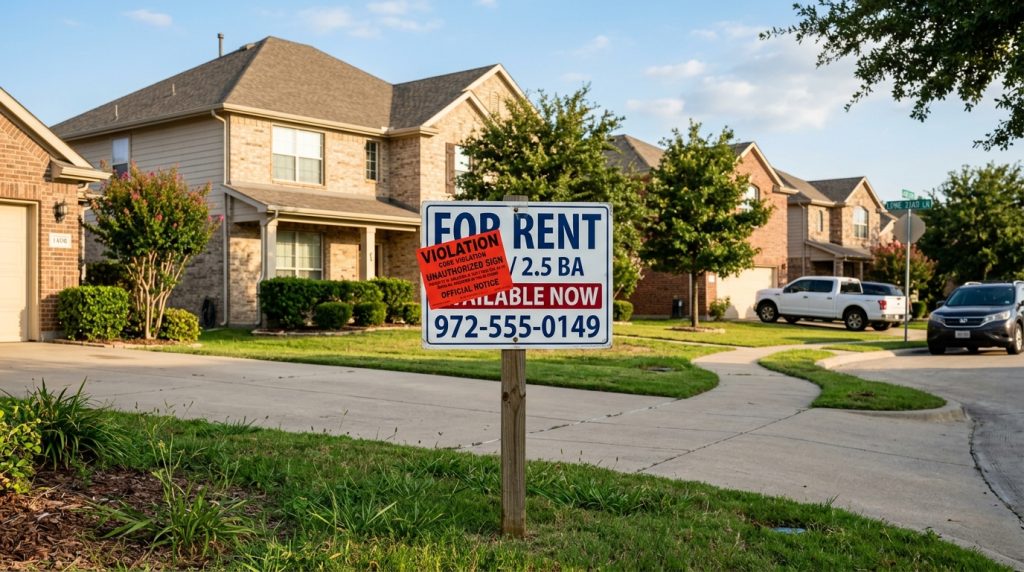
Texas HOAs can restrict or outright ban homeowners from renting their property. Some CC&Rs prohibit rentals entirely. Others cap the percentage of homes in the community that can be rented at any given time, creating a waitlist system. Others require board approval of every prospective tenant with the power to reject without explanation.
YOU’LL ALSO LOVE11 Neighborhood Rules Every Kid Knew in the ’80s That No Parent Would Allow Today
In most states, rental restrictions face significant legal pushback because they interfere with property rights. Texas courts have consistently upheld HOA rental restrictions as enforceable deed restrictions under the Texas Property Code.
A homeowner who purchased a property intending to rent it can discover months later that the CC&Rs prohibit the plan entirely, and the restriction survives even if the homeowner was not informed at closing.
The financial impact is enormous. A homeowner who relocates for work and cannot sell in a down market is stuck. The mortgage payment continues, the HOA dues continue, and the option to rent it out and cover costs does not exist.
8. Access Your Property for Inspections Without a Warrant
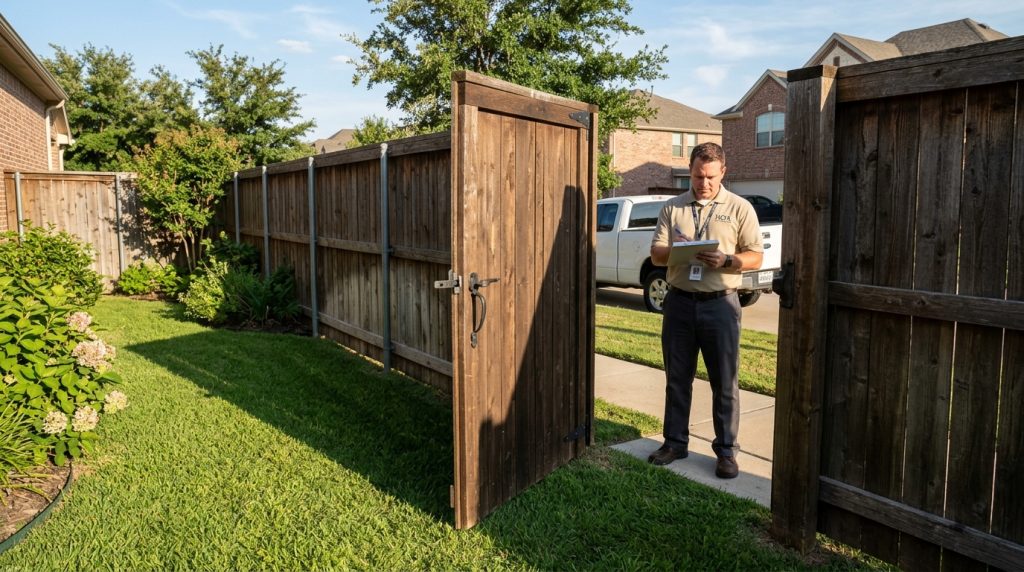
Many Texas CC&Rs include a right-of-access provision that allows HOA representatives to enter common areas, inspect exterior conditions, and in some cases access portions of private property for compliance inspections. This includes fenced backyards in communities where the CC&Rs define exterior improvements as within the HOA’s jurisdiction.
A city inspector needs a warrant or owner consent to inspect private property. Your HOA, operating under deed restrictions you agreed to at closing, does not.
The CC&Rs function as a private contract, and by purchasing the home, you consented to the access provisions embedded in them.
In practice, this means a board member or hired inspector can walk your property line, photograph your backyard, and document violations without knocking on your door. A homeowner in a Houston suburb discovered her backyard shed had been photographed and cited for a setback violation when she had been out of town for a week.
The access issue makes homeowners uncomfortable for obvious reasons. But the next power on this list is the one that changes the entire dynamic of how disputes actually play out.
9. Force You Into Mandatory Arbitration
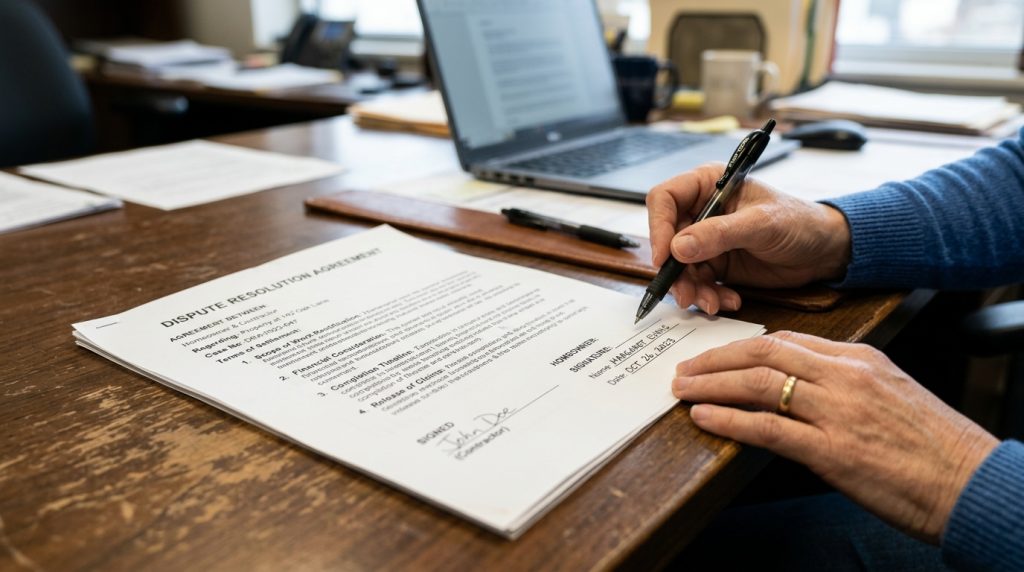
Texas Property Code Section 209.00593 establishes a mandatory alternative dispute resolution (ADR) process for certain HOA disputes. Before a homeowner can take their HOA to court over many types of violations, they must first go through the ADR process, which can involve mediation or a form of binding arbitration.
Filing fees, mediator costs, and attorney preparation can run $3,000 to $8,000 before a homeowner even gets to present their case. For a dispute over a $500 fine, the math doesn’t work.
Most homeowners drop the fight before the ADR process even begins, which is precisely the structural advantage the system creates.
In states like Colorado and Nevada, homeowners have more direct access to ombudsman programs or state agencies that mediate HOA disputes at low or no cost. Texas built a system that functions as a toll road between the homeowner and the courthouse.
10. Dissolve and Reconstitute the Board with Minimal Oversight
Texas law allows HOA boards to be elected by whoever shows up to the annual meeting, and quorum requirements are notoriously low. Most CC&Rs set quorum at 10% to 20% of eligible voters.
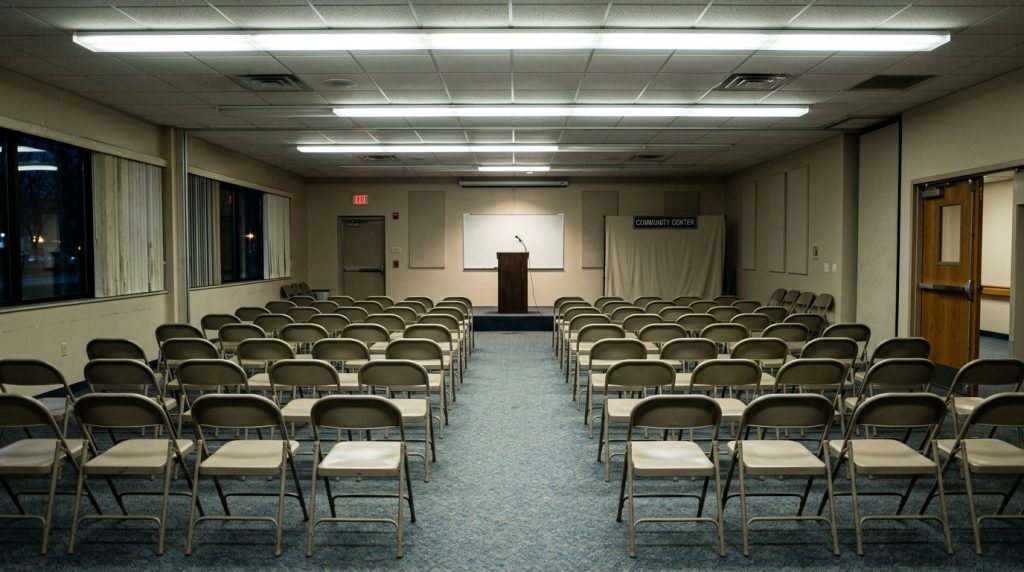
In a 500-home community with a 15% quorum, 75 homeowners can control the election, and in practice, far fewer actually attend.
YOU’LL ALSO LOVE25 ‘Common Sense’ Home Rules Everyone Followed in the 80s That Would Get You Laughed At Today
This means a small group of organized homeowners can effectively take over a board in a single election cycle. There is no state oversight body that monitors HOA elections in Texas. There is no required independent auditor for board actions. There is no mandatory transparency requirement for financial decisions below the special-assessment threshold.
Would you like to save this?
A group of five to seven homeowners in a Plano subdivision replaced the entire board at a single annual meeting attended by 32 people out of 480 eligible voters. The new board changed the enforcement posture of the HOA within 60 days, issued a wave of violations, and by the time the broader community realized what had happened, the fines were already accumulating.
11. Place a Lien on Your Property Before You Even Go to Court
In most states, a creditor who wants to place a lien on your property needs to go through a court process. Texas HOAs skip the courthouse entirely.
Under the Texas Property Code, an HOA can file an assessment lien against your property by recording a notice in the county records. No court order required. No hearing. No judicial review.
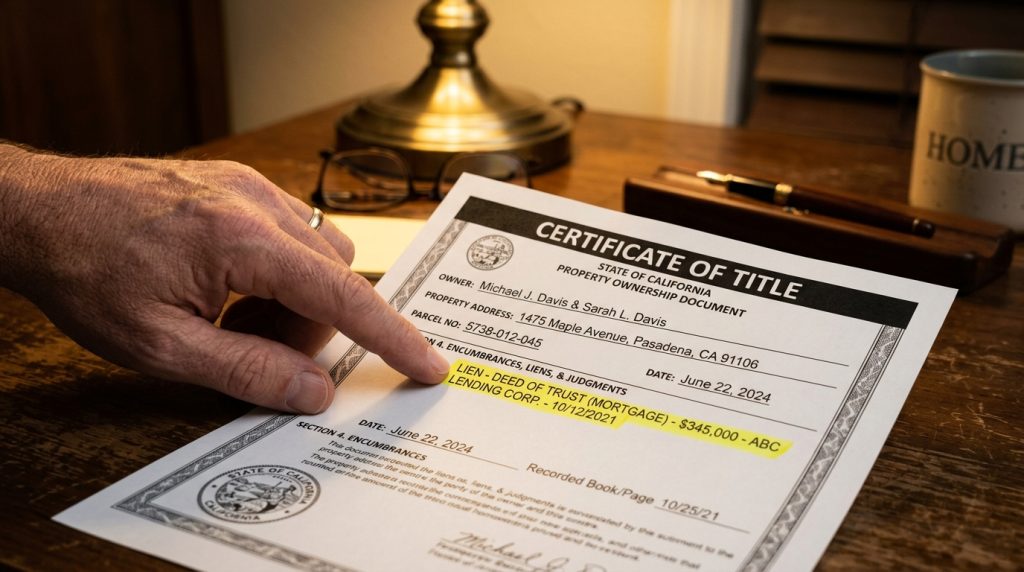
The lien attaches to your property the moment it is filed. It shows up on title searches, blocks refinancing, and complicates sales.
If you were not aware of the underlying dispute, you may not discover the lien until you try to sell or refinance and the title company flags it.
This is the equivalent of your neighbor being able to put a claim on your house by filing a piece of paper at the county clerk’s office. Except the neighbor is a corporation with an attorney on retainer, and the piece of paper carries the weight of a deed restriction.
In states with judicial lien requirements, the homeowner gets notice and a chance to respond before the lien attaches. Texas gives the HOA the ability to act first and let the homeowner challenge it later, at the homeowner’s expense.
12. Collect Attorney’s Fees That Exceed the Original Fine by 10x or More
This is the one that makes attorneys in other states recoil, and it is the structural mechanism that makes every other power on this list truly dangerous.
When a Texas HOA pursues enforcement action, the homeowner is responsible for the HOA’s attorney’s fees if the HOA prevails. This is not unusual in contract law. What makes Texas different is the scale and the absence of proportionality requirements.
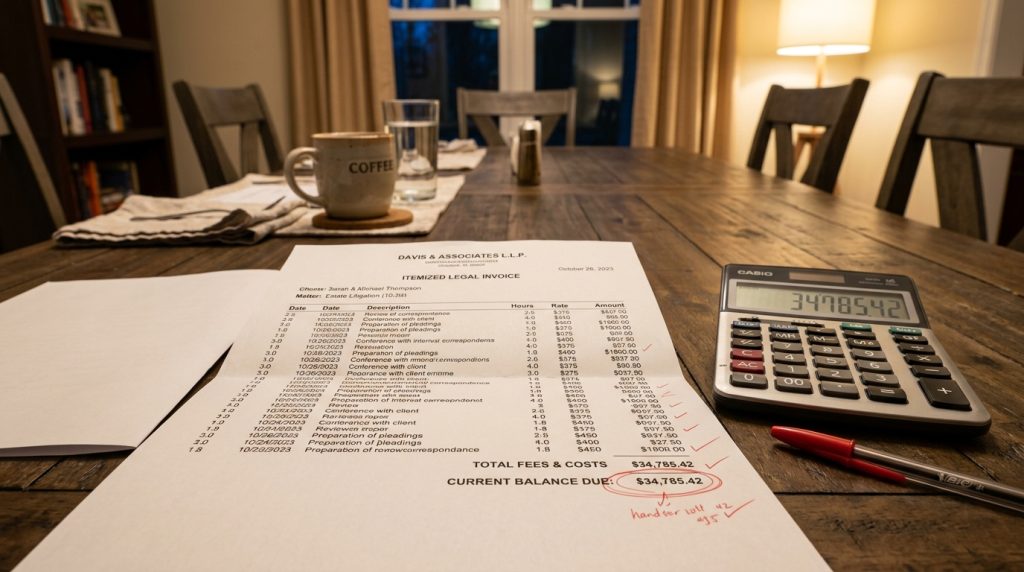
A $200 fine for an unapproved paint color can generate $3,000 in attorney’s fees before the first hearing. A $500 landscaping violation can produce $8,000 in legal costs.
Texas courts have upheld fee awards at ratios of 40-to-1. The fees are not capped by statute, and documented cases show ratios of 10-to-1, 20-to-1, and in some cases even higher.
The math creates a chilling effect that is the real story behind every item on this list. Homeowners don’t fight because fighting costs more than surrendering.
The $200 fine that you know is wrong becomes a $200 fine you pay anyway because the alternative is a $6,000 legal battle you might win but can’t afford to wage.
No other state in the country lets this ratio run as unchecked as Texas does. And that ratio is why every other power on this list carries the weight it does.
13. Suspend Your Voting Rights for Non-Payment
If you fall behind on HOA assessments in Texas, many CC&Rs allow the board to suspend your voting rights until the account is current. This means the homeowners most affected by board decisions, the ones being fined, the ones disputing charges, the ones facing liens, are the homeowners who lose their ability to vote on board membership and policy changes.
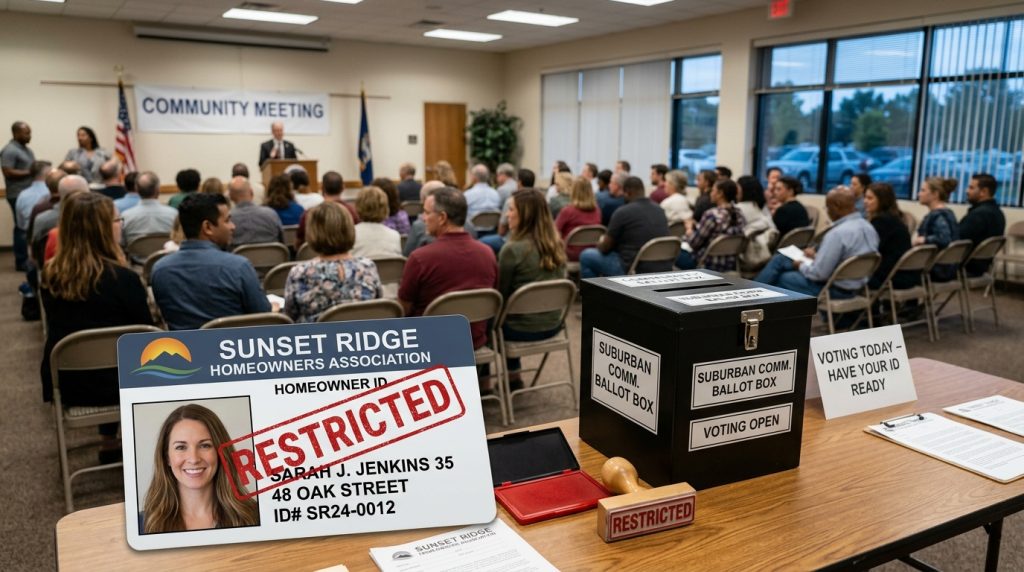
The structural problem is circular. The homeowner disputes a fine. The fine accrues. The account becomes delinquent. The voting rights are suspended. The board that issued the fine stays in power partly because the people who would vote against it have been removed from the electorate.
In states like Nevada, suspending voting rights for non-payment is either prohibited or tightly regulated. Texas leaves the question to the CC&Rs, and most CC&Rs were drafted by the developer’s legal team with no homeowner input.
14. Enforce Rules That Were Never Voted on by Homeowners
The CC&Rs that govern a Texas HOA are typically drafted by the developer before the community is built. The first homeowner who moves in is bound by those restrictions, and so is every subsequent buyer.
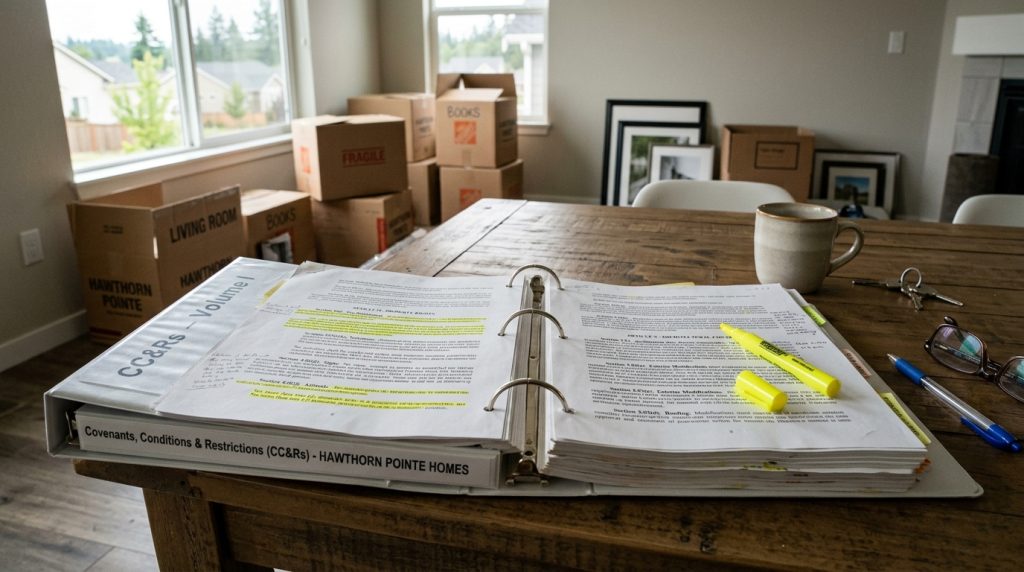
The restrictions run with the land, meaning they attach to the property itself, not to the person who agreed to them.
In practice, this means rules written in 2004 by a developer’s attorney govern homeowner behavior in 2026. The original drafter is long gone. The community that exists bears no resemblance to the one the developer imagined. But the restrictions persist, enforceable, binding, and backed by every power on this list.
Some states require periodic CC&R review or sunset clauses that force communities to re-ratify their governing documents. Texas does not.
Amending CC&Rs requires a supermajority vote, typically 67% of all eligible voters. In a community where annual meeting attendance runs 8% to 12%, achieving that threshold is essentially impossible without a years-long organizing campaign.
That means the rules that govern your paint color, your landscaping, your driveway, your rental rights, and your ability to display a sign were likely written by someone who never lived in the neighborhood, never met a single homeowner, and never intended the document to last 20 years.
But it did. And in Texas, it carries the force of a property deed.
What Most Texas Homeowners Don’t Know About Opting Out
Here is something most homeowners never hear at closing.
Texas Property Code Section 209.0041 gives homeowners the right to request a formal hearing with the HOA before certain fines are imposed. The hearing must follow specific procedural rules, including written notice and the right to present evidence.
Many HOAs skip this step entirely, and homeowners who are unaware of the requirement simply pay the fine or accept the violation.
Requesting the hearing does not guarantee a different outcome, but it creates a documented record that becomes critical if the dispute escalates to arbitration or court. The homeowners who fare best in Texas HOA disputes are the ones who respond in writing to every notice, request every hearing, and force the board to follow its own procedures.
Most boards count on homeowners not knowing the process exists.
Which of these surprised you the most? If you live in a Texas HOA, which one have you already experienced firsthand?