
Your kids are not bad at buying a house. They researched neighborhoods for months. They sat through the pre-approval process without complaining.
They even asked you about property taxes, which honestly surprised you.
But 42% of Gen Z homeowners already regret their purchase, and the mistakes driving that number are ones you can spot from across the dinner table before they happen. The problem is not effort. It is experience.
The mistakes that cost first-time buyers the most are the ones that feel like smart decisions at the time. Number 14 on this list is the one that will make you want to pick up the phone tonight.
1. Spending Every Dollar the Bank Said They Could

Would you like to save this?
The bank approved them for $420,000. So they went shopping at $420,000.
What nobody explained is that a pre-approval ceiling is not a spending recommendation. It does not account for groceries, car payments, childcare, or the $507 per month the average homeowner spends on maintenance and repairs.
$2,580 a month before taxes and insurance.
Add those in, and the real number creeps past $3,200. That leaves a lot less room for living than they expected.
2. Skipping the Home Inspection to “Win” the Offer
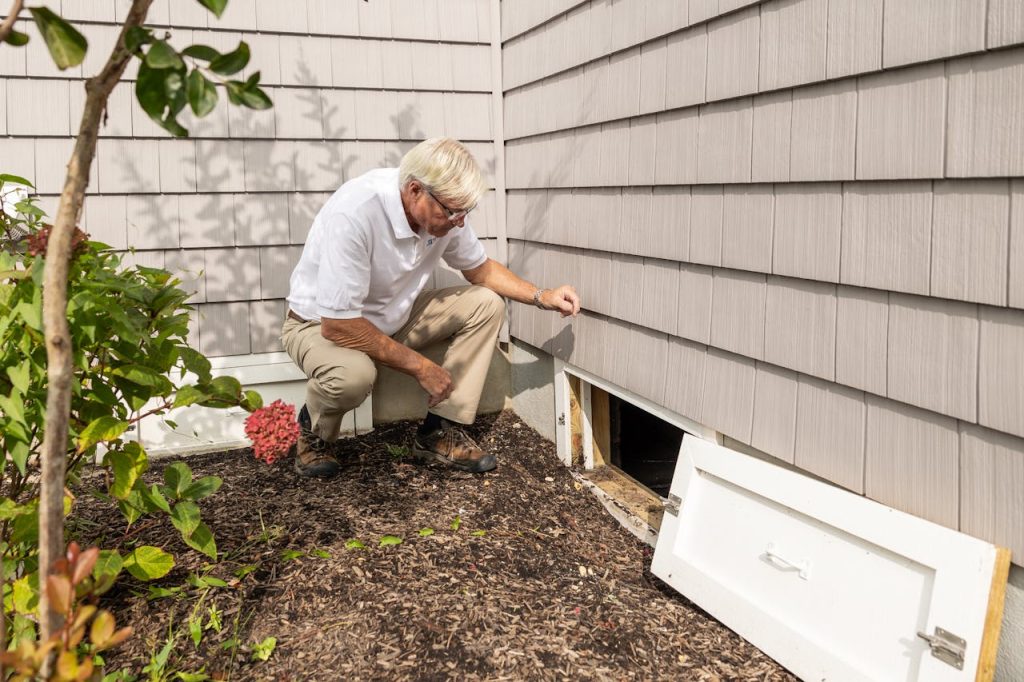
During the bidding wars of 2021 and 2022, waiving inspections became almost normal. That trend has slowed down by about 60% in balanced markets, but plenty of young buyers still skip it to look competitive.
A standard home inspection costs $300 to $600.
YOU’LL ALSO LOVE25 Things About Your Home That Visitors Notice in the First 10 Seconds (But Never Tell You)
Ninety percent of homes have at least one significant defect. The math here is not complicated, and you probably told them exactly this before they submitted the offer.
3. Forgetting That Property Taxes Go Up

They budgeted for the current tax bill. They did not budget for the reassessment that happens after the sale, when the county adjusts the home’s value to match the purchase price.
In many states, that means a jump of $1,200 to $3,000 in the first year alone.
The average property tax bill in 2025 hit around $3,100 nationally, and it rarely trends downward.
4. Not Having an Emergency Fund After Closing

They drained every savings account to cover the down payment and closing costs.
Then the water heater died six weeks later.
59% of American homeowners cannot cover a $5,000 emergency repair without going into credit card debt.
That statistic hits even harder when you realize the median first-time buyer puts down just 10%, which often means arriving at the new house with almost nothing in reserve.
5. Choosing the House Over the Neighborhood

They fell in love with a kitchen island and ignored the 45-minute commute, the underperforming school district, and the fact that the nearest grocery store requires a highway merge.
You can renovate a kitchen for $25,000. You cannot relocate the neighborhood.
Every real estate agent knows this, and most of them have watched young buyers learn it the expensive way.
But here is where it starts to get expensive in ways they never calculated.
6. Ignoring HOA Fees Until the First Bill

HOA fees feel abstract until that first $250 monthly charge shows up alongside the mortgage.
The median HOA fee has climbed to $135 per month nationally, but in newer developments and condos, fees of $300 to $500 are common.
Between 2022 and 2025, HOA-related foreclosures jumped 50% nationally. Your kids probably never asked what the HOA actually covers, whether the reserve fund is healthy, or what special assessments are pending.
7. Buying With a Partner Before Talking About Money
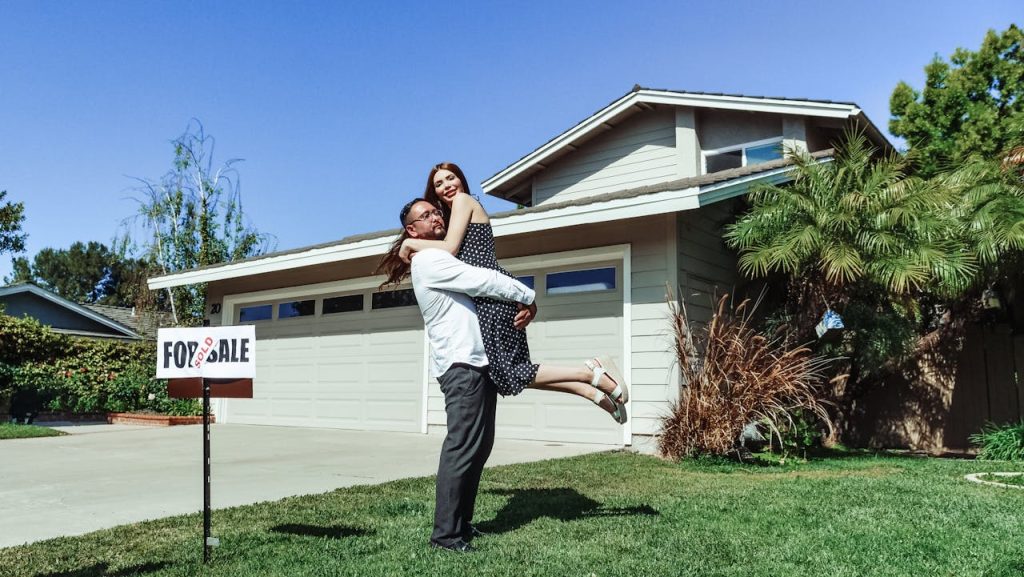
They are splitting the mortgage with someone they have been dating for two years. Nobody discussed what happens if they break up, who keeps the house, or whose credit takes the hit if one person stops paying.
YOU’LL ALSO LOVE30 Things in the 1970s Living Room That Would Confuse Anyone Under 30
Unmarried co-buyers have almost no legal protections without a separate ownership agreement, and hiring a lawyer to draft one costs about $500.
Skipping that conversation is not optimism. It is a financial blindfold.
8. Not Shopping for Mortgage Rates

They went with the first lender who answered the phone.
Borrowers who compare at least four lenders save up to $1,200 annually on their mortgage.
Over 30 years, that difference compounds into tens of thousands of dollars. The gap between the lowest and highest offered rate on the same day can be a full half-point, and at today’s home prices, that half-point matters more than it did when houses cost $180,000.
9. Picking a 30-Year Loan Without Considering a 15-Year

The 30-year fixed is the default, and it exists for a reason. But most first-time buyers never even run the numbers on a 15-year.
On a $350,000 mortgage at 6.2%, the 30-year costs roughly $213,000 in total interest.
The 15-year costs about $101,000.
That is $112,000 in savings for a monthly payment increase of around $750. It is not always the right move, but it should at least be part of the conversation.
10. Falling for the Adjustable-Rate Teaser

The 5/1 Adjustable Rate Mortgage sits around 5.6% right now, compared to 6.2% on a 30-year fixed. That gap looks like free money.
What your kids may not realize is that after five years, the rate adjusts annually, and in a rising-rate environment, monthly payments can jump by hundreds of dollars.
ARMs work for people who plan to sell or refinance before the adjustment. They do not work for people who plan to live somewhere for a decade and forgot they signed one.
How Many First-Time Buyers Read the Fine Print
Take a guess at how many first-time buyers actually read the full terms of their adjustable-rate mortgage.
According to a Consumer Financial Protection Bureau survey, fewer than half fully understood the adjustment terms before signing.
11. Underestimating Insurance Costs (and Increases)
They shopped for the cheapest policy and called it done.
Between 2021 and 2024, the average cost of homeowners’ insurance climbed more than 24% nationally. In states like Illinois, premiums jumped over 50%.
YOU’LL ALSO LOVE11 Neighborhood Rules Every Kid Knew in the ’80s That No Parent Would Allow Today
Insurance is not static. It increases every single year, and the cheapest policy often has the highest deductible, which means when something actually goes wrong, they are still paying out of pocket.
12. Not Budgeting for the First Year of Ownership
The first year costs more than every other year of homeownership. New curtains, a lawnmower, that weird drip in the basement nobody mentioned, and the realization that the previous owner took all the light bulbs.
$6,087 annually on repairs and maintenance alone.
First-year buyers typically spend 30% more than that because deferred maintenance from the seller becomes their problem on day one.
Now here is the mistake that will make you close your eyes and shake your head slowly.
13. Making Big Purchases Before Closing
They bought a new car two weeks before closing. Or opened a credit card for furniture at the home store. Or financed a refrigerator.
Any new debt between pre-approval and closing can tank the mortgage.
Lenders pull credit again right before funding, and a new car payment that pushes the debt-to-income ratio above 43% can kill the entire deal. You probably knew this. They found out the hard way.
14. Buying the Cheapest House on the Most Expensive Street
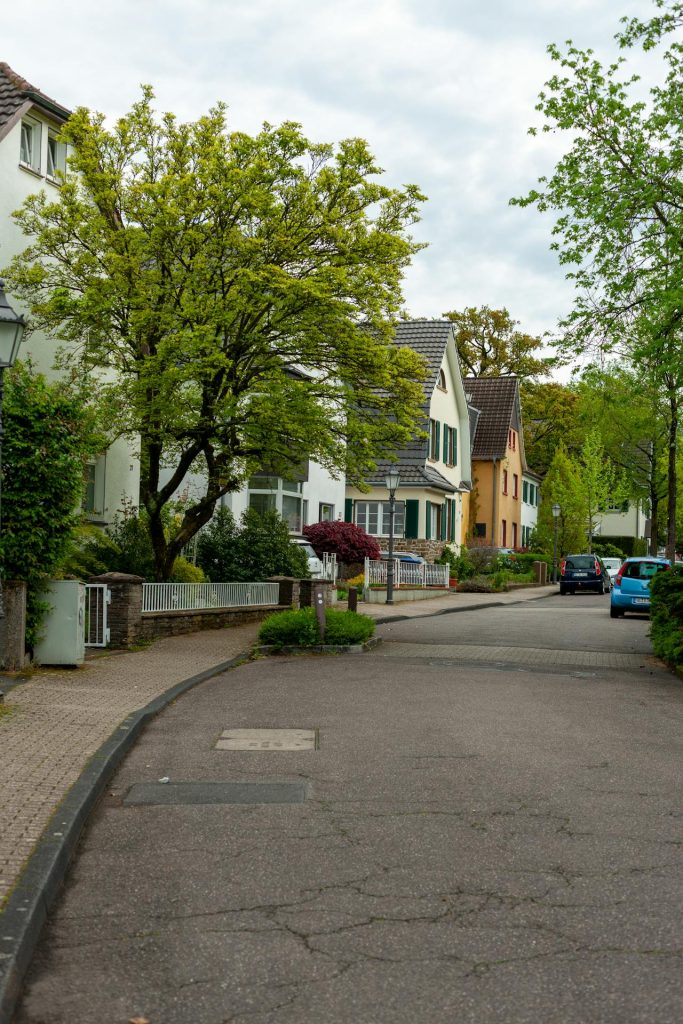
It sounds like a bargain. It is actually a trap.
The cheapest house on the block is usually cheap for a reason: deferred maintenance, an awkward layout, or a foundation issue the seller priced into the listing.
And while real estate advice says you “win” by buying low in a good neighborhood, first-time buyers rarely have the cash to bring a neglected house up to the block’s standard.
That $40,000 “discount” becomes $60,000 in repairs within three years.
15. Ignoring the Commute During the Weekend Tour

They toured the house on a Saturday at 11 a.m. The drive from the new house to their office took 22 minutes.
On a Monday at 7:45 a.m., it takes 58.
Commute costs add up to an average of $8,500 per year in gas, tolls, and vehicle wear for a 30-mile round trip.
That is $708 a month they did not factor into the housing budget, and it makes that “affordable” suburb a lot less affordable.
YOU’LL ALSO LOVE25 ‘Common Sense’ Home Rules Everyone Followed in the 80s That Would Get You Laughed At Today
16. Waiving the Appraisal Gap Without Understanding It
In competitive markets, buyers offer to cover the gap if the home appraises below the purchase price.
That sounds aggressive and smart until the house appraises $25,000 below what they offered and they need to write a check for the difference at closing.
If they drained their savings for the down payment, that check does not exist.
17. Trusting the Listing Photos Over the Actual Walk-Through
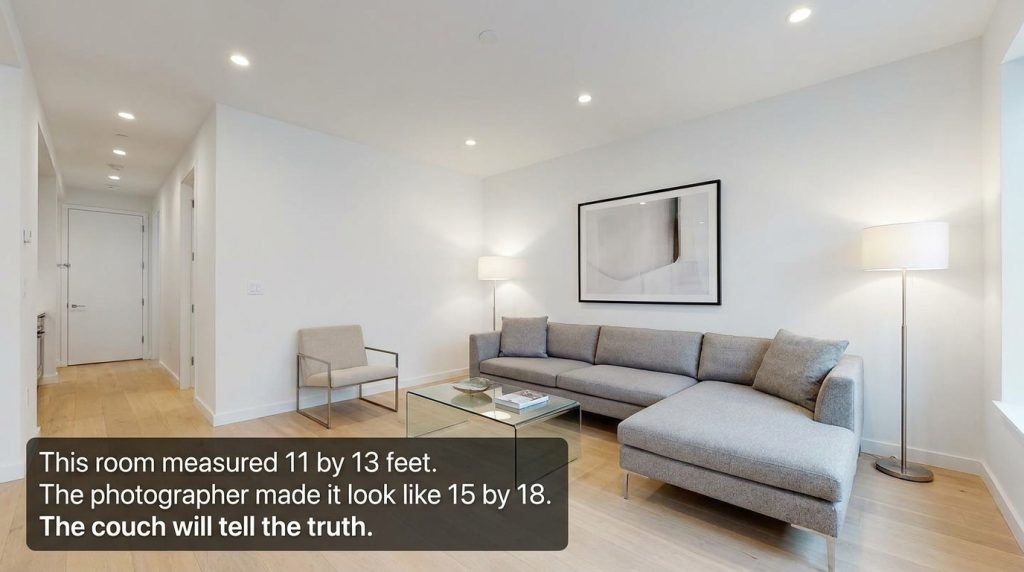
Wide-angle lenses make 10-by-10 bedrooms look like suites. Overhead lighting hides water stains.
Staged furniture creates the illusion of space that disappears when their actual couch shows up. Your kids scrolled through 47 photos and fell in love before stepping inside.
Would you like to save this?
And when they finally did the walk-through, confirmation bias had already locked in.
But the financial mistakes are just the start. The house itself has a few lessons waiting.
18. Skipping the Sewer Line Inspection
A standard home inspection covers the roof, HVAC, electrical, and plumbing you can see. It does not cover the sewer line running from the house to the street.
A sewer scope costs $150 to $300.
A sewer line replacement costs $5,000 to $25,000.
In homes built before 1980, tree roots and clay pipe deterioration are almost guaranteed to cause problems within the first five years. This is the inspection your kids did not know existed.
19. Not Checking the Age of the Roof and HVAC
An aging furnace demands a $2,500 to $5,000 replacement with almost no warning.
A roof replacement runs $8,000 to $15,000 for a standard single-family home.
If the roof is 18 years into a 20-year lifespan and the HVAC unit was installed when they were in middle school, those costs are not hypothetical. They are a calendar appointment.
And they did not ask about either one during the walk-through.
20. Assuming the Seller’s Disclosure Tells the Whole Story
Sellers are legally required to disclose known defects. The key word is “known.”
A seller who never went into the crawl space does not know about the moisture problem down there. A seller who painted over a crack does not technically know it was structural.
Disclosure forms protect sellers more than they protect buyers, and the only real protection is a thorough, independent inspection paid for by the person spending $350,000.

21. Forgetting About Closing Costs Entirely
They saved $35,000 for a down payment and thought that was the end of the math.
Closing costs run 2% to 5% of the home’s purchase price.
On a $380,000 home, that is $7,600 to $19,000 in title fees, lender charges, prepaid taxes, and insurance escrow.
It arrives as a final number at the closing table, and the look on their face when they see it is the same look you had 30 years ago.
22. Buying for Right Now Instead of Five Years From Now
They need two bedrooms. They bought two bedrooms.
They did not think about the second kid, the work-from-home office, the aging parent who might need a room, or the dog that turned out to be 80 pounds instead of 40.
Selling a house within three to five years of buying it almost always costs money after agent commissions, closing costs, and potential market dips. Buying slightly more space than you need today is almost always cheaper than selling and rebuying tomorrow.
And this last batch? These are the ones that will have you nodding the hardest.
23. Not Getting a Pre-Approval Before Shopping
They found their dream house, called a lender, and learned the approval process takes two to four weeks. By the time they were ready, the house had three other offers.
Pre-approval costs nothing, takes a few days, and tells you exactly what you can afford before you start falling in love with things you cannot have.
42% of Gen Z homeowners said they regretted their purchase. Starting without a clear budget is how regret begins.
24. Letting Emotions Override the Numbers
The house has a claw-foot tub, a reading nook, and a backyard that photographs like a magazine spread.
It also has knob-and-tube wiring, a 22-year-old roof, and a driveway that slopes toward the foundation.
They saw the tub. You saw the roof.
The difference between a first-time buyer and a seasoned homeowner is knowing which details are cosmetic and which ones are structural. You learned this the hard way. They are about to.
25. Not Calling You First

This is the one that stings.
They wanted to prove they could do it on their own. They googled everything, watched YouTube walkthroughs, and asked a friend from work who bought a condo in 2019.
But they did not ask the person who has been paying a mortgage for 25 years, who replaced a roof, who survived a reassessment, and who once sat in a closing office wondering where all the money went.
You have made every mistake on this list. That is exactly why they should have called.
The One Number That Tells You Everything
Ask your kids this question: what percentage of your monthly take-home pay goes to housing?
If the answer is above 30%, they are house-poor, even if the mortgage was approved.
Lenders will approve buyers up to 43% debt-to-income ratio on some loan programs. That does not mean 43% is comfortable. It means 43% is the ceiling before the bank says no.
The sweet spot for first-time buyers is keeping total housing costs, including taxes, insurance, HOA, and maintenance, under 28% of gross income. If they are already past that line, the fix is not earning more. The fix is making the next decision with a calculator instead of a Pinterest board.
Which of these mistakes did your kids make? And more importantly, which ones did you make 25 years ago that you can still feel today?