
You are not lazy.
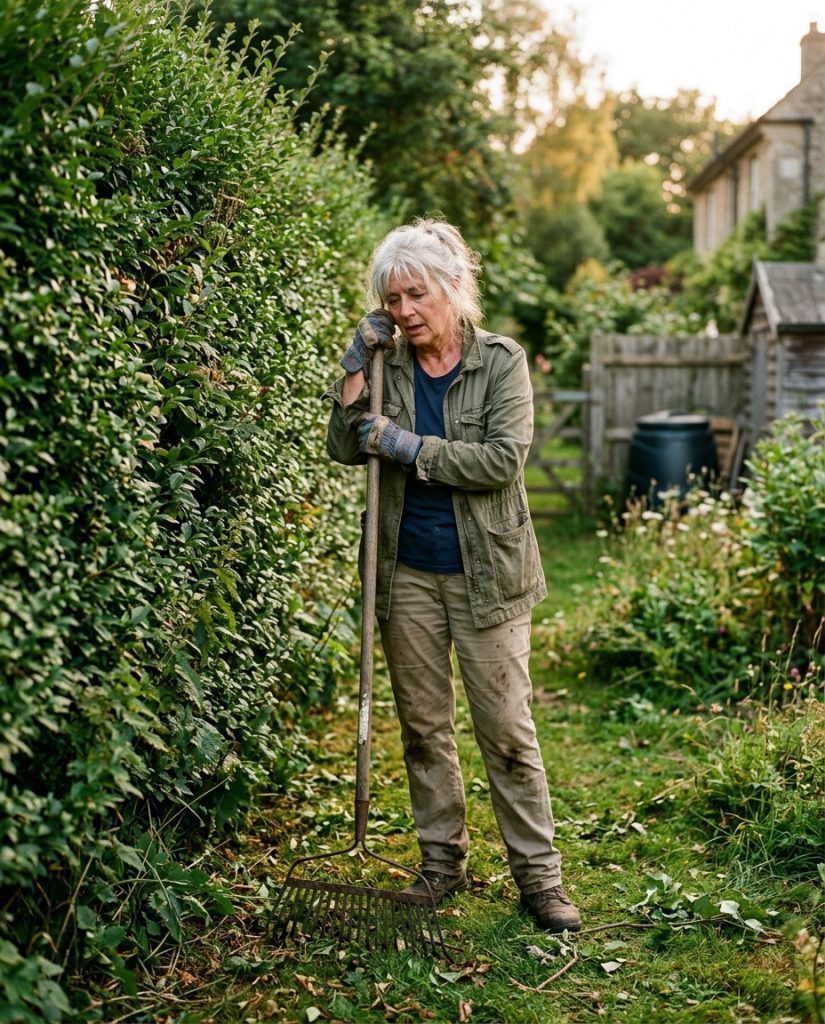
You planted that big lawn because you pictured grandkids running across it. You put in the hedge for privacy and dug the pond because running water sounded like the retirement you earned.
Would you like to save this?
None of it was a mistake at the time.
But somewhere around year three, the yard stopped being the place you relaxed and turned into a second job you never applied for. Here are the choices retirees say they would undo, and the lower care swap for each one that hands your Saturdays back.
Owning a Big Lawn That Needs Constant Mowing
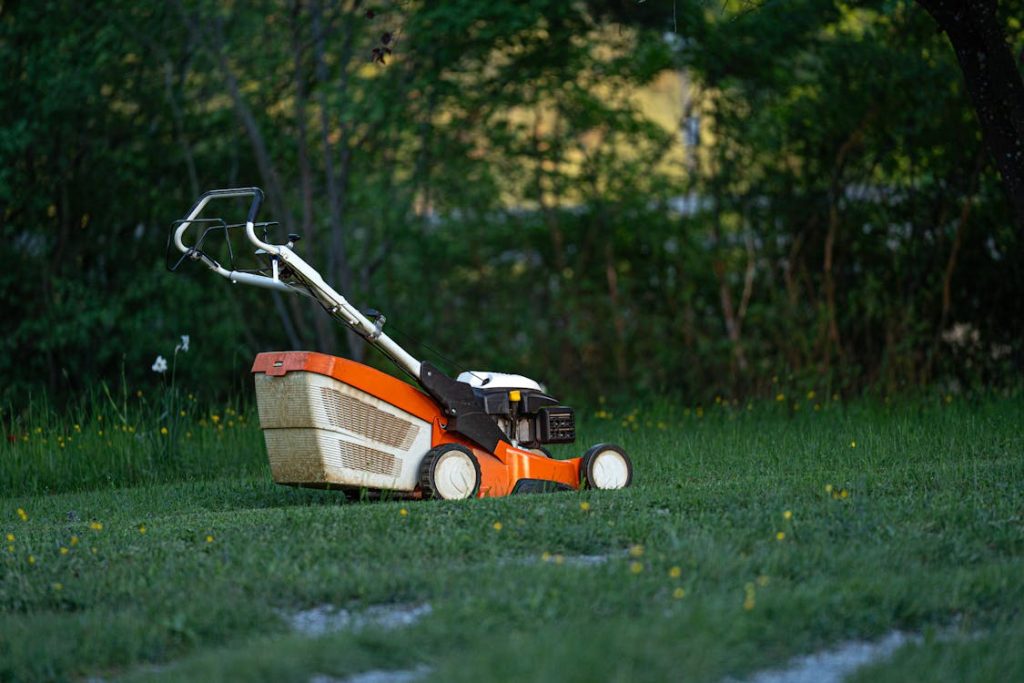
Take a guess. How many hours a year does the average homeowner pour into lawn care during the growing season? Most people say twenty, maybe thirty.
The real range, once you add mowing, edging, weeding, fertilizing, and dragging the bag to the curb, lands between 52 and 160 hours a year.
That is up to four full work weeks spent walking behind a machine.
For someone in their thirties, that is an annoyance. At 68, with a shoulder that complains every time you yank the starter cord, it is the reason you start dreading Saturday on Thursday. A big lawn looks generous on a sunny day in May. By July it is a heat soaked obligation that has to be mowed whether your knee agrees or not.
The relief move is to shrink the grass, not the yard. Replace the outer third with native ornamental grasses like little bluestem, which most homeowners mow exactly once, in late winter, and otherwise leave alone.
YOU’LL ALSO LOVE25 Things About Your Home That Visitors Notice in the First 10 Seconds (But Never Tell You)
The lawn that used to eat a weekend now takes twenty minutes, and the part you converted waves in the wind instead of begging for the mower.
Here is where the upkeep gets quietly worse.
Planting a Fast Growing Privacy Hedge
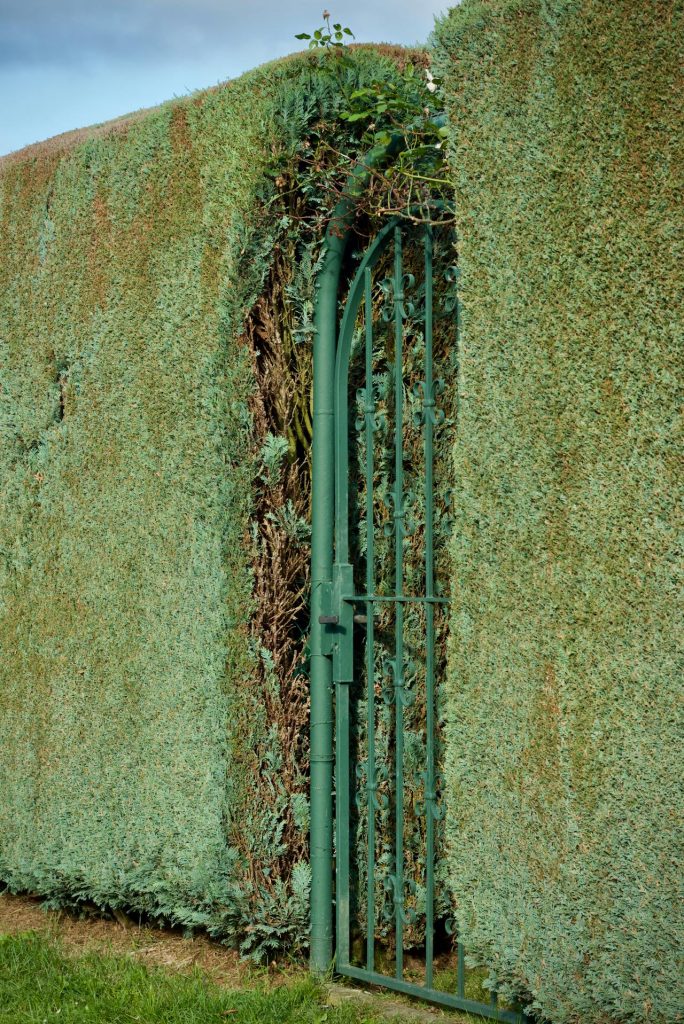
Fast growing hedges are sold as the shortcut to privacy. What the garden center forgets to mention is the contract you just signed.
A Leyland cypress puts on up to three feet a year, and to keep it looking sharp you are trimming twice every season, every year, for as long as you own the house. Privet is no kinder. It wants two cuts a year minimum just to stay tidy.
The first few years you handle it from the ground. Then it crests eight feet, then ten, and suddenly you are balancing on a ladder with a running blade at chest height, which is exactly the situation nobody over 60 should be in.
Miss a single year and that hedge climbs to a height where you have to call a tree service with a platform to bring it back down.
One gardener put the regret plainly on a forum. “I wanted a green wall. I got a green treadmill that I can never step off.”
The swap is a slow, well behaved evergreen. A row of boxwood or a native holly tops out at a manageable height and asks for one light shaping a year.
You trade a little instant privacy for two decades of not climbing a ladder you no longer trust.
Putting In a Koi Pond or Water Feature
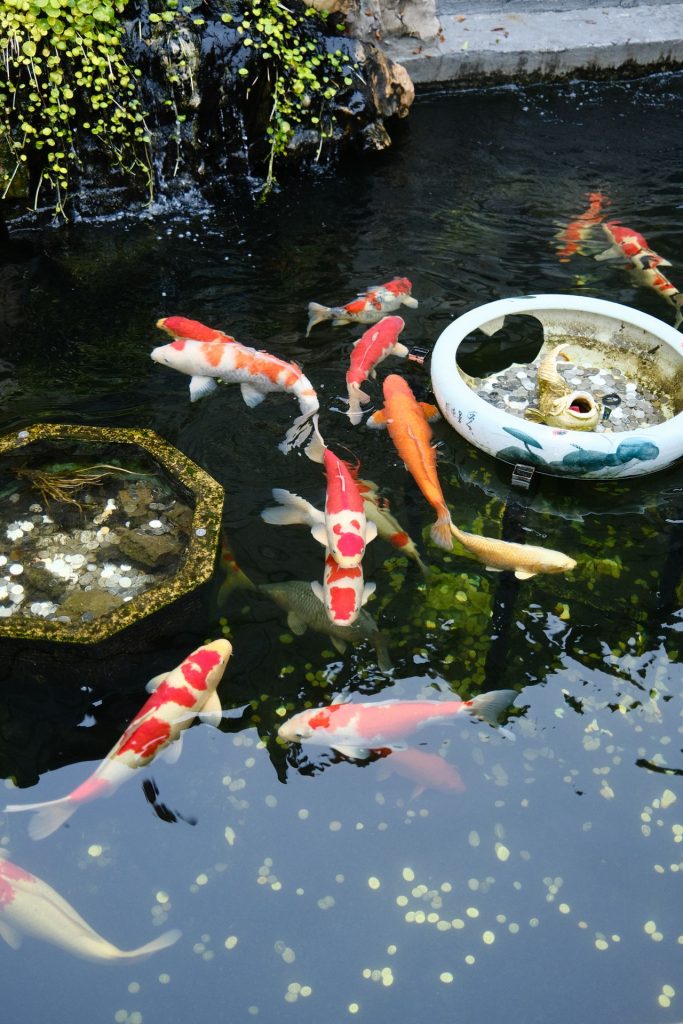
That koi pond was supposed to be the soul of the backyard. For many retirees it becomes the most expensive square footage they own.
Maintaining a planted pond with koi runs between $1,000 and $2,000 a year once you add filtration, water testing, food, and the seasonal cleanouts.
The pump alone, running around the clock, can add roughly $175 a year to your electric bill without doing a single visible thing.
YOU’LL ALSO LOVE30 Things in the 1970s Living Room That Would Confuse Anyone Under 30
Then there is the labor you cannot skip. A koi pond needs a few minutes of attention every week and a deep cleaning every three months, and a large pond can swallow a full day per cleanout. Koi are sensitive to water chemistry, so a missed week is not a cosmetic problem. It is a sick fish problem.
Picture the difference in your hands. A clean pond is cool and clear when you dip a net in spring. A neglected one in August is warm, green, and slick, and the smell tells you the algae won before you did.
That swing from joy to dread is why pond regret is so common.
If you love the sound of water, keep the sound and lose the ecosystem. A self contained recirculating fountain or a small bubbling boulder gives you the trickle without the $2,000 a year, the testing kit, or the three month cleanout that always lands on a hot weekend.
Most people walk right past the next one until the seedlings show up.
Choosing Gravel Beds Over Mulch
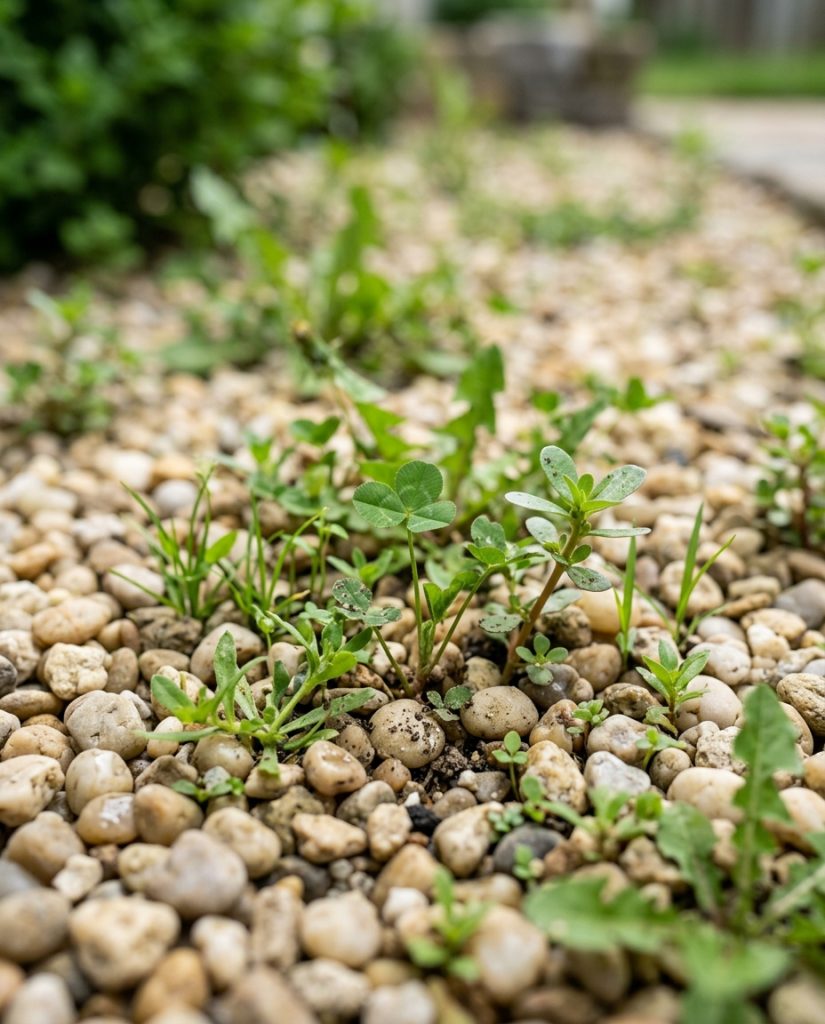
Gravel gets sold as the no-maintenance answer to a thirsty lawn. The dirty secret is that there is no such thing as a maintenance-free gravel bed.
Within a couple of seasons, wind blown dust, decomposed leaves, and drifting soil settle between the stones and build a thin layer of dirt right on top. That layer is a seed bed.
Dandelions, thistle, and grass move in, and now you are weeding stone instead of soil, which is harder on the back and the patience.
The landscape fabric underneath does not save you either. It clogs, it tears, and the honest guidance is to rake the gravel off and replace the fabric every couple of years. That is a brutal job to discover at 70.
Here is the insider detail most homeowners learn too late. Gravel over fabric is a short term win and a long term chore.
The lower care version is a generous layer of shredded bark mulch over a planted bed of native perennials. The mulch breaks down and feeds the soil instead of trapping a dirt crust, and you top it up once a year instead of fighting weeds in rock all summer.
Filling Beds With Annual Flowers Every Spring
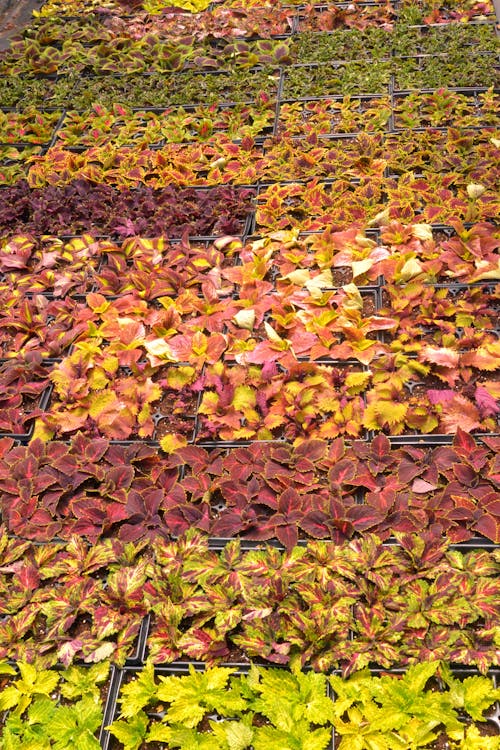
Image Credit: John Robertson
There is a specific kind of tired that hits when you are kneeling on a foam pad in May, planting the same flowers you planted last May, knowing you will do it again next May.
YOU’LL ALSO LOVE11 Neighborhood Rules Every Kid Knew in the ’80s That No Parent Would Allow Today
Annual flower beds are a renewable expense. Every single year they die, and every single year you buy and replant the whole thing.
The math stings once you see it. A flat of annuals runs about $10 and fills only a small patch, so a modest set of beds can cost around $30 and up each spring just in plants, before you count the soil, the mulch, and the hours on your knees.
Landscapers price annual color at roughly $12 per square foot installed, which tells you how labor heavy it really is.
Now run the comparison. A hardy daylily costs about $4, comes back on its own, and multiplies.
Five or six perennials that would have cost you $24 once will divide and spread for years, and over five seasons that swap saves around $150 while eliminating the replant ritual entirely. You lose nothing in color. You just stop paying the spring tax.
That is the warmup. The next two are the ones that physically wear people down.
Building Terraced Beds on a Slope
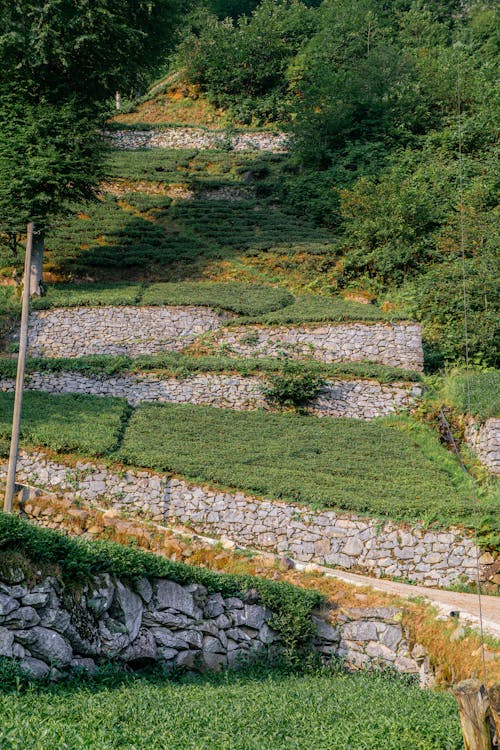
Image Credit: Pexels Eren Arıcı
A sloped yard is its own warning. Slopes are difficult to mow, awkward to plant, and prone to washing out in a hard rain.
Terraced beds look like the elegant fix, and structurally they are. What the design photos never show is the daily reality of maintaining them.
Every bed up that hillside is a separate climb, and you make it carrying a watering can, a tool bucket, or a bag of mulch.
A 45 degree slope is not just hard to work, it is genuinely dangerous to mow. That is fine information at 40. At 72 it is the difference between gardening and a fall.
One retiree summed up the whole regret in a sentence. “I built the terraces when I was 55 and could take the steps two at a time. Now each level is a decision about whether my hip is up for it today.”
The kinder approach is to stop fighting the hill. Plant the slope once with deep rooted native groundcovers and shrubs that hold the soil, control erosion, and never ask to be mowed or replanted.
YOU’LL ALSO LOVE25 ‘Common Sense’ Home Rules Everyone Followed in the 80s That Would Get You Laughed At Today
You give up the tidy planted terraces and you get a hillside that takes care of itself while you watch from a flat chair.
Growing High Maintenance Hybrid Tea Roses
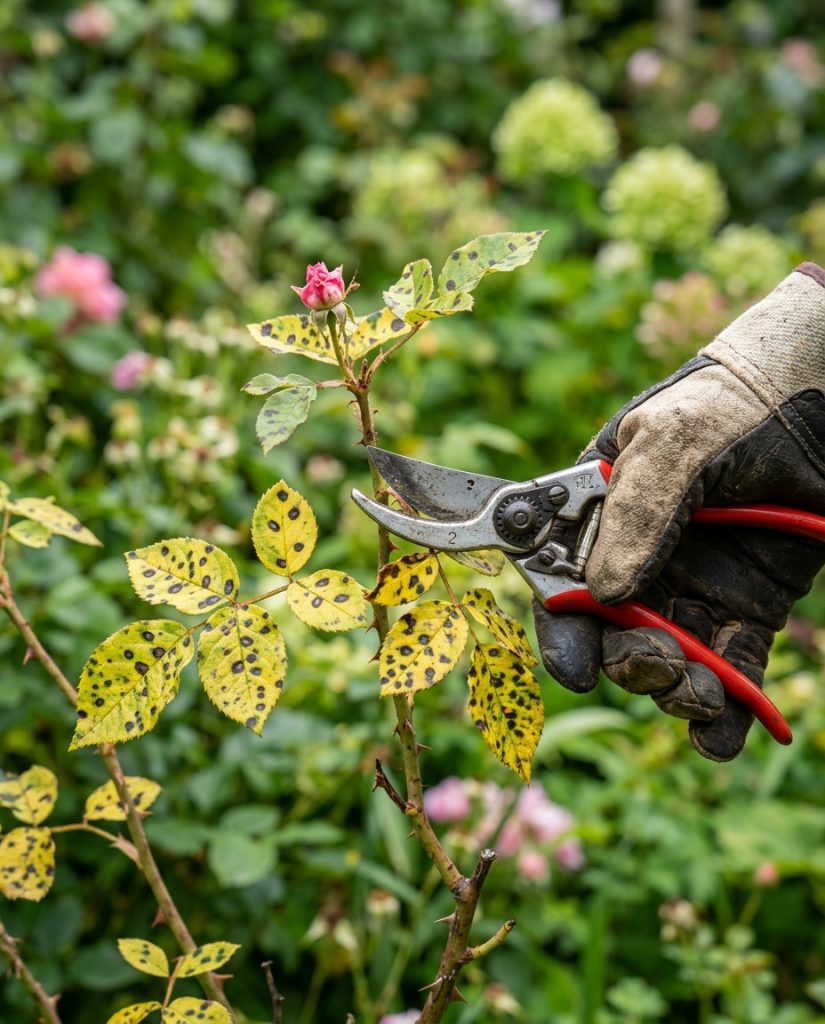
The classic hybrid tea rose is the diva of the garden, and divas need staff. These roses are prone to disease and pests, which means a real maintenance calendar, not a casual one.
Would you like to save this?
There is the hard prune every spring, cutting canes back to twelve to eighteen inches. There is deadheading all season long to keep the blooms coming.
And there is the standing appointment with the sprayer, because black spot, the fungal disease that turns leaves yellow and drops them, shows up on schedule unless you stay ahead of it.
You can smell the upkeep. The bitter chemical scent of fungicide on a warm morning is the smell of a Saturday you spent protecting plants instead of enjoying them.
Here is the relief. You can have roses without the standing appointment.
Modern landscape and shrub roses were bred for disease resistance, so they shrug off the black spot that flattens a hybrid tea. They bloom for months, need a single rough prune in late winter, and never see a sprayer. You keep the romance and cancel the chemistry class.
Builders and longtime gardeners have a quiet name for the diva varieties. High input. The whole craft of an easy retirement garden is choosing low input plants that look like a million dollars and behave themselves.
Letting Fast Spreading Ivy Fill a Bare Patch
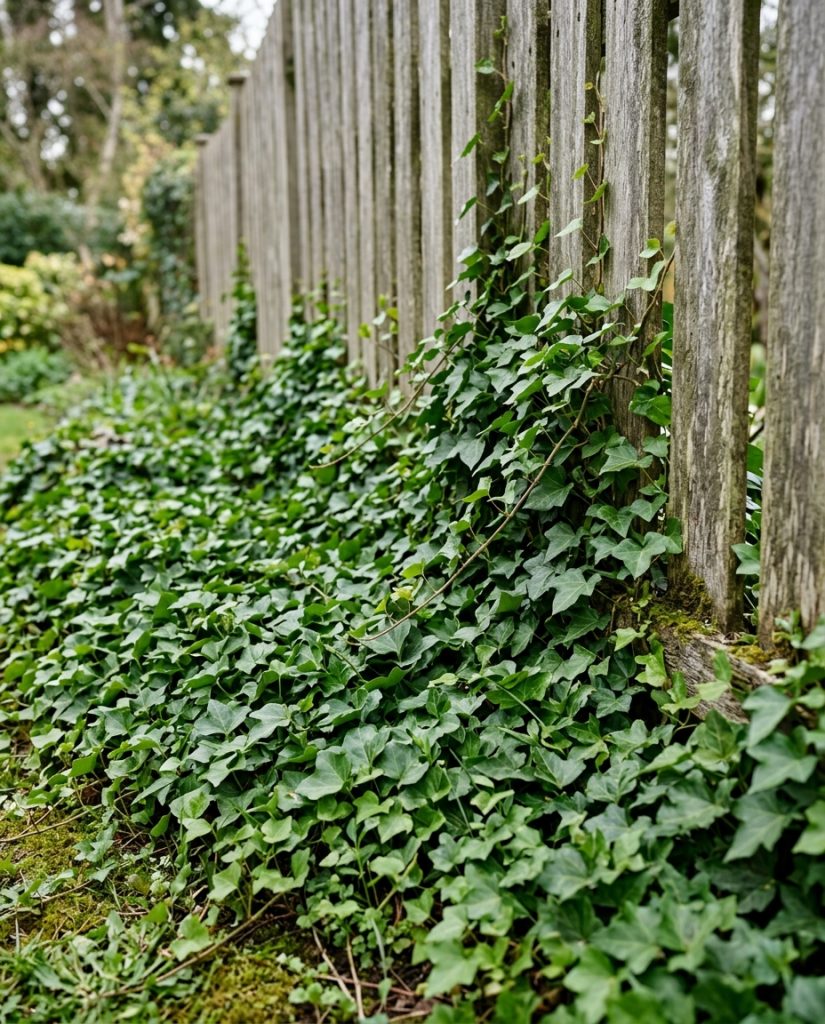
The plant tag said vigorous. What it meant was unstoppable.
English ivy and other aggressive groundcovers get planted to fill a bare patch fast, and they do, and then they keep going. They climb the fence, swallow the flower bed, choke the shrubs, and head for the trees.
The very trait that made them appealing, fast spread, is the trait that turns them into a regret.
The cruel part is the cost to undo it. Pulling established groundcover by hand is the most labor intensive removal there is, because you have to dig out the roots or it simply comes back.
For a 1,000 square foot patch, two workers can spend around seven hours, and ground level ivy removal runs about $50 to $75 an hour, with whole jobs landing in the $300 to $500 range.
You paid a few dollars for the plant and now you are paying hundreds to evict it.
There is a phrase worth tattooing on your trowel before you plant anything that promises to fill in fast. Fast spreader now, expensive tenant later.
The lower care swap is a clumping, well mannered native groundcover or a layer of mulch that stays exactly where you put it. It fills the space without filing for ownership of the rest of the yard.
And then there is the regret that arrives one leaf at a time.
Planting Too Many Leaf Dropping Trees
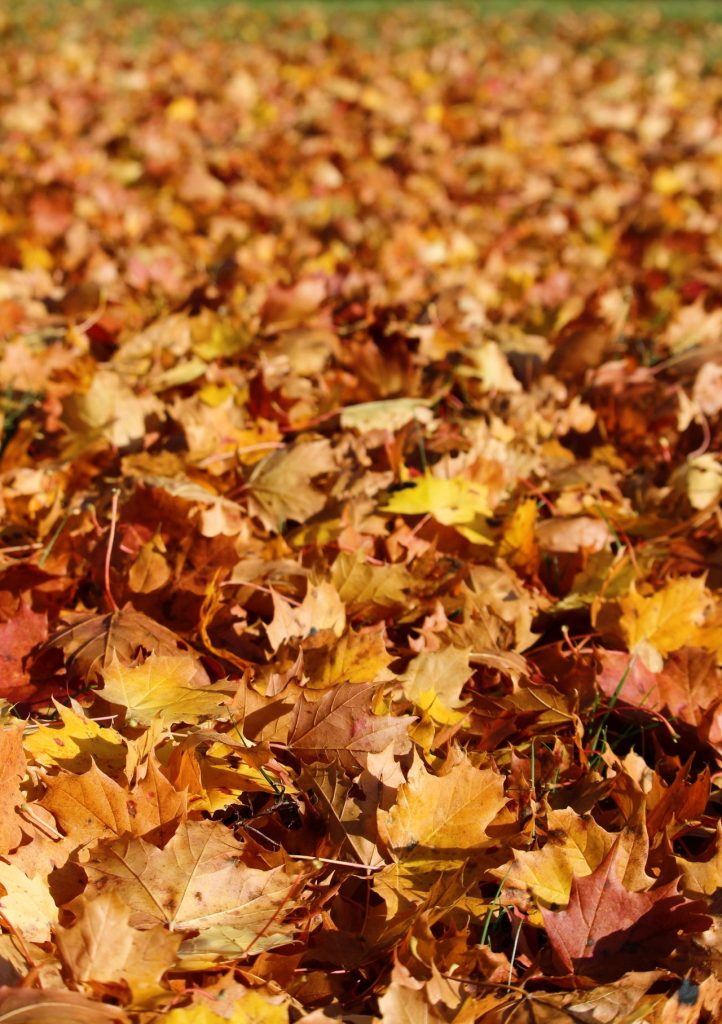
Nobody regrets a tree in July. The shade is glorious, the house stays cooler, the birds move in.
The regret arrives in October, all at once, on the ground. A yard packed with big deciduous trees turns leaf season into a recurring weekend project that can swallow entire Saturdays, year after year.
If you hire it out, professional leaf cleanup averages around $378 and climbs past $500 for a heavily treed lot, every fall, for as long as the trees stand.
The work itself is the unfriendly kind. Raking, bending, stuffing bags, hauling them to the curb, then doing it again next weekend because the trees are not done dropping. It is the chore that finds the exact muscles you forgot you had.
This is not a call to cut down your trees. It is a call to stop adding them and to be honest about the ones you have.
The relief move for the future is to favor a few well placed shade trees over a yard full of heavy droppers, and to let the leaves that fall in your planted beds stay as free mulch instead of bagging every last one. Fewer trees in the wrong spots, fewer Octobers lost to the rake.
The Real Cost Breakdown Nobody Talks About
Here is the number that reframes this whole list.
Switching from high input landscaping to native, low care plantings cuts ongoing maintenance costs by roughly 50%, and many homeowners see their water use drop 30% to 60% on top of that.
The catch is that the savings are not just money. They are weekends. The lawn that took four work weeks a year, the hedge that demanded a ladder, the pond that charged $2,000, the annuals that wanted replanting every spring, all of it compounds into a calendar you do not control.
The quiet wisdom of gardeners who get this right is that they design for the body they will have in ten years, not the one they have today. They plant once and let it spread. They choose the shrub that shapes itself over the hedge that needs a haircut. They keep the sound of water and skip the ecosystem.
Low care is not giving up. It is the choice to own a yard instead of being owned by one.
Which of these nine would you tear out first if you could start your yard over tomorrow?