
The decision usually arrives wrapped in a milestone.
A retirement party. The week the last kid moves out, or the morning the badge gets handed back.
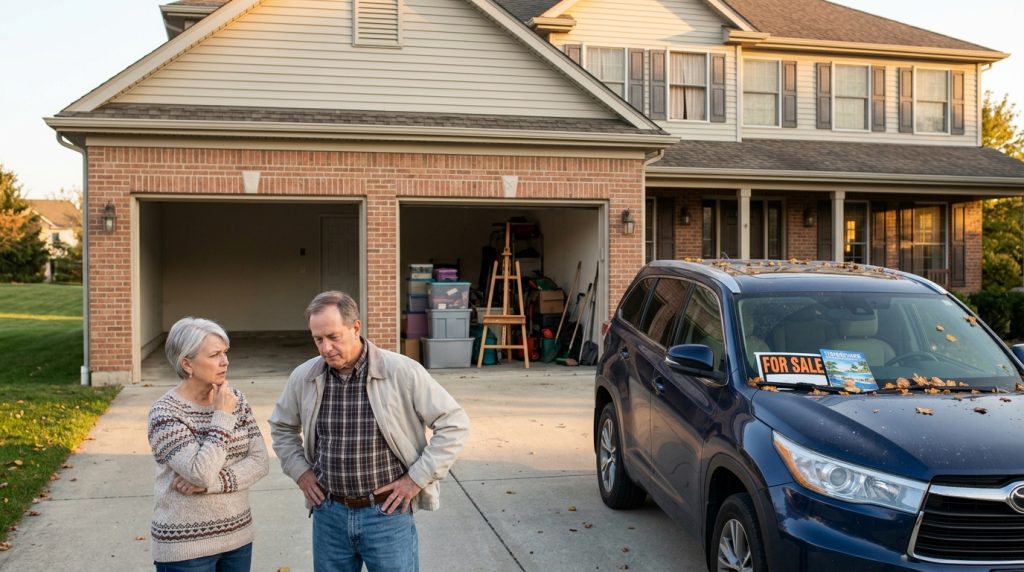
That’s when the wallet opens. That’s also, almost without exception, when the worst money decisions of the next thirty years get made.
Would you like to save this?
Walk into any retirement forum and the same regrets surface weekly.
Ten purchases dominate the threads, and they share a pattern: they look like freedom in the showroom and feel like a fee schedule by year three.
But it’s the one at number eight that costs the most, financially and emotionally, because by the time the work is finally done, the reason you started has already moved out.
1. Timeshares Sold as Locked-In Vacations Forever

Sit in on one of those ninety-minute presentations and the math sounds airtight.
One purchase, one week a year, locked in for the rest of your life. The presenter draws a curve showing hotel rates climbing, your maintenance fee staying flat, the lines crossing somewhere around year seven.
By year fifteen, on paper, you’re vacationing for free.
Nobody draws the second curve. The one where the maintenance fee climbs anyway.
YOU’LL ALSO LOVE25 Things About Your Home That Visitors Notice in the First 10 Seconds (But Never Tell You)
By year three the dues at one large Florida property had moved from $890 to $1,475.
By year ten it was over $2,200.
The “locked-in” part was the deed, not the cost, and the deed turned out to be the real trap. Resale platforms list contracts for one dollar with no takers, because the dollar was never the price.
The price was the next thirty years of fees you cannot walk away from, even after the knees stop wanting to make the trip.
The regret usually lands around year nine. You realize you’ve stopped wanting to go, the kids stopped coming three years ago, and the bill arrives in January like clockwork.
2. Five-Bedroom Houses Bought Right Before the Kids Left
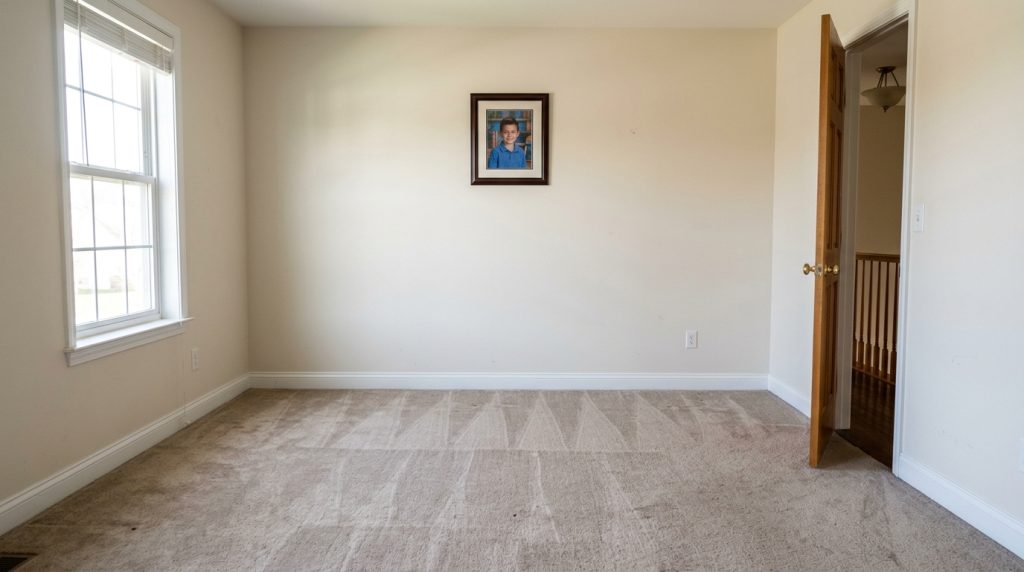
You bought it because the family was finally going to have space.
Each kid in their own bedroom. A guest room for the in-laws. An office. A bonus room over the garage that the realtor called “flexible space.”
Five bedrooms, four baths, 3,400 square feet, and the front door felt like a victory the day you signed.
Six months later the youngest left for college. Eighteen months later the middle one moved to Denver.
Two of the bedrooms have not been opened since the previous Thanksgiving.
The HVAC is still cooling them. The property tax is still being paid on them. The roof, which costs $18,000 to replace, is still sized to cover them.
There is a specific kind of grief that lives in a 3,400 square foot house with two people in it. Two people in 3,400 square feet means two people, mostly in the kitchen, mostly on one couch, surrounded by 2,800 square feet of conditioned air that exists for nobody.
Most owners don’t downsize until year seven or eight, after they’ve paid roughly $40,000 in carrying costs to keep rooms heated for ghosts.
3. Brand-New Cars Bought on Retirement Day
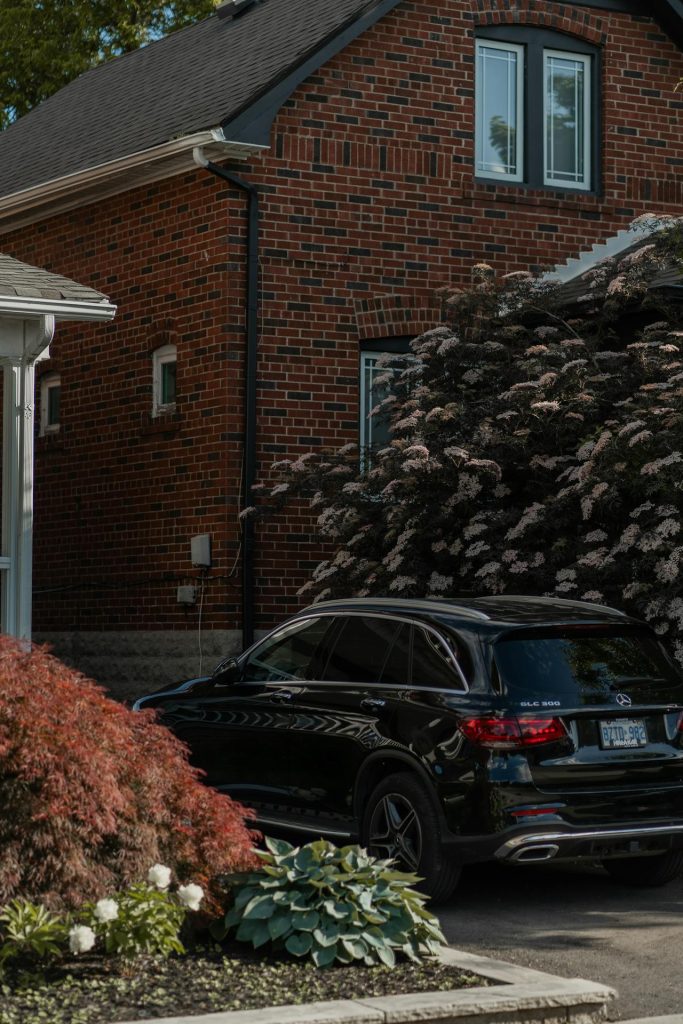
There is a tradition, more powerful than any financial advisor can fight, of buying a car the week the badge gets handed back.
The logic feels right. You earned it. You’ve driven the same Camry for eleven years. The new one has heated seats, lane assist, a quieter ride, and you tell yourself you’ll “actually use it” now that you have time.
The math does not love this choice.
YOU’LL ALSO LOVE30 Things in the 1970s Living Room That Would Confuse Anyone Under 30
A new vehicle in 2025 lost roughly 24 to 27 percent of its value in year one alone, and the average new-car payment crossed $740 a month nationally.
Retirees who bought outright are not making that payment, but they are still watching $13,000 to $18,000 evaporate in the first twelve months they own the thing.
The deeper problem is the driveway.
Most retirees average 7,500 miles a year, less than half what they drove during their working life. The car sits five days a week. The depreciation runs anyway.
The version that does not get regretted is the lightly used three-year-old of the same model. Same heated seats. Same quiet ride.
Roughly $14,000 less.
4. Hobby Kits That Got Used Twice
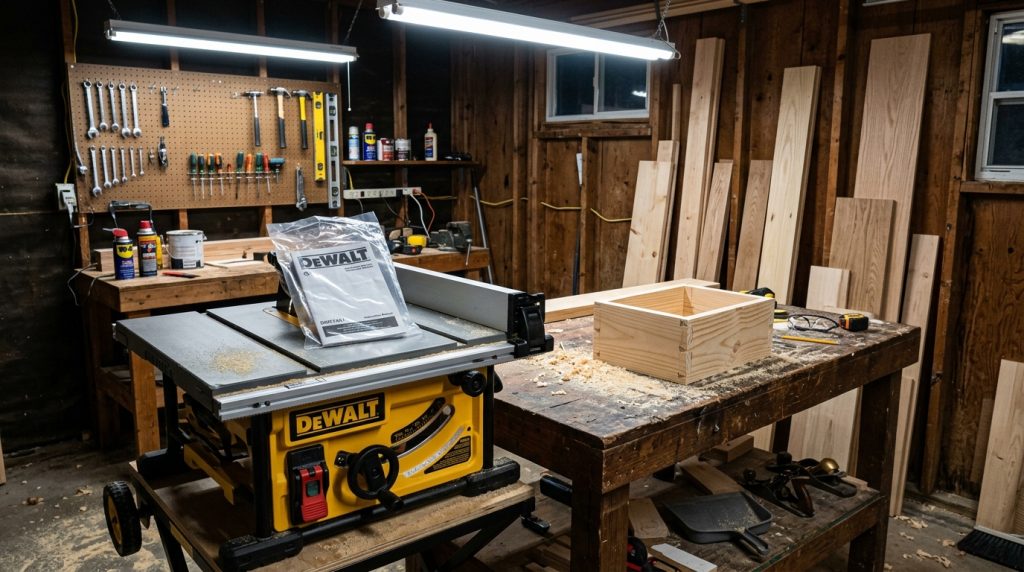
Retirement is when the unfinished hobby finally gets its budget.
The woodshop. The sewing room. The bass boat. The serious camera and the four lenses to go with it.
The investment usually runs $4,000 on the modest end and $40,000-plus on the bass-boat end, and it usually gets used hard for the first six weekends.
Then the back stops cooperating. Or the friend who was supposed to fish with you moves to Arizona. Or the project takes longer than the imagination promised, and the half-built credenza sits under a tarp for three years until somebody finally buys it on Marketplace for two hundred dollars.
The pattern is so reliable that woodworking forums have a name for it: “garage stage.” It’s the stage where the tools are bought, the bench is built, and the actual woodworking never quite starts.
The cure most retirees wish they had used is a rental.
Tool libraries, day-rate marina rentals, and class fees would have answered the same itch for under five hundred dollars and confirmed within a month whether the hobby was real or just remembered.
5. Class A Motorhomes Bought for the “Half the Year” Plan
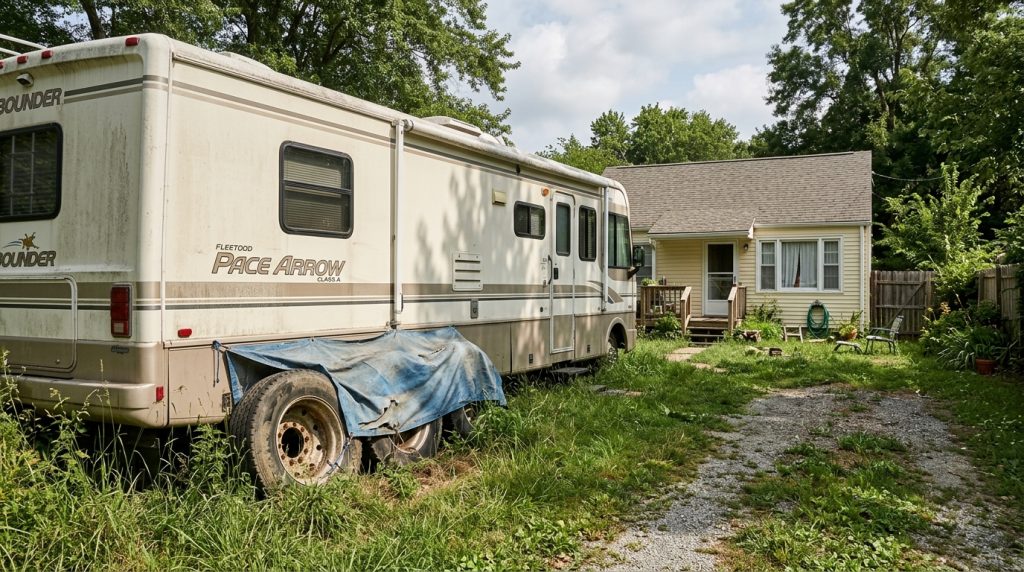
The pitch you sold yourself was beautiful.
Six months on the road. Yellowstone in May, the Carolinas in October, family stops between. You were going to be the couple in the campground who’d “actually done it.”
The unit ran $180,000 to $310,000, financed at retirement rates, and the dealer threw in a year of roadside service.
YOU’LL ALSO LOVE11 Neighborhood Rules Every Kid Knew in the ’80s That No Parent Would Allow Today
The trip lasts about ninety days. Sometimes less.
The first cross-country run finds the back pain that does not love eight-hour driving days. The wife discovers she likes her own bed more than she expected to.

The fuel bill on a 36-foot diesel pusher runs $0.40 to $0.55 a mile, which means a 4,000-mile trip burns $1,800 in fuel alone before you’ve parked.
Storage at home runs $90 to $250 a month.
Tires, every five years, run $4,000 to $7,000.
By year three, the unit is worth half what you paid, the trips have settled into one a year, and the math looks worse than just renting a Class C twice a summer for $2,500 a week.
People rarely admit this one out loud. The shame of the depreciation is too sharp.
6. Vacation Homes in a Place You Visit Twice a Year
You went four times the first year. Three the second.
By year four it was Memorial Day weekend and one stretch in October when the leaves were good.
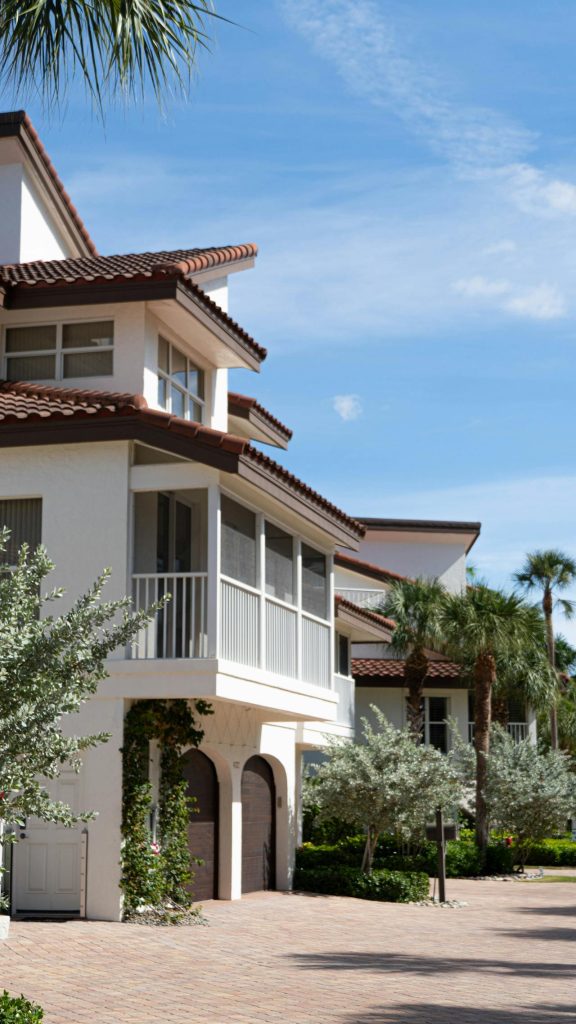
The drive was four and a half hours each way, and the spring cleanup, after the place sat closed for six months, ate the first day every visit.
The carrying cost on a $325,000 lake cabin runs roughly $14,000 to $19,000 a year once you stack property taxes, insurance, utilities kept on year-round, basic upkeep, and the inevitable thing that broke during the four months nobody was there to notice.
Divide that by twenty nights of actual use and a single night in your own cabin costs more than a four-star hotel.
The second version of this regret is the one where you bought the place “for the grandkids.”
The grandkids came twice. Then they got into travel sports, and the weekends that used to be open became a tournament schedule, and the cabin started showing up in the dreams where you wonder why you keep paying for a building that nobody walks into.
Most owners list around year six or seven, often at a loss after agent fees and the cost of the new roof the buyer asked for.
7. Premium Gym Memberships at Age 62
The first month is genuine.

You go four times a week. You learn the cardio machines. You sign up for a six-pack of personal training sessions at $95 each.
YOU’LL ALSO LOVE25 ‘Common Sense’ Home Rules Everyone Followed in the 80s That Would Get You Laughed At Today
The towels are warm. The locker room smells like cedar.
By month three the knee is talking back. By month five you’ve been twice.
The membership runs $189 to $265 a month at the high-end clubs, locked in annually, and most owners admit out loud that they should have signed up for a $39 community-center membership and a $20 set of resistance bands.
The premium club’s amenities get used by the people who go five times a week. People who go five times a week tend to be 35, not 62.
The steam room, the smoothie bar, the towel service belong to the regulars, not the hopefuls.
The pattern is not that retirees stop wanting to be fit. They keep wanting to be fit, intensely, for years.
Would you like to save this?
The pattern is that the path to staying fit at 62 is mostly walking, swimming, and a little dumbbell work in the basement. Almost none of which the premium gym is designed for.
The retirees who don’t regret this one signed month-to-month, walked out at month four, and saved $2,000 a year for the rest of the decade.
8. Whole-Home Renovations Done at Sixty
Of all ten on this list, this is the one that breaks people.
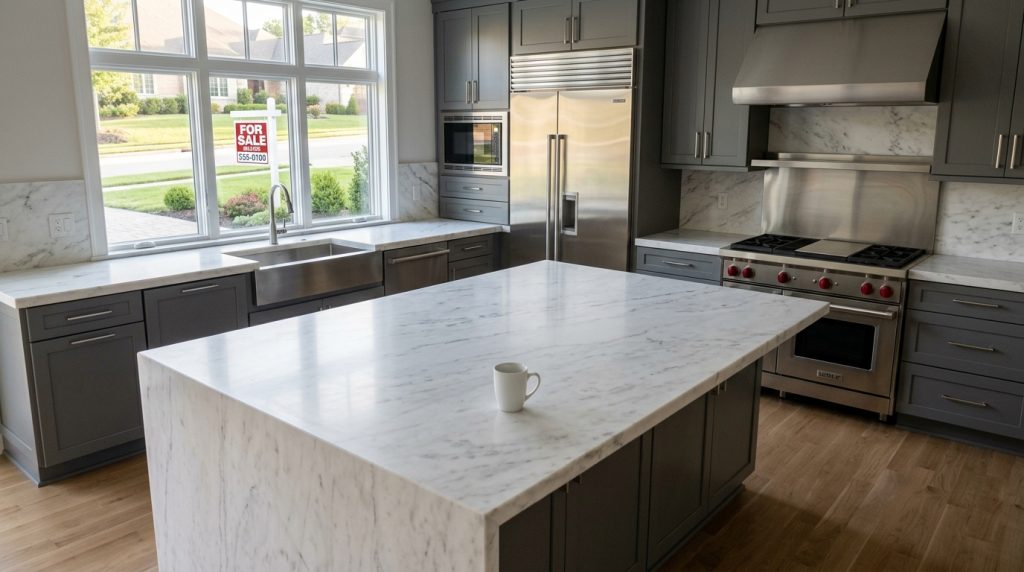
You hire the designer at fifty-nine. You sign the contract at sixty. You write the check, all-in, for $185,000 to $340,000 to redo the kitchen, both baths, the floors, the windows, the trim, the lighting, the laundry.
You tell yourself this is the forever house. You tell yourself the kids will bring the grandkids and stay all summer. You tell yourself this is finally yours.
The Timeline That Nobody Plans For

The renovation takes nine months.
By the time the dust settles, the youngest has accepted a job in another state, and the family Thanksgiving moves to her place. Three years later the knees suggest the stairs are not forever.
Five years later a single-story is starting to make sense.
By year eight, the time it would take you to “get your money back” if you sold, you list the renovated house and the buyer’s agent says the kitchen is dated by current standards anyway.
This is the regret that has the longest tail. It’s not the dollars, although the dollars were brutal.
It’s that you bought, in good faith, a future that didn’t show up.
The version that doesn’t get regretted is the targeted three-room renovation, $40,000 to $70,000, done five years before the move-out date with full intention of selling, not staying.
9. New Wardrobes Bought After the Last Day of Work

You spent forty years dressing for a building.
The building is gone.
The closet still has the dress slacks, the dress shirts, the eight blazers, the lanyard. There’s a moment, maybe in the third week, where you decide the new chapter deserves a new uniform.
You buy “leisure casual.” Linen. Soft jackets. The cashmere quarter-zip. Real shoes that aren’t dress shoes.
The bill runs $1,800 to $4,500.
The clothes hang. You discover, somewhere in month two, that retirement is mostly worn in the same three pairs of pants and a rotation of t-shirts, and the cashmere quarter-zip waits for an occasion that mostly does not arrive.
The “transitional wardrobe” turns out to be one good pair of jeans, two good shirts, and a jacket that fits.
The regret is small dollars compared to the others on this list, but it stings differently.
It’s the sting of having dressed for a person you thought you were going to be, and then meeting the person you actually became, and realizing they’re more comfortable than the closet imagined.
10. High-End Smart Home Systems Installed at Sixty-Three
The pitch is convenience.
Voice-controlled lighting. Cameras at every door. Smart locks. A thermostat that learns your patterns.

Total install runs $6,500 to $14,000 with a “premium” package, plus the monthly cloud-storage subscription at $19.99 a camera that nobody mentioned at the kitchen-table walkthrough.
Year one is wonderful.
Year two, the hub manufacturer pushes a software update that breaks the lock integration. Year three, the camera company gets acquired, and the new owner deprecates the old app.
By year four you are calling tech support every six weeks, your phone has eight smart-home apps that all want to be the main one, and the kid you used to call has stopped picking up because they live in another time zone.
The retirees who don’t regret this one bought one piece at a time. A video doorbell. A single smart thermostat.
They walked into the technology a year apart, kept the receipt for each, and refused the package.
The package, it turns out, is what keeps breaking. The pieces, individually, mostly work.
The Re-Sell Test Most People Wish They’d Used
Here is the question that would have caught roughly eight of the ten on this list before they happened. Before you sign, ask out loud: “If I had to sell this back tomorrow, what would I get for it?”

Cars: 75 percent of sticker. Timeshares: a dollar, with no taker. RVs: 50 percent by year two. Vacation homes: maybe what you paid, after agent fees, after the new roof, after eighteen months on the market.
Whole-home renovations return not a penny back outside what comparable homes are selling for, and often less because you over-improved for the neighborhood.
The re-sell test isn’t pessimism. It’s a calibration tool.
It tells you whether the thing you’re buying is a use it or lose it product, which is fine if you actually plan to use it, or a depreciating asset masquerading as freedom.
The retirees who run this test before they sign tend to either buy a smaller version of the same thing, or skip the purchase, or rent it.
None of those three roads end in regret.
Which of these did you almost buy, or do you wish someone had warned you about? The comment section below is full of people who learned the hard way and want the next person not to.