
Every kid on the block knew the map. Not the street map. The other one.
I knew which house had the pool, which had the Atari, whose mom kept a candy drawer. My house had the trampoline. The rest I borrowed, one back door at a time.
Twenty-two of those borrowed things still follow me around.
Would you like to save this?
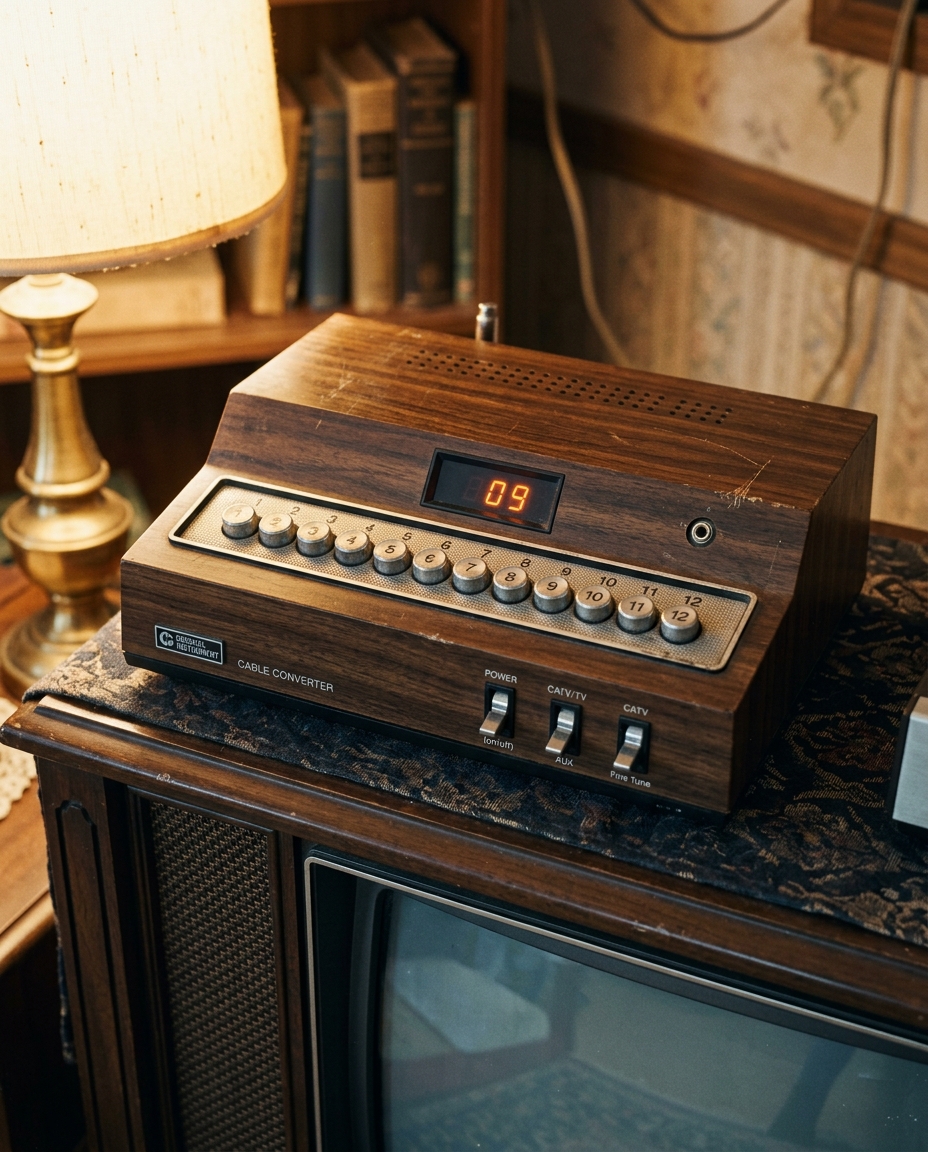
The Cable Box That Turned One Living Room Into a Movie Theater
I knew which living room had it the second I walked in. The TV showed a movie still in theaters. Uncut. Words my own set would never say out loud.
That family had the premium channel. It launched November 8, 1972, beaming a hockey game to 365 households in Wilkes-Barre, Pennsylvania.
By 1980 it reached 15 million subscribers.
On my block, maybe two families. I sat on a neighbor’s shag carpet on a Friday night, volume low, watching like I was getting away with something. Turns out, I wasn’t the only kid borrowing that carpet.
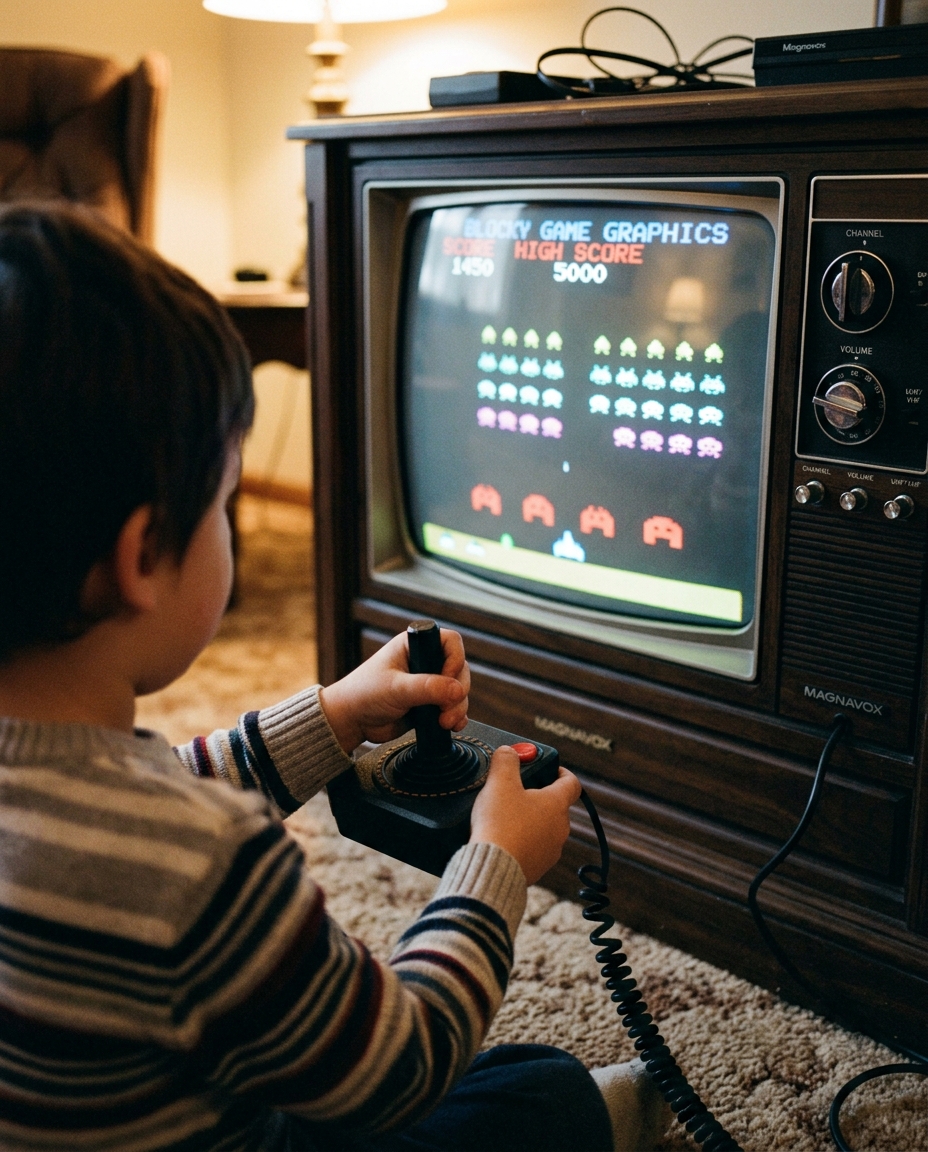
One Kid’s Atari and the Diplomacy of Waiting Your Turn
One house got it first. That house got popular fast.
The console hit stores in 1977 for $199, about $1,050 in 2025 dollars, and that buys a round-trip flight. Most families talked it over at the kitchen table and said no.
YOU’LL ALSO LOVE25 Things About Your Home That Visitors Notice in the First 10 Seconds (But Never Tell You)
Atari sold between 350,000 and 400,000 that first stretch. One of them landed in my orbit.
I didn’t own it. I did something better. I befriended the kid who did, took my turn after his three, and learned the diplomacy of somebody else’s couch. The candy at the next house made that wait easier to swallow.
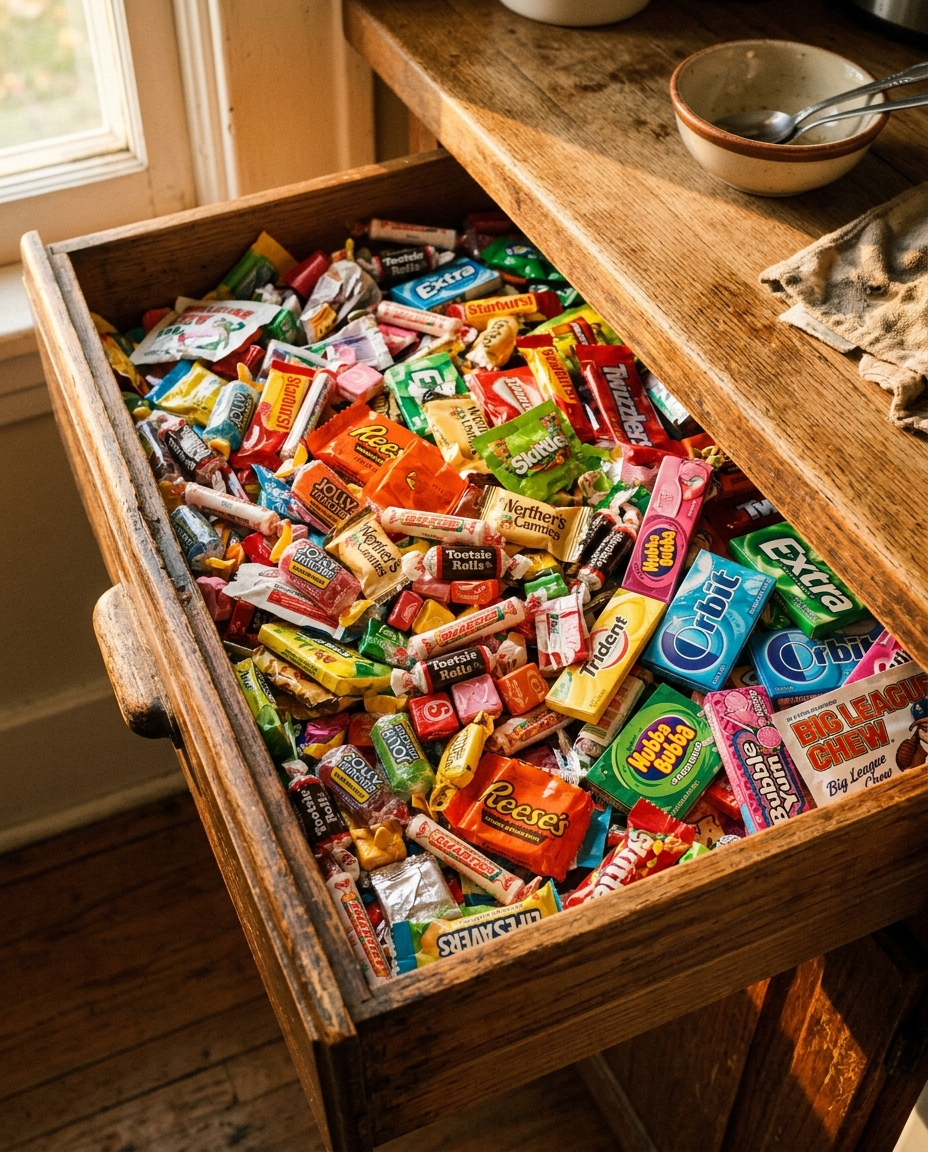
Candy Drawers One Mom Kept Endlessly Full
Every kid knew which house had the drawer. Not a dish. Not a jar on a high shelf. An actual kitchen drawer that pulled open to a landslide of sweets, restocked by magic none of us understood.
Tommy’s mom let me take one on the way out. Every time. Never made a thing of it. I wasn’t greedy. I was grateful. To this day I could find that drawer blindfolded.
Funny, because the food in that pantry and the food in mine didn’t look the same at all. The cans had pictures on them. The cereal box had the cartoon character from the commercial. Not a plain word in plain letters.
And this was before I tasted the good cereal.
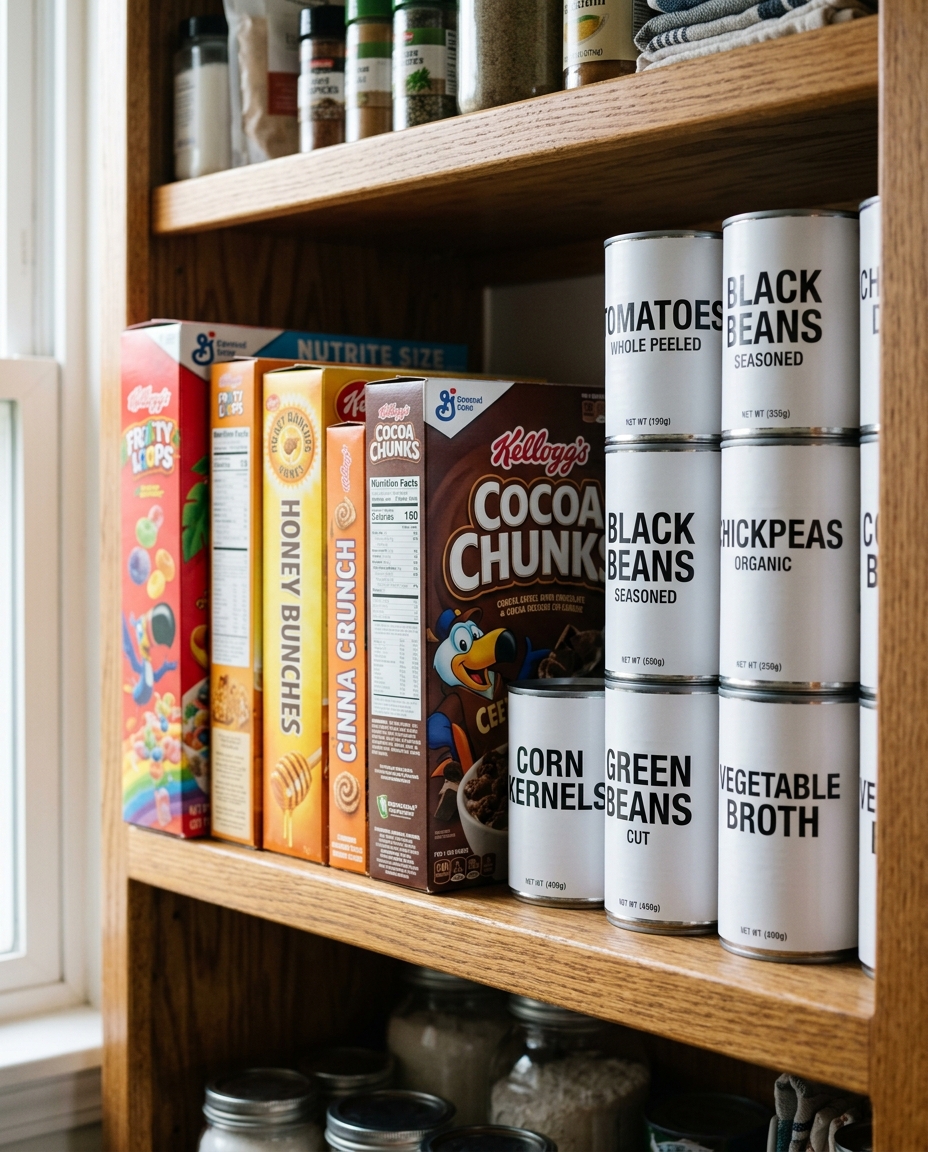
Eating Name-Brand Cereal Only at a Friend’s House
The plain white packages showed up in the late 1970s, when prices climbed and families got careful. They promised savings of 10 to 40 percent.
Half my block ate off that plain shelf.
So when a friend’s mom poured me the cereal with the cartoon mascot, I couldn’t believe it. The real one from the commercial. It tasted like being rich for ten minutes.
I didn’t say a word. Just ate slower. You do that when you know the good thing won’t last. But what waited in the next room topped even the cereal.
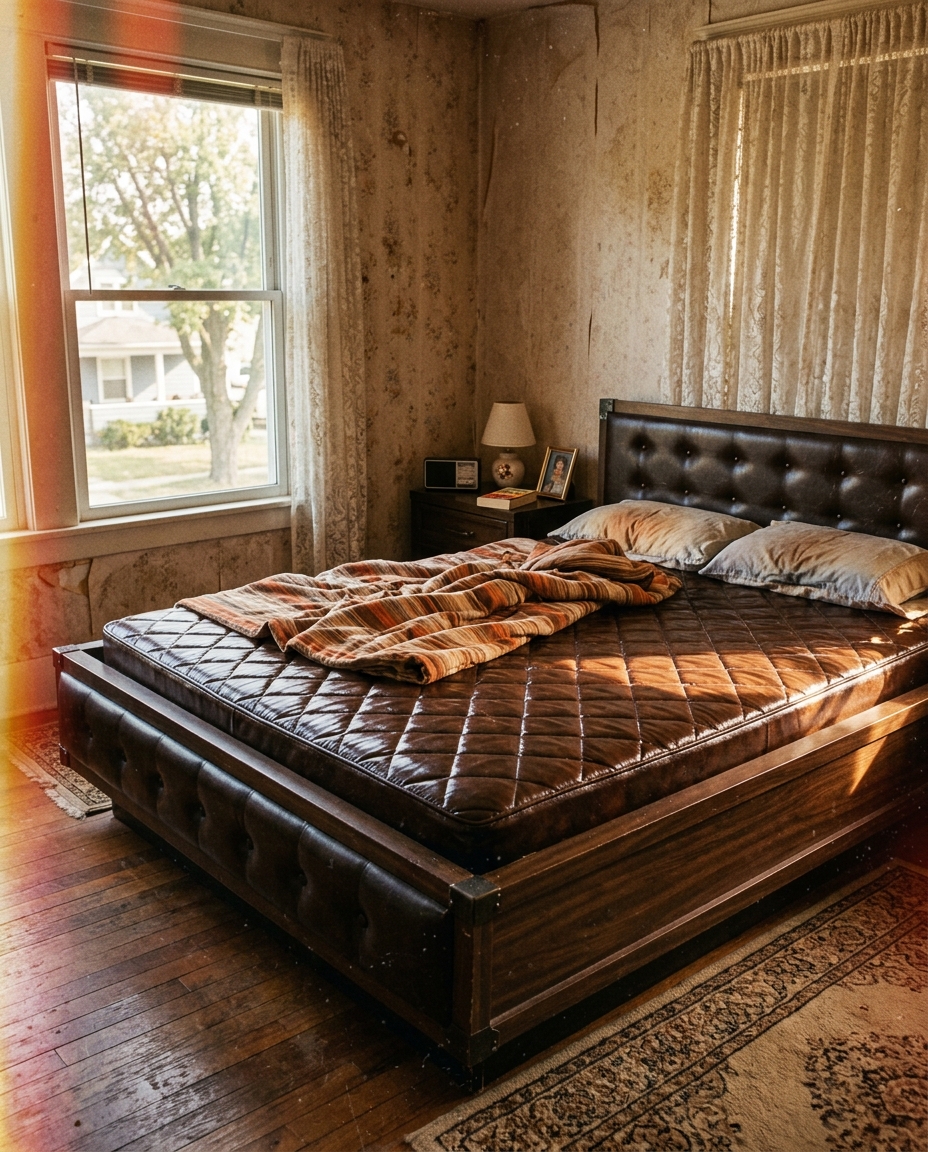
The Waterbed You Were Absolutely Not Supposed to Jump On
A friend’s parents had one. The most exotic object in any house I visited. I sat on the edge and the whole thing rolled like the ocean.
By 1987, nearly one in five mattresses sold in America was a waterbed.
Twenty-two percent of the whole market. A $2 billion industry built on a patent filed in 1971.
I learned the rules fast. Sit gently. No shoes near it. The instant the bedroom door closed behind the adults, every kid in the room launched. And this wasn’t even the strangest thing mounted on somebody’s wall.
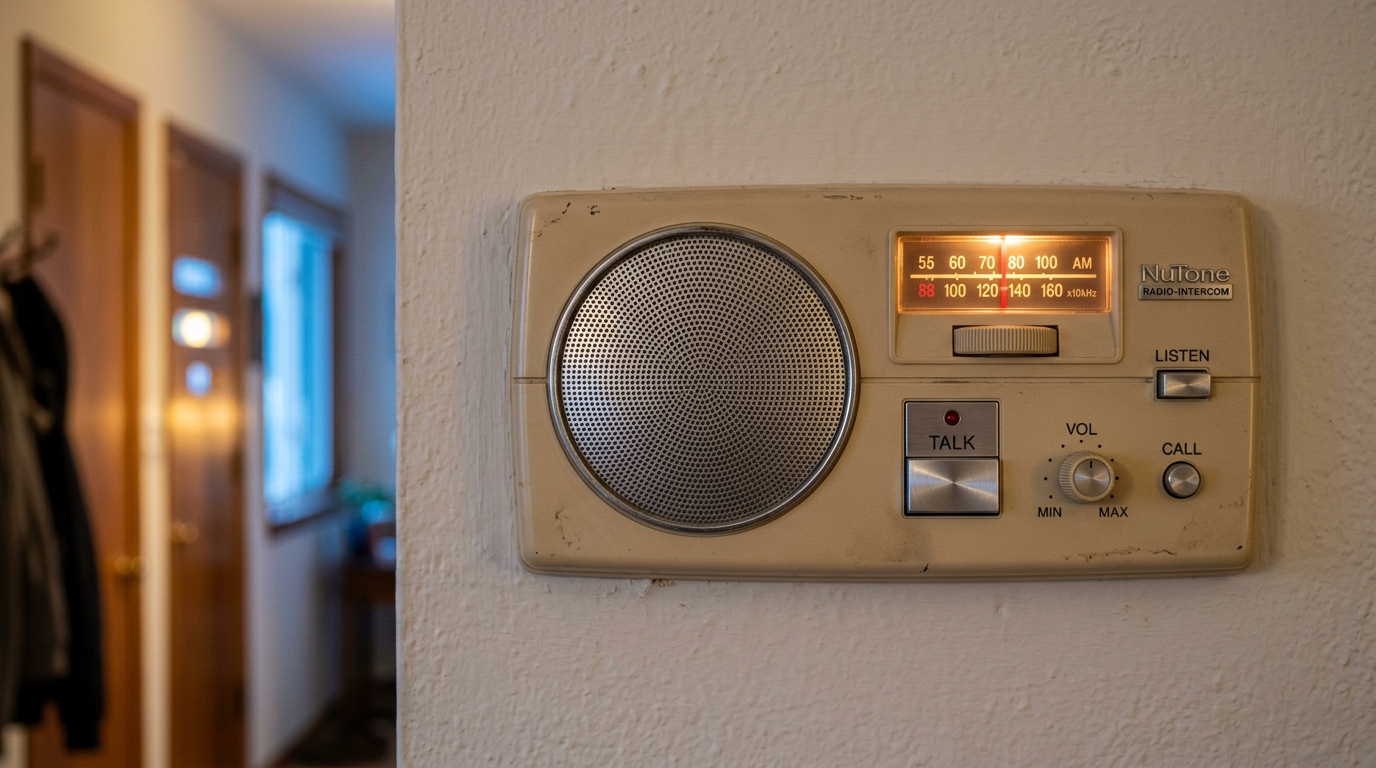
An Intercom in the Wall That Called You to Dinner
I was playing at the Marshes’ house when a voice came out of a box on the wall and told everyone to wash up. First time I heard it, I nearly jumped out of my skin.
YOU’LL ALSO LOVE30 Things in the 1970s Living Room That Would Confuse Anyone Under 30
That family had a built-in intercom with an AM/FM radio in the master panel. Music followed you room to room. A parent could summon you from anywhere. Real estate ads listed it alongside the pool and the shag carpet as a luxury feature. To me it was pure science fiction.
I washed my hands at a fancier friend’s house one day and froze at the sink. But here’s where the rules of somebody else’s house got really strange.
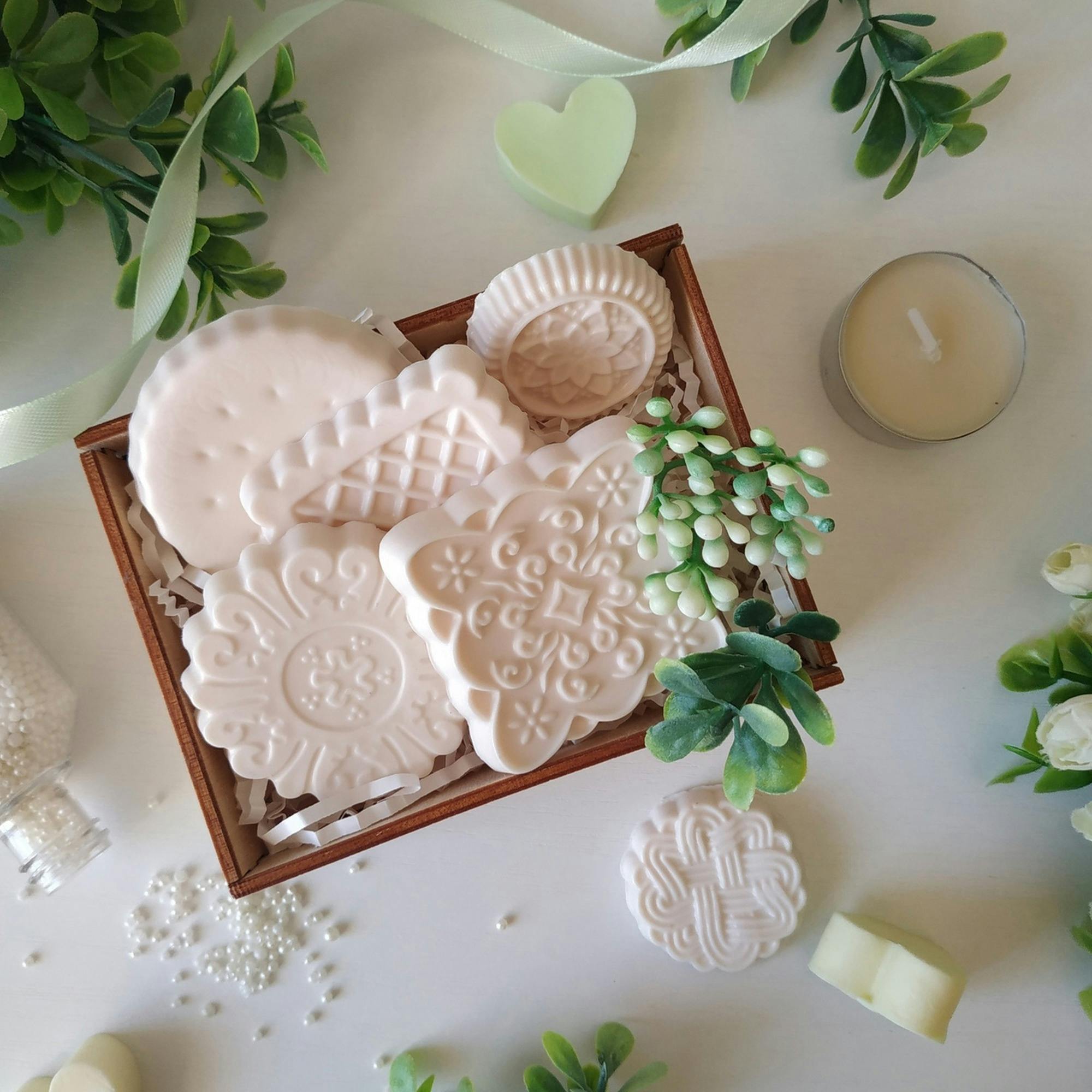
Guest Soaps Shaped Like Shells That Nobody Was Allowed to Use
This is the universal one. The soaps in the good bathroom weren’t soap in any working sense. They were decoration. Woe to the child who lathered up with a tiny rose and left a slick of pink in the dish.
Guest towels so pristine they might as well have been bolted to the rail. I dried my hands on my jeans and said nothing. Every kid learned the same rule in somebody else’s powder room. The pretty things are for looking at. Turns out, you find that out about half a second too late.
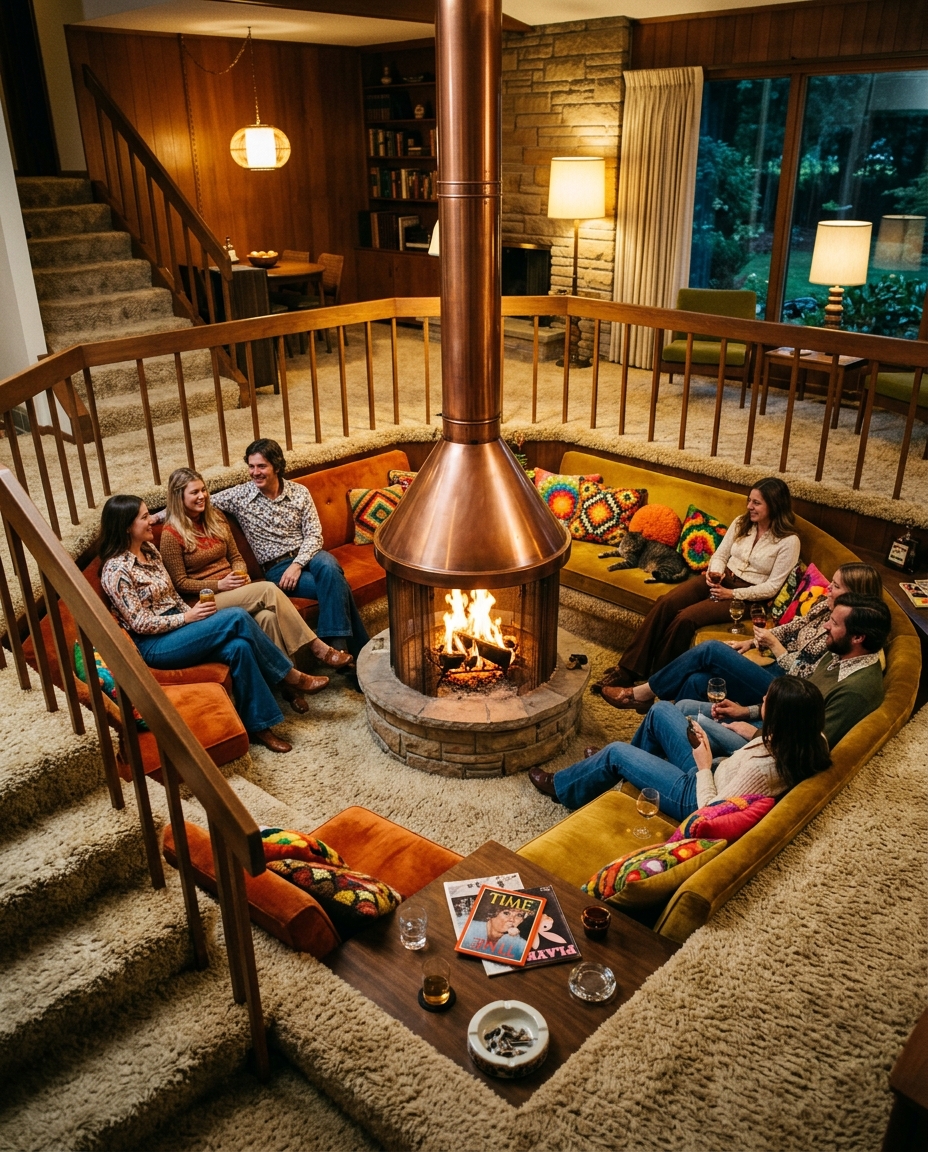
Stepping Down Into a Conversation Pit
A friend’s living room had a hole in the middle of it on purpose. Two carpeted steps down into a square of built-in couches. First time I saw one, I couldn’t believe a house was allowed to do that.
By the late 1970s they were in every magazine. They faded by the mid-1980s, partly because people kept forgetting the step and walking right off the edge of their own living room. I didn’t care about any of that. I just leaped down into it every visit. Which brings me to the one room nobody was supposed to enter.
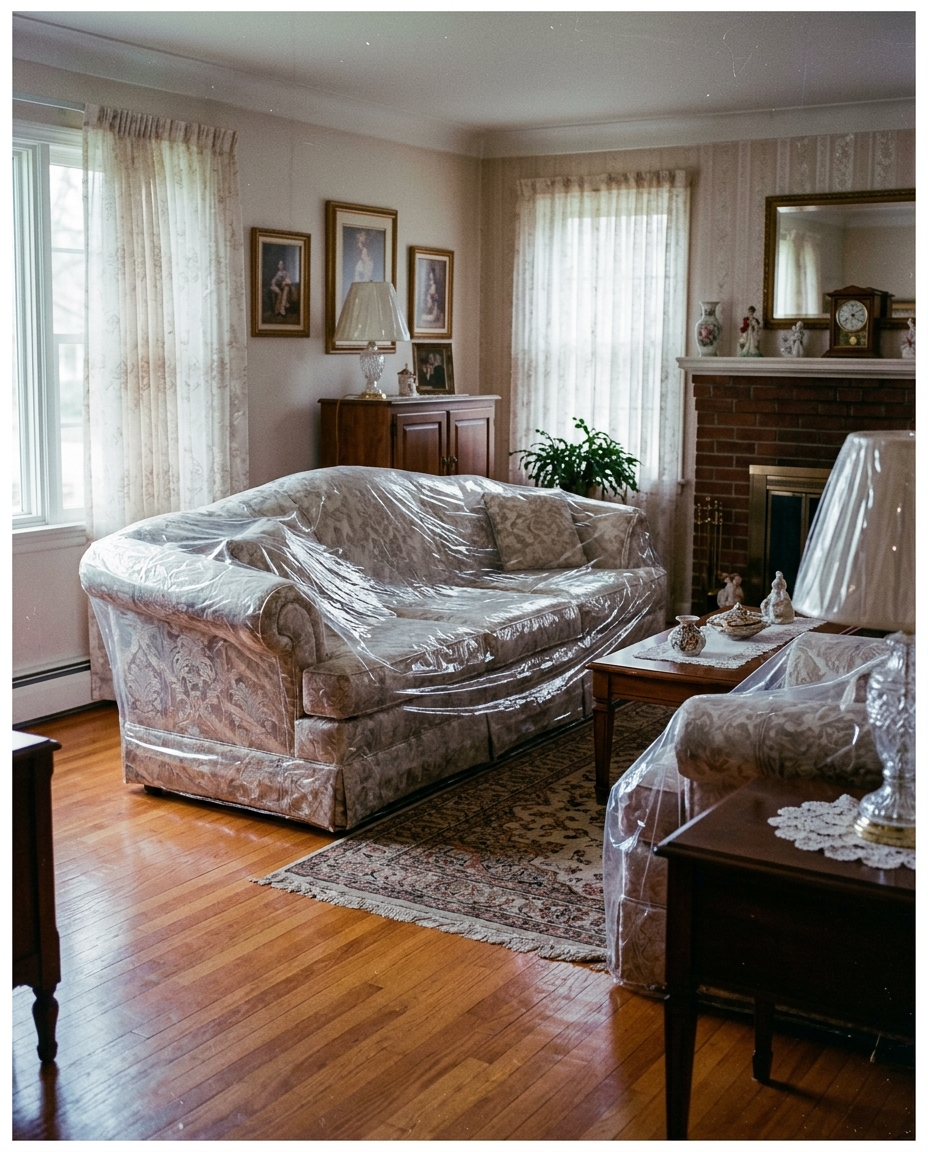
The Good Room With the Plastic-Covered Couch
I knew a house with a whole room sealed off from human use. Kept perfect for a guest who never arrived. My grandma had it. So did a friend down the street. The good room nobody was allowed to sit in.
Clear plastic sealed over the couch. Stuck to the backs of your legs in summer. Lampshades still wearing the cellophane they came in, years later. Carol, three doors down, said it best. “Were they waiting for the pope?”
I got scolded once for leaving footprints in the vacuum lines on the carpet. The plastic couch was only one piece of it. That 1970s living room had about 30 things in it that nobody under 30 could name without help.
And this was just the living room.
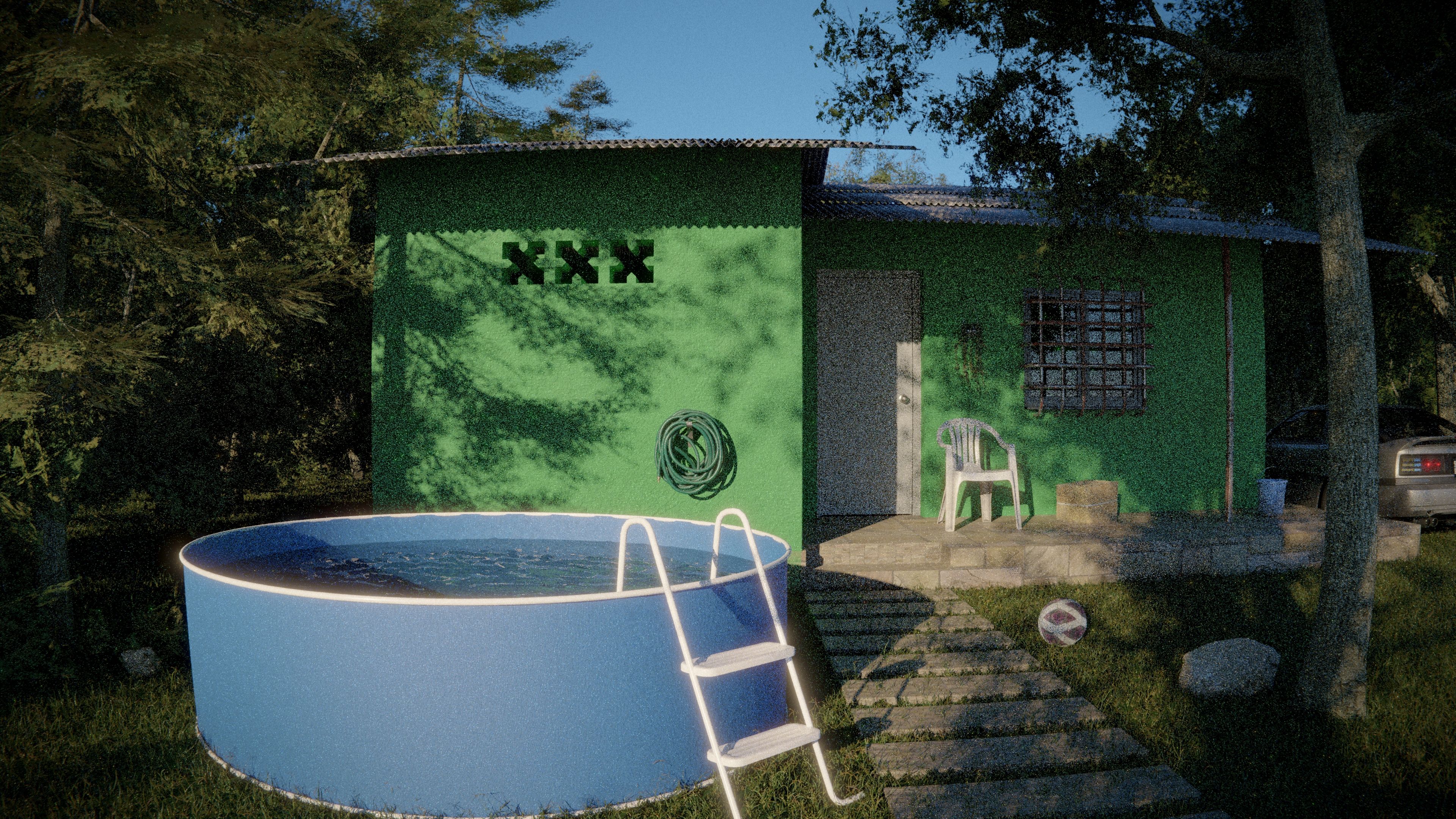
The Backyard Pool That Made One Family King of Summer
One house had the pool, and that house owned the entire summer. Didn’t matter if it was the big in-ground kind or the round above-ground one you climbed a ladder to reach.
Even today, around 41 percent of home pools are above-ground.
A basic one runs $1,200 to $5,600 in 2026, and every one pays for itself in neighborhood goodwill by August.
I suddenly remembered that kid was my very best friend right around the first hot week of June. Their mom fed half the neighborhood freezer pops across the fence. I stayed in the water until my fingertips turned to raisins and somebody hollered everybody out. Now the garage had a surprise of its own.

A Second Fridge in the Garage Full of Nothing but Soda
The first time a friend led me into the garage and opened a whole second fridge packed with soda, I froze. I was dealing with serious people.
YOU’LL ALSO LOVE11 Neighborhood Rules Every Kid Knew in the ’80s That No Parent Would Allow Today
A fridge whose only job was cold drinks. No leftovers. No condiments. Just rows of pop, and I was allowed to take one.
At my house, soda was a holiday. At theirs, it lived in the garage like tap water.
A 12-pack ran about $3 in 1985, same as a gallon of gas. That cold can in a hot garage tasted better than any soda has tasted since.

Bouncing on the Trampoline With No Net and No Rules
Somebody had the trampoline. No net. No pads over the springs. No adult standing guard. As many kids climbed on as could fit. We took turns getting double-bounced so high we saw over the fence. The springs left pinch marks on the backs of our calves.
Somebody always landed wrong. Somebody always cried for a minute. Every one of us was back up before the tears dried. We had our own rules. They just weren’t the kind any parent wrote down.
The unwritten rules inside an 80s house were a different country entirely. This next one was all ours.
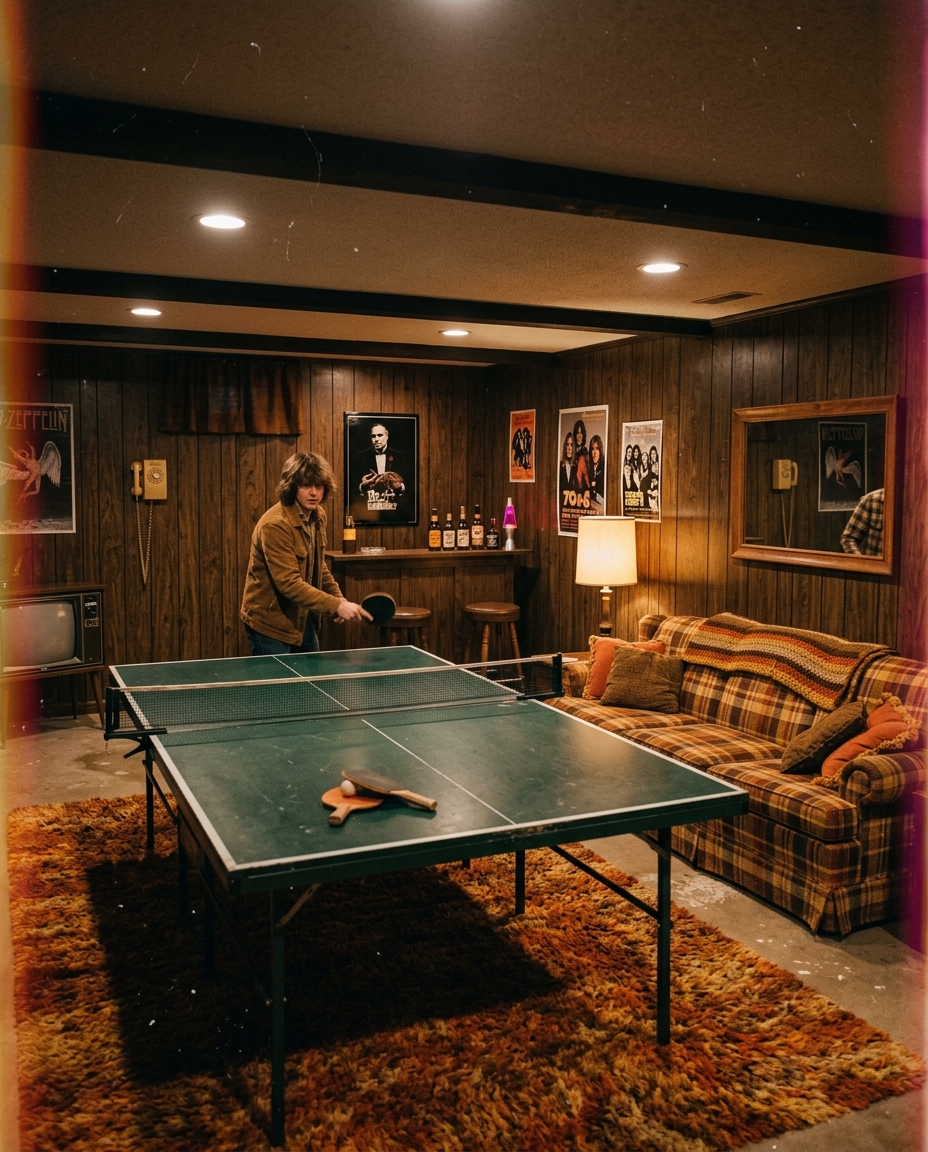
A Finished Basement That Was an Entire Kid Kingdom
A few houses had the basement. Not a damp concrete box for the furnace. A finished one, paneled in warm fake wood, with a ping pong table and an old plaid couch. A standing rule that grown-ups mostly stayed upstairs.
That basement was kid territory. We could be loud. Build a fort from the cushions. Run hide and seek through the laundry area. Put a record on as many times as we wanted. The cool smell of a basement on a hot day still lands like a key turning in a lock.
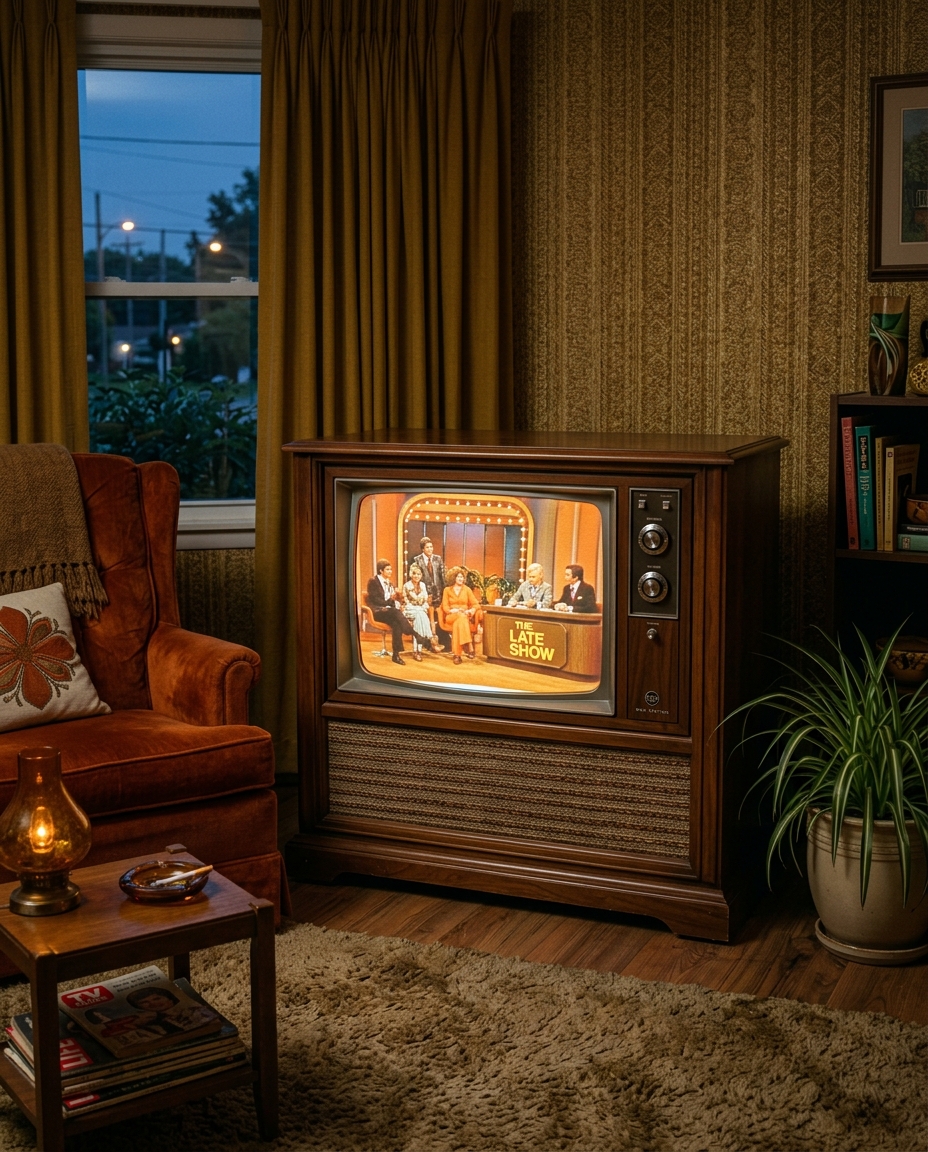
The Giant Console TV That Doubled as Furniture
One house had the television that wasn’t a television. It was furniture. A massive wooden console you could set a lamp and family photos on. A picture tube the size of a porthole. A satisfying clunk when you turned the big dial.
I sprawled on the Avocado Green shag carpet in front of it, too close, the way every parent warned us not to. Saturday cartoons in a den that wasn’t my own. My set at home looked like a toy.
And half the things plugged into that console have quietly disappeared from every American home without anyone remembering them leave.
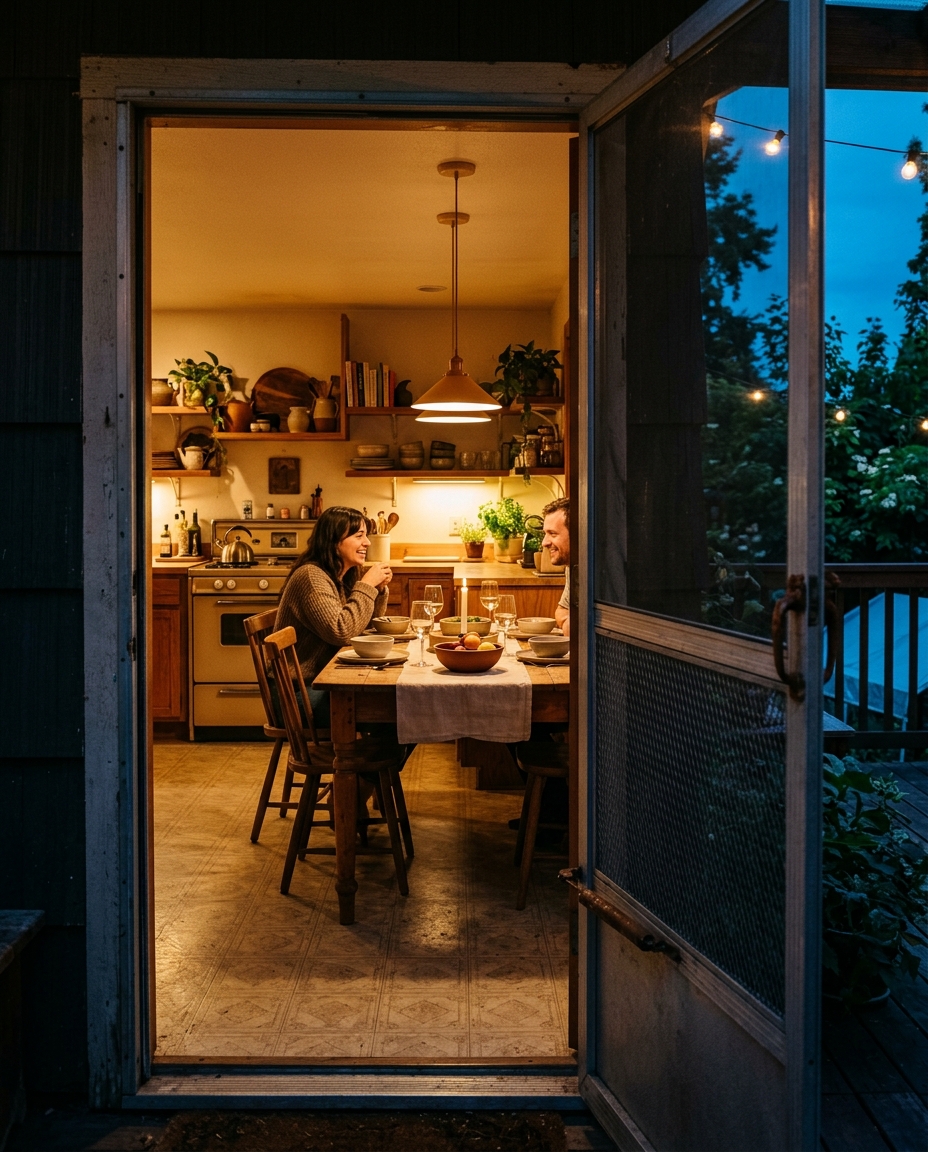
Half a Dozen Kitchens That Fed You Like Their Own
Here’s the thing none of the gadgets could touch.
It was never about whose house had the pool or the Atari. It was that six kitchens on my block knew my name, knew I’d show up around dinnertime, and set a place without being asked. I walked in their side door past the Harvest Gold fridge. I was corrected by their mothers and fed at their tables. I belonged in all of them at once.
Even now my wife Linda reminds me I spent more dinners at the Petersons’ than at our own table in 1983.
A Lava Lamp You Could Stare at for an Hour
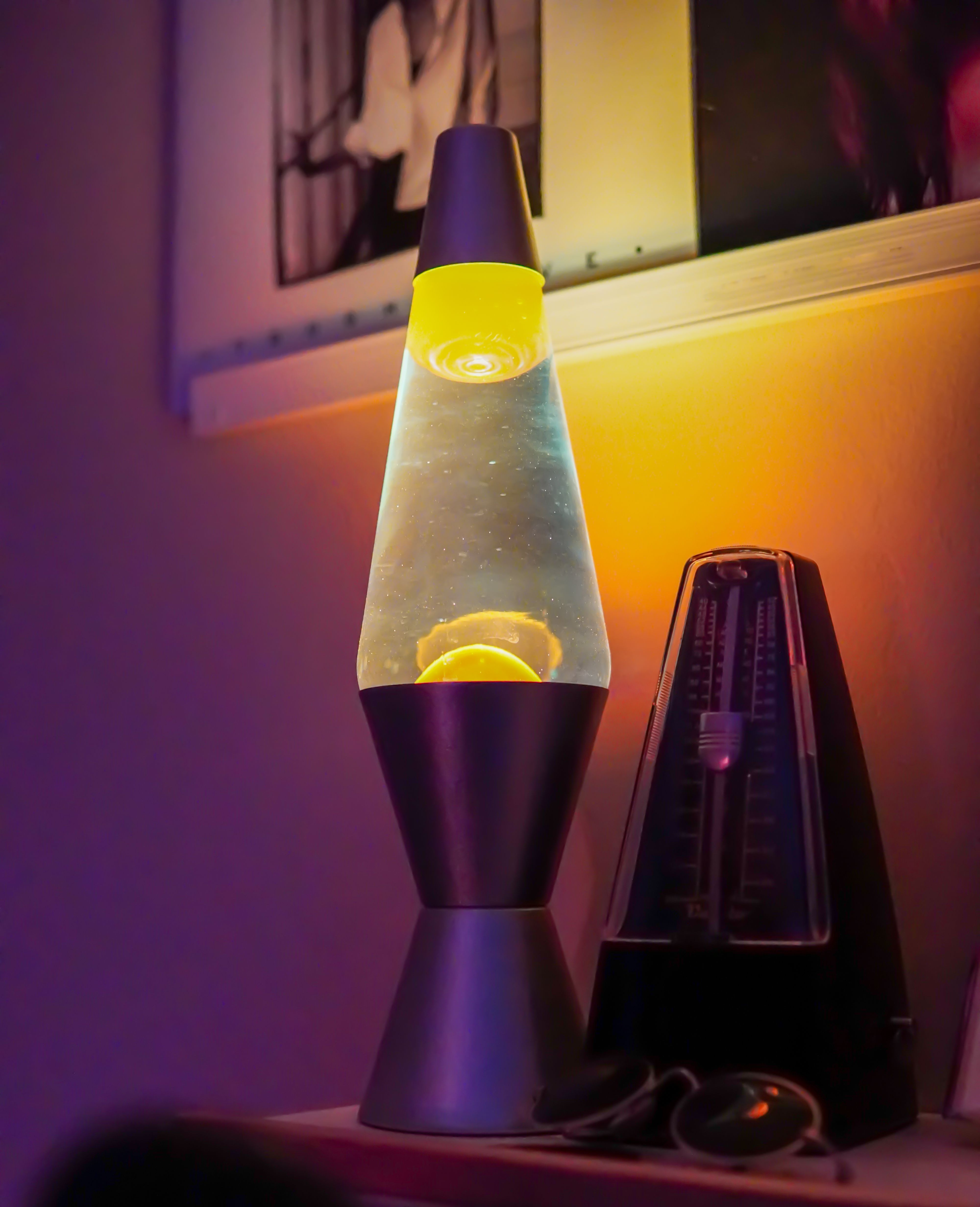
One friend’s bedroom had the lamp that wasn’t for reading. It was for watching. A tall glass column of slow colored wax that climbed and broke apart and sank, lit from below. First time I saw it, I sat right down on the floor.
YOU’LL ALSO LOVE25 ‘Common Sense’ Home Rules Everyone Followed in the 80s That Would Get You Laughed At Today
Edward Craven Walker dreamed it up in 1963 after watching a homemade egg timer bubble in a pan. By the mid-1970s his lamps sold 7 million a year worldwide.
Would you like to save this?
They retailed for about $15.
A 1970s original goes for $800 to $1,500 in 2025, more than a month’s mortgage payment in most of the country. I wasn’t allowed to touch it while hot. Reached for it anyway, just to feel the warm glass hum under my hand.
A Home Organ With the Built-In Drumbeat
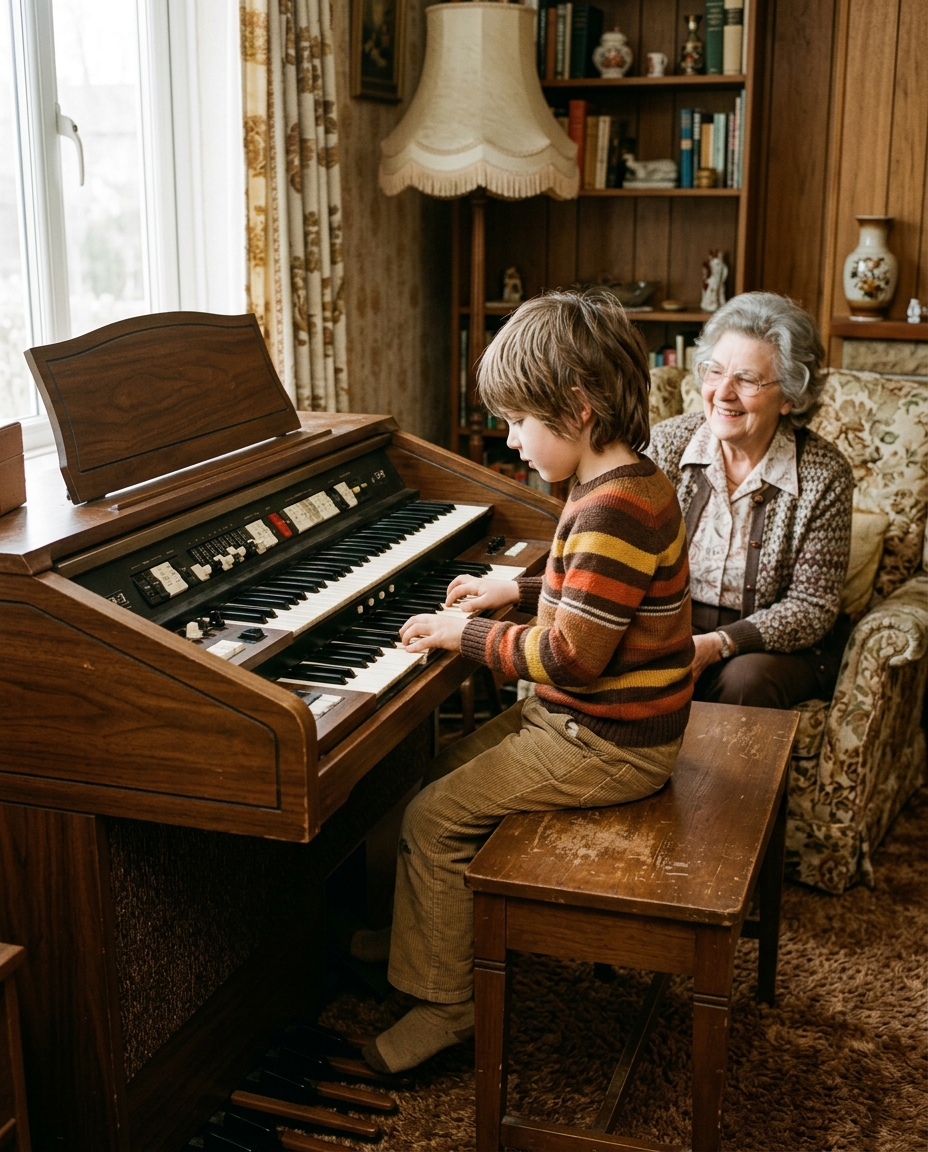
A certain kind of front room had the organ. Not a piano. An actual electric organ with two stacked keyboards and pedals at your feet. A panel of buttons that promised trumpets and a rhythm box I couldn’t leave alone.
Lowrey added automatic rhythm in 1968 so anybody could hold one finger down and get a whole cha-cha. No lessons required. I jabbed the bossa nova button, held a single key, and felt like a one-kid band.
The grown-up of the house gently closed the lid and sent everybody outside. But here’s what the house next door smelled like the second you walked in.
Woodsmoke From the Stove That Heated the Whole House
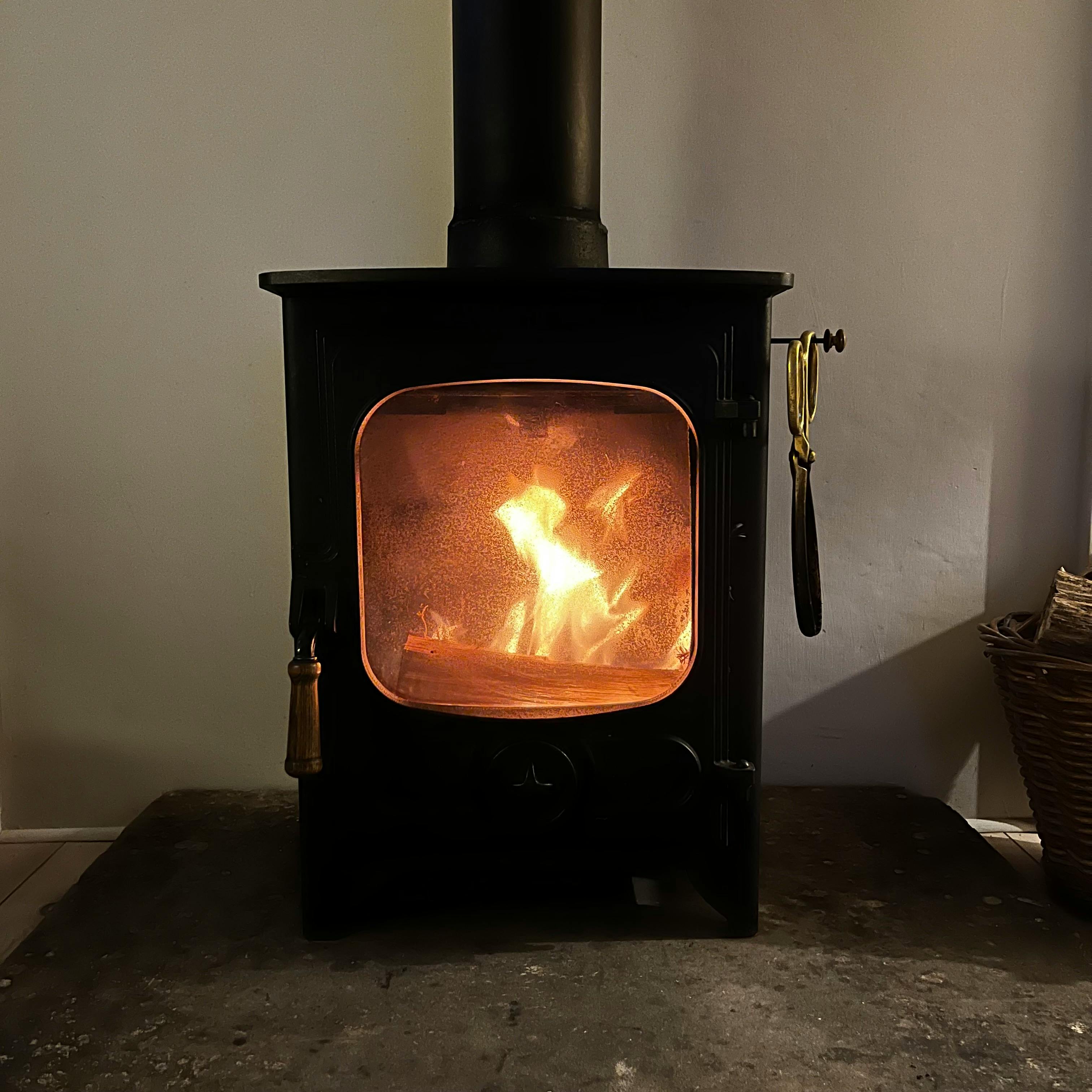
One family heated their home with a squat black iron stove that ate split logs and ticked as it warmed. The whole house smelled of woodsmoke the second the door opened.
This wasn’t charm. It was the decade. Before the 1973 oil shock, fewer than 1 in 100 American homes burned wood for heat.
By 1981 that jumped to better than 8 in 100, with 2 million stoves selling a year.
A cord of wood cost less than $50 in 1980, less than half the gas bill. Families fought their heating bills the only way they could.
I stood as close as I dared. Turned around to toast my back. Watched the fire through the glass door while the cold pressed at the windows behind me. Coming down to the basement, the chill felt different.
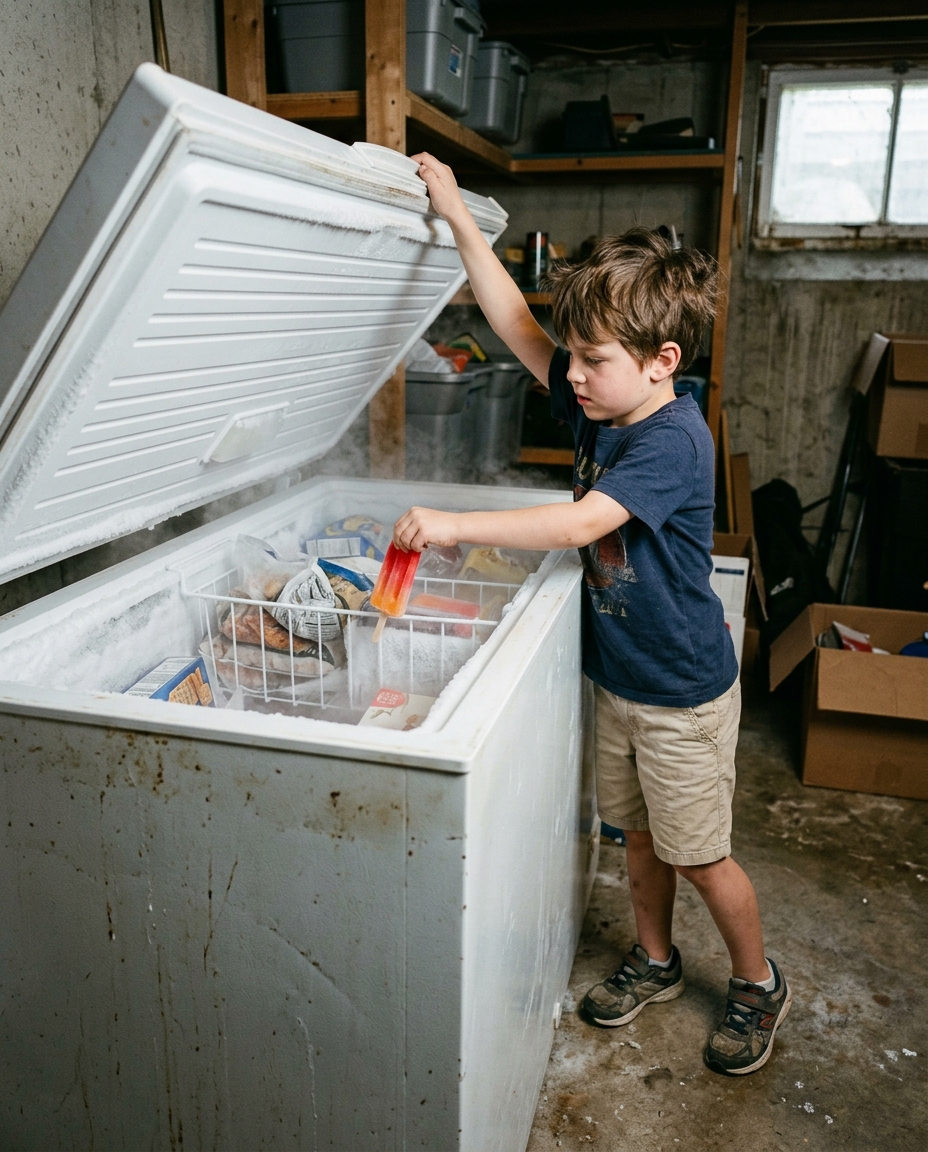
A Chest Freezer in the Basement Packed With Treats
Some basement or back porch had the big white chest kind you stood on tiptoe to reach. My family got by with the little compartment over the fridge.
People called it the deep freeze. The chest style showed up in the 1960s.
In farm-belt country, nearly half of homes ran a standalone freezer.
A place to keep a side of beef and, far more importantly, an endless stash of frozen treats. I knew which corner held the good stuff. Dug past the foil-wrapped mystery packages and came up with a pop while the cold fog rolled out over my arms.
But here’s what else lived in somebody’s basement.

The Pinball Machine Right There in the Rec Room
One kid’s basement had the real thing. A full-size pinball table that lit up and dinged like the machine at the pizza place, except this one didn’t eat your quarters.
Eight Ball Deluxe sold over 8,000 cabinets after 1981, and my friend Dave found one at an estate sale last spring for $200. He won’t stop bragging. “You could furnish a whole rec room with what people throw out,” he told my wife over dinner.
A working Eight Ball Deluxe sells for around $4,000 in 2025, and that’s more than a new furnace costs.
Most of the things collecting dust in your parents’ house would stun the kids at auction.
I waited my turn for the flippers the same way I waited for the Atari. Nudged the table without tilting it. Chased a high score nobody kept but everybody respected. This next one was in every house on the block.
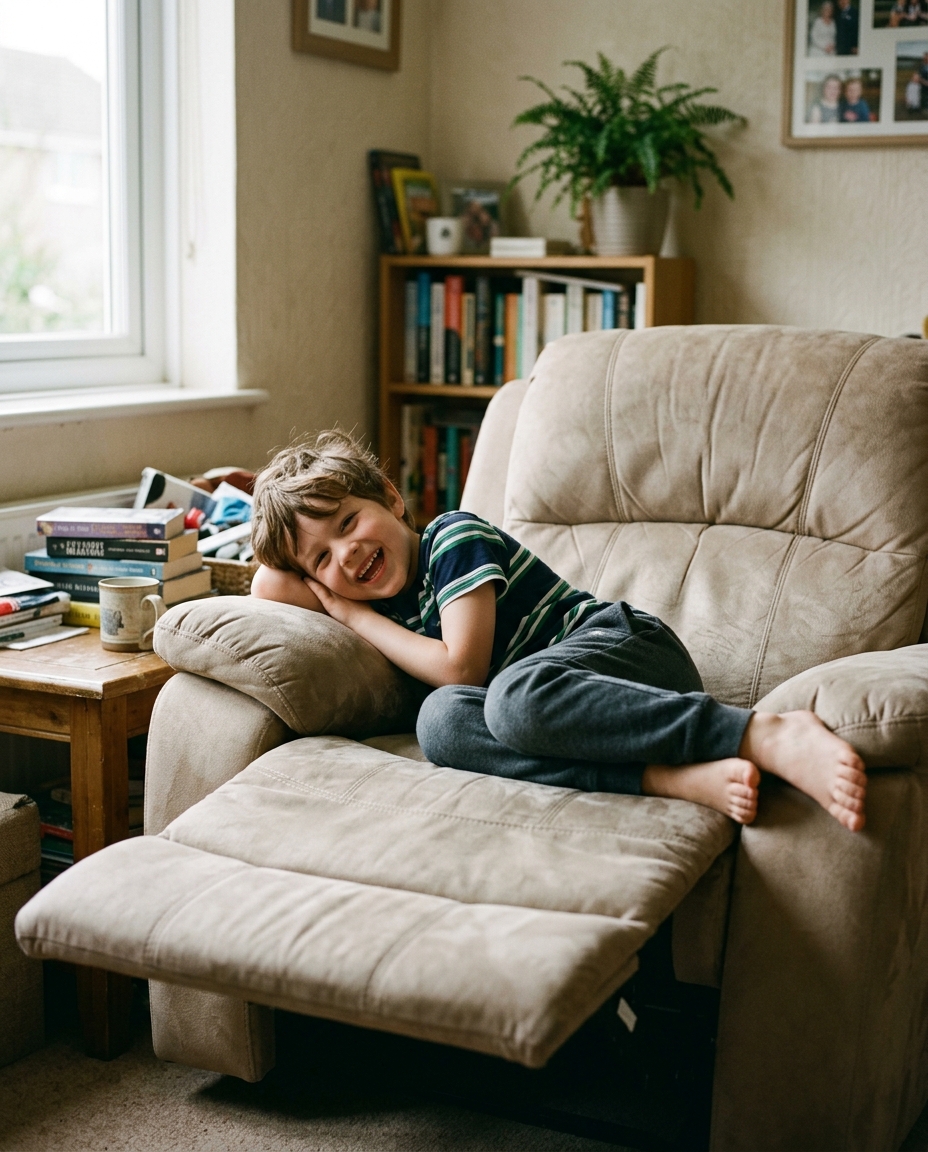
Dad’s Recliner With the One-Pull Lever
Every house had the chair. The big upholstered recliner understood by everyone to be Dad’s and Dad’s alone. A side lever that flung the back down and the footrest up in one glorious motion.
After the rocking version came out in 1961, this recliner went from curiosity to fixture overnight.
One maker’s yearly sales climbed from $1.1 million in 1960 to $52.7 million by 1970, gains no other piece of furniture could match.
I sat in it the instant the coast was clear. Yanked the lever. Rode the thing all the way back until I was nearly looking at the ceiling. Scrambled out the second I heard footsteps. Wait until you see the last one.
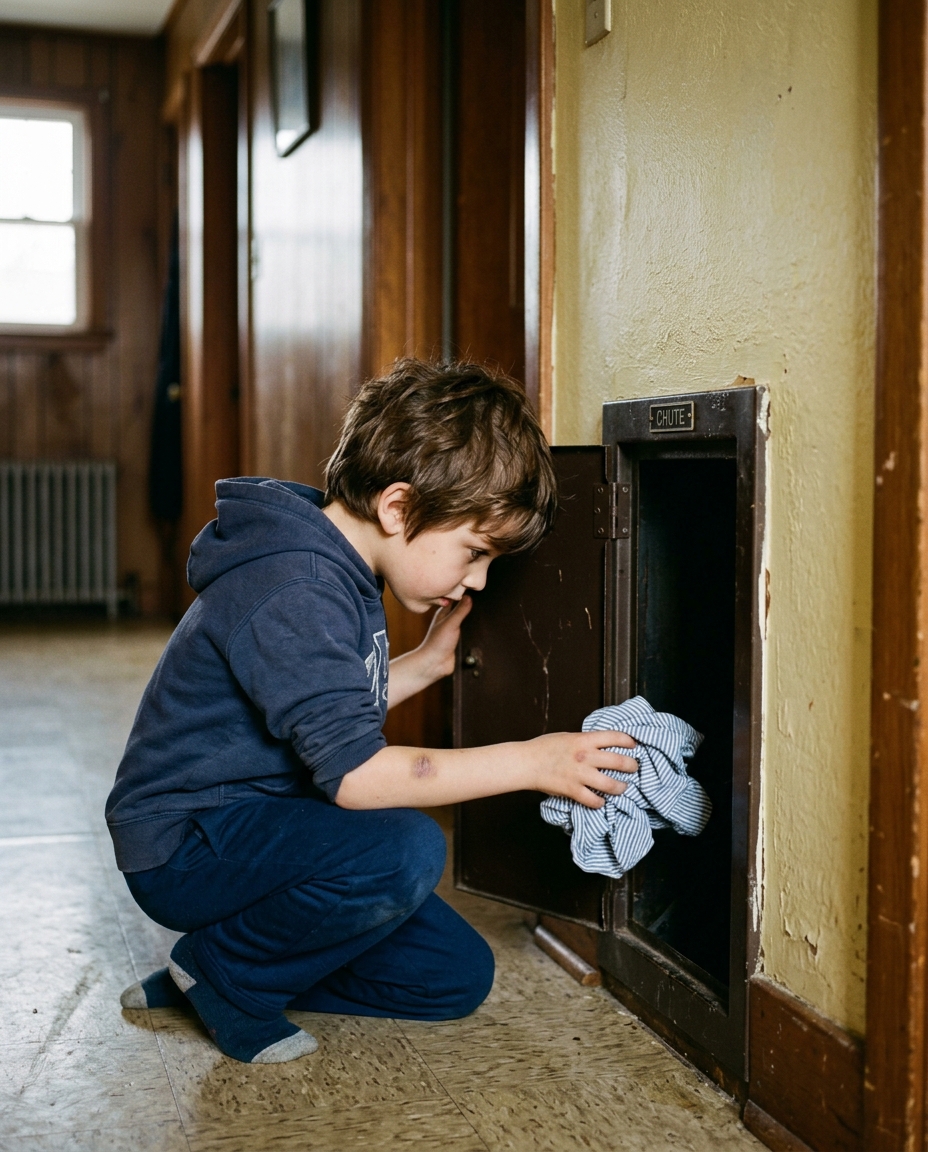
Laundry Chutes That Dropped Clothes Straight to the Basement
A few older houses had the little hinged door in the hallway wall. Open it and there was a dark shaft that fell to a basket in the basement. I dropped a balled sock in the top and heard it land two floors down.
Builders once treated it as a selling point. Home catalogs from the early 1900s through the 1950s sold the chute as a gift to the woman of the house. It vanished in the 1970s, when inflation had builders cutting every extra from a floor plan.
I tested its limits the moment no adult was watching. Fed it things far bigger than socks just to hear how long they took to hit bottom. So what did all that borrowing from other people’s houses turn into?
What That Borrowed-House Childhood Quietly Becomes
Nobody planned it. But look at what all that drifting from door to door turned into.
The kid who waited three turns for the Atari became the grown-up with patience. The one who behaved in six kitchens became the adult who reads any room. The child fed by half the block grew up understanding that a home is meant to have its door open.
That instinct carries clean across the decades. The toddler at every neighbor’s table becomes the teenager welcome everywhere, becomes the parent whose kitchen fills with other people’s children. The single thing that made it all work was the open door. It never cost a dime.
And whatever your house says about you now, visitors decided in the first 10 seconds. They just won’t tell you.
So tell me. Whose house on your block was the one everybody ended up at?