
A lawn is the one thing you own that demands payment every week, in time, in money, and in your knees. Mow it, and it grows back so it can be mowed again.
Sooner or later a lot of us look at that bargain and decide it is a bad one. I did, three summers ago, after thirty-one years of mowing the same patch of grass out front. I dug most of it out and put something easier in its place.

Would you like to save this?
Since then I have watched eight yards on my street do the same, and talked to nearly every neighbor who pulled the trigger. Walk any neighborhood where the residents have gray hair and good sense and you will spot the yards that look a little different now, the low plants and the gravel paths and the wave of color where a flat green carpet used to be.
They almost all give the same handful of reasons. Here they are, in their words and mine, along with what each one planted once the grass was gone.
The Weekly Mowing Just Wore Me Down
For me it was the mowing itself. Not any single Saturday. All of them, stacked up over thirty years.
Carol, three doors down, said it better than I ever could. She is sixty-five, she handed off her mower seven summers ago, and she does not miss one minute of it.
“My weekends are mine again,” she told me over the fence.
That was her whole reason. No study. No rebate. A person deciding her Saturdays belonged to her.
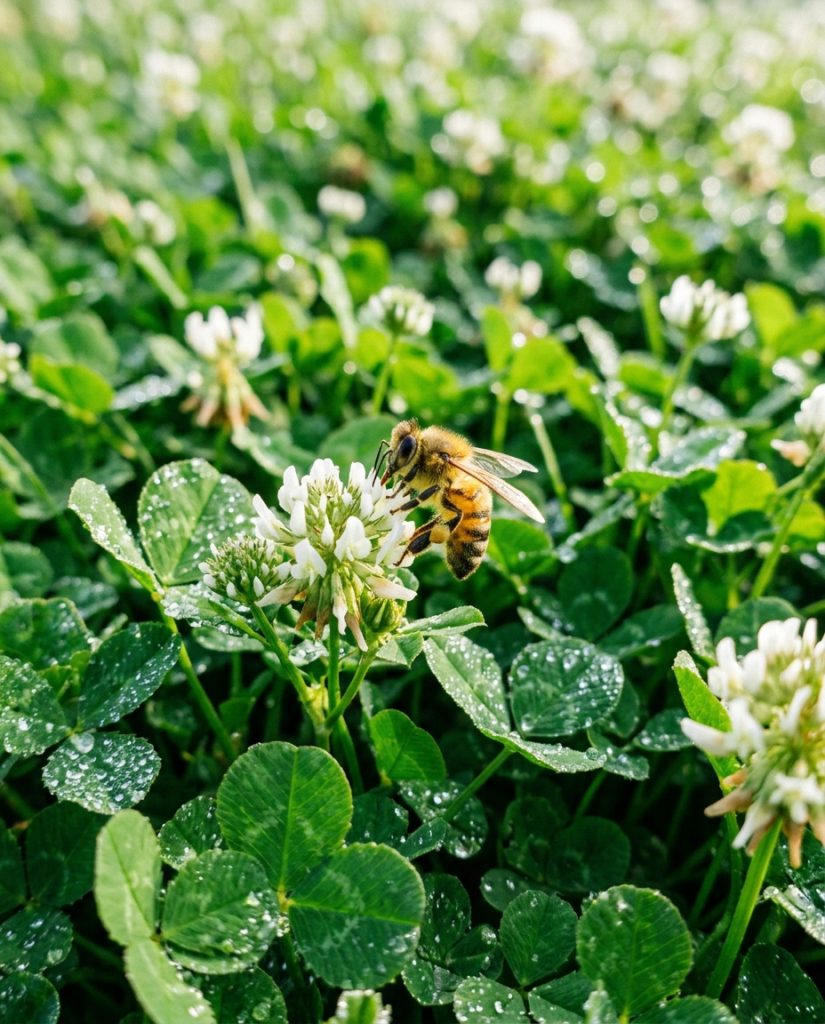
What most of us put down when the grass comes out is clover. It wins you over the first summer. It wants mowing every two or three weeks instead of every single one. It feeds itself straight out of the air, so you never buy fertilizer for it again. And it stays green through a dry August that turns regular grass the color of straw.
YOU’LL ALSO LOVE25 Things About Your Home That Visitors Notice in the First 10 Seconds (But Never Tell You)
It is soft underfoot, too, and it shrugs off the brown spots a dog leaves behind.
There is one knock on it. Clover wears thin where you walk the same line every day. The fix is a single stepping stone. That is the entire catch.
The next reason shows up on paper. Every July. In red.
The Summer Water Bill Got Painful
Summer is when a lawn quietly empties your wallet through the spigot. A thirsty patch of turf can drink more in July than the inside of your whole house uses, and on a fixed income that line on the bill stings.
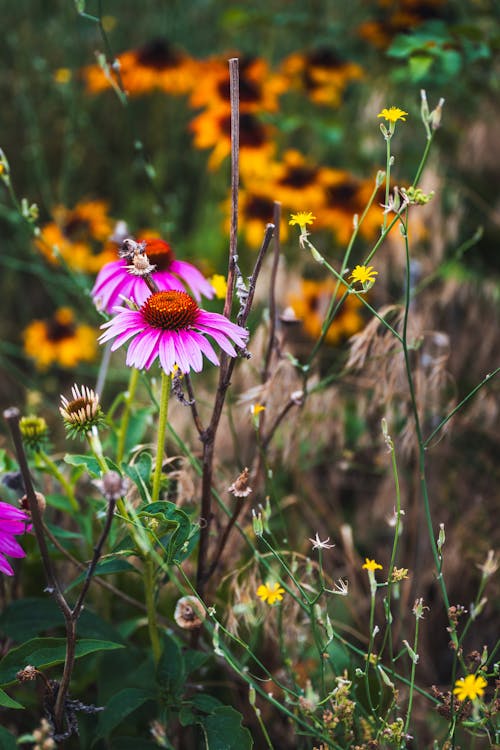
The neighbor who fixed this best did it with natives, the grasses and flowers that grew here long before anybody rolled out the first strip of sod.
The reason they barely need water is hiding underground. Many prairie plants send roots four to eight feet down. Common Kentucky bluegrass reaches a couple of inches, then quits and waits for you to turn on the hose.
I have stood in her yard in August and watched her coneflowers stand straight up in heat that had my lawn next door lying flat.
One University of California study clocked native plantings using about 60 percent less water than the lawn they replaced.
That is not a rounding error. That is most of your summer water bill, simply gone, on a planting that fends for itself once it takes hold.
The reason behind the next yard was not a bill at all. It was a scare.
Mowing the Slope Finally Got Dangerous
For a lot of folks the turning point is not money. It is the afternoon something almost goes wrong.
My neighbor’s husband was sixty-three and certain he was invincible, right up until the day he came off a short ladder on their hill. He was fine. Shaken, but fine. That was the week they hired the yard out and started planning to plant over the whole slope.
YOU’LL ALSO LOVE30 Things in the 1970s Living Room That Would Confuse Anyone Under 30
A grade you mowed easily at fifty becomes a real hazard at seventy, and a fall is the fastest way someone our age ends up in the hospital.
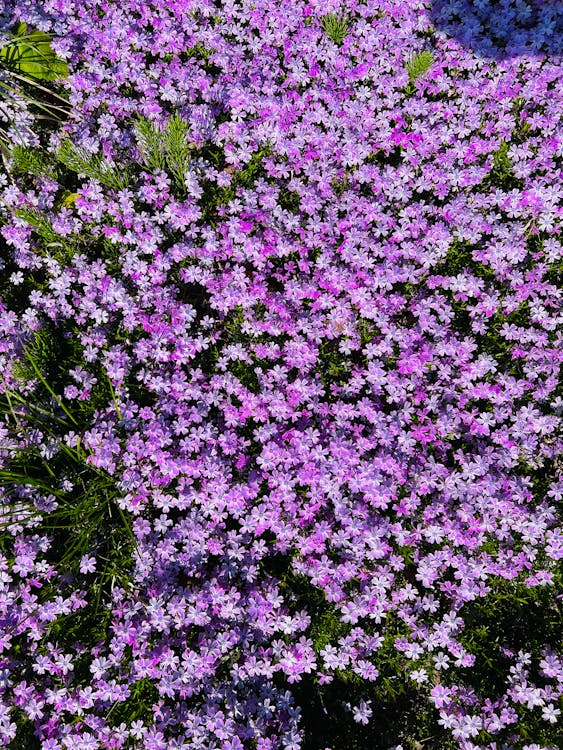
The plant that solves a slope is a creeping ground cover like thyme. It grows two to four inches tall, spreads into a dense mat that crowds out weeds on its own, and never needs mowing at all.
You plant it once, standing on flat ground at the top, and the hill takes care of itself from then on. It even gives off a faint herb scent when you walk across it, a small gift on the way to the mailbox.
No more dragging a mower sideways across a grade. No more white knuckles hoping a wheel does not slip. The danger you used to just accept quietly disappears.
The next neighbor did not want a project. He wanted the simplest yard a person could own.
I Wanted the Whole Thing to Be Simple
Listen to people describe the change, and you mostly hear relief.
Dale, who retired the same year I did, put it flat. Life is too short to spend it doing things you do not want to do. He had watched too many people in their seventies burn their good years fighting yard work and gutters, and he was not going to be one of them.
The simplest move he made was not exotic at all. It was mulch.
You shrink the lawn to a small patch by the door, sheet the rest in deep wood mulch, and tuck in a few shrubs that ask for nothing. Mulched beds hold their own moisture, smother weeds before they start, and want a refresh maybe once a year.
Then trace where the time goes. The two or three hours he used to spend behind a mower every Saturday turn into two or three hours on the porch.
Across a whole summer, that is most of a work week handed back to him, every year, for the price of a few yards of mulch.
The next reason is the one almost nobody sees coming, because it pays you.
I Found Out the City Will Pay You to Rip It Out
Here is the part that surprises people most. In a lot of places, tearing out the lawn pays.
YOU’LL ALSO LOVE11 Neighborhood Rules Every Kid Knew in the ’80s That No Parent Would Allow Today
Cities short on water now hand homeowners money by the square foot to swap turf for stone and drought-tolerant plants, because every foot of grass you remove is water they no longer have to deliver.
Albuquerque and parts of Arizona pay around 3 dollars for every square foot of thirsty grass you pull. One California program goes to 3 dollars and 50 cents a foot, up to 6,000 dollars back in your pocket.
There is a catch, and it is a big one. You have to apply and get approved before you tear up a single blade. Do it in the wrong order and you get nothing.
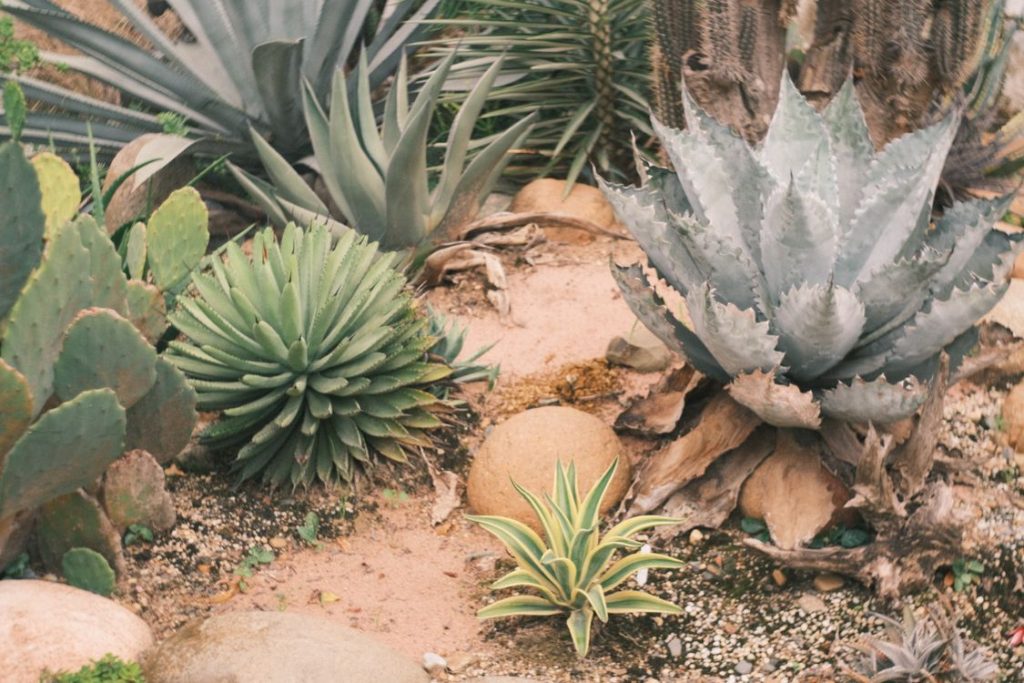
The style that fits the rebate is the gravel garden, sometimes called a xeriscape, where a layer of stone lets rain soak through to a few tough, good-looking plants that thrive on neglect.
Do the quick math on a normal front yard and the check covers most of the job. A project you were dreading turns into one that nearly pays for itself.
The next one is less about money and more about being tired in your bones.
I Was Tired of Fighting My Own Yard
There is a particular exhaustion that comes from battling your own grass year after year, pouring chemicals on it to hold a color it does not want to be.
A lot of us hit an age where that fight stops making sense. So we do the thing that would have horrified our fathers. We let it go a little wild, on purpose.
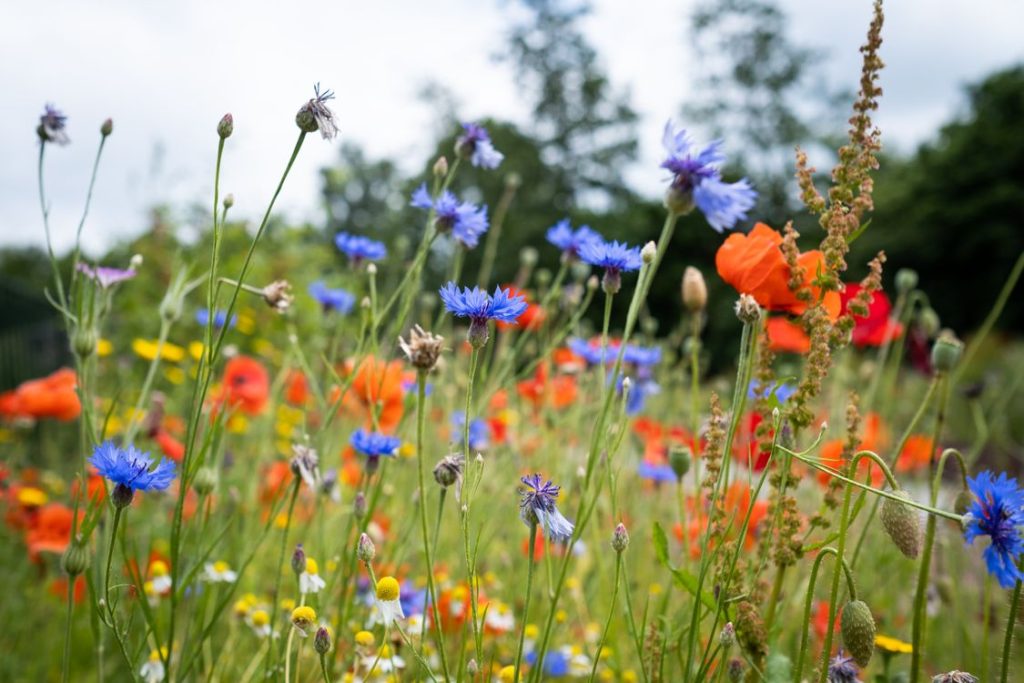
A small meadow of native grasses and wildflowers, mowed once a year, replaces the weekly grind completely.
One homeowners association in Colorado converted its grounds this way and watched its yearly water use drop by 15 million gallons.
Think about what a meadow actually does. It feeds itself. It waters itself after the first season. It asks for one pass with a mower each spring and nothing else.
The reward shows up the first warm morning, and it has a sound to it, a low steady hum of bees working blooms where a silent green rectangle used to be. The people who swore they would miss the tidy lawn tell me they stopped missing it the week the first butterflies came.
YOU’LL ALSO LOVE25 ‘Common Sense’ Home Rules Everyone Followed in the 80s That Would Get You Laughed At Today
The next reason is the one that finally got me to add up the real cost.
The Mower, the Gas, and the Chemicals All Added Up
A lawn does not cost you only the lawn. It costs you the mower, the trimmer, the gas can, the bags of fertilizer and weed killer stacked in the garage, and the morning you spend running all of it.
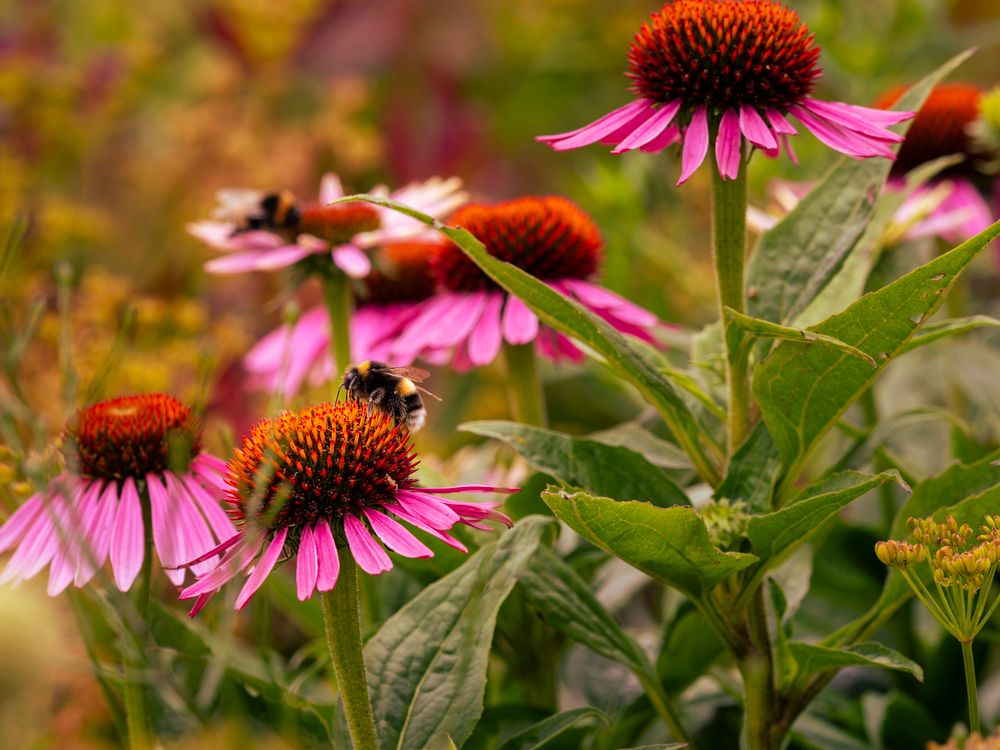
When folks add up that whole pile and decide they are out, a lot of them plant a pollinator garden instead, a loose mix of flowering perennials that bloom from early spring straight through the first frost.
Would you like to save this?
The University of Maryland found clover and similar low-care plantings cost 30 to 50 percent less to keep up every year than a conventional lawn, and a pollinator bed lands in that same easy range once it fills in.
Here is the part most people miss. The garden does work the lawn never could. It feeds the bees and the butterflies and pulls the birds in close, the cardinals and finches and the odd hummingbird, and it turns a chore you used to dread into the best show in the yard.
You go from working the space to watching it, coffee in hand, while it runs itself.
The next person on my street loved her garden. She just could not do it the old way anymore.
Kneeling in the Dirt Started to Hurt
Not everyone who tears out the lawn wants to stop digging. Some of us love the garden and only want to lose the parts that hurt.
The answer that comes up again and again is the raised bed.
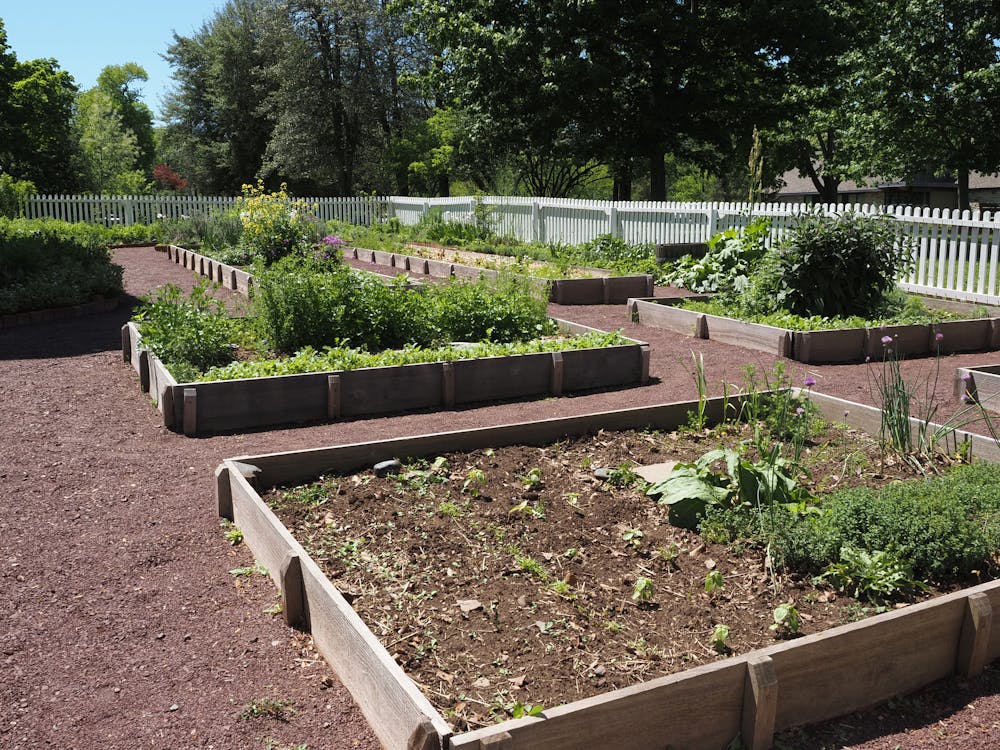
The woman across the street gave up her big in-ground vegetable garden but kept three raised beds, because they are simply easy on the body. No kneeling on the ground. No bending double. The soil comes up to a comfortable height, so the work happens at your waist instead of your knees.
Around the beds, the old lawn becomes mulch and stepping stones, so there is nothing left to mow between them.
You keep the tomatoes warm off the vine, the herbs by the back door, and the quiet pride of growing your own food. You hand over the part your back was tired of. Almost everyone who makes that trade calls it a flat-out win, and the beds last a decade before a board ever needs swapping.
The last reason is the one almost nobody says out loud first, and it is the one that ends up mattering most.
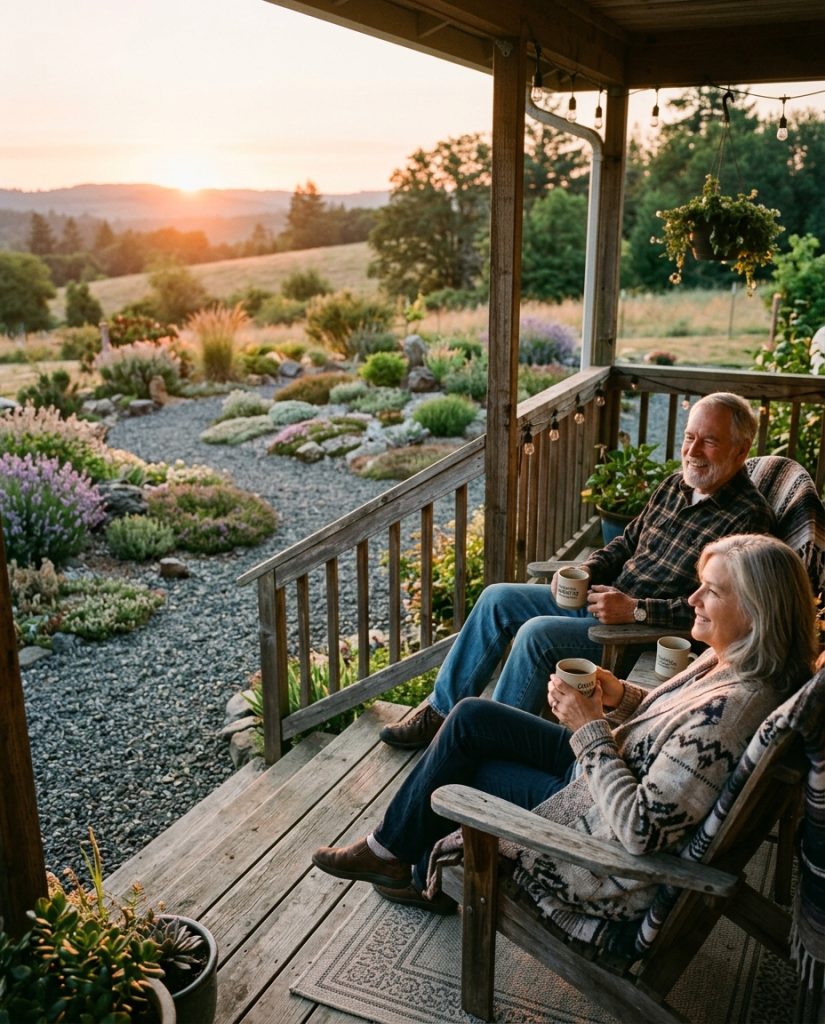
[IMAGE: an older couple relaxing on a porch overlooking a low-care planted yard with coffee at sunrise]
This is the reason almost nobody lists first, and the one that ends up mattering most.
The Years I Have Left Matter More Than the Grass
There is one more reason, and it has nothing to do with the water bill. Underneath every story on this list is the same quiet sum.
The time is getting short, and the lawn is not worth the slice of it that it takes. The people who hired the work out say it without a shred of regret. There are better things they want to do with the weekends they have left.
Some go further and plan to leave the upkeep behind for good, moving somewhere a younger pair of hands handles all of it, and they can hardly wait.
Whatever they plant in place of the grass, clover or gravel or a wild little meadow, the real thing they are planting is more open afternoons.
Add up a lifetime of Saturdays at three or four hours each and the number climbs into the thousands of hours. At some point a person looks at that number and decides the grass can fend for itself.
That is the reason that finally moved me. Quieter than any dollar figure, and more personal, and the one I almost did not admit until last.
Before You Roll Out Fake Grass, Hear Me Out
Plenty of people skip every plant on this list and lay down artificial turf, picturing a green yard that never needs a thing. It is a fair instinct. Just know the trade before you commit.
Installed, fake grass runs about 13 to 32 dollars a square foot, far more upfront than a bag of clover seed, and it lasts only 10 to 20 years before it has to be torn out and hauled to a landfill.
It bakes in the sun, too, running hotter underfoot than living plants on a July afternoon, hot enough that some folks end up hosing it down just to stand on it.
And here is the cost that never shows on the invoice. Plastic grass feeds nothing. No nectar, no seed, no bees, no butterflies, no birds working the yard at dawn.
The neighbors who chose living ground cover gave up a sliver of tidiness for a yard that is actually alive. Every one of them tells me the living version is the one that keeps handing something back.
What You Actually Get Back When the Lawn Is Gone
Tear out the grass and the first thing you notice is what stops. The mower goes quiet. The Saturdays open up.
But the real return comes in slow, over the years that follow, and it turns out to be bigger than free time.
Year one, you get your weekends and a smaller water bill. By year three, the new planting has filled in and gone nearly self-sufficient, paying back what it cost to put in. Somewhere in there the birds and the bees move in for good, and the yard becomes something you sit and watch instead of something you battle.
Further out comes the day a bad knee or a bad back would have ended your lawn-keeping anyway, and you are quietly glad you made the call early, on your own terms, while it was still yours to make.
The one thing that unlocks all of it is the decision itself. Not the clover. Not the gravel. Not the rebate. Just the morning you decide the grass is no longer the boss of your weekends.
So here is my question for you. If you tore out your lawn tomorrow, what would you plant in its place, and what would you finally do with all those Saturdays you got back? Tell us in the comments.