
The average American household drops $500 a year keeping a yard alive.
Most of that waters plants that quit the moment you skip a weekend. I gave up that fight.
Here are 18 plants that earned their spot by surviving my neglect. One might outlive you.
Juniper, the Closest Thing to Zero Work
Would you like to save this?
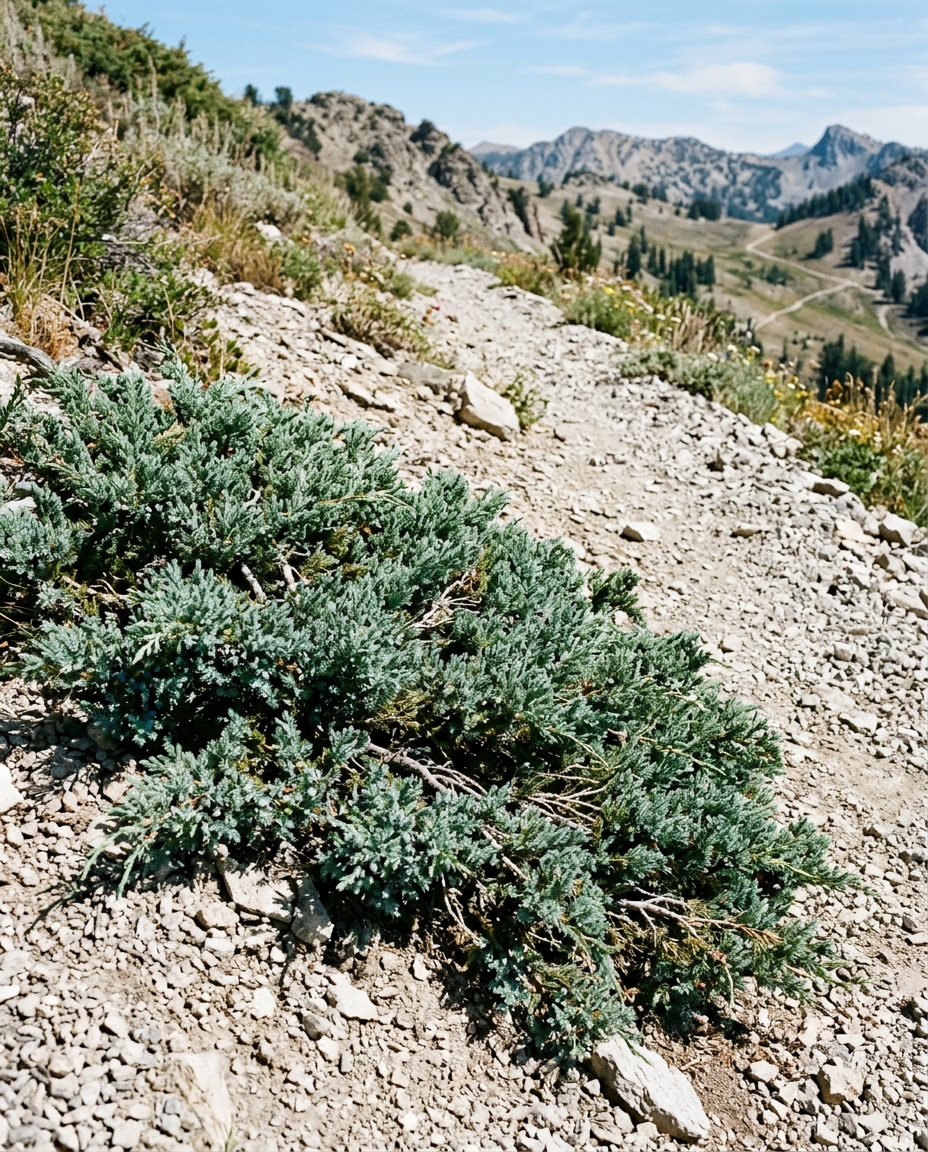
Juniper gets the lead. Mine has not needed water beyond rain since its second year. No pruning. No spraying.
Common landscape junipers live 30 to 70 years.
A 1-gallon pot runs about $15 at Home Depot, less than the gas to drive there and back.
Rutgers University files juniper under their “Rarely Damaged” deer rating, the highest mark on the list. The aromatic oils in the needles do the work.
Turns out the one thing most people are afraid to do to a shrub is what makes the next one bloom harder.
Cut This Shrub to a Stub Every Spring
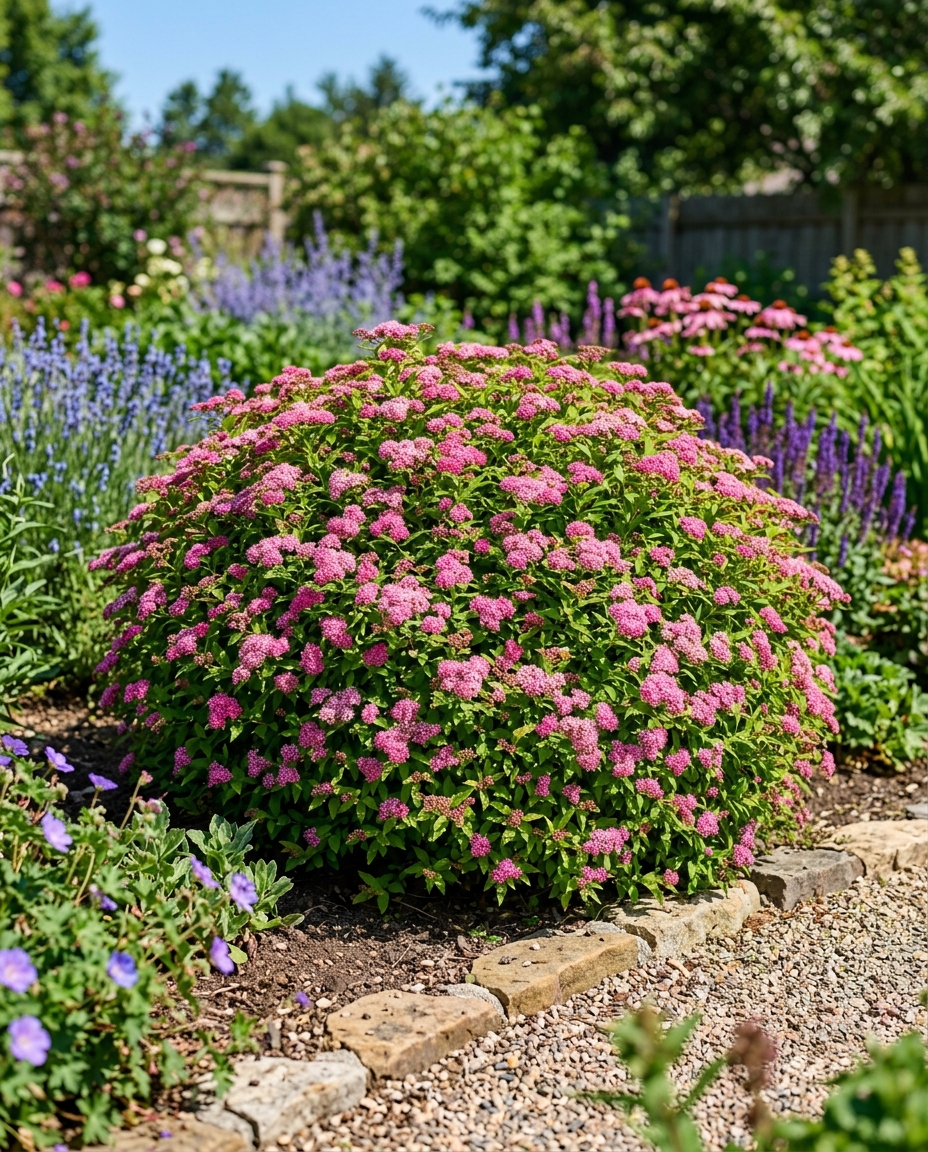
Summer blooming spirea can be cut to a 6-inch stub in late winter.
The first year I did it, my neighbor Frank actually winced. “I thought you killed the thing,” he told my wife Linda over the fence. By June it was covered in pink.
YOU’LL ALSO LOVE25 Things About Your Home That Visitors Notice in the First 10 Seconds (But Never Tell You)
The hard cut rejuvenates old wood and pushes a stronger flush. Once settled, spirea handles drought, deer pass it by, and the entire job is 1 cut a year.
But here is where it gets complicated for anyone who checks state rules.
12 States Have Banned This One
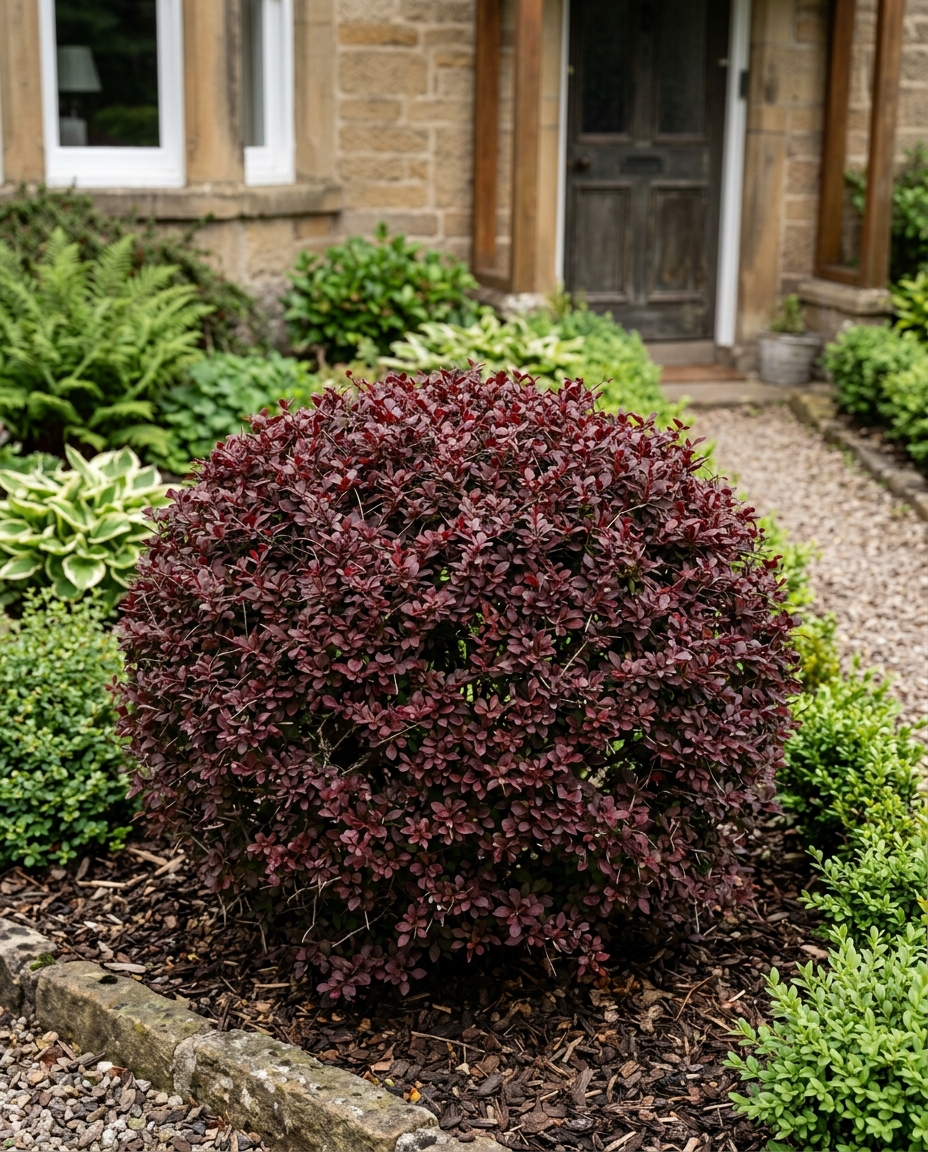
Barberry brings deep color all season. Wine red. Glowing gold.
Fine spines run every stem, and Rutgers ranks it “Rarely Damaged” alongside juniper. Deer take 1 mouthful and quit.
One honest catch. Japanese barberry is restricted in 12 states.
Michigan added a ban in 2026, effective January 2028. Check your state’s invasive list before you buy. Where legal, nothing tougher exists for year-round color.
Planting decisions have a way of following you home. 7 homeowner regrets show up in every survey, and the first is not the mortgage.
So what does the same job without the legal footnote?
Russian Sage Looks Fragile and Is Not
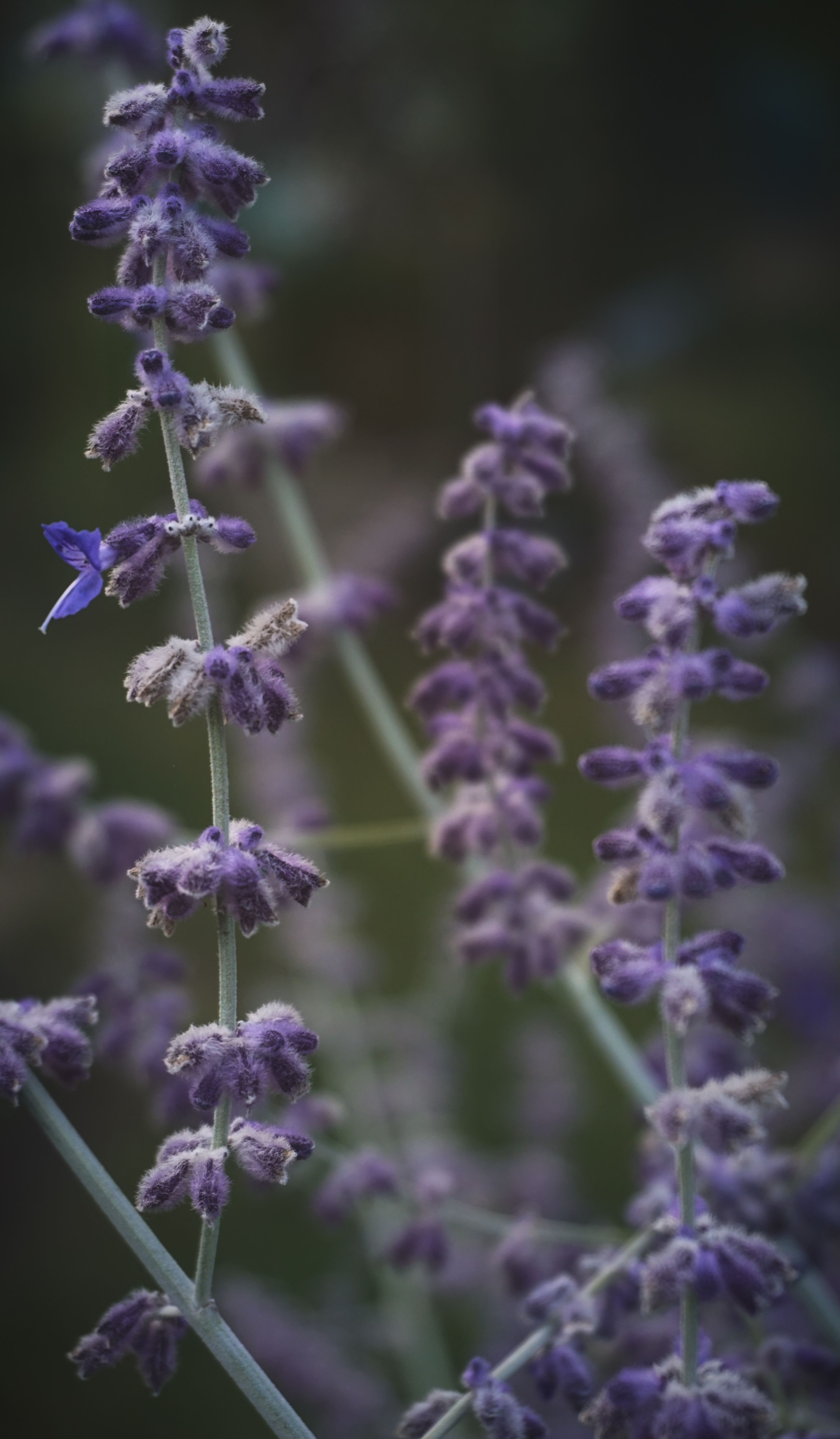
Russian sage looks like it would faint in a heat wave. It will not.
Hardy from zone 4 through 9, it wants almost no water once established and blooms from midsummer through first frost. Rutgers gives it the top “Rarely Damaged” mark. The pungent oils do the work.
And this is where the same trick runs for months on end.
Catmint Blooms After Everything Else Quits
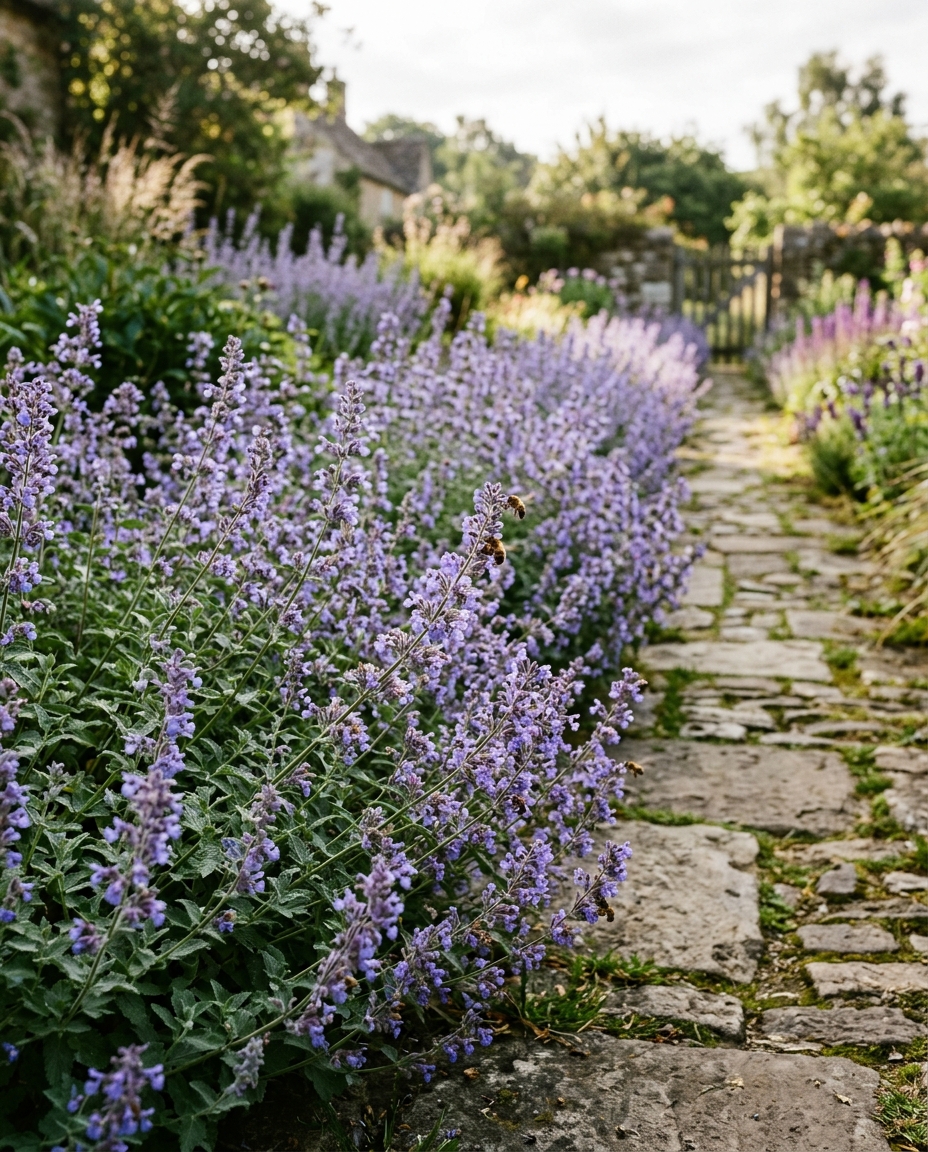
Catmint stays 1 to 2 feet tall. It covers itself in violet-blue flowers from late spring into fall.
The aromatic leaves keep both deer and rabbits moving along. Rutgers puts it in the “Rarely Damaged” tier.
One shearing midseason brings a fresh flush. Skip it and it just gets shaggier.
One clump lives roughly 10 years. Split it and it keeps going.
Half my front walk grew from one $12 plant, and that covers 28 years of curb appeal.
YOU’LL ALSO LOVE30 Things in the 1970s Living Room That Would Confuse Anyone Under 30
Worth knowing, which brings us to the one that prefers bad dirt.
The Perennial That Prefers Terrible Soil
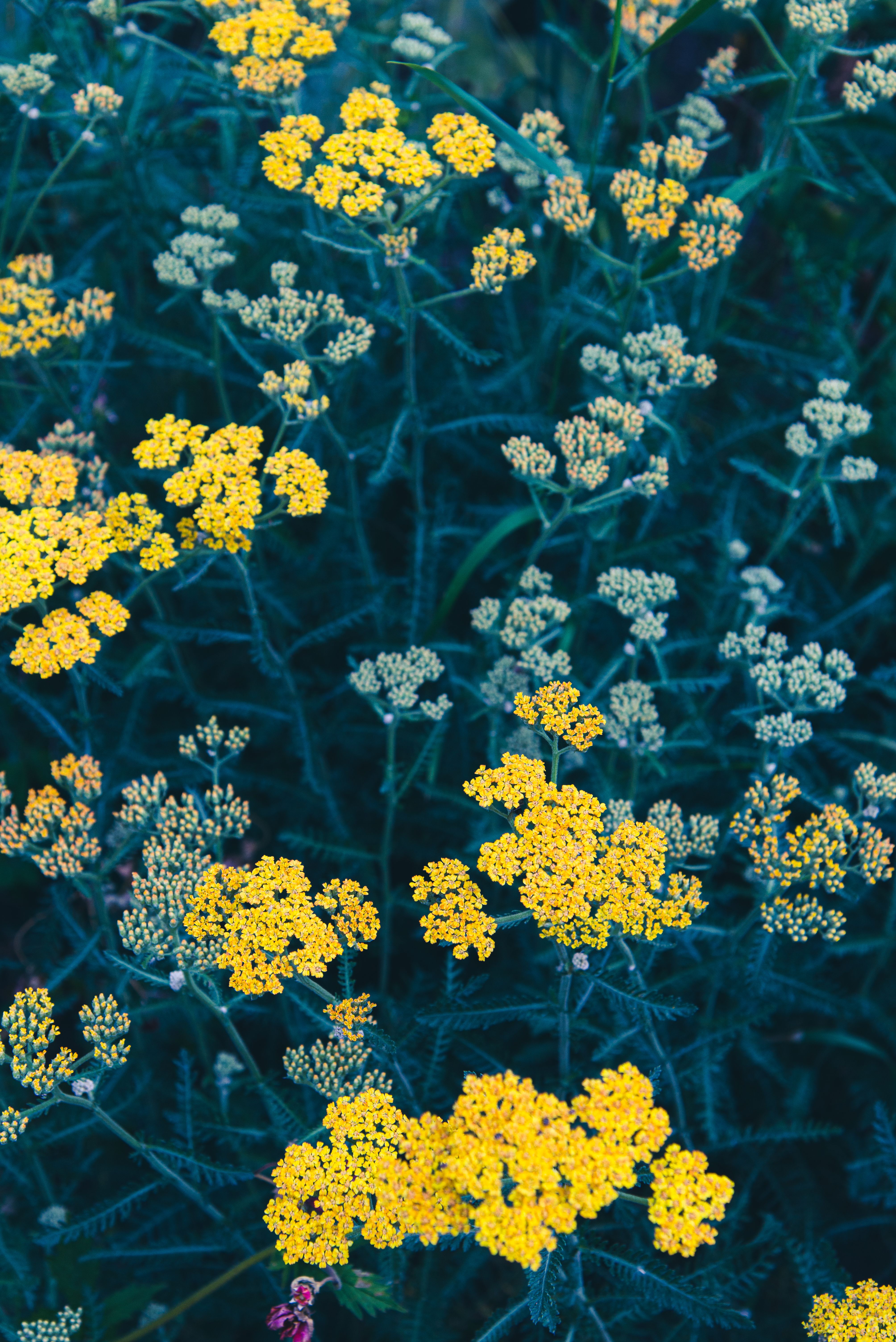
I tucked yarrow into the baked strip along the driveway where everything else gave up. It thrived.
Hardy across zones 3 through 9, it lifts flat plates of flowers in yellow, white, pink, or red, and the deer walk past. The poorer the ground, the better it performs.
Turns out the one after it handles drought by storing water inside its own leaves.
Sedum, the Living Water Tank
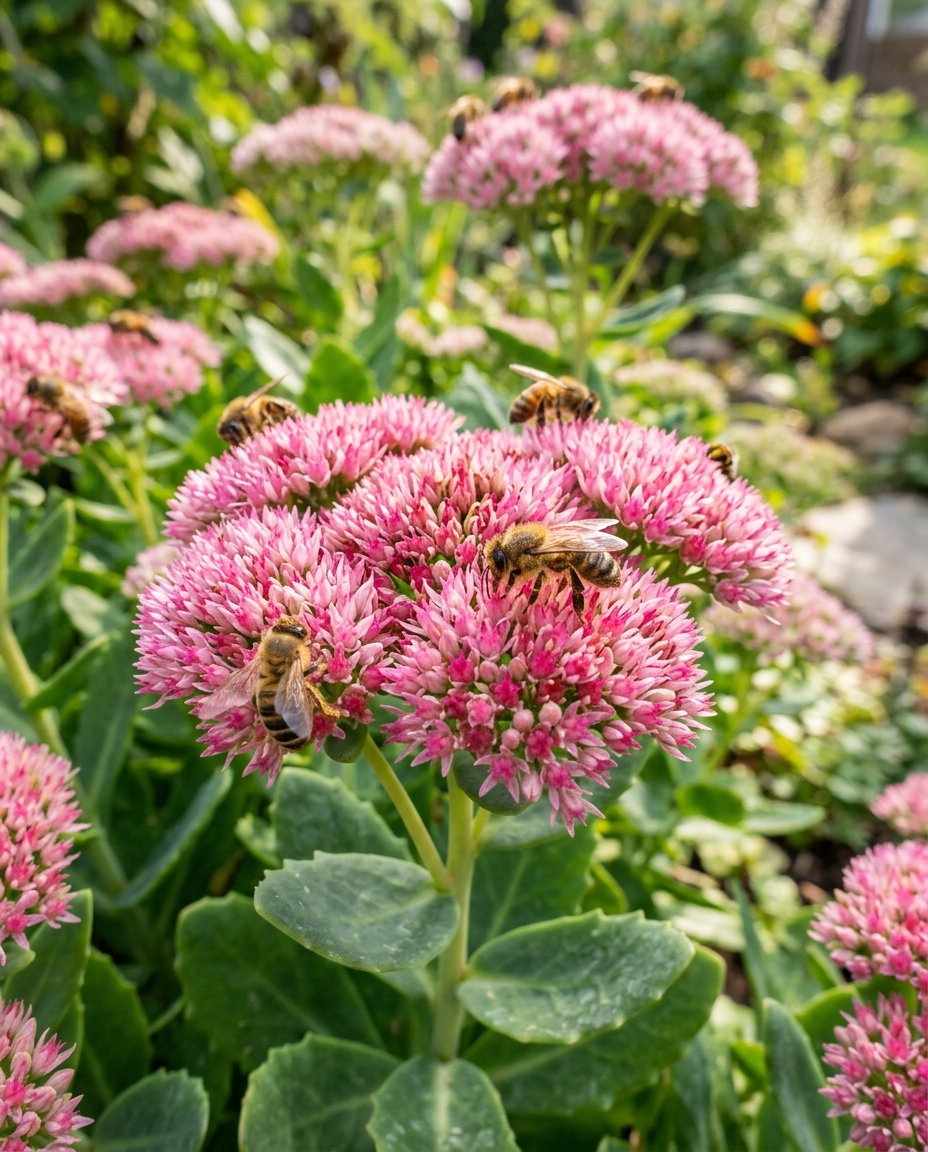
Those thick, fleshy leaves are small water tanks. The plant banks its own moisture.
3 weeks without the hose does nothing.
Run a thumb across a leaf and you feel that cool, plump firmness. Hardy across zones 3 through 9.
The popular Autumn Joy variety tops out around 24 inches, turning dusty rose pink in late August when half the garden fades.
Deer leave it alone. I do nothing. It shows up on schedule.
Wait until you hear what shows up at the coneflower in December.
Coneflower, the Free Winter Bird Feeder
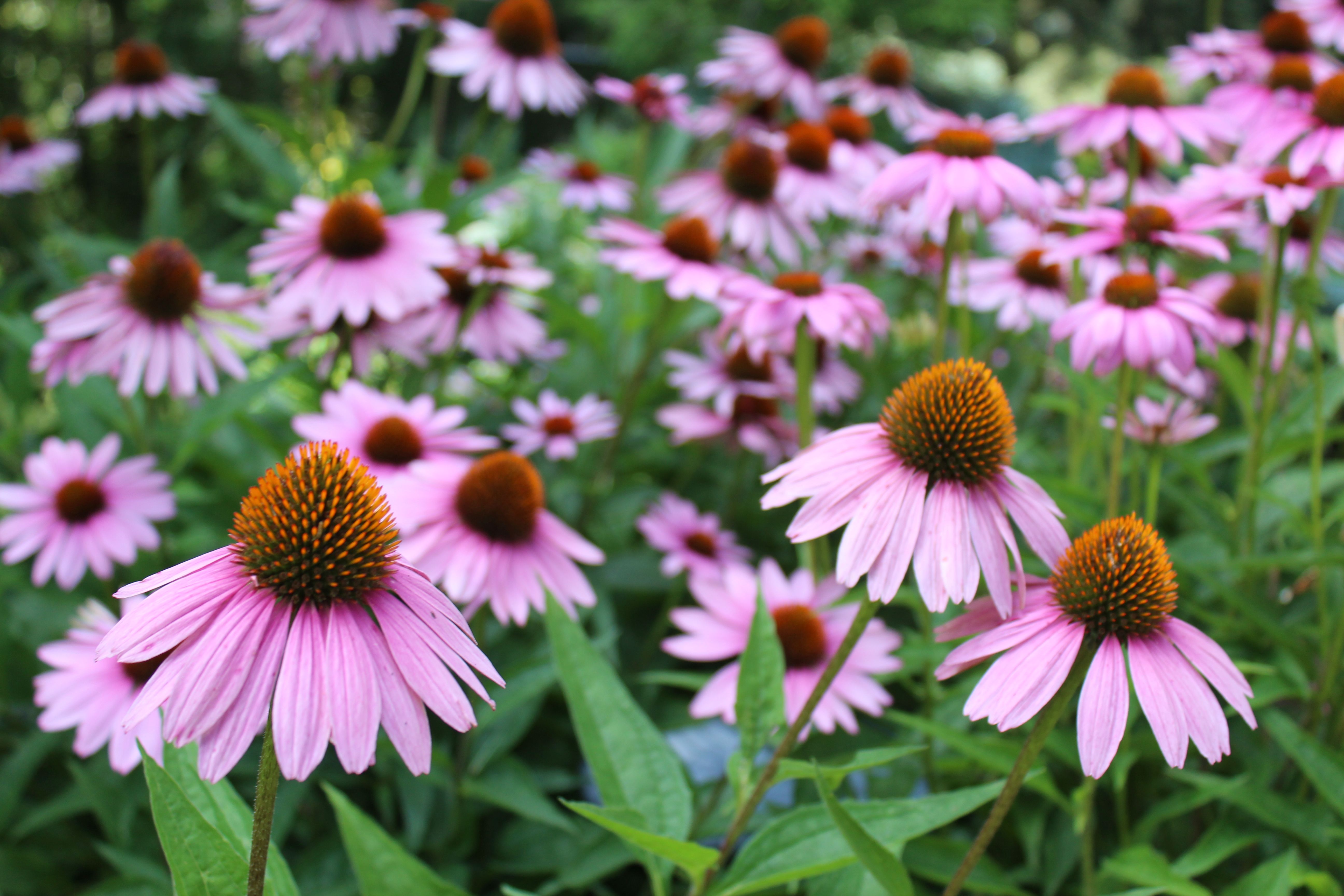
Coneflower is a prairie native. It tolerates poor soil. It barely needs water after year 1.
The stiff petals around that raised copper cone hold up through heat that flattens softer flowers.
Most people tidy it in fall by cutting every spent bloom. I leave them.
Those dried seed heads become a feeding station. American goldfinches cling to the cone and pull seeds out 1 by 1.
I sat at the kitchen window last January watching 3 of them work a patch for 20 minutes. I now get my grandparents and their backyard bird obsession.
Now the one thing working against the daylily is exactly how good it tastes.
Nearly Indestructible Daylily With One Honest Catch
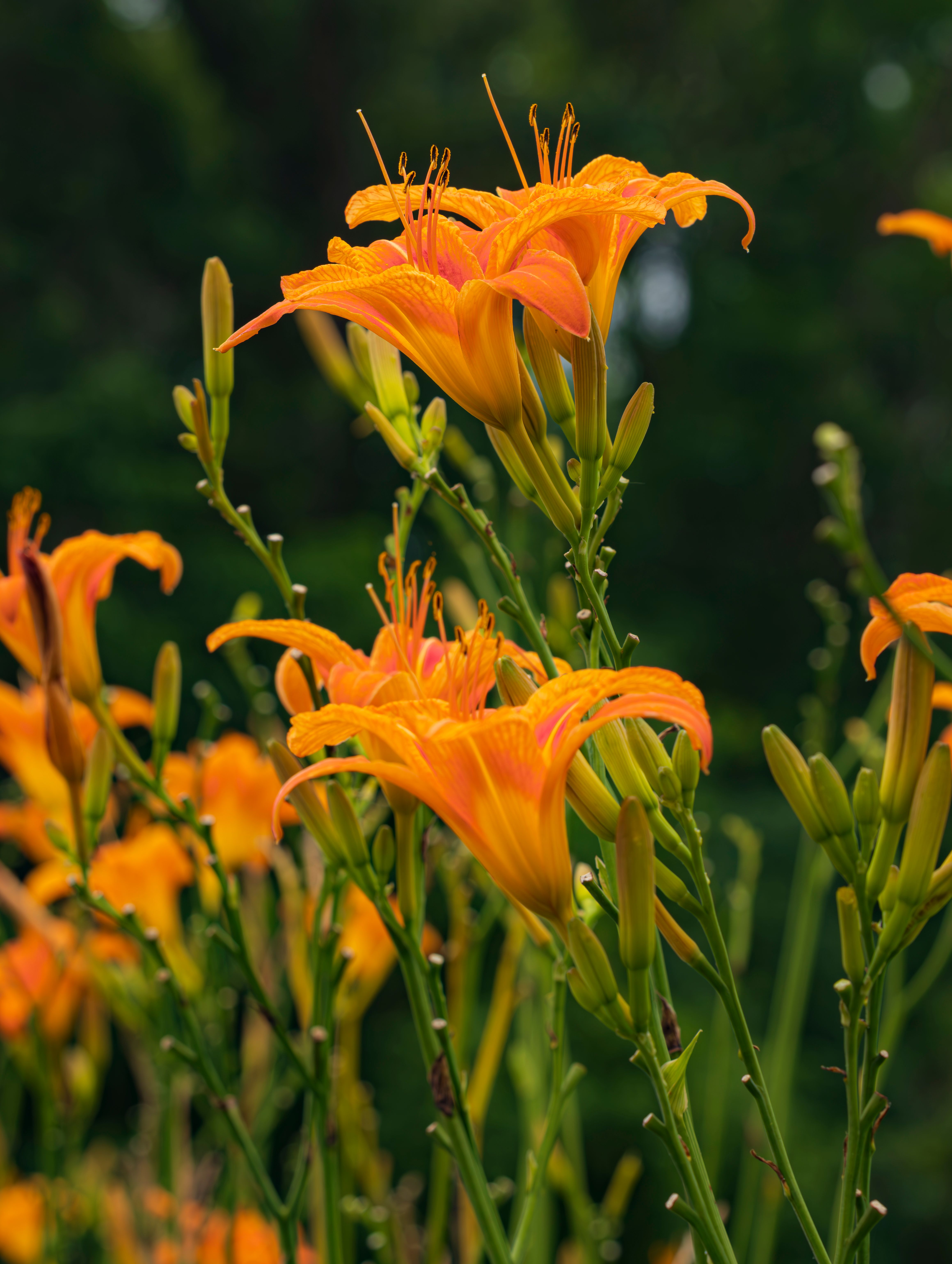
You have seen daylilies blooming in a roadside ditch with nobody tending them. The tough orange variety earned its name.
YOU’LL ALSO LOVE11 Neighborhood Rules Every Kid Knew in the ’80s That No Parent Would Allow Today
The catch. Deer find them tasty.
Rutgers puts daylilies in the “Frequently Severely Damaged” group. Heavy deer pressure means planting them close to the house or tucking them among the aromatic plants higher on this list.
I lost a full row of buds 1 October when the herd came through hungry.
Where deer are not a problem, nothing is easier. The shade solution coming up carries the same frank warning.
Hostas for the Spot Where Grass Gives Up
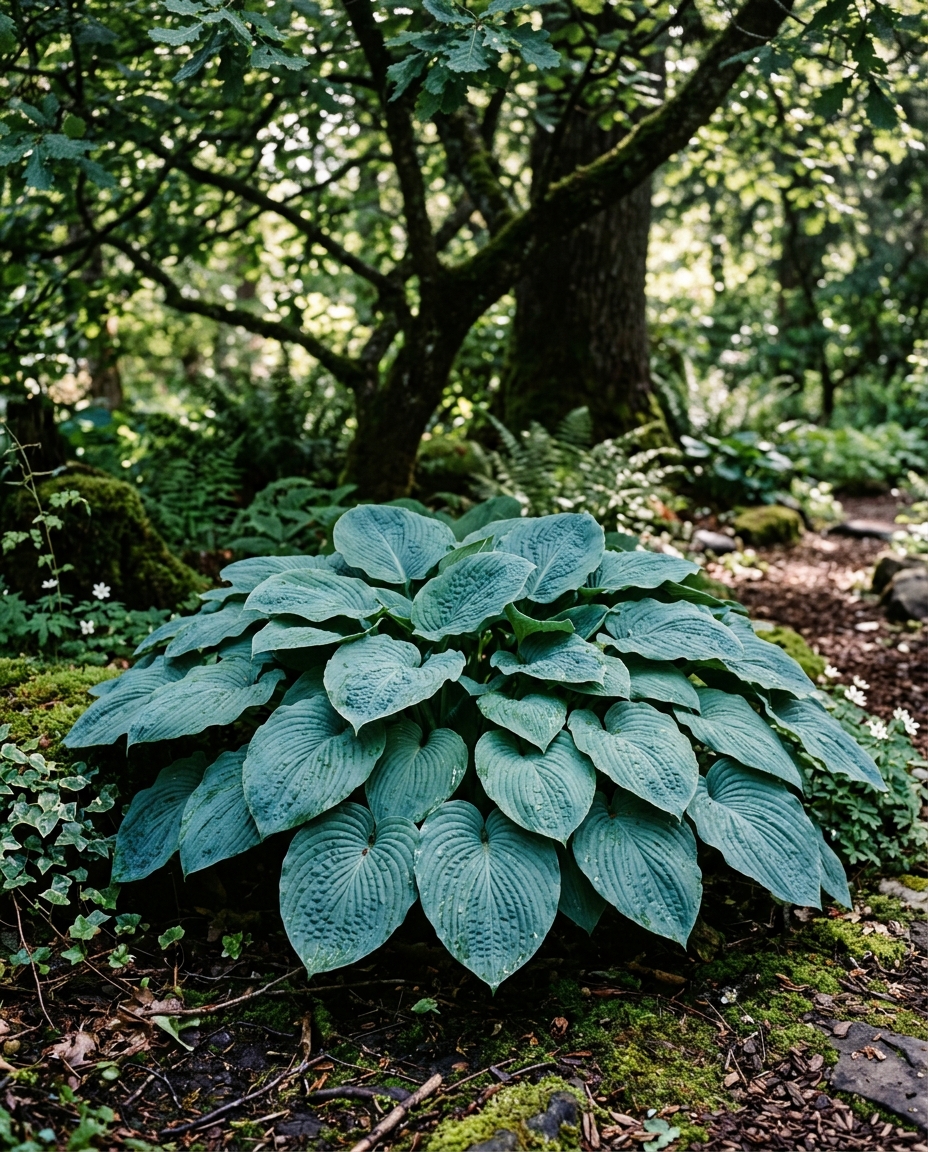
Hostas solve the hardest spot in any yard, the deep shade under a tree where grass quits and flowers sulk. Mine return bigger every year with no help.
Deer love hostas. Rutgers puts them in “Frequently Severely Damaged.”
1 survey routinely names them the number 1 deer target in American gardens.
For years now my neighbor Carol has been fighting it. “I’m done with it,” she told me last spring. “They go against the house or they don’t go in at all.”
Carol is right. And this next one carries no catch at all.
The Hundred Year Peony
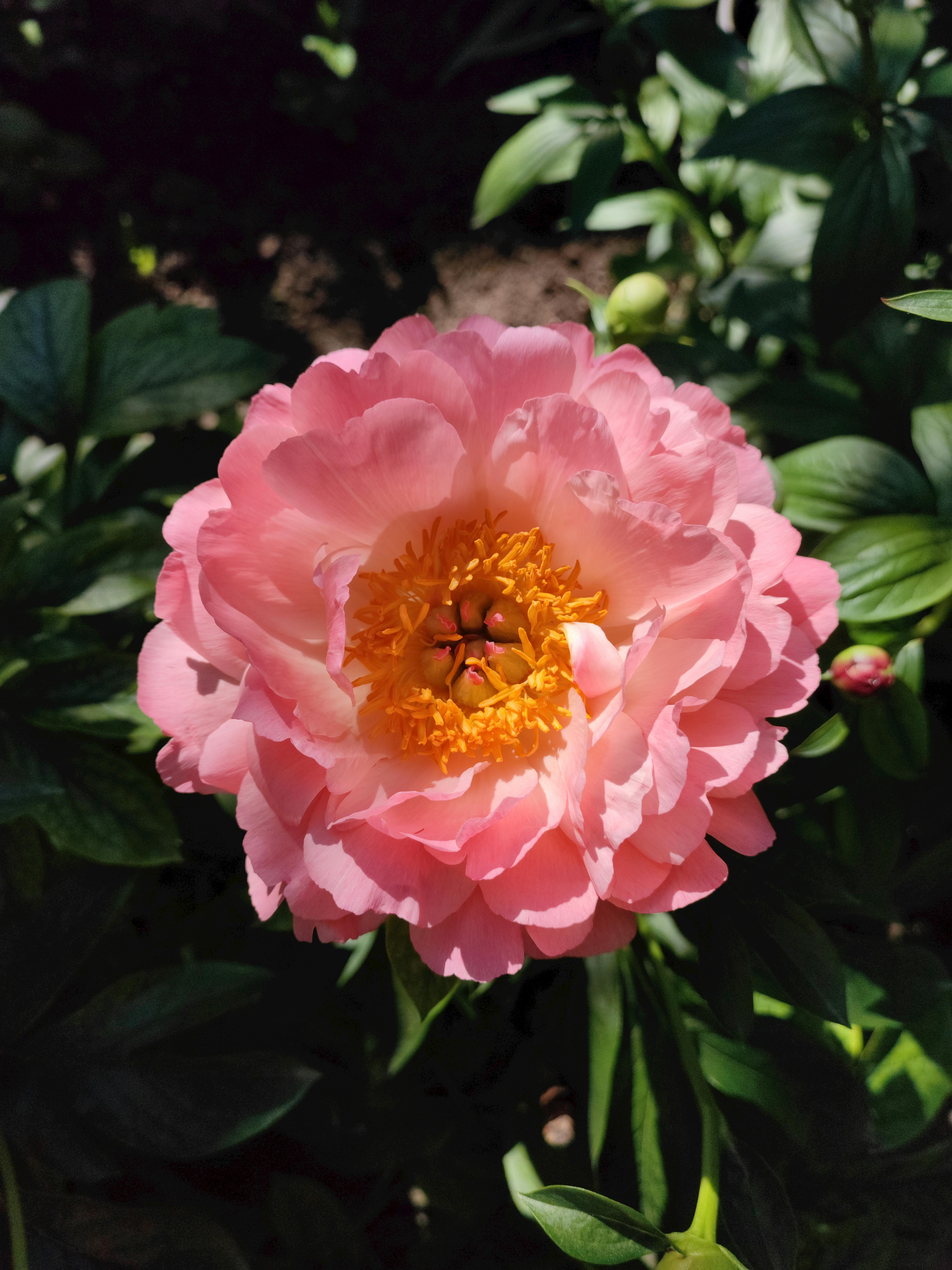
A peony can live more than 100 years.
A 2025 University of Missouri Extension report confirmed plantings still blooming after a full century.
A $15 peony covers a century of color.
Mine is already on its 3rd generation of hands. My mother dug it from her own mother’s place.
Peonies want full sun, decent drainage, and to be left alone. They resent fussing. Deer pass them by.
A 2025 landscape study found strong curb appeal adds 7% to a home’s sale price.
1 plant. 1 afternoon. A lifetime of return.
YOU’LL ALSO LOVE25 ‘Common Sense’ Home Rules Everyone Followed in the 80s That Would Get You Laughed At Today
It makes you wonder what else is hiding in plain sight. Your kids would sell 25 of the things in your house for $5 that collectors pay real money for.
One Cut a Year and Done
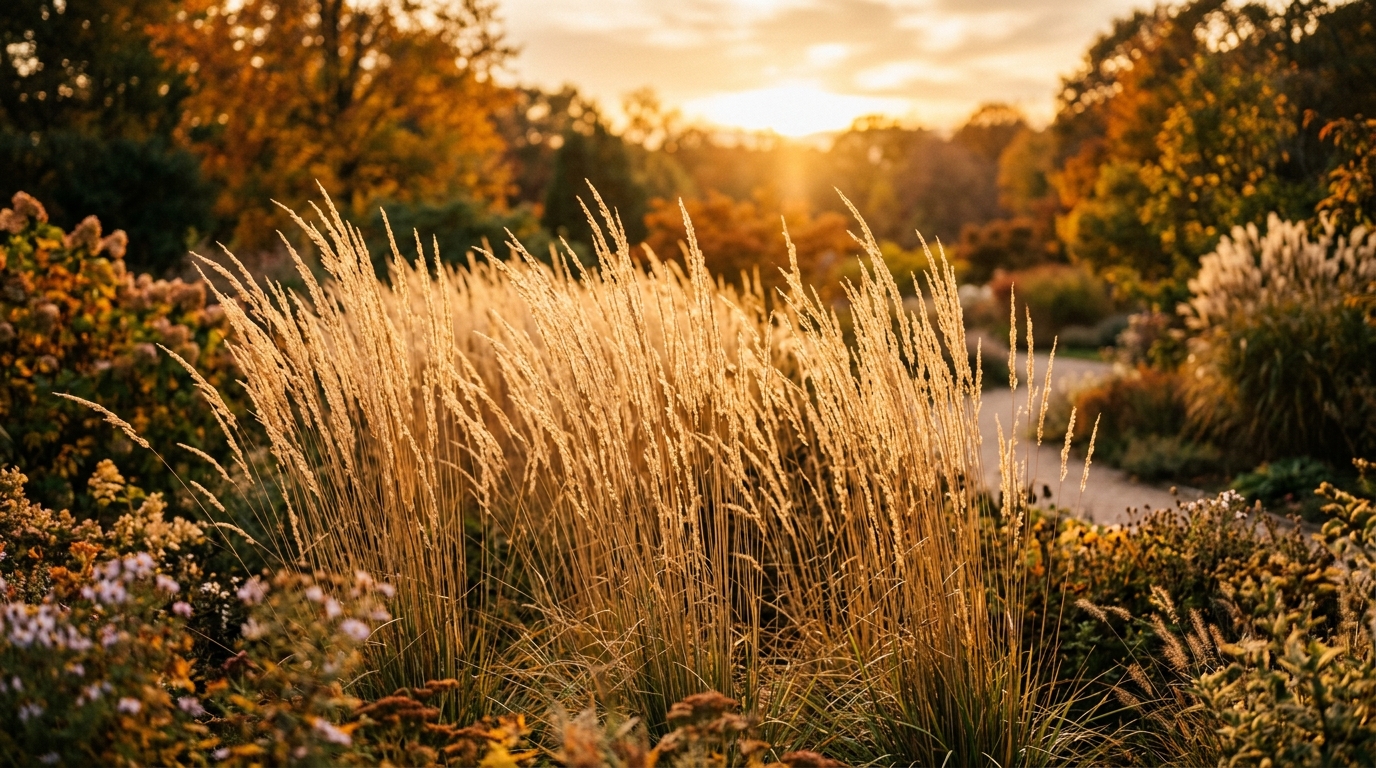
Feather reed grass gets the nod for homeowners who want the least work.
You cut it back 1 time in late winter. That is the entire job for 12 months.
Would you like to save this?
It stays put, works across zones 4 through 9, and the plumes catch the light all winter when every other bed is bare. Rutgers rates ornamental grasses “Rarely Damaged.”
I trust my friend Dave on this one. He inspects houses for a living and calls a tall grass up front the most underrated curb appeal move.
Lavender, Where the Scent Is the Defense
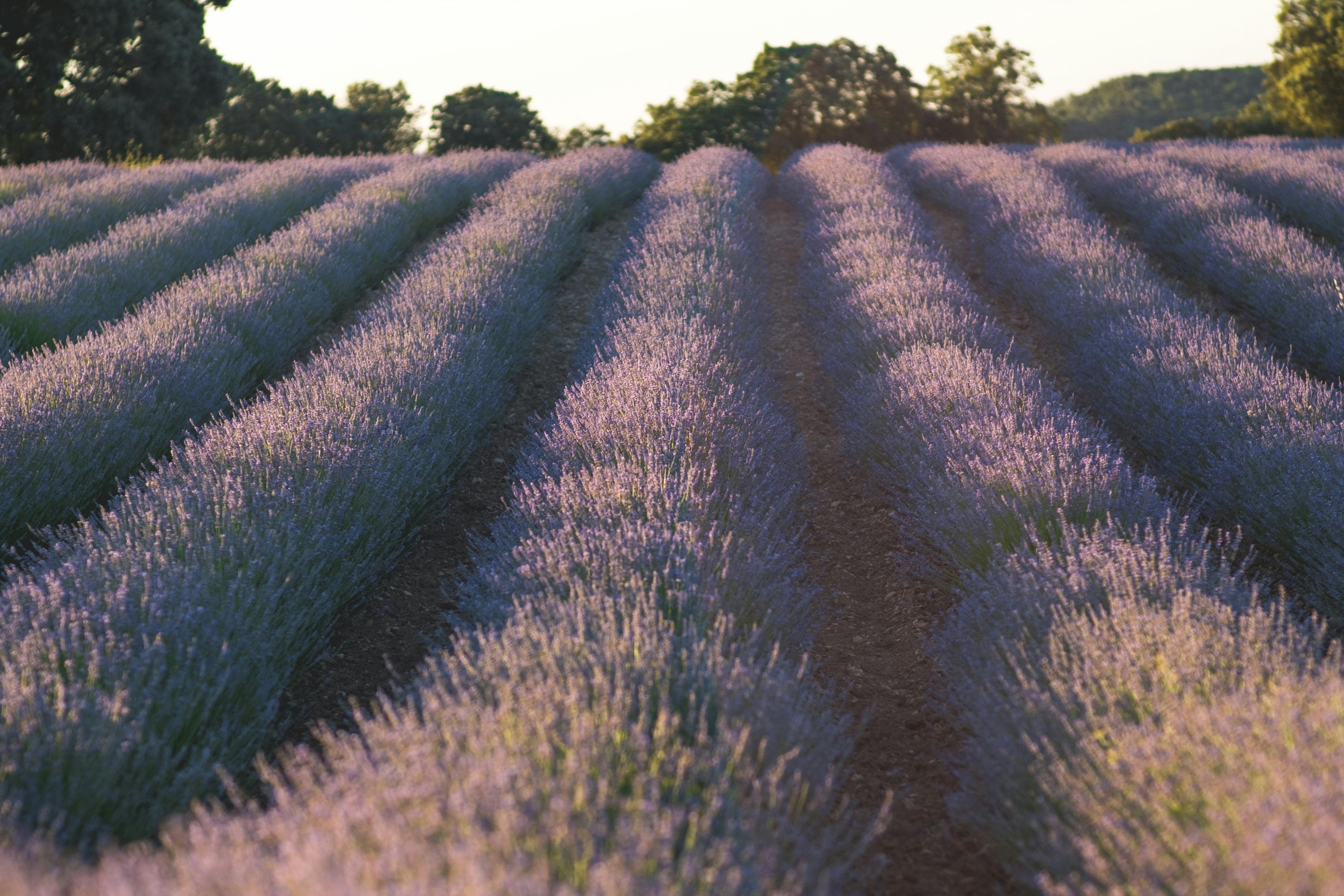
Lavender wants the opposite of what you expect. Lean soil. Sharp drainage. Full sun. Then walk away.
I babied a row once with compost and frequent water and rotted the roots clean off.
Run your fingers down a flower spike at dusk. The scent rises off the warm foliage in a wave.
Those aromatic oils are exactly why Rutgers files lavender “Rarely Damaged.” 1 sniff and the herd keeps moving.
Cut a few stems for the kitchen windowsill. The plant grows bushier for it.
Black-eyed Susans Replace Themselves
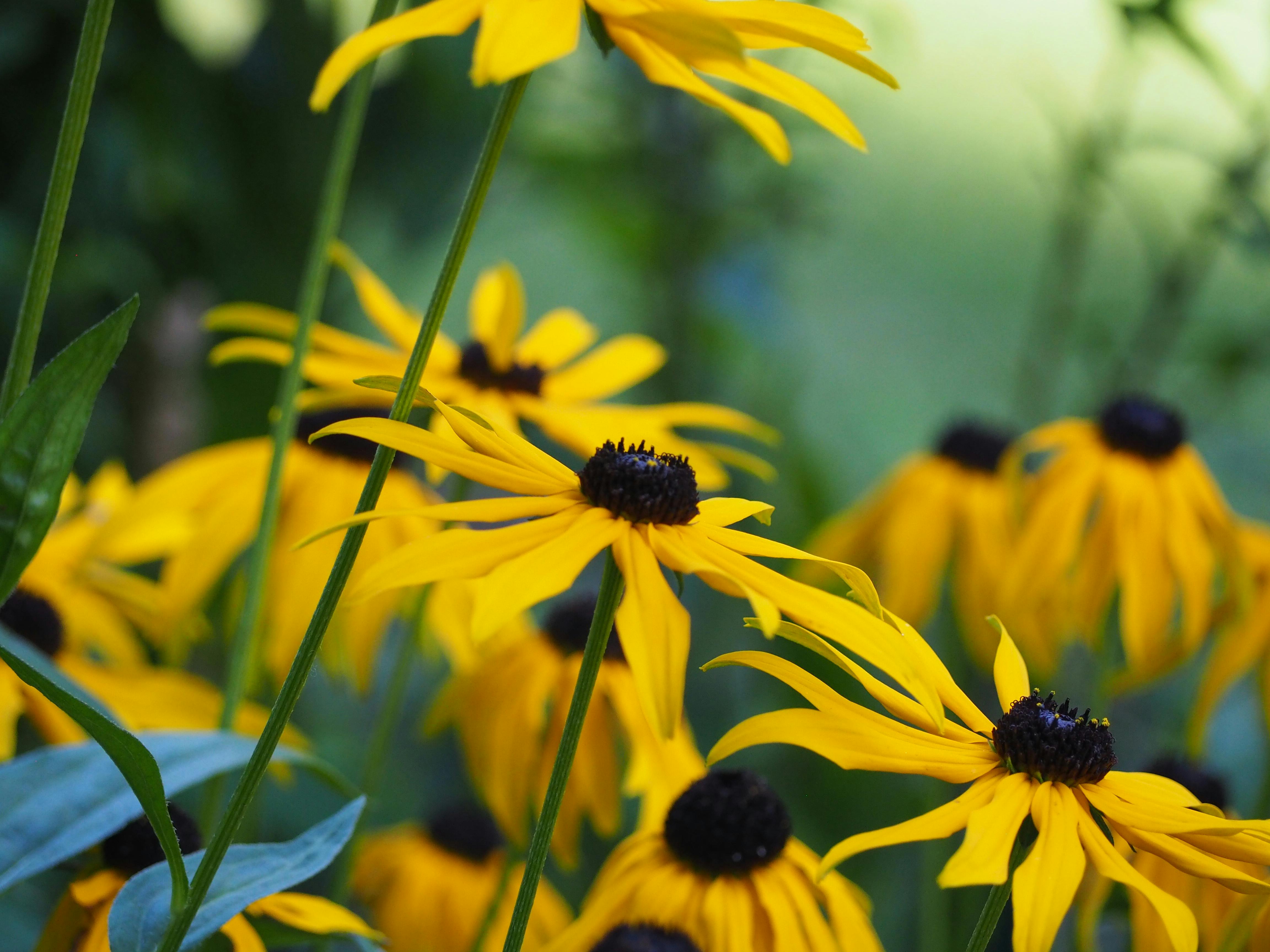
Black-eyed Susans scatter their own seed every fall.
The handful I planted years ago quietly became a golden drift. No digging. No dividing. No second trip to the garden center.
Native across zones 3 through 9, they take poor soil and shrug off drought. The slightly rough, bristly leaves are why deer graze something softer.
Leave the seed cones standing into winter and the finches work them for months.
Baptisia Sends a Taproot Down Like a Tree
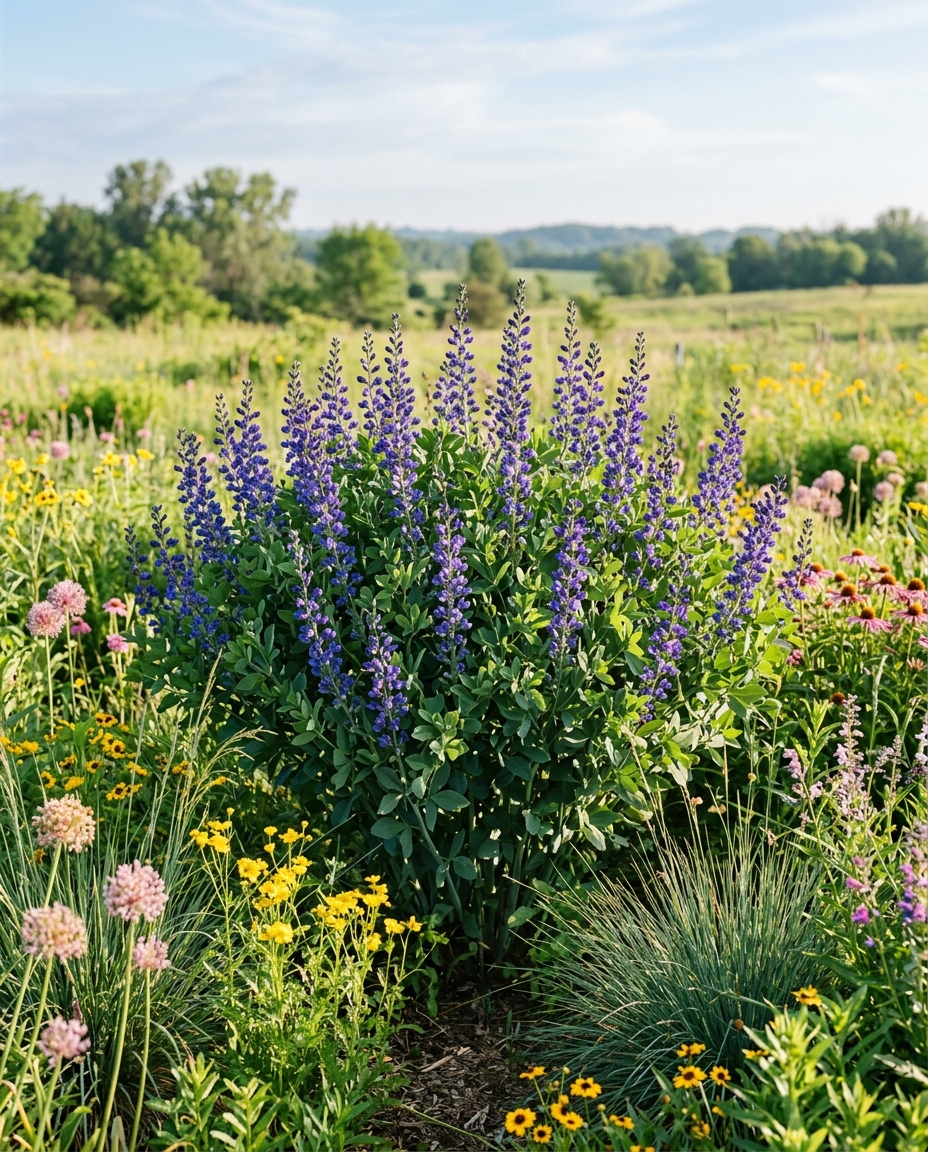
Most perennials keep roots near the surface. Baptisia drives a thick taproot deep into the earth.
That is why mine sails through a drought that flattens everything around it.
A prairie native, it grows 3 to 4 feet across, throws up flower spikes in blue, yellow, or cream, and the deer leave it alone.
1 rule. That taproot hates being moved. Pick the spot once. I learned that in 2014.
But what happens when the temperature drops to 20 below zero?
Yucca Laughs at 20 Below
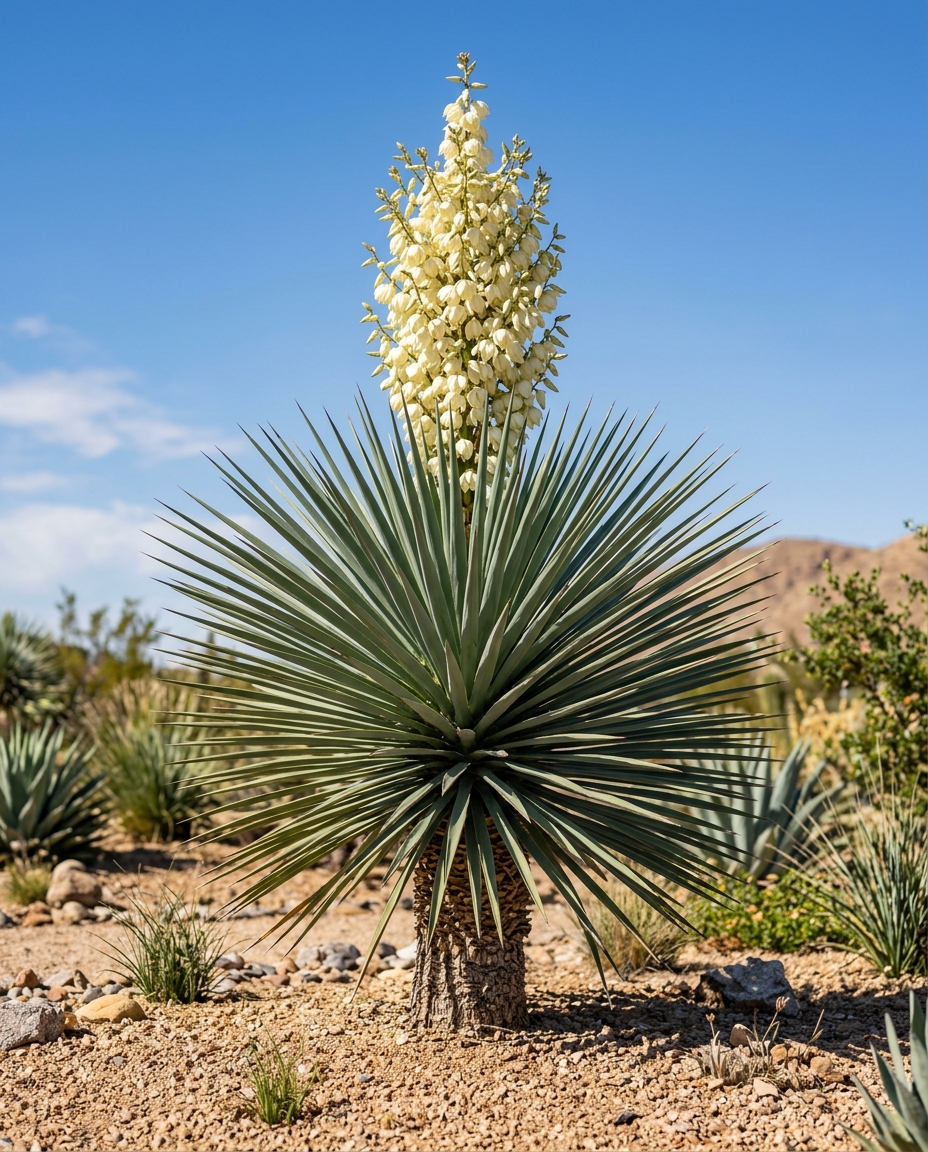
Most drought-proof plants collapse in the cold. Yucca handles both, riding out 20 below zero across zones 4 through 10.
Adam’s Needle sends down storage roots that bank water deep underground. It tolerates sand, salt spray, and dirt too poor for anything else.
The stiff rosette gives a bed instant architecture. Deer leave the sharp leaves alone.
So what happens when you shrink all that toughness into something that fits in your palm?
Hens and Chicks Build Their Own Colony
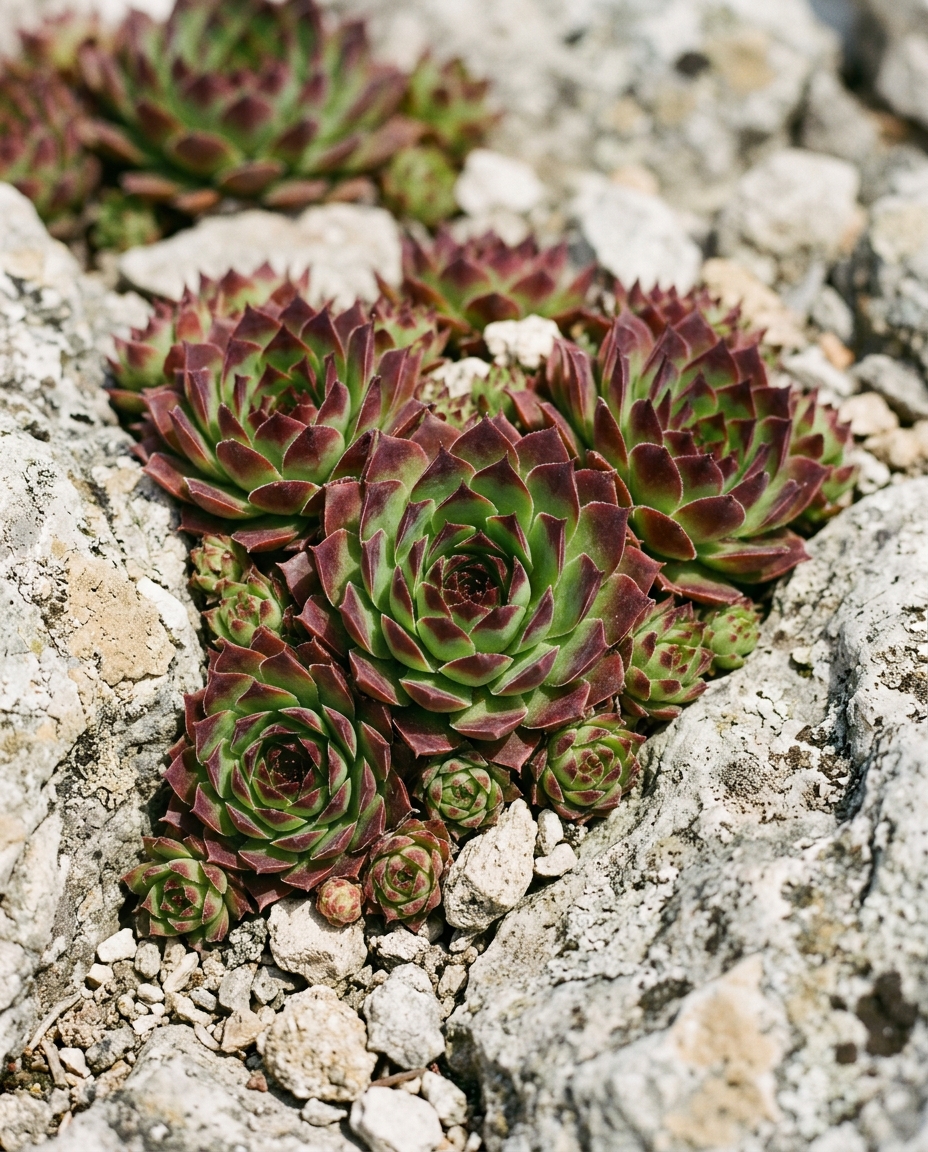
The fastest way to kill a hardy succulent is to be kind with the hose.
Hens and chicks store water in thick rosettes. They want a gritty patch and a soak only when the soil is bone dry.
Sempervivum translates roughly to “always alive.” A central hen throws off baby rosettes every year.
1 plant becomes a colony 3 feet wide without a cent from you. Hardy zones 4 through 9. Deer ignore them.
This next one on the list is the softest thing here, and that softness is the whole point.
Lamb’s Ear, the Velvet Carpet
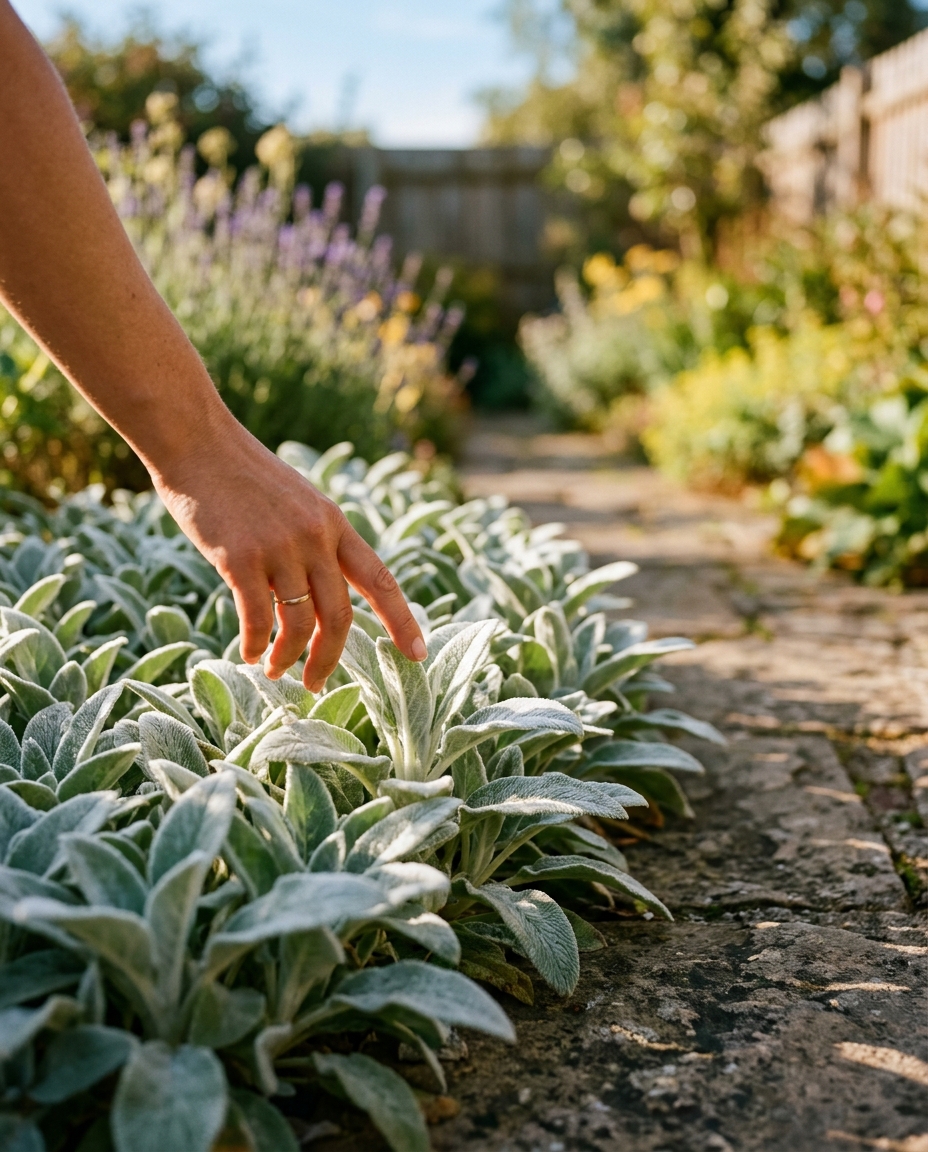
That coat of fine silver hairs is not decoration. It shades the leaf, traps still air, and cuts water loss to almost nothing.
My grandchildren cannot keep their hands off the patch by the path.
That same woolly texture is unpleasant in a deer’s mouth, so the herd skips it. Lean soil. Full sun. Little water. The only mistake is overwatering.
One Rule That Makes All 18 Work
Every plant here is tough once established. None is tough on day 1.
The roots have to reach down first. In year 1, give a deep soak about once a week. In year 2, back off to every 2 or 3 weeks in dry spells. From year 3 on, most need nothing extra.
That single season of patience is the whole price.
A starter pot runs $10 to $15, and that buys a plant that could last decades. In 2026, most garden centers carry every 1 on this list.
Curb appeal is just the front door. Read Next: 1 decorating choice predicts whether you sell your house within 5 years.
Which of these is already quietly thriving in your yard?