
Would you like to save this?
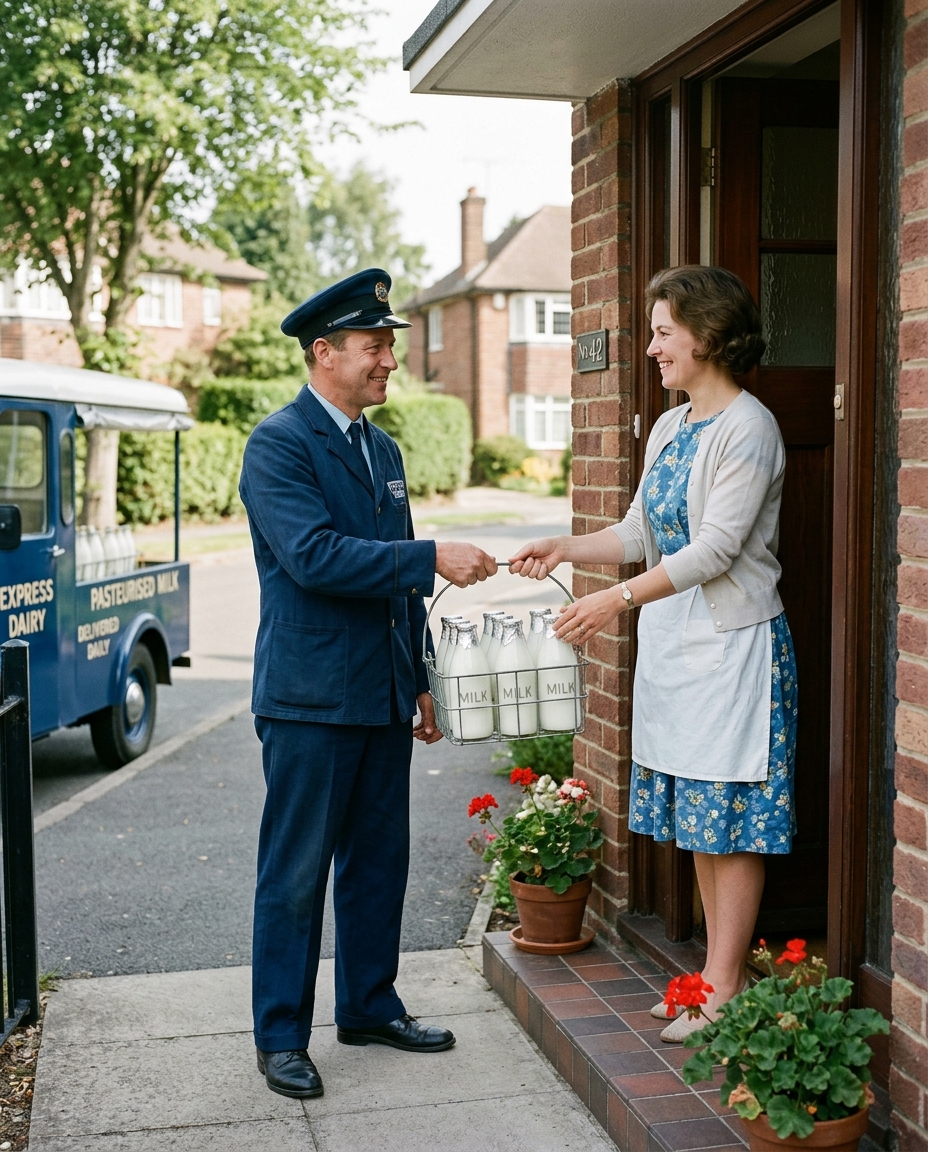
Nearly one in three American homes started the morning with glass bottles on the porch and a milkman who never knocked.
By 1975 he was gone, and so were nineteen other things nobody thought to save.
I grew up in a house where he came before the alarm clock, and my wife Linda says I get sentimental. She’s right. But I made the list anyway, because you forgot most of these.
The Milkman Knew Your Family by Name
He came before any of us were awake, around five in the morning. He knew the baby had arrived because the order changed.
The glass bottles clinked in his wire basket. I can still hear that sound. The cream sat in a frozen plug at the top every January.
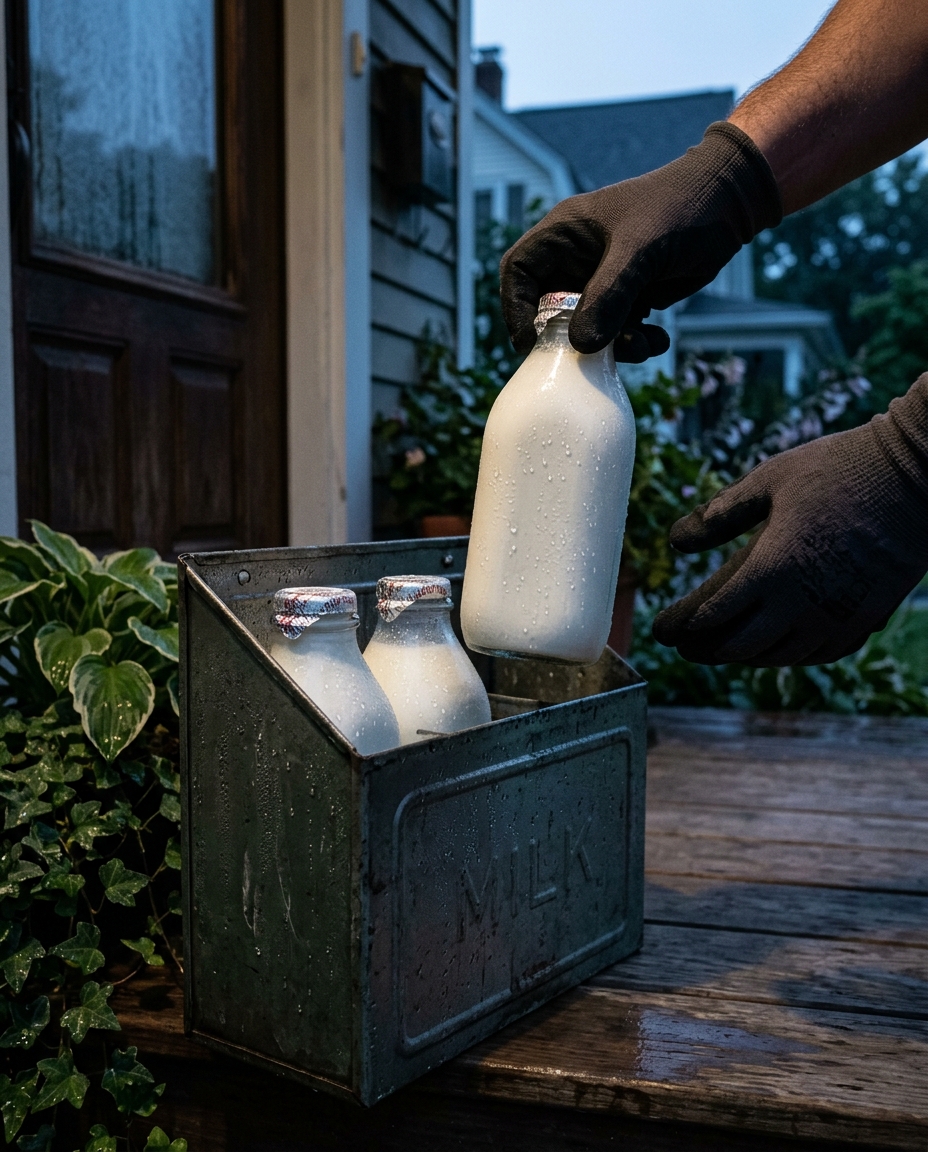
In 1963 nearly 30 percent of American homes got milk delivered this way.
By 1975, refrigerators and the supermarket cooler had finished him off. He faded from the route, one canceled order at a time, and most of us never thought to wave.
In 2025, a handful of local dairies brought glass-bottle delivery back to doorsteps.
It costs twice the supermarket price. People pay it anyway.
That Insulated Box Nobody Recognizes Anymore
Right beside our front door sat a small metal box. Some were built into the wall with a door on each side. The milk landed inside without anyone opening up for a stranger at dawn.
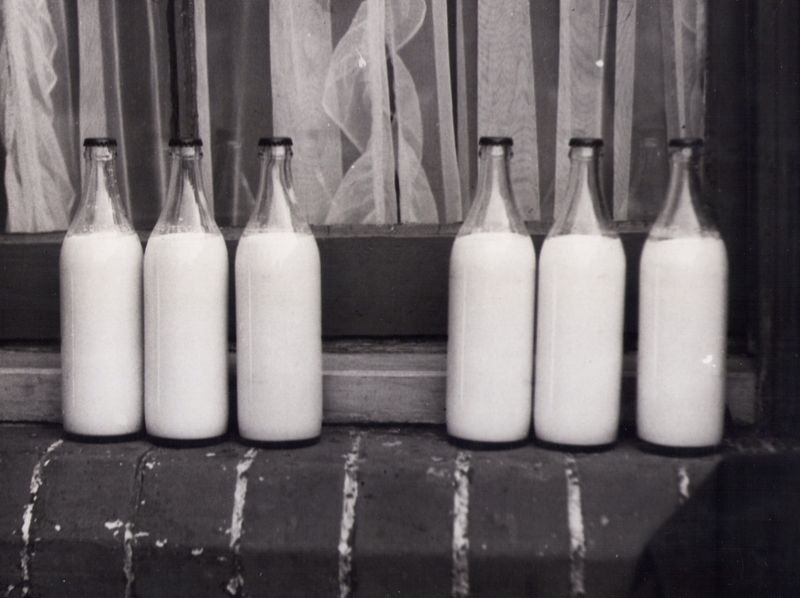
Most people assume the paired doors were about the weather. They weren’t.
YOU’LL ALSO LOVE25 Things About Your Home That Visitors Notice in the First 10 Seconds (But Never Tell You)
A woman home alone never had to face a man at her threshold before sunrise. The 1950s boxes were insulated well enough to hold six bottles cold through a July morning.
Now they show up at flea markets, and my neighbor Carol found one at an estate sale in its original brick frame.
It would fetch about $200 online, more than she paid for the table it sits on.
She kept it. Before anything leaves your parents’ house at the next cleanout, check what’s worth something first. 25 things in the average American home get yard-saled for a dollar when collectors would pay real money.
What replaced the milkman at the front door arrived for a very different reason.
Fuller Brush Men Put a Foot in Your Door
He arrived midmorning with a sample case and a smile. Alfred Fuller started the company in 1906.
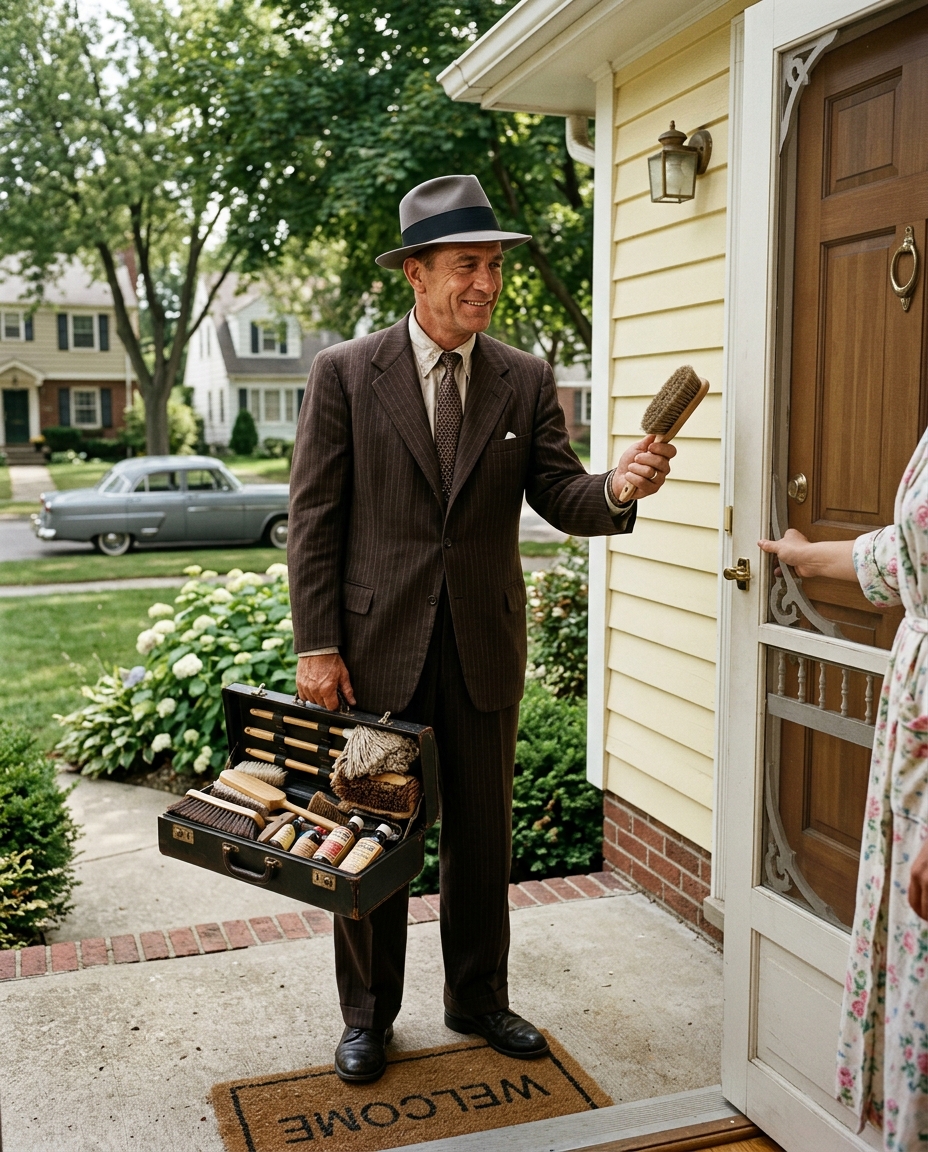
By 1909 his salesmen had moved a million dollars in brushes and mops, all of it carried door to door. My mother kept him talking on the step while the coffee finished.
Then the Avon lady arrived in the early 1950s. Avon’s sales force nearly quadrupled. Two-income families emptied the daytime houses. Supermarkets stacked the same brushes on a shelf. The knock simply stopped.
The footsteps on the porch were about to get lighter.
Your Paperboy Flung the News Off a Schwinn
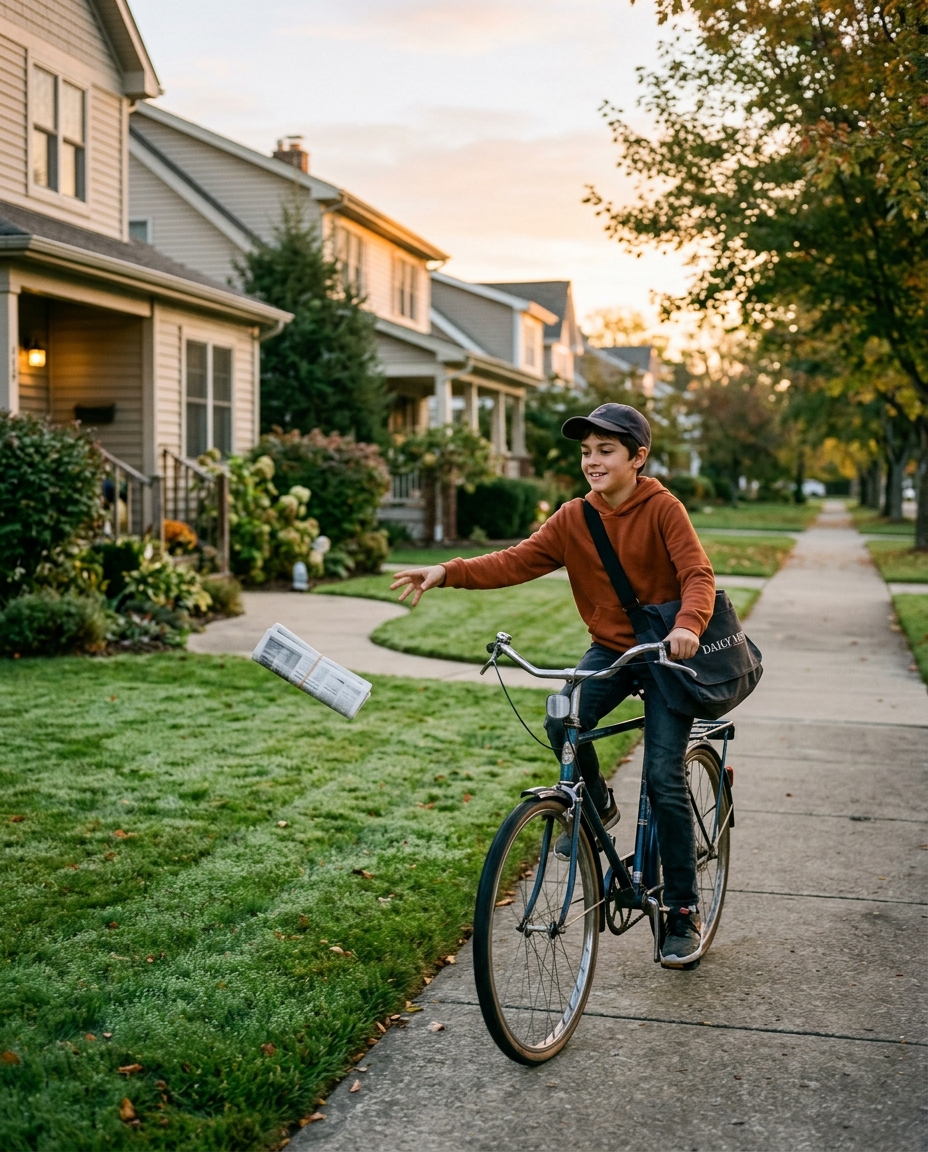
For thirty years the news came folded and rubber-banded off the back of a bicycle.
My brother had a route at eleven. It was his first real job, collected door to door on Friday evenings with a punch card and a coin changer. He learned which dogs to fear and which porches forgave a bad throw. The afternoon paper made it all possible. A kid could deliver after school.
When the evening editions died, so did his window. By the mid-1990s adults with cars had taken every route. Today a carrier needs to be eighteen with a license and insurance. The bicycle in the driveway lost its purpose, and so did something waiting by the curb.
A Man in Coveralls Filled Your Tank for Free
We rolled up and before my father reached for his wallet a man in coveralls was at the window. He filled the tank, lifted the hood, wiped the windshield, and topped off the tires. All for the price of the gas.
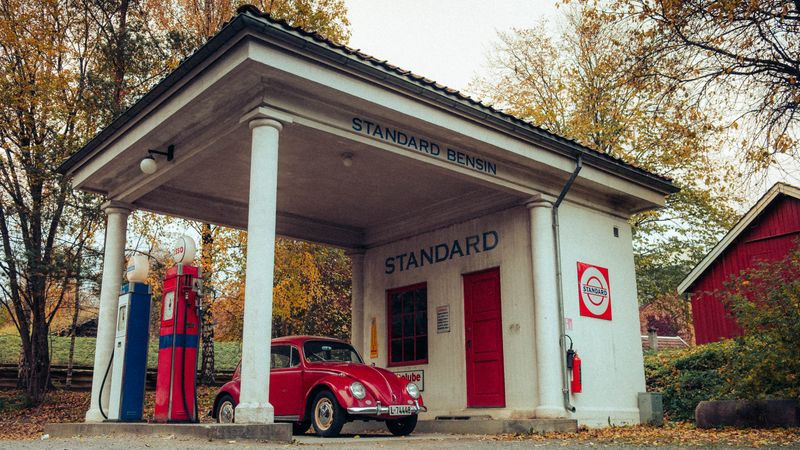
The first self-service station opened in Los Angeles in 1947. The sign read: save five cents, serve yourself. For decades almost nobody bit.
In 1969 only 1 percent of American stations let you touch the pump. Then the energy crunch flipped it nearly overnight.
Here is where the disappearing moved inside the living room.
The TV Repairman Made House Calls Like a Doctor
When the picture rolled or went to snow, we did not throw the set out. We called a man.
YOU’LL ALSO LOVE30 Things in the 1970s Living Room That Would Confuse Anyone Under 30
He came carrying a black leather case, the way a doctor carried a bag. He pulled the warm glass tubes from the back while the smell of hot dust filled the room.
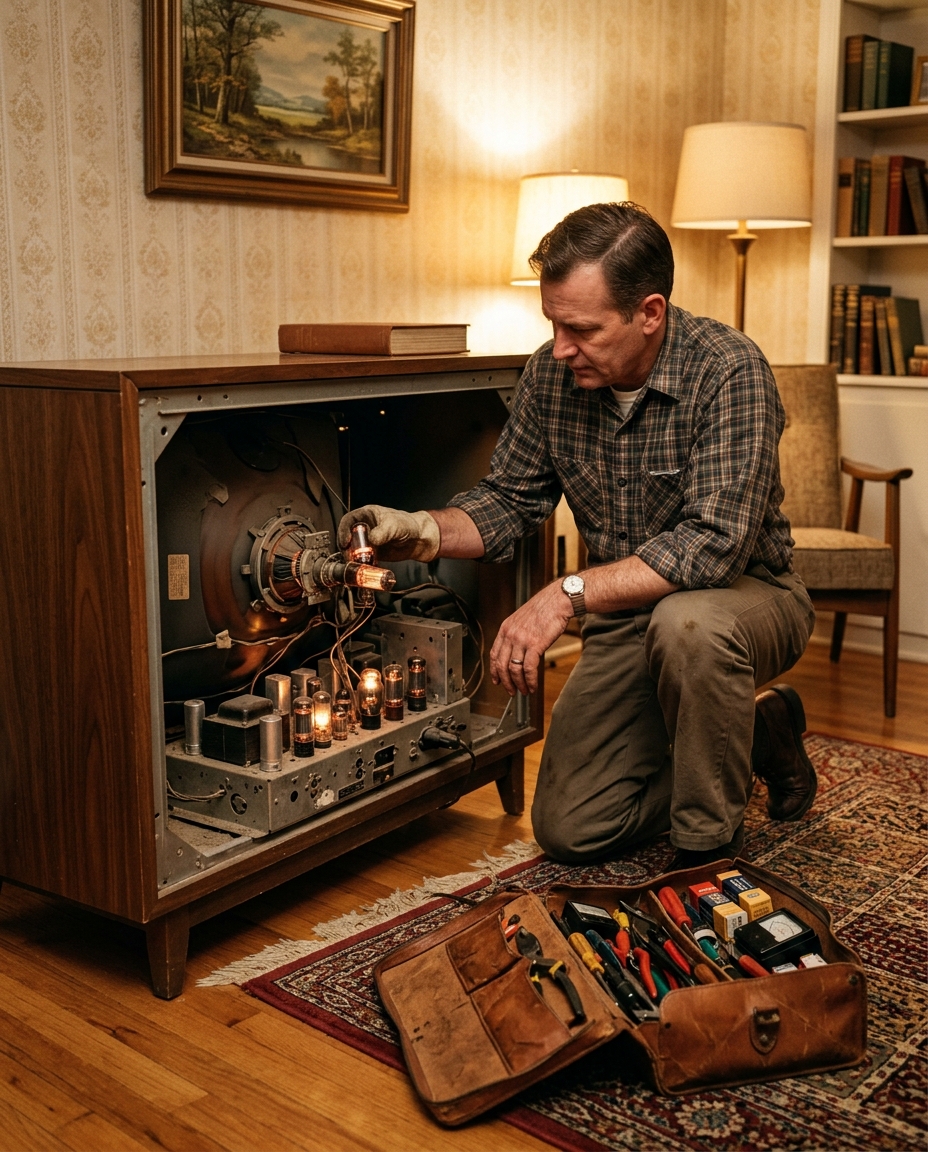
Ask my brother Dave, who inspected houses for thirty years, and he still talks about the drugstore tube testers. You could yank the tubes yourself and drive to the drugstore. A self-service tester stood near the front counter through the 1950s, 60s, and 70s.
That 1970s living room alone had 30 things nobody under 30 could identify on a bet.
Then solid-state sets arrived around 1979, sealed shut and cheaper to replace than repair. “We stopped fixing things,” my brother Dave said once. “And we never went back.”
Television Said Goodnight and Simply Stopped
There came an hour, usually around midnight, when television itself went to bed.
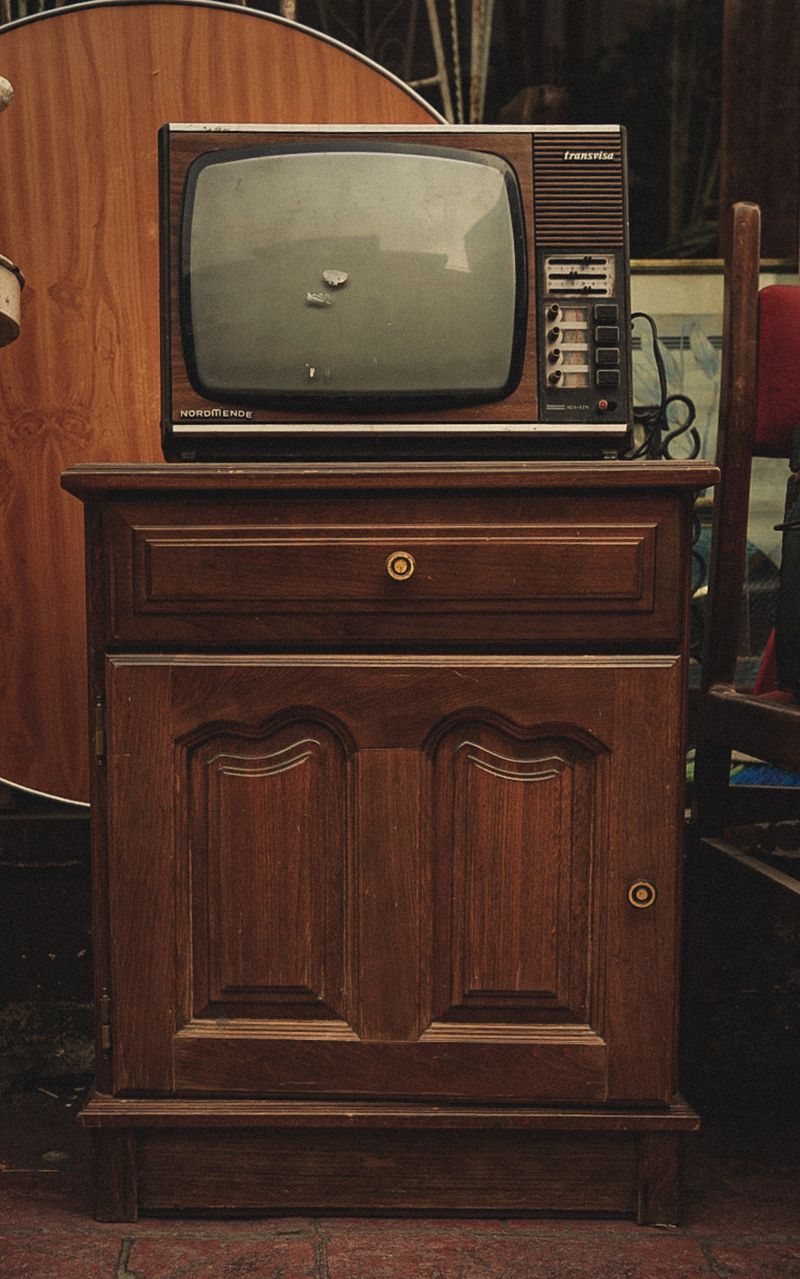
The national anthem played over footage of a flag. A voice wished you goodnight. Then the screen settled into that test pattern from 1939, the one with the profile in a feathered headdress.
I fell asleep on the couch more nights than I should admit. I woke to white noise at 2 AM and the comfort of knowing the day was truly over.
Cable filled the dark hours through the 1980s. The last analog signals went silent between February and June of 2009. Now nothing ever signs off.
Back when screens still slept, my mother was busy collecting something at the checkout.
S&H Green Stamps Filled the Kitchen Drawer
The cashier handed them over with the change. I licked the little green stamps and pressed them into a booklet at the kitchen table while my mother decided what we were saving toward.
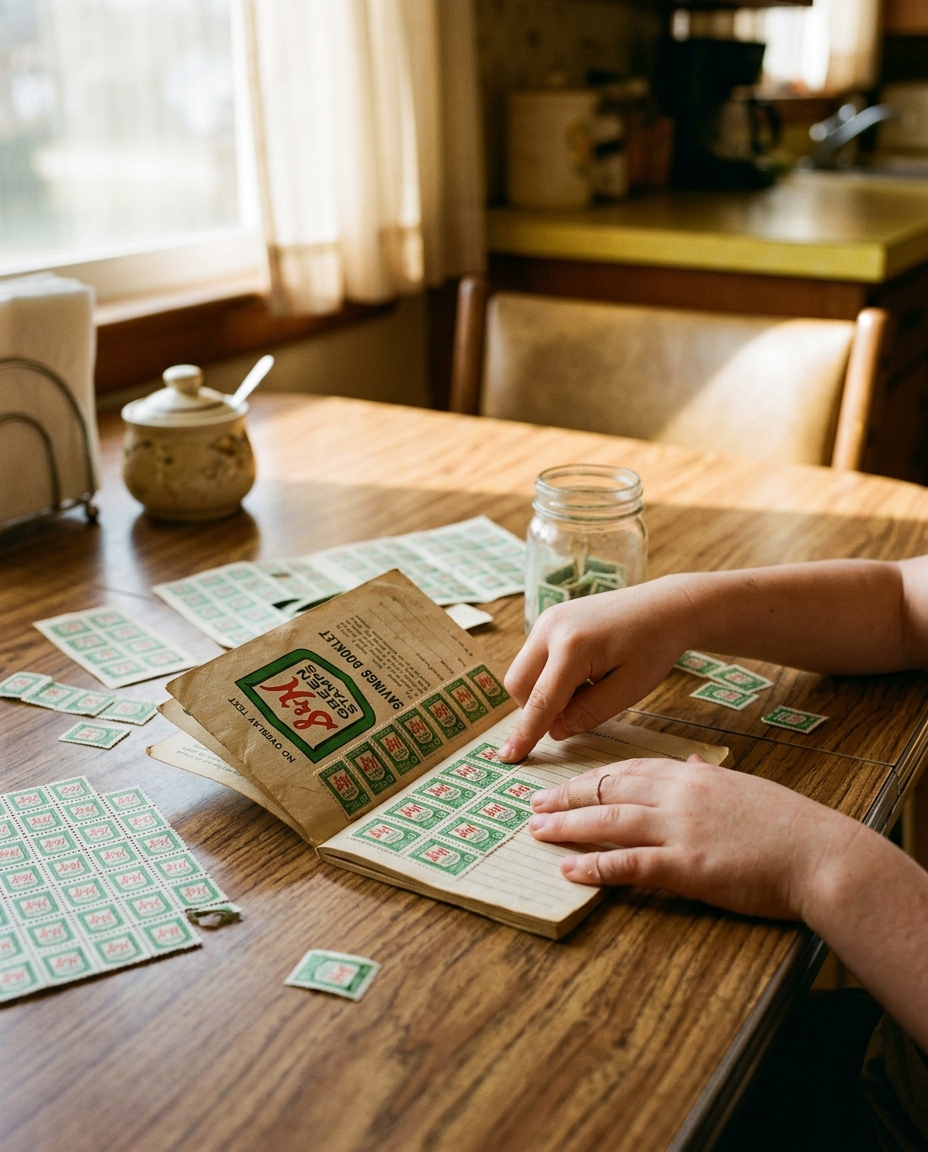
At their height in the 1960s the company printed three times as many stamps as the United States Post Office.
They mailed 35 million catalogs a year. Roughly 80 percent of American households were pasting them in.
You drove the full books to a redemption center and walked out with a lamp you had earned one sticky stamp at a time.
Those filled booklets now sell online for $10 to $25 each, roughly the cost of a tank of gas in the decade they mattered most. The company sold off in 1981, and the whole sweet ritual dissolved.
The heavy book waiting on the porch next had nothing to do with shopping.
Four Pounds of Phone Book on Your Doorstep
Once a year a fat directory thumped onto our porch. It held the name and address of nearly everyone we knew.
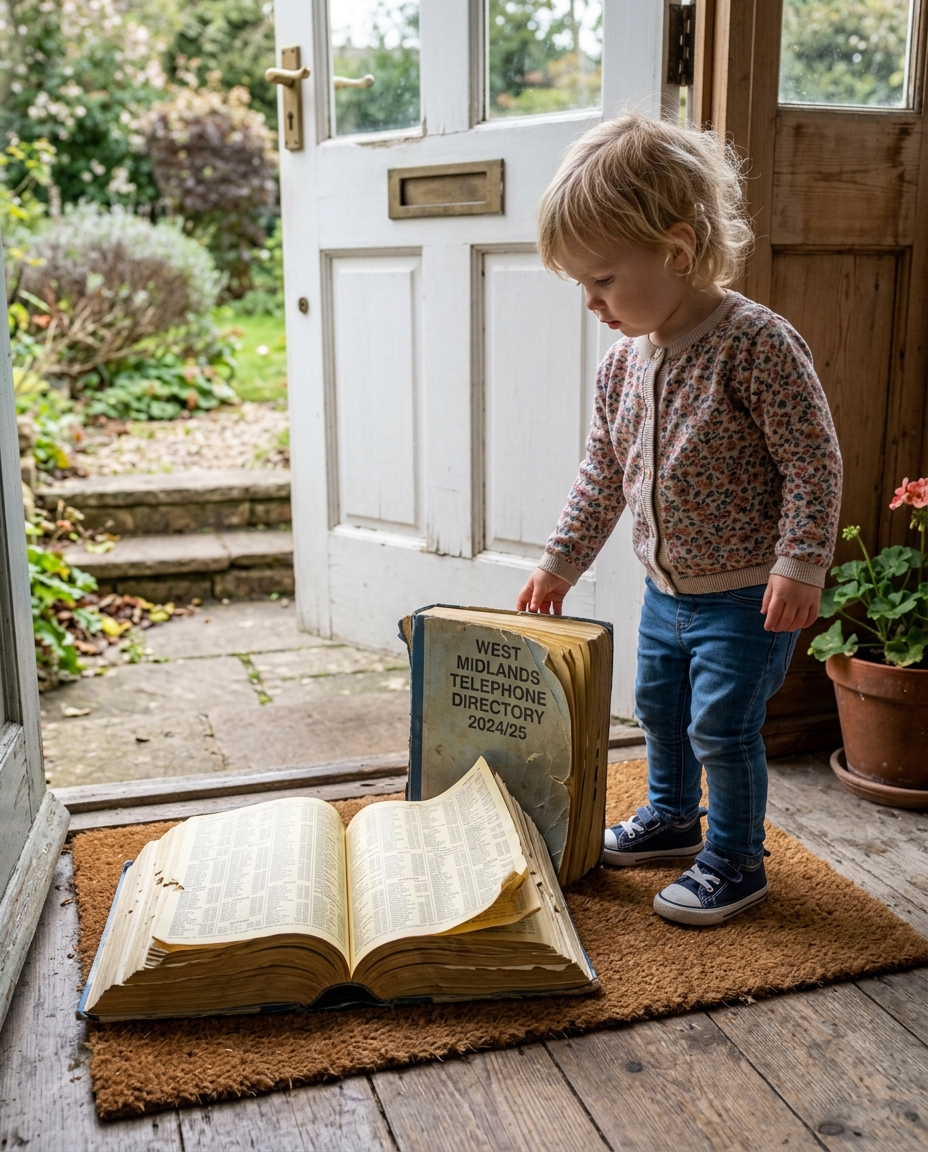
The first one came out in 1878 in New Haven, on a single piece of cardboard. Within fifty years Manhattan was printing millions. I sat on two of them to reach the dinner table.
YOU’LL ALSO LOVE11 Neighborhood Rules Every Kid Knew in the ’80s That No Parent Would Allow Today
The listings went online. New York regulators dropped the requirement to print residential names in 2010.
When Verizon alone stopped delivering the white pages, the state saved 3,575 tons of paper in a single year. The book that once knew everyone now knows no one.
How about something that arrived by truck before most of us were even born?
Reading a Card in Your Window Told the Iceman Your Order
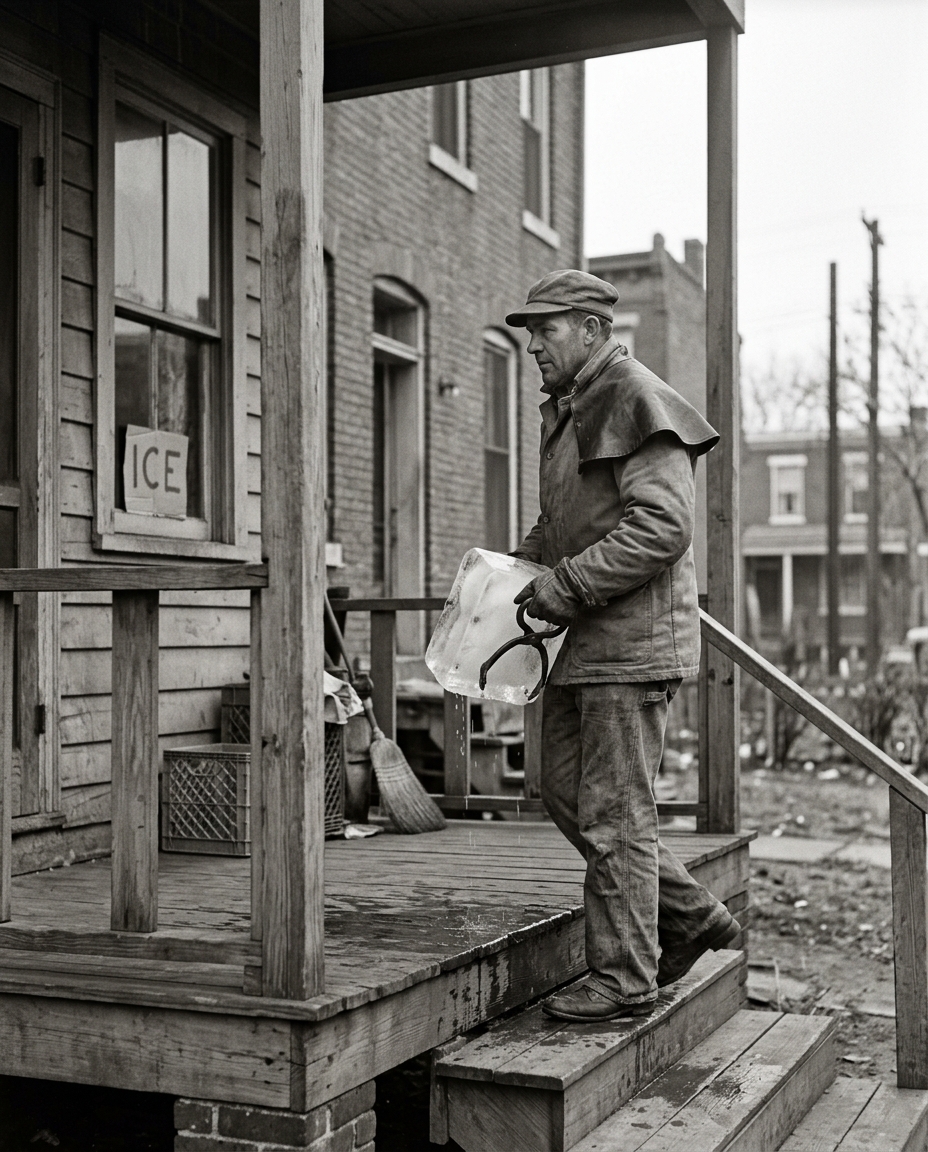
Before the refrigerator hummed in every kitchen, the iceman came. He knew how much to bring by reading a square card propped in the window.
My grandmother turned it so the right number faced the street: 25, 50, 75, or 100 pounds. He hauled the dripping block up on his shoulder with iron tongs and slid it into the top of the wooden icebox.
The melt water ran into a pan somebody had to remember to empty.
At the start of the 1930s only 8 percent of homes had an electric refrigerator.
By 1944 around 85 percent did.
The man with the tongs was already becoming a memory most children would only half believe. The card in the window went dark.
And 27 more things vanished from inside the American home so quietly nobody noticed them leaving.
Some of these were jobs. Some were simply how a family bought what it could not afford all at once.
Layaway Let You Buy It Slowly and Honestly
There was no credit card and no shame in it. My mother picked out the winter coat.
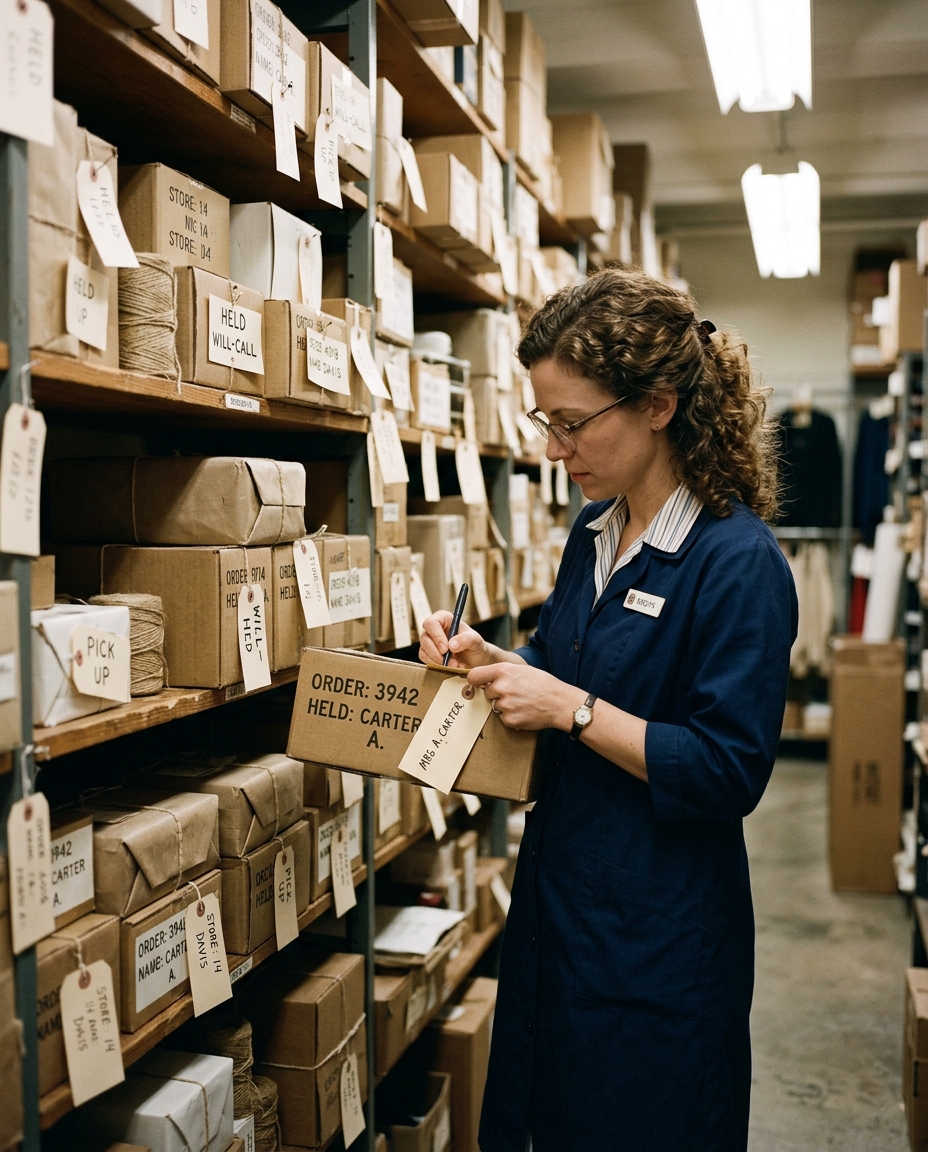
The clerk wrote our name on a tag, and the store tucked it on a back shelf while she paid a little every week. Layaway took hold during the Great Depression. Stores advertised the idea as far back as 1909.
You walked it out only when the last dollar was paid. It felt earned because it was.
Credit cards hollowed it out through the 1980s. Walmart dropped its plan in 2006. Paying slowly and owning fully gave way to owning instantly and paying forever.
One Carload, One Price, and a Dark Sky Full of Stars
I went in my pajamas. The speaker hooked over the rolled-down window, crackling. The snack bar was a long walk across the gravel.
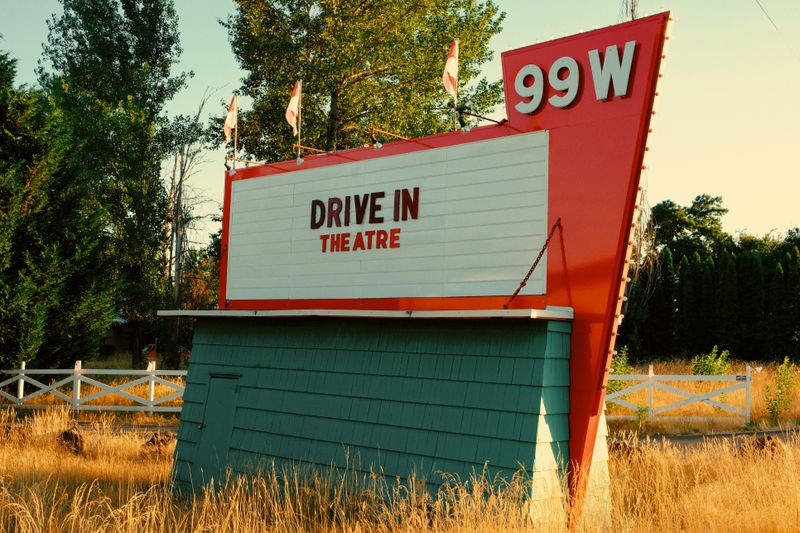
At its peak in 1958 there were 4,063 drive-in theaters across America. A single carload paid one price no matter how many cousins we smuggled in.
YOU’LL ALSO LOVE25 ‘Common Sense’ Home Rules Everyone Followed in the 80s That Would Get You Laughed At Today
The little ones fell asleep before the second feature. Most nights I was one of them.
Television, the energy crisis, and the rising value of all that land closed them down. As of 2025 fewer than 300 still flicker to life on a summer night. The big screen against the dark sky became a parking lot.
An Encyclopedia Salesman Sold a Family a Future

He sat at our kitchen table for an hour. He made my parents believe a shelf of leather-bound books was the difference between an ordinary child and a college graduate.
The set was an investment. Many families went without to afford it.
By 2010 a 32-volume set still cost around $1,400.
At the height of it the company kept roughly 2,300 salesmen knocking on doors. Then the internet answered every question for free.
The door-to-door force was let go in 1996. The last printed edition rolled off the press in March 2012. A wall of gold-lettered spines that once meant a family cared became the heaviest thing nobody wanted at the estate sale.
Would you like to save this?
We trusted small institutions back then. The next one fit in your purse.
A Slim Booklet the Teller Stamped by Hand
I handed the bank a slim booklet, and a teller wrote my deposit in by hand and stamped it.
Walking out I held the entire record of my money in my own two hands. The numbers were in ink. Initialed by a person who knew my face.
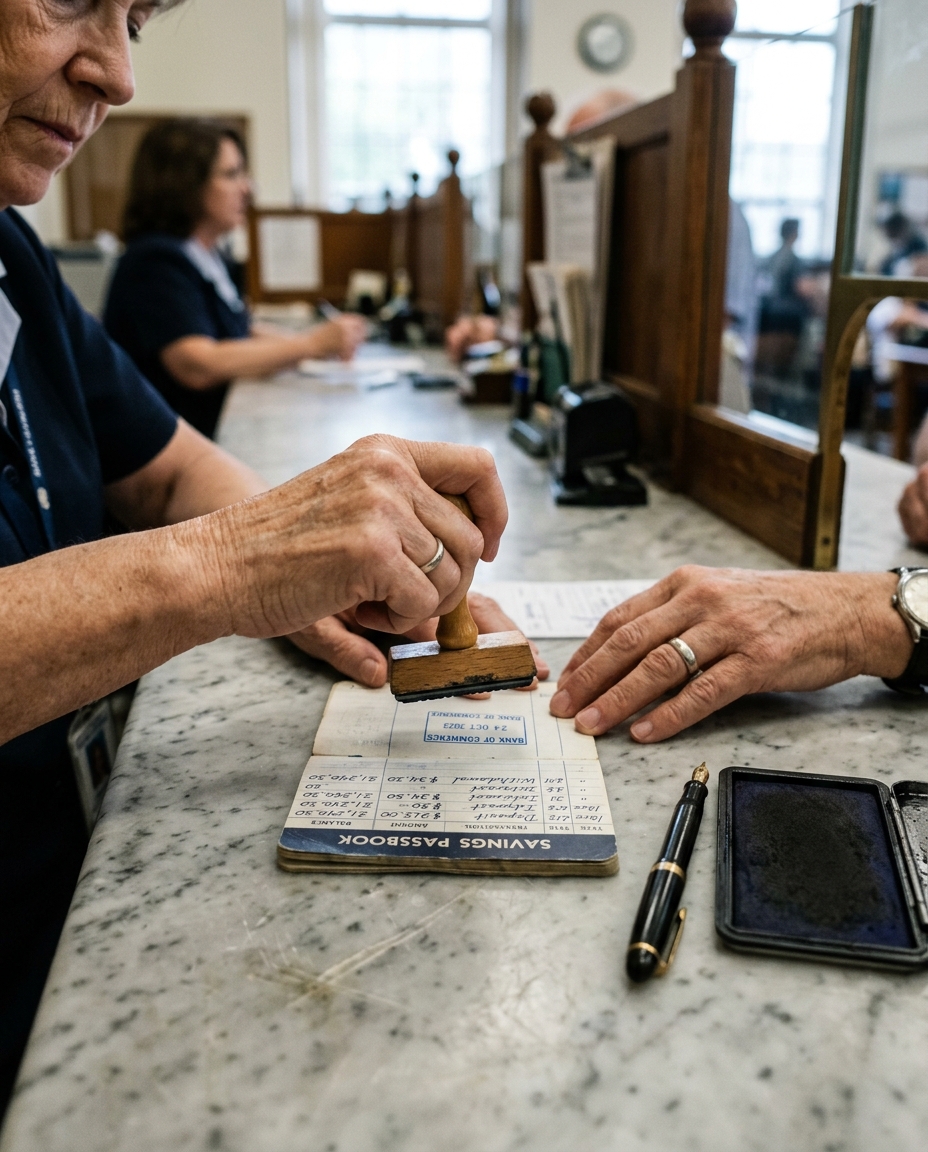
These were everywhere until the cash machine and the mailed statement crowded them out. They disappeared from American banks by the late 1970s. The weight of your own ledger gave way to a balance on a screen.
Cigarette Machines Stood in Every Diner Lobby
In the entryway of every diner, between the gumball globes and the coat hooks, a tall machine waited.
A grown-up dropped in coins, pulled a knob with a satisfying clack, and a pack tumbled into the tray. Nobody thought twice. I was sent to fetch a pack for an uncle more than once.
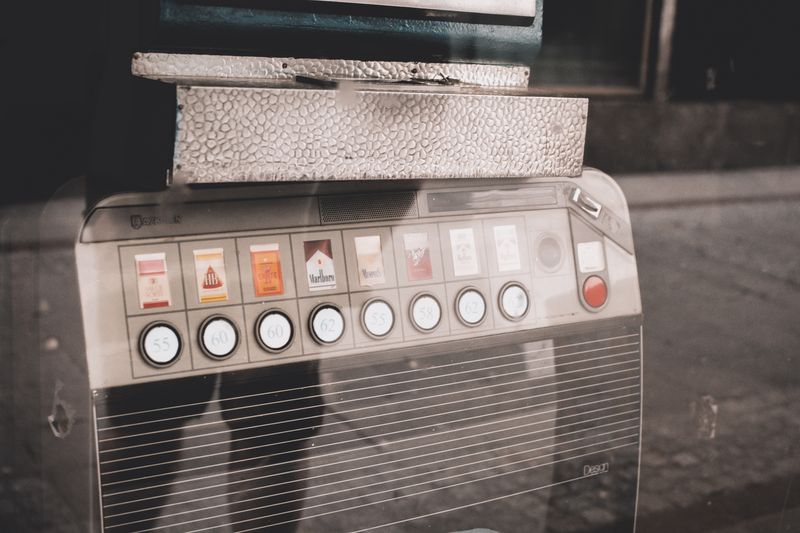
Utah banned the machines from places kids could reach in 1989. Nineteen states followed by the end of that decade. A federal rule finished them off in 2010. The clack of that knob became one more sound the lobbies forgot.
The sound of that lobby is gone. But at the back of the drugstore, a different sound vanished with it.
A Boy in a Paper Hat Worked the Marble Counter
The drugstore had a counter at the back, long and cool and topped with marble. A boy in a paper hat stood behind it working the levers. They called him a soda jerk for the jerk of the handle.
He built your phosphate one squirt at a time, then slid it down the marble to your spot. A nickel bought a glass. A dime bought a sundae with two spoons.
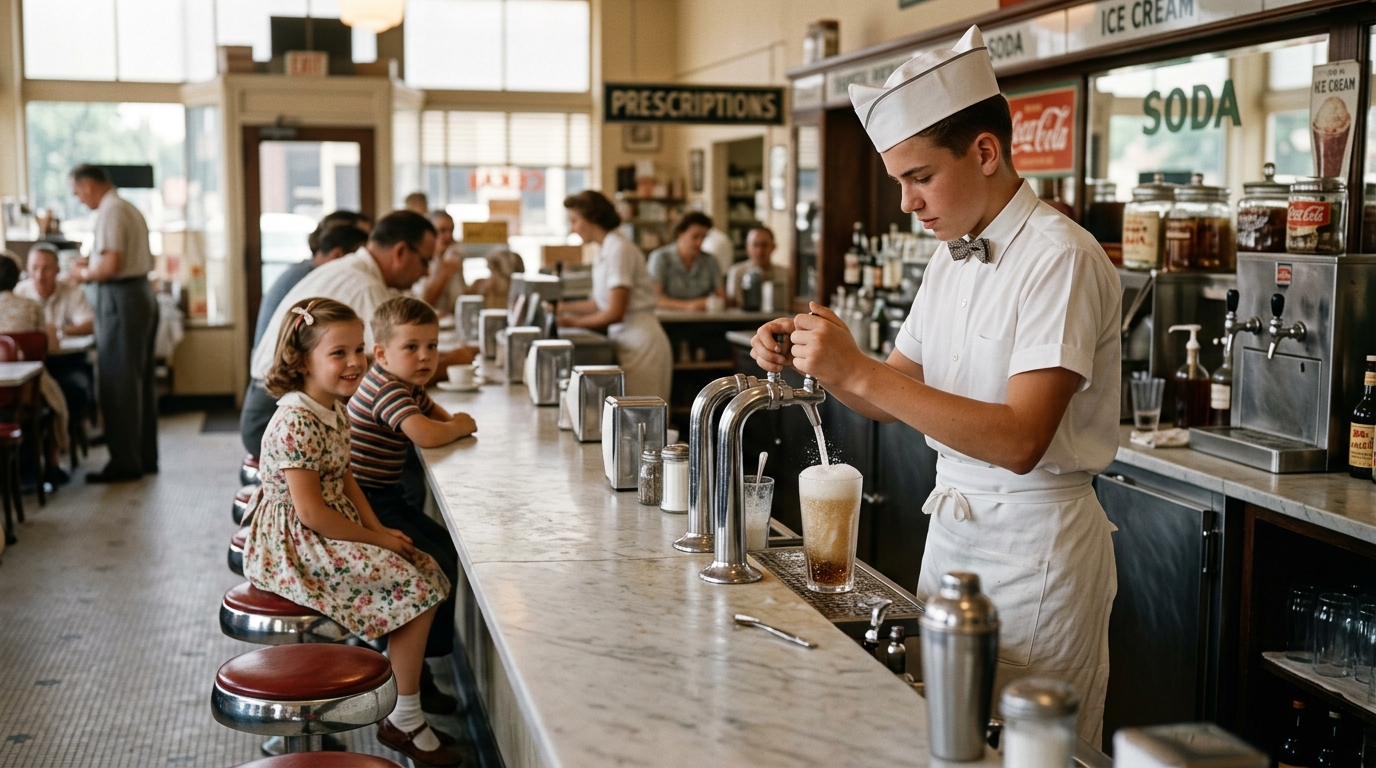
There were around 48,000 soda fountains in America in the 1940s. Walgreens went self-service in 1950.
By the 1970s about 5,000 were left. The marble counters got torn out for shelf space. The boy with the levers grew up.
Returning Glass Bottles Paid You Back in Coins
Every bottle of pop carried a deposit, two cents or a nickel. Every empty was money lying in the grass.
You hunted them like treasure. I did, behind the bleachers and along the roadside, loading the clinking glass into a wagon.

The grocer counted them out and pressed the coins into my hand. Those bottles went back to the bottler, sometimes thirty trips before they wore out.
Then the throwaway arrived, stamped with three words: No Deposit, No Return. By 1970 disposable bottles and cans were more than half of everything sold.
The penny hunt dried up. The empties that funded a thousand afternoons became something you threw away.
If the 25 home rules everyone followed in the 1980s sound impossibly strict now, the unwritten code around a deposit bottle was tighter still.
Eight Hundred Pages of Wishing Every December
It thumped onto the porch every autumn. The fight over who got it first was its own tradition.
You read it flat on your stomach by the tree, dog-earing pages and circling in crayon. The dolls, the bikes, the train sets. Things I would never get but studied like a map of a country I hoped to visit.
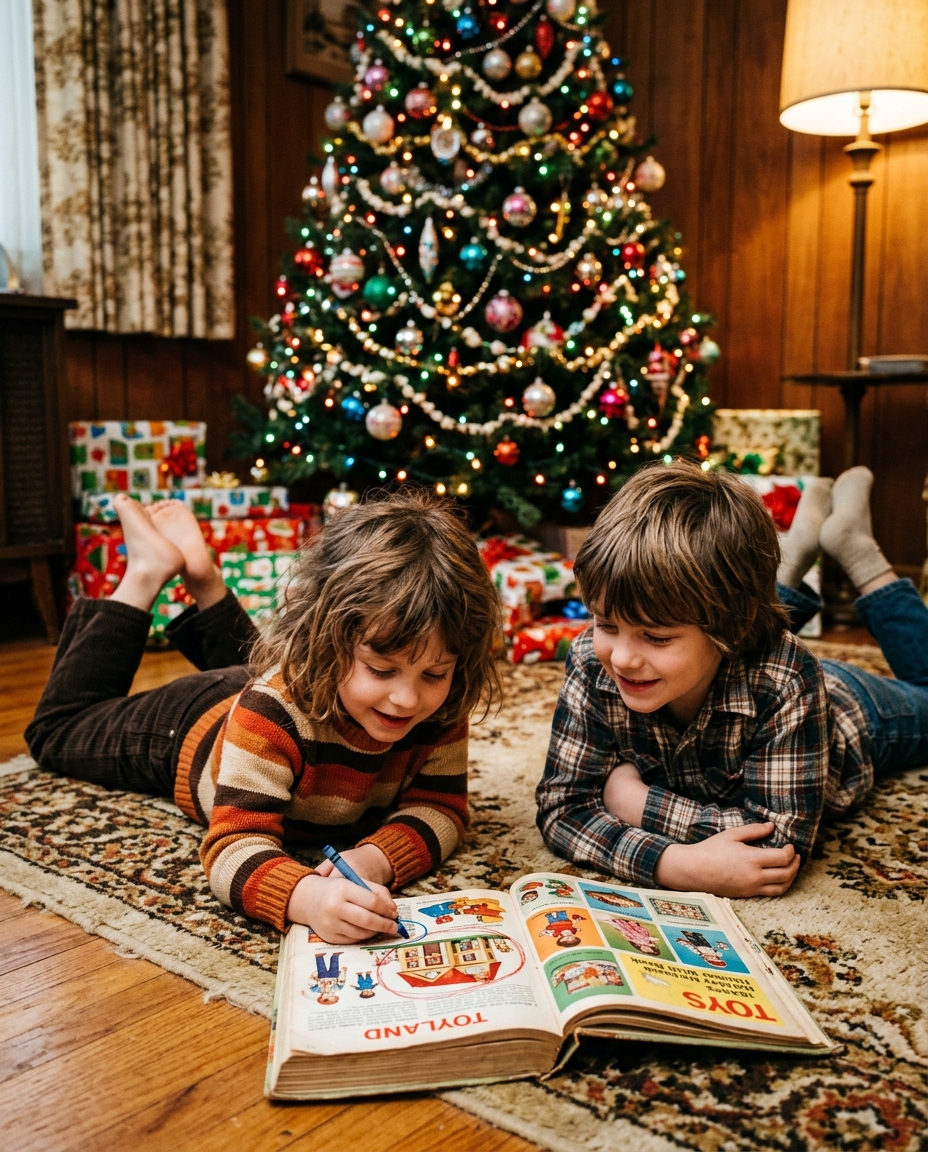
The first one came out in 1933. By the 1970s it was mailed by the tens of millions. It swelled past 800 pages at its fattest.
Then in January 1993 Sears shut the Big Book catalog and let 50,000 workers go. The thick book of December wishing became a tab on a phone.
A Real Toy Waited at the Bottom of the Cereal Box
There was a prize in the cereal. A real one. A plastic toy or a tin badge or a decoder ring buried somewhere in the flakes.
You dug with a bare arm to the bottom. My sister and I raced to the box every morning. A good prize could be traded at school like currency.
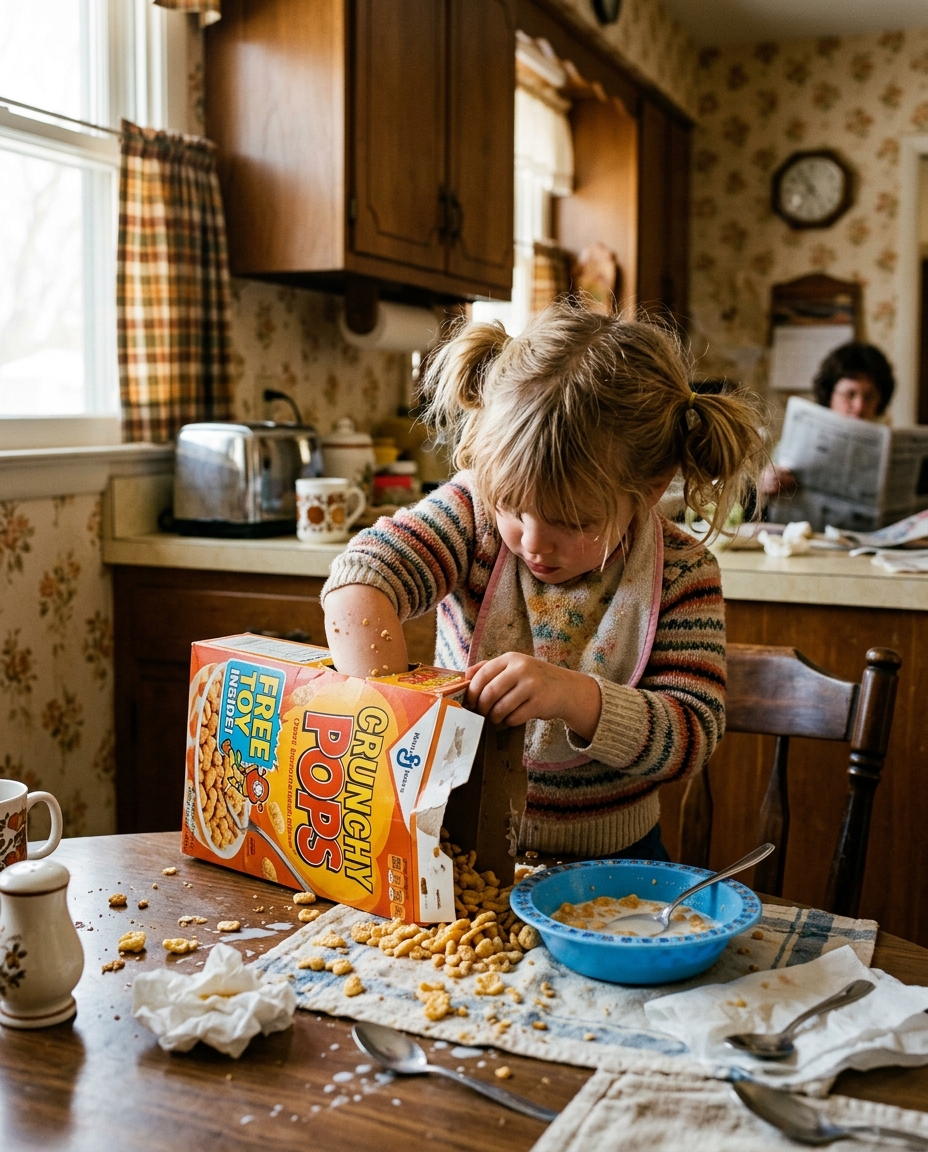
Kellogg’s was giving away prizes by 1909. The toys lived inside the boxes through the 1950s all the way into the 1980s.
Then they quietly disappeared in the mid-2000s. The 2005 Children’s Food and Beverage Advertising Initiative restricted marketing to kids under twelve. A small hard toy loose in food was a choking hazard nobody wanted to defend.
The surprise at the bottom became a code to scan.
Most of these went without ceremony. The last one is the quiet kind.
One Phone on the Wall and Everyone Shared It
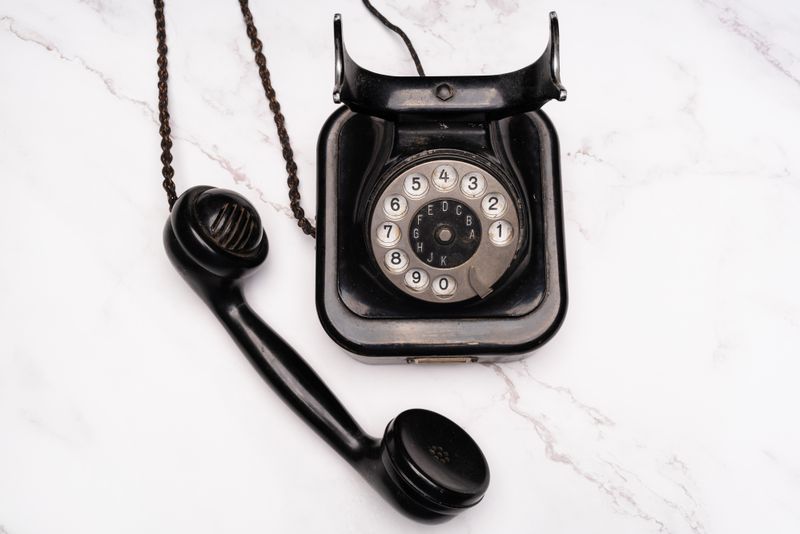
There was one phone, and it lived on our kitchen wall on a cord just long enough to reach the pantry.
You dialed by dragging a finger around the rotary face and waiting for it to spin back to zero. Ten seconds for a single number. The whole family shared it.
They took messages on a pad and learned to talk to whoever’s parent answered first. I memorized dozens of numbers because I had to. When the cord finally stretched into the hallway it felt like freedom.
Collectors now pay $75 to $600 for a good rotary phone, more than five times what they cost new. My wife Linda laughed when I told her. “We threw two away in the move,” she said. “The cord was still stretched out.”
Cordless handsets and then the phone in every pocket scattered that shared line into a private screen for each of us. Nobody waits by the phone anymore. The phone never leaves our hand.
What All Twenty Quietly Took With Them
Look back at the list and a pattern shows up.
The milkman, the Fuller Brush man, the iceman, the encyclopedia salesman, the teller who knew my face, even my brother on the bike. Every one was a person who came to your door or knew your name. Woven into the ordinary week.
What disappeared was not the milk or the stamps or the heavy phone book. It was the daily contact with people who were part of your life simply because of where you lived.
We traded all of it for speed and convenience, and most of the time the trade was worth making. But it is worth remembering, just once, that we gave up something real. Nobody asked us whether we wanted to.
And the regrets add up in ways we don’t expect. Ask anyone who has owned a few houses and the same 7 answers come up every time, and the biggest one catches people off guard.
Which of these twenty do you remember most clearly?