
By the time a buyer steps from the doormat into the foyer, most of the offer is already written.
I learned that the slow way. I have toured more houses than I can count as a buyer, sold two of my own, and somewhere in there I lost the ability to walk into a home and just see the home. Now I see what the buyer behind me is about to flinch at. The listing does not matter to them in those first seconds. The math does not matter. They are reacting, fast, to a dozen small things the seller stopped noticing years ago, and the verdict hardens before anybody says a word.
I have stood in a foyer and watched a couple decide on the spot. You can see it happen in their shoulders.
Here is what they are quietly scoring in those first few seconds.
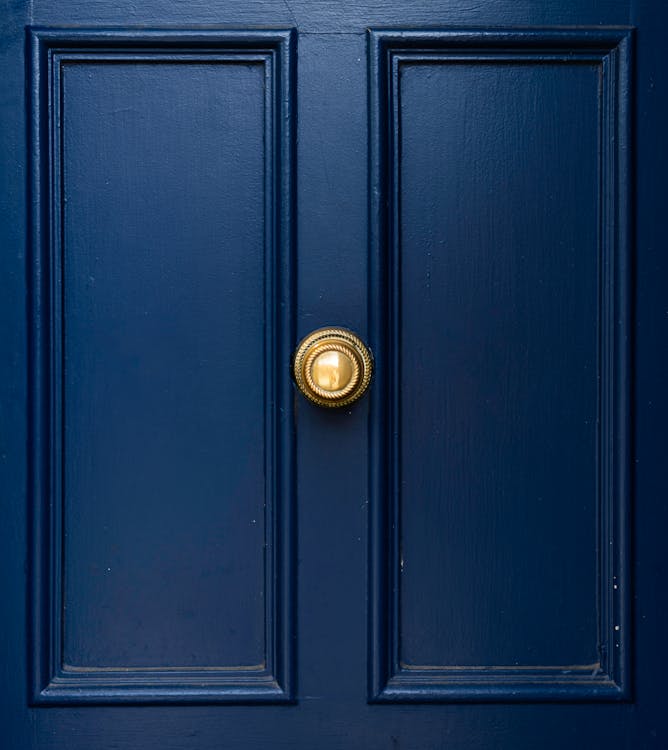
1. The Condition of Your Front Door
The door is the handshake. A limp one registers before the key turns.
Peeling paint, a loose handle that rattles, a yellowed doorbell cover. Dave, my wife Linda’s brother and a retired home inspector, calls these confession stickers.
Replacing a beat-up entry door runs about $2,435, yet that swap recovers 216 percent according to Zonda’s 2025 data.
A $40 quart of paint does most of the same work. And before anyone reaches the door, they have already judged what comes next.
Would you like to save this?
2. Your Curb Appeal and Front Lawn
A dead patch, a leaning mailbox, old planters crowding the porch. Each one chips at the price.
Homes with strong curb appeal sell for 7 percent more per a UT Arlington study of 88,980 Denver-area sales. In a slow 2025 market that premium climbs to 14 percent.
YOU’LL ALSO LOVE25 Things About Your Home That Visitors Notice in the First 10 Seconds (But Never Tell You)
On a $429,300 median-priced home, 7 percent covers more than $30,000 at closing.
Turns out the first ten feet past the door decide whether the tour happens at all.

3. A Cramped or Cluttered Entryway
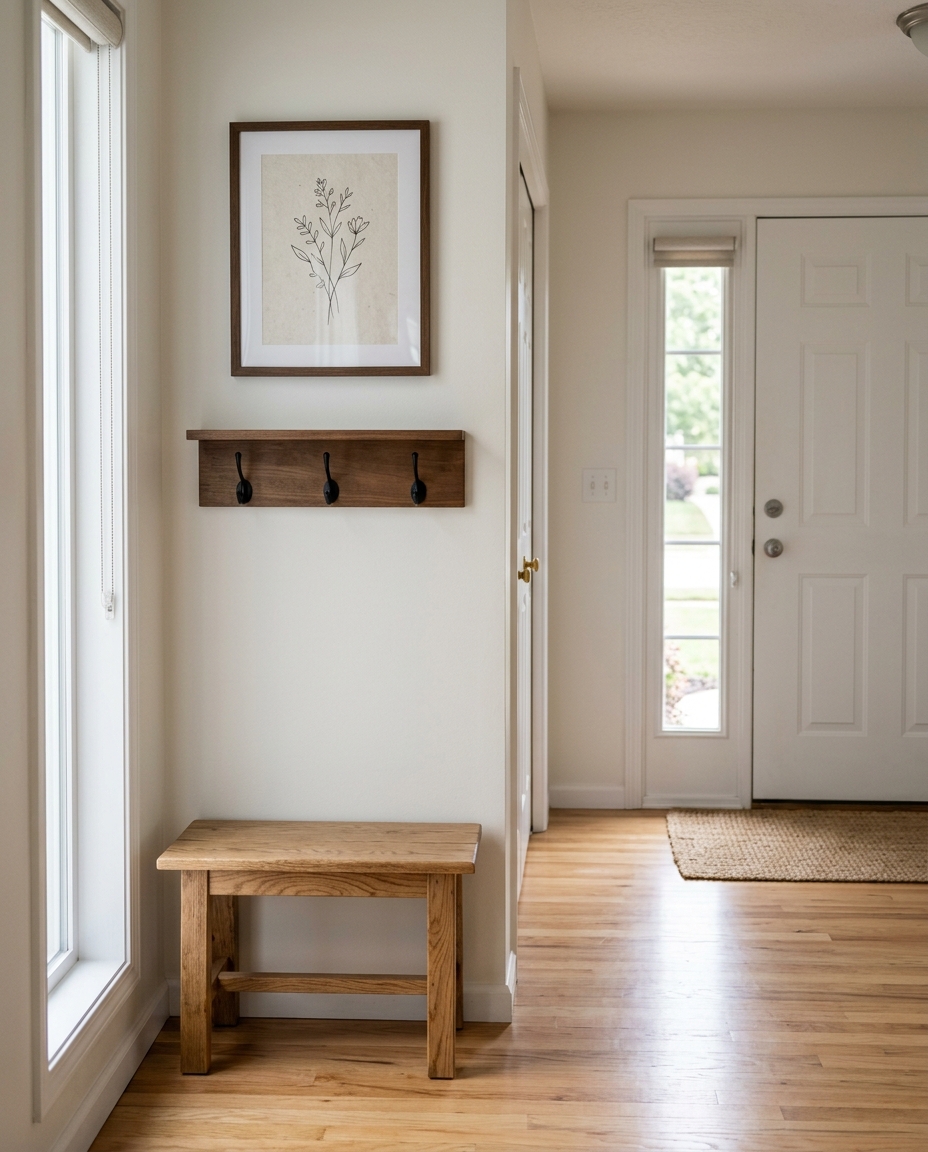
Shoes piled by the door. A coat rack under five jackets. That tells a buyer the house has nowhere to put anything.
I learned this selling the brick colonial in 2014 when my friend Renee, a stager, told us to pull the bench we loved. “Buyers feel the friction before the brain catches up”, she said.
Clear the floor, empty the hooks, pull furniture back six inches. Which brings us to the feeling buyers chase but cannot name.
4. How Much Natural Light a Room Gets

Buyers say they want light. What they judge is whether a room feels bright or buried.
A space lit by one overhead fixture reads as a cave.
Pull the drapes wide, swap a dim corner for a $30 lamp, and the room feels a full size larger.
NAR’s 2025 Profile of Home Staging found the living room is the most important room to stage at 37 percent. Light is the reason.
But here is the thing blocking all that light.
5. Foggy Windows With Failed Seals
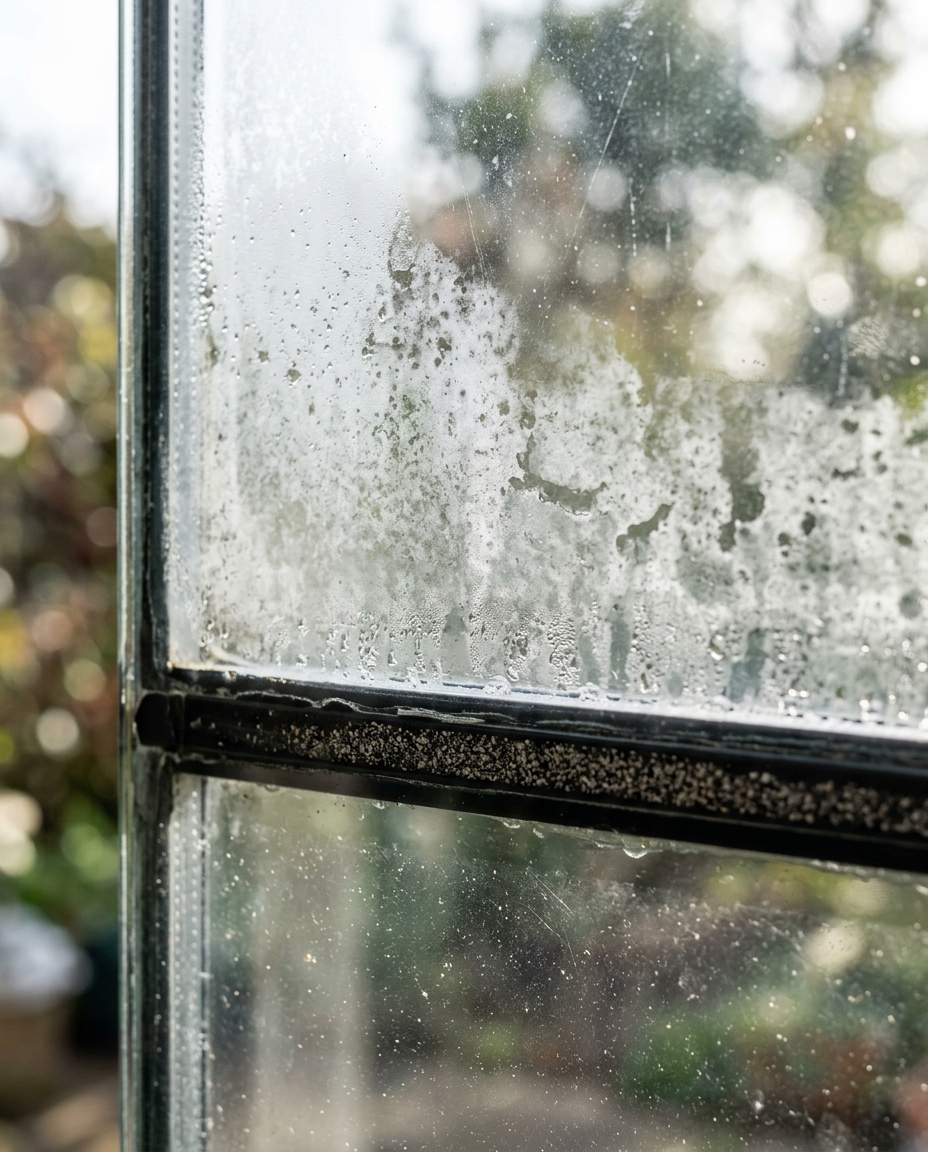
Grime is forgivable. A cloudy haze between the panes is not. It means the seal failed and the glass is dying.
One foggy window and I price a whole-house replacement in my head. That is a five-figure guess from a single pane.
Clean every window inside and out before a showing. And this is why I check the fixtures next.
6. Burned Out Bulbs and Dated Fixtures
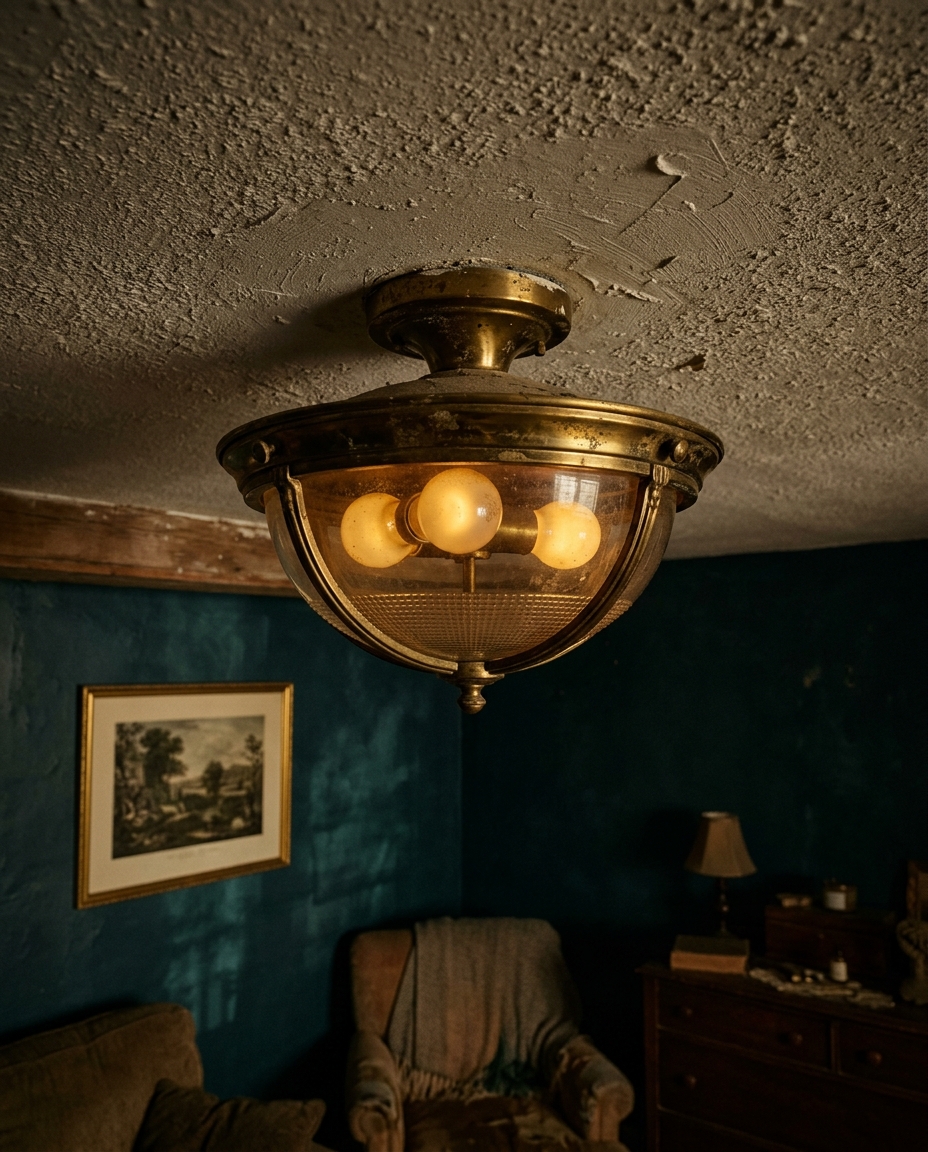
A dead bulb is a confession. If the seller skipped a $4 fix, I assume the furnace filter is years overdue too.
One neglected thing implies a hundred hidden ones. Swapping a dated fixture runs about $75 installed. A set of matched bulbs costs less than a sandwich.
Walk the house at night and flip every switch. The buyer will. Wait until you learn what kills the sale fastest.
YOU’LL ALSO LOVE30 Things in the 1970s Living Room That Would Confuse Anyone Under 30
7. The Smell That Hits Them at the Door
That face.

This kills the deal on the doormat.
Smell bypasses logic and hits disgust directly. I loved a house once until the door opened on a wave of animal urine. My agent lifted the carpet and found it soaked through.
Another time I walked into cheap air freshener over smoke and left without seeing the second floor.
Cat urine, cigarettes, mold, or plug-ins. Those are the four horsemen.
The trap is that you cannot smell your own home. Noses go blind within minutes. Dave told me the hardest talk in real estate is telling a seller the house reeks. “Masking it just makes the showing worse”, he said.
Buyers read freshener as a cover-up. Deep clean the carpet, scrub soft surfaces, air it out for days. Whatever your house says about you, visitors have already decided in the first 10 seconds.
The rooms where I hunt for trouble next are the ones with water.
8. Stained Grout and Cracked Caulk

Grout is tiny and I see it from the doorway. Stained lines and cracked caulk whisper water damage.
When I spot peeling caulk, I picture rot behind the tile. That imaginary rot becomes a $500 to $1,000 hit at the negotiating table.
A grout pen and a $5 tube of caulk erase the problem in an afternoon.
That $5 saves more than a thousand in leverage. Now the walls that sellers stopped seeing years ago.
9. Scuffed Walls and Chipped Baseboards
Run your hand against yours.
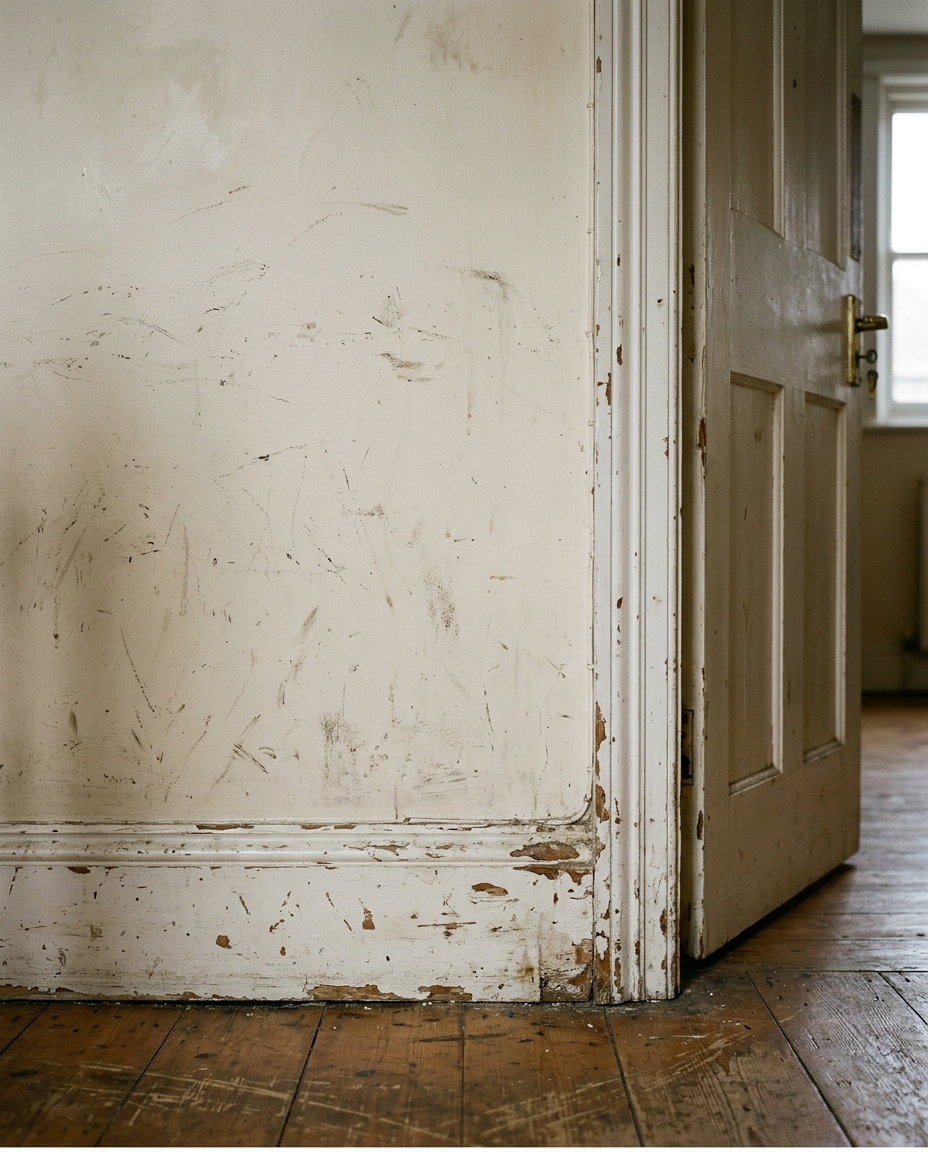
Walls collect a decade of life and the seller goes blind to it. Scuffs from furniture, gray smudges near light switches, the gouge a dog left by the back door.
The damage concentrates in hallways, stairwells, the entry. A weekend with spackle and a $30 quart of touch-up paint costs far less than the impression it erases.
Speaking of dated, the kitchen tells me the decade in one glance.
YOU’LL ALSO LOVE11 Neighborhood Rules Every Kid Knew in the ’80s That No Parent Would Allow Today
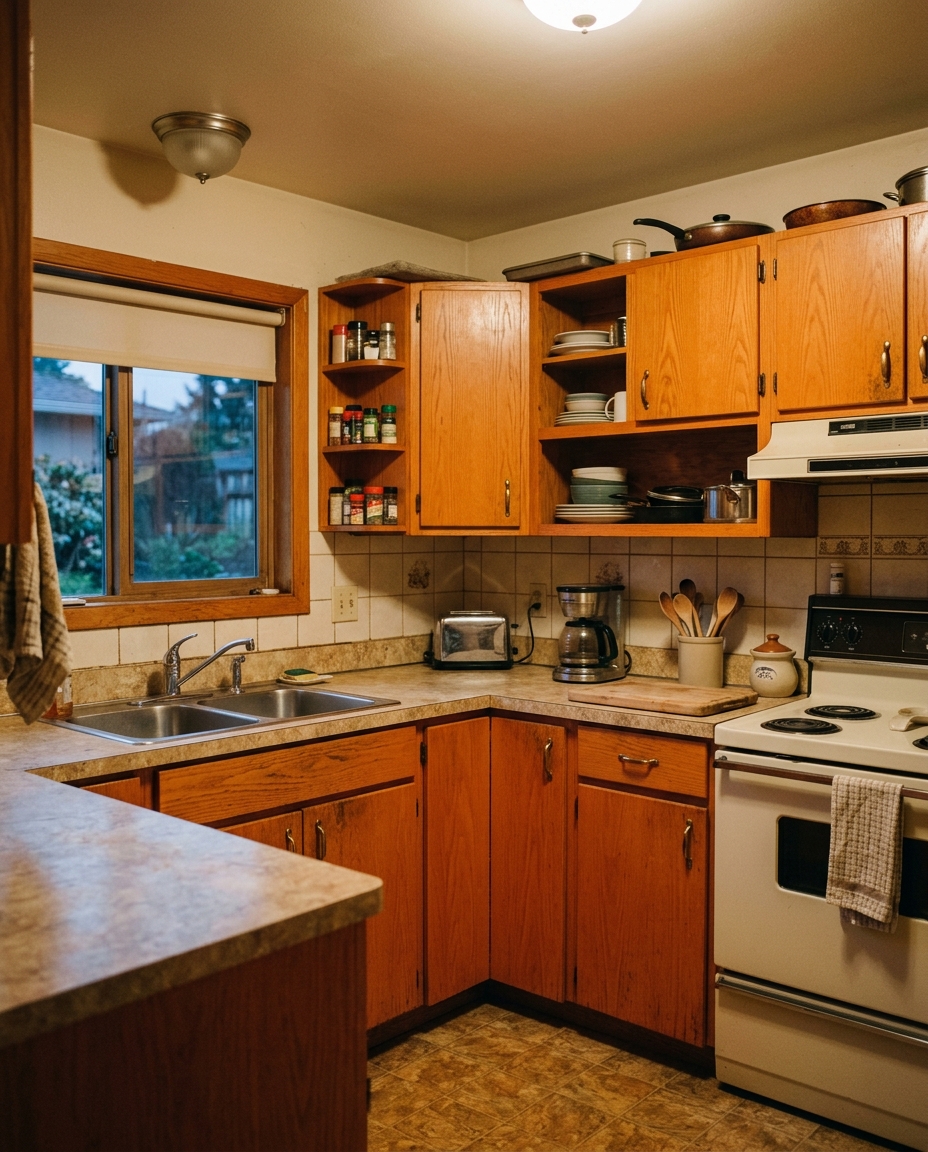
10. Dated Kitchen Cabinets and Hardware
Orange-brown oak with small brass knobs reads 1992. The trap is assuming you need new cabinets. You do not.
Swapping hardware on a full kitchen runs $100 to $150 at Home Depot. Brushed nickel or matte black pulls drag the room forward a generation.
Zonda’s 2025 Cost vs Value shows a minor kitchen remodel recovering 112.9 percent nationally. And this is where the counter argues about size.
11. Cluttered Kitchen Countertops
The toaster, the knife block, the mail pile. Each item shrinks the room.
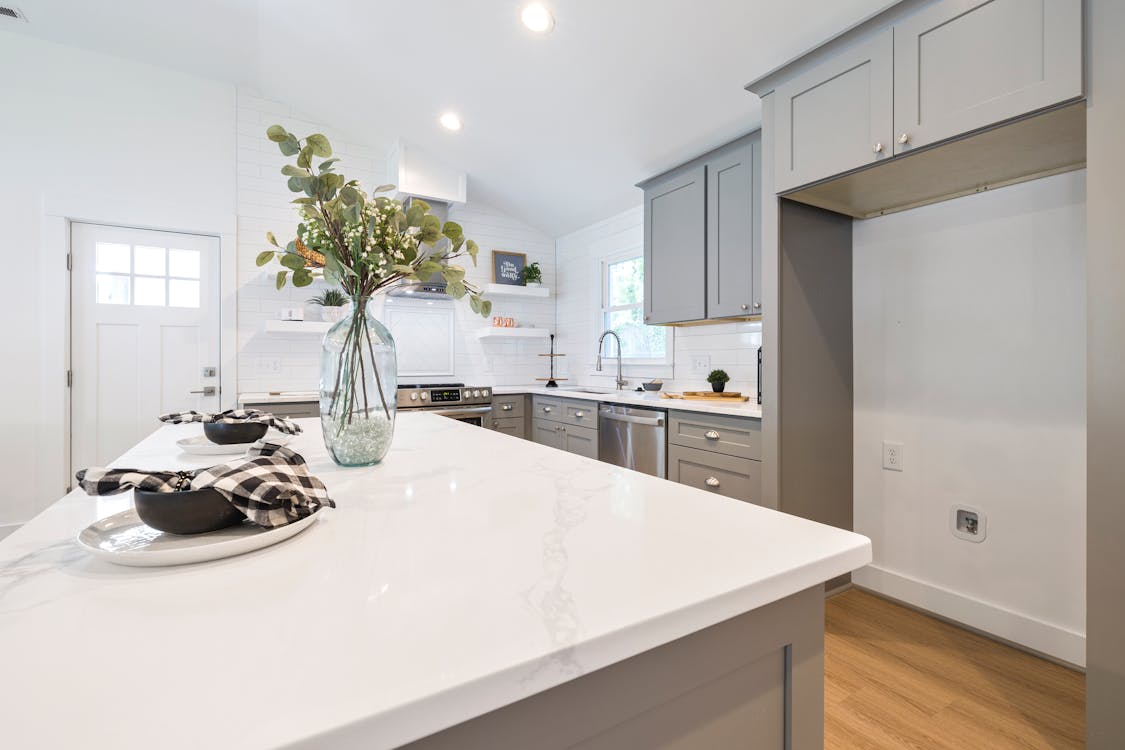
Renee told me stagers aim for 80 percent bare counter. Empty surface reads as livable space.
Box up what you use once a week. The counter is for the buyer’s imagination during a showing.
Here’s where paint color fights that imagination hardest.
12. Bold Wall Paint Colors

Bold paint feels like personality to the seller and like a chore to the buyer. A deep red dining room forces me to mentally repaint before I move in.
That mental work reads as cost. A few gallons of warm neutral runs $150 to $250 for a bedroom, and that is one of the highest-leverage weekends a seller can spend.
The next thing I judge is under my feet.
13. Worn or Stained Flooring
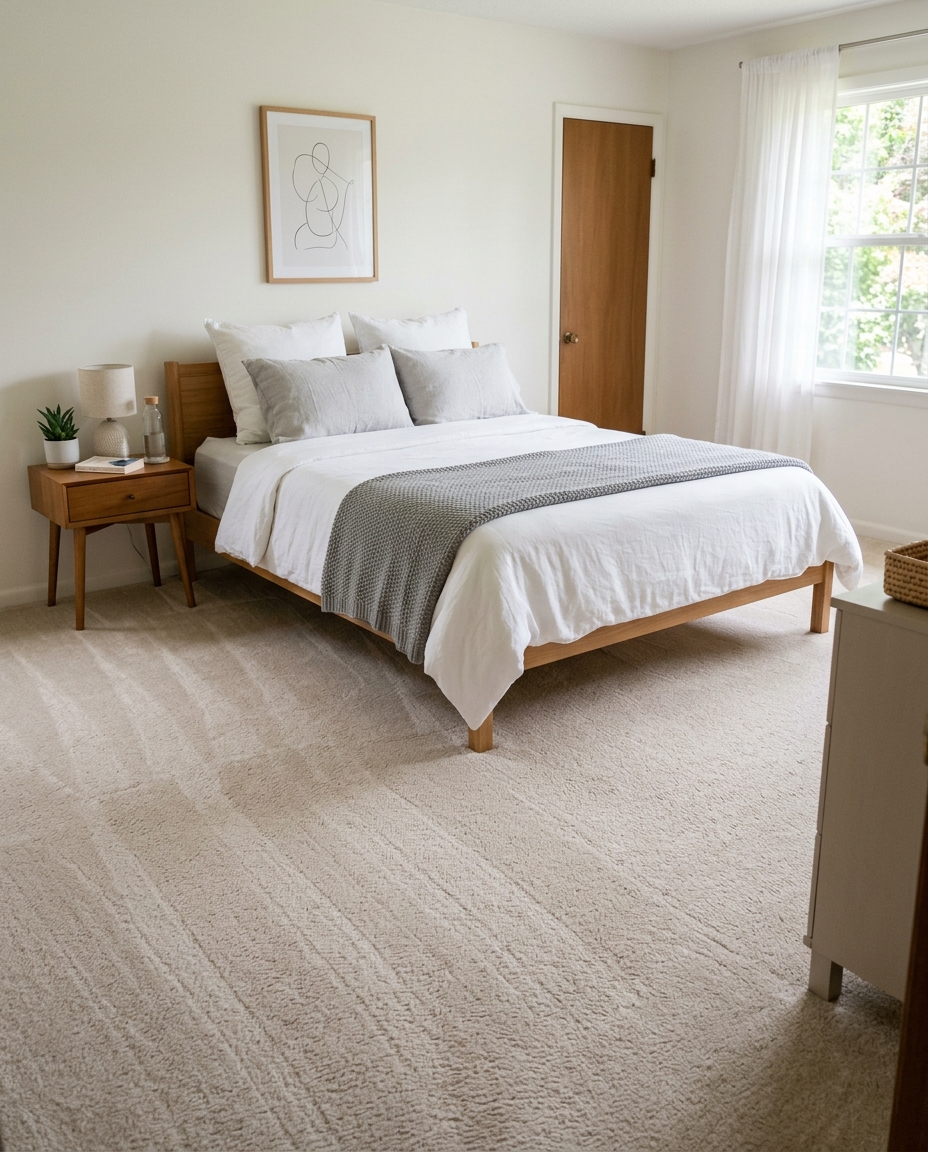
Matted carpet with a traffic path tells a story. A stain someone tried to scrub out makes me wonder what soaked in.
Hardwood or clean luxury vinyl plank reads as updated in 2025 markets. Tired carpet in a primary bedroom counts as a negative.
If replacement is off the table, a professional deep clean and fresh vacuum lines do surprising work. So what about the surface nobody decorates and everybody notices.
14. A Dated Popcorn Ceiling
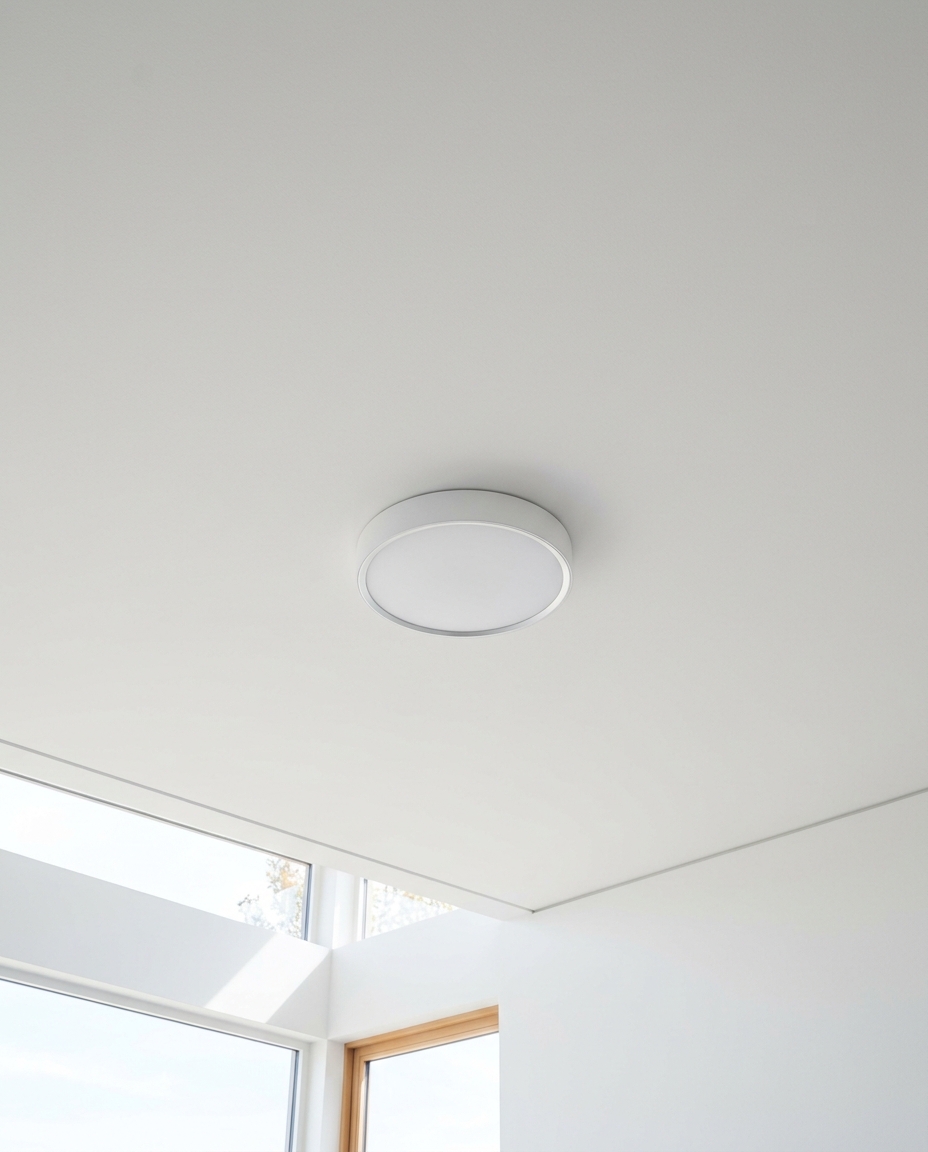
A popcorn ceiling answers a question nobody asked. How old is this place.
The bumpy texture casts small shadows that read as grubby. You do not always have to scrape it. Crown molding or light aimed at the ceiling pulls attention toward height instead.
15. How Roomy Your Closets Look

A rod crammed tight, shelves bowing under boxes. That look does double damage. It shrinks the closet and implies the house is short on storage.
YOU’LL ALSO LOVE25 ‘Common Sense’ Home Rules Everyone Followed in the 80s That Would Get You Laughed At Today
NAR’s 2025 staging data found 49 percent of agents saw reduced time on market for staged homes. Pull half your clothes and store them off-site.
A closet with daylight between hangers reads as generous. If the house is starting to feel like work, there are seven regrets homeowners name over and over, and the first is not the mortgage.
More on that in the room buyers inspect hardest.
16. Spotty Bathroom Fixtures and Shower Doors
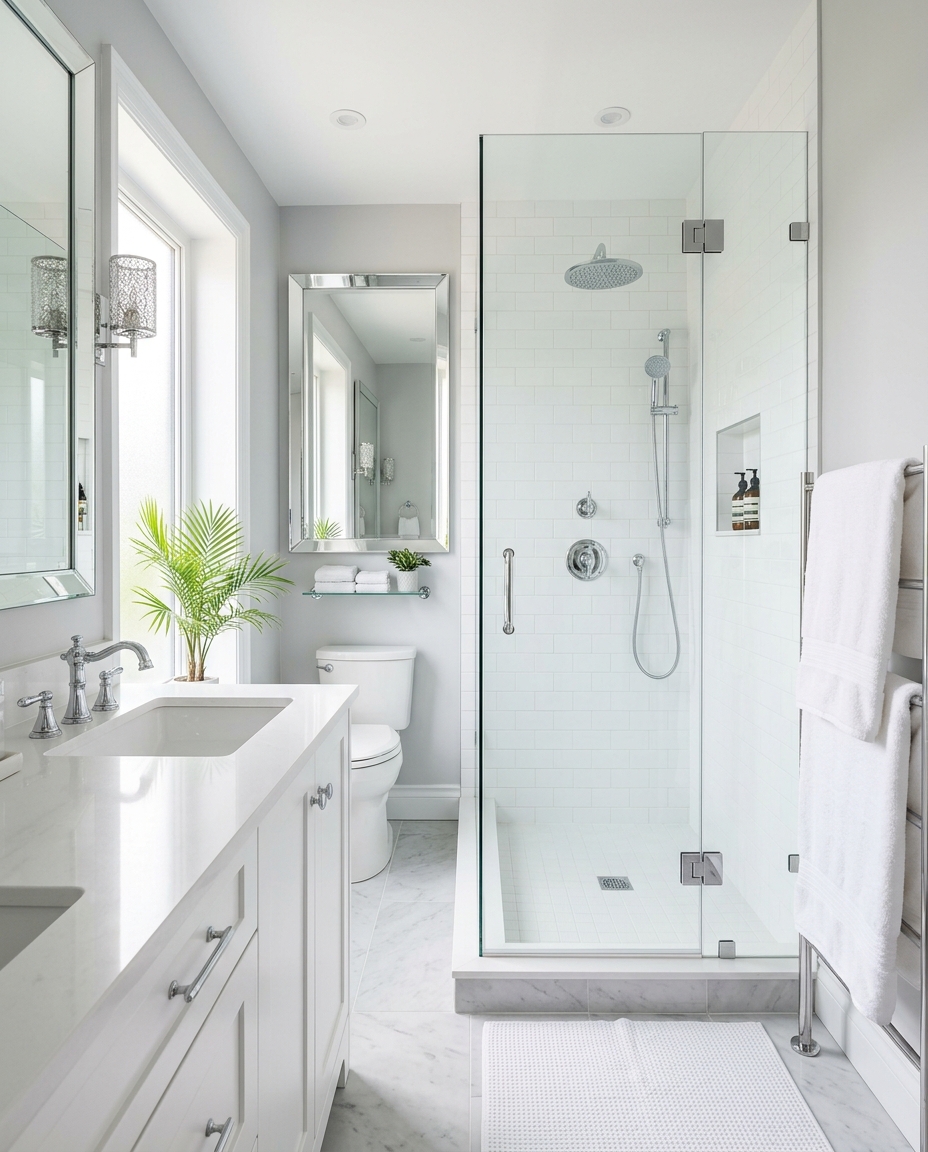
Bathrooms get inspected, not glanced at. Hard-water spots on the faucet, a cloudy shower door, a rust ring under a leaky handle. Each reads as neglect in the room where I fear hidden problems most.
A vinegar soak and a microfiber cloth fix it. Sparkling fixtures tell me the wet rooms have been watched.
Would you like to save this?
This next sense is one I never realize I am judging.
17. How Your House Sounds Inside

A house that echoes feels hollow. Soft landing, a rug underfoot, drapes that absorb, feels settled.
Floors that creak loudly add a worry about structure. Sound is half of how a home feels. A few rugs change the whole signature.
Which brings me to the quiet sense at the door.
18. The Indoor Temperature During the Showing
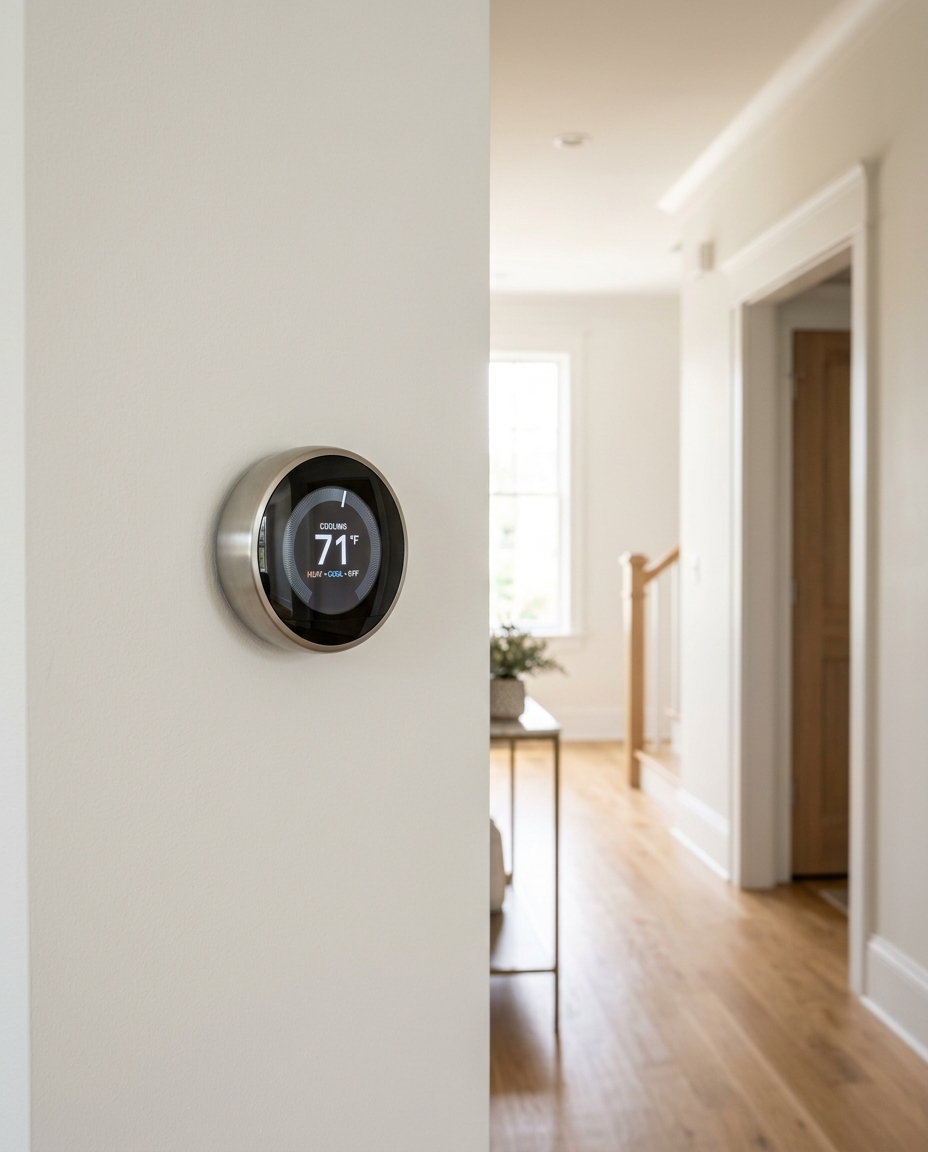
A stuffy house in July shortens every showing. Nobody lingers when they are uncomfortable. The fix is free. Set the thermostat an hour before.
With homeowners insurance averaging $2,802 in 2025 and projected at $3,057 by end of 2026, nobody wants to waste money.
But the showing hour is the one that pays you back.
19. Your Water Pressure
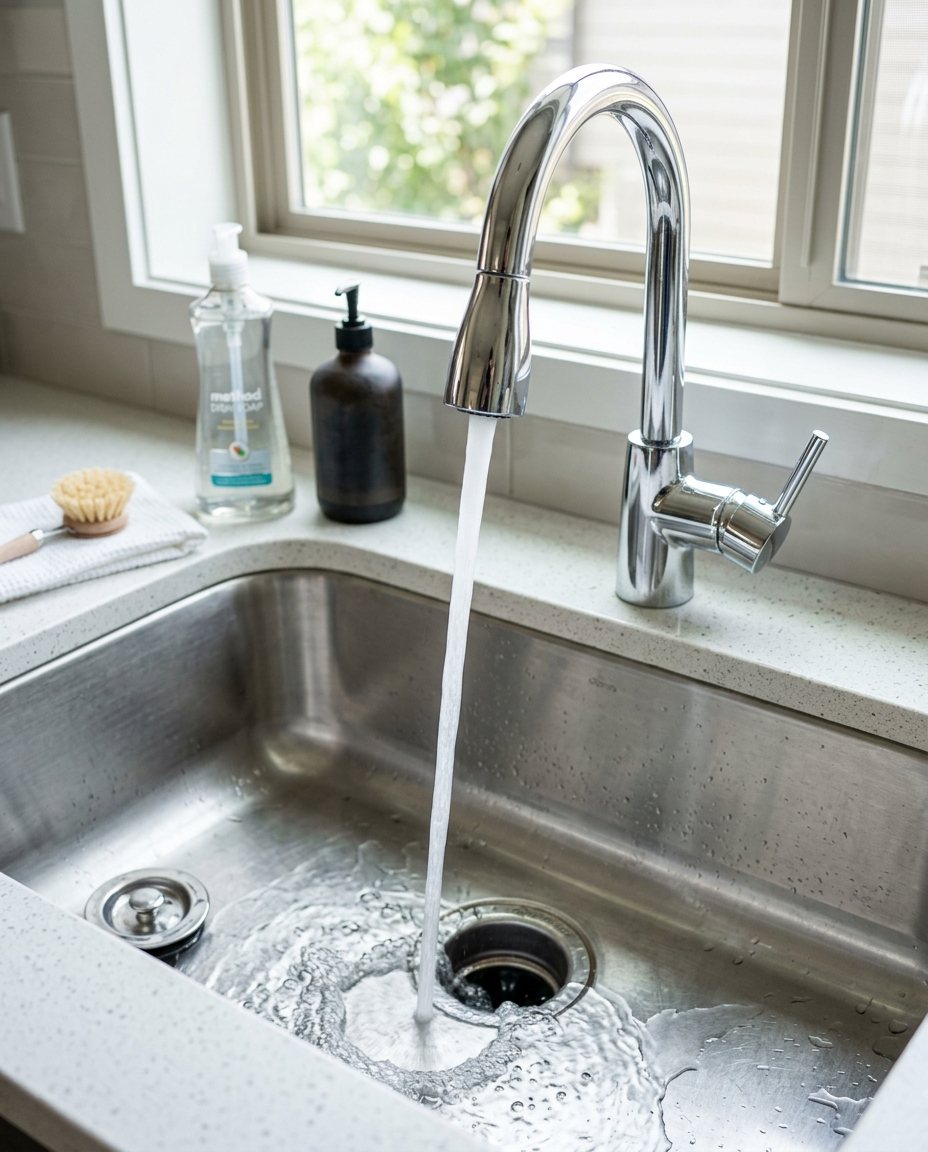
Serious buyers turn on the faucet. A weak trickle plants doubt that outlasts the showing. The culprit is often a clogged aerator, a $5 part and a two-minute fix.
Unscrew the aerators, soak them, run every fixture. A confident stream tells me the plumbing is fine.
But here is the room sellers never stage.
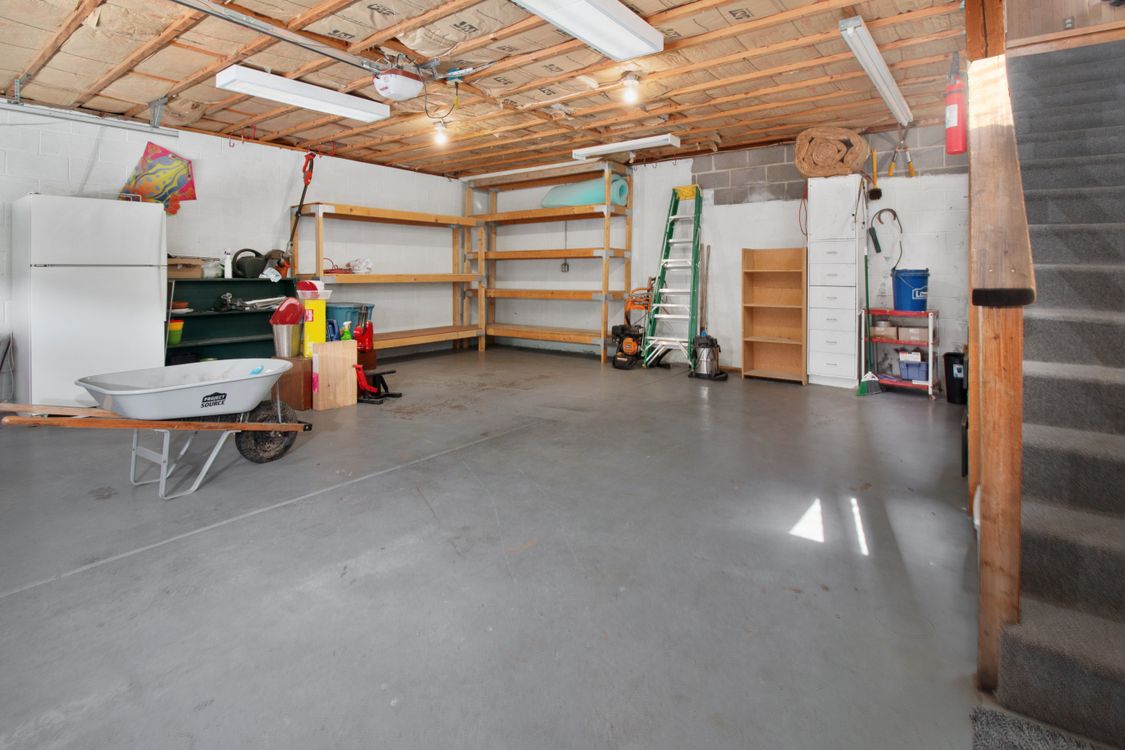
20. A Cluttered Garage
The garage is where sellers stop pretending. While the living room gets staged, the garage becomes the dump for everything cleared out.
I walk in to towers of boxes and read the truth: this house ran out of storage. If the clutter is making the house feel exhausting, there are 25 signs most people blame on the mattress.
Sweep the floor, get bins onto hooks, leave walkable space. And the next impression sticks all the way to the car.
21. The State of Your Backyard and Patio
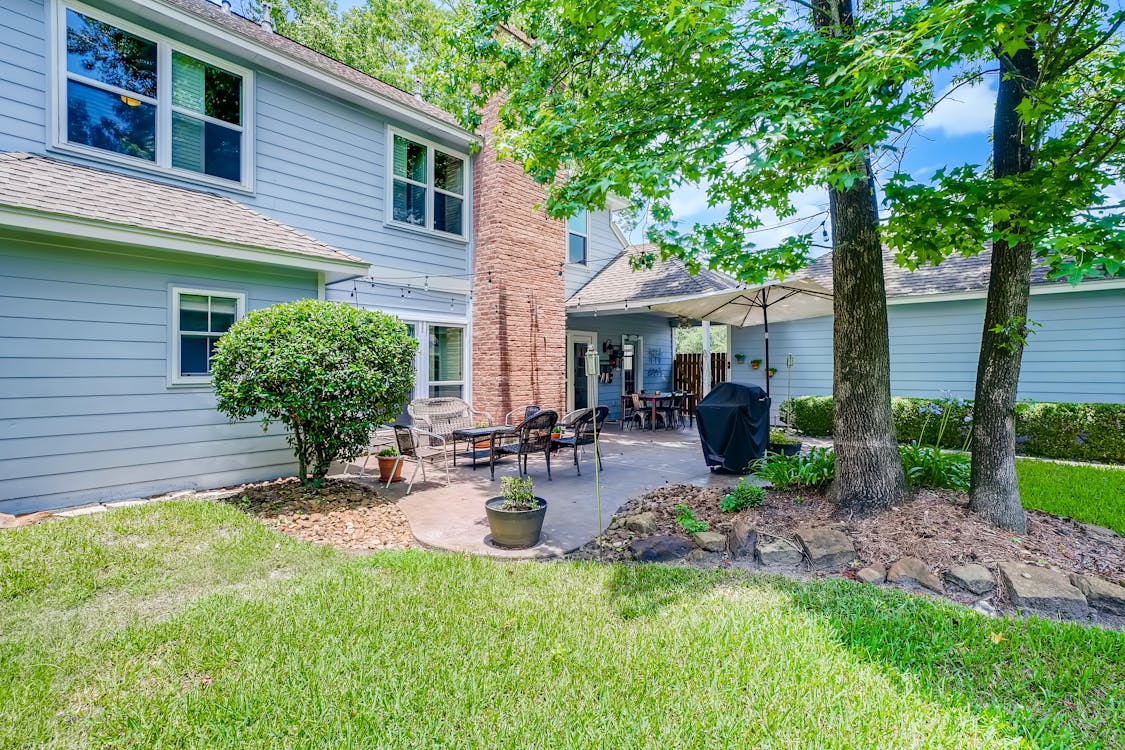
By the time I reach the back door, I have a story going.
- A patio buried under dead leaves
- A sagging fence
- A rusted grill
Each undoes the staged interior. My neighbor Mr. Alvarez pays $80 a month for lawn care and told me once, “I’m done with it.” His yard sells his house every day without trying.
Pressure wash the concrete, clear the dead growth, set out two chairs. Turns out the house keeps talking through everything I touch.
22. How Your Interior Doors Feel to Open
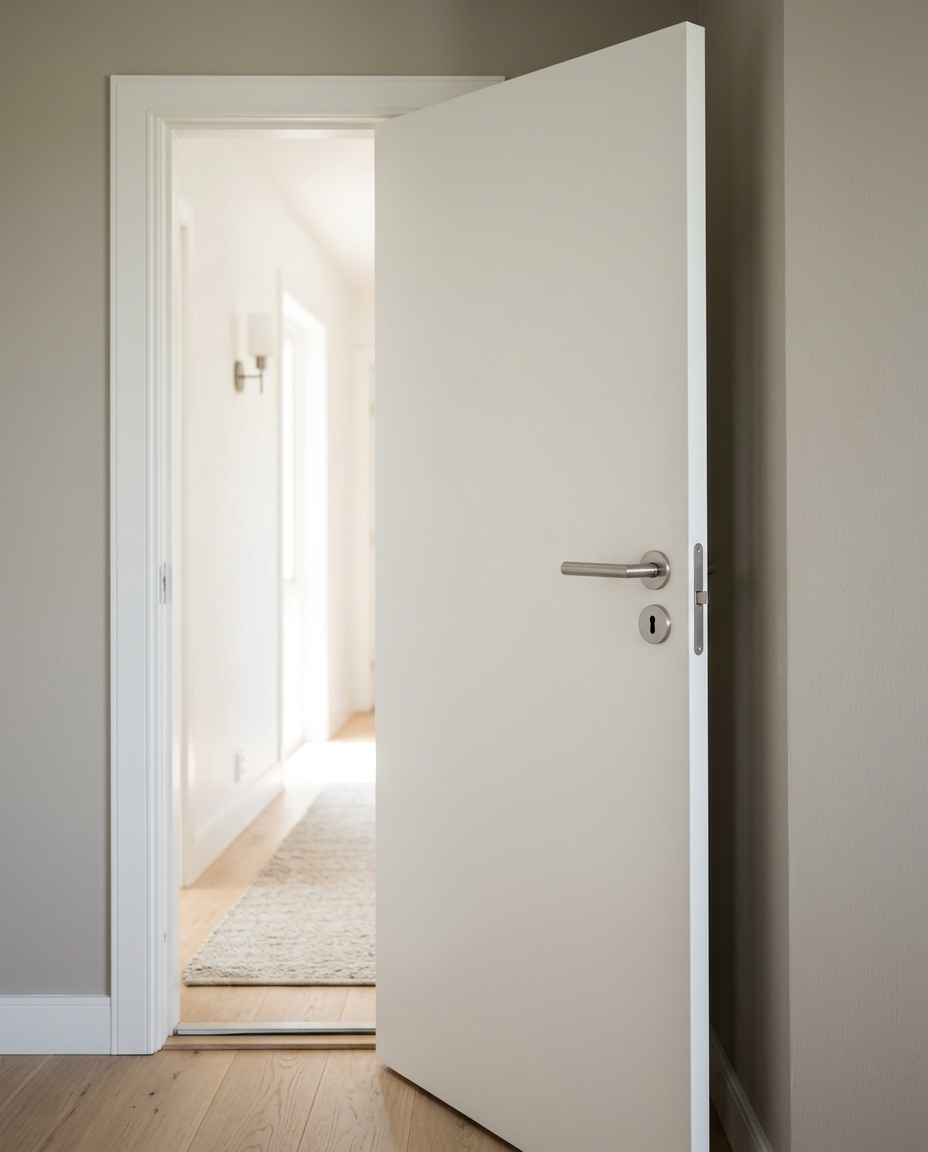
A door that sticks, a handle that wobbles, a hollow slab that thuds. Each registers as neglect.
Tighten loose hinges. Plane the door that drags. Every door should open clean and close with a click.
23. Personal Photos and Clutter on Display

Family photos on every wall, fridge magnets two layers deep. Each one keeps me a guest in your home instead of an owner in mine.
83 percent of buyer’s agents say staging helps buyers visualize the property per NAR’s 2025 data. Pack early and pack hard.
Pull the photos. Clear two-thirds of every surface. Coming up is the one detail nobody thinks I read.
24. Outdated Outlets and Switch Plates
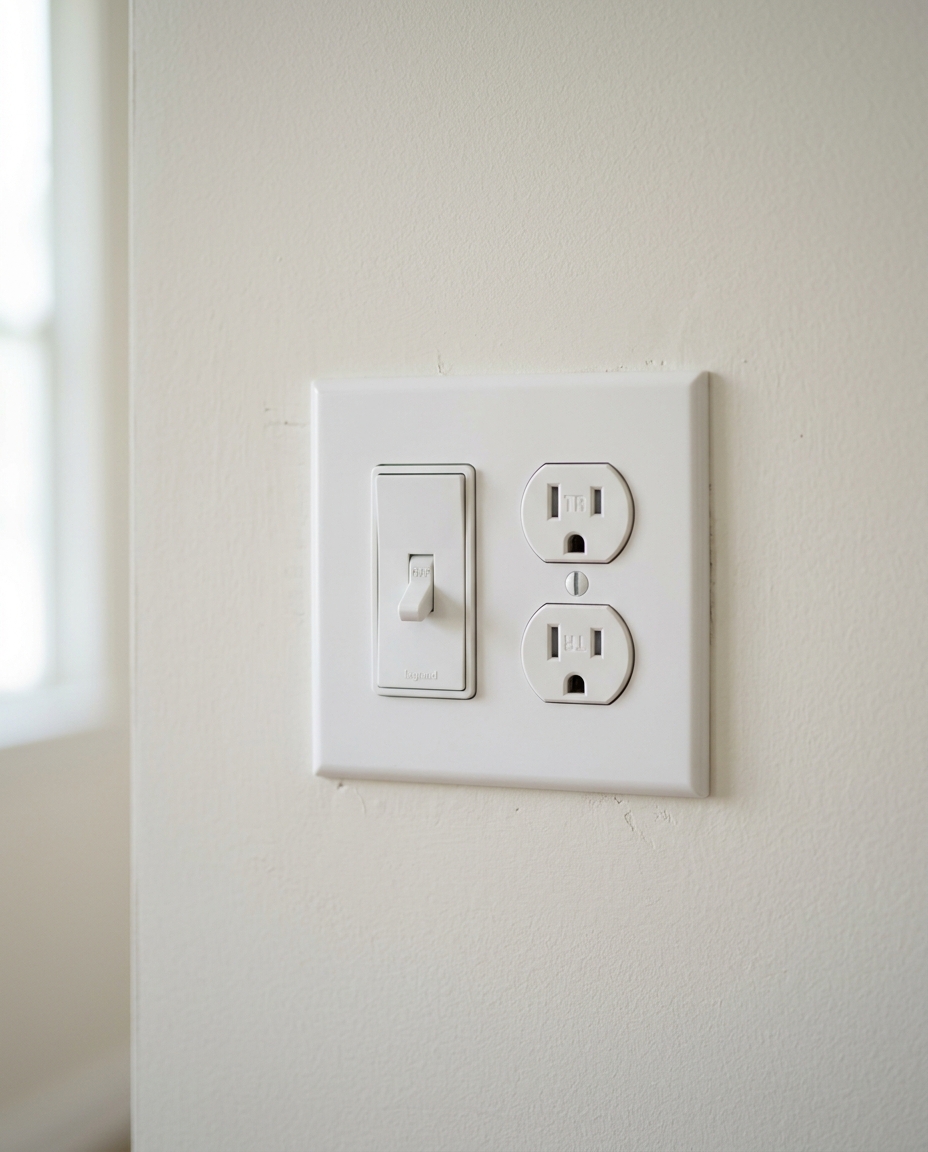
The plate under my fingers tells on the whole house. Paint-crusted covers, two-prong outlets with no ground. Each signals old wiring.
It happened to my neighbor Carol when a buyer spotted ungrounded outlets across her 1974 ranch and walked. The inspector later found knob-and-tube in the attic.
Matching cover plates run about a dollar each. The plate is my evidence when I cannot see inside the walls.
And this is what every fix above adds up to.
25. The Overall “Cared For” Feeling

Everything rolls into one verdict: does this house feel cared for or worn out. I decide how a home feels first, then hunt for facts to justify it.
Pre-listing prep that costs $500 routinely saves $2,000 in negotiation.
Deferred work shows up as a $6,000 to $8,000 concession.
On a $429,300 home, seller concessions averaging 1.5 to 3 percent means up to $12,879 you never had to lose.
There are 25 things sitting in your house right now worth real money. The details you stop noticing are always the ones that cost you.
The Walk-In Test Every Seller Should Steal
Step outside. Take three slow breaths of fresh air. Walk in like a stranger.
Pay attention to the first ten seconds only. What does the nose catch. Where does the eye snag. Does the entry pinch or open.
Do it three different days. The smell you miss on Monday sometimes lands on Thursday.
Fix whatever those thirty seconds flag.
The buyer is running this exact test on you. Run it first.
What is the one thing you noticed in the first ten seconds of a home that made you walk right back out?