
Your guests form an opinion about your home before they sit down. It’s the stuff you stopped seeing three months after you moved in.
After 35 years and three houses, I’ve watched guests clock things I’d gone blind to. A 2025 NAR report found 83% of buyers’ agents say staging changes how people read a home.
Your friends aren’t buyers, but their brains work the same. Number 14 will bother you most, because you’re probably looking right at it every day.
1. Your House Has a Smell and You Can’t Detect It Anymore

Would you like to save this?
Every real estate agent will confirm this one first.
Smell hits the limbic system before your eyes finish processing the room. A Pfizer Canada survey of Ontario real estate agents found a striking number. Cigarette odor alone can knock up to 29% off what buyers will pay for a house.
It doesn’t have to be smoke. Pet dander in the carpet. Last night’s salmon still hanging in the kitchen. That musty edge from a basement door left cracked.
Your nose adapted to all of it within 48 hours. Your visitor’s nose has not. They smelled your house before they finished saying hello.
And smell is only the opening act. The next one hits before they’re three steps in.
2. How Bright or Dark Your Entry Feels
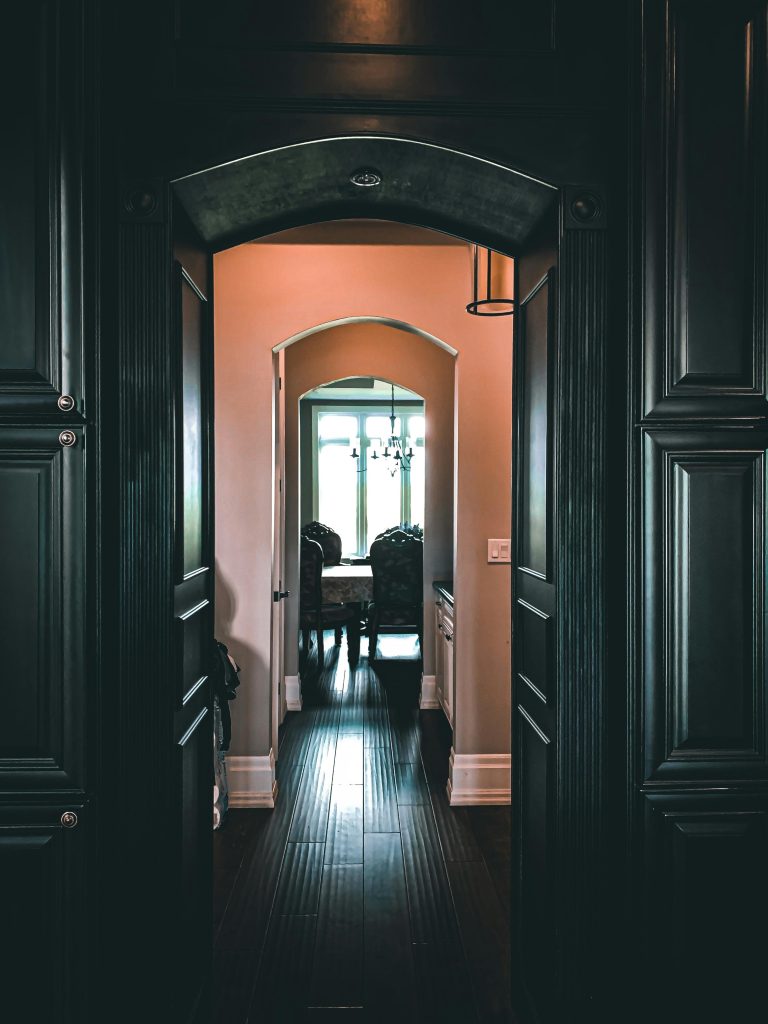
The brain reads brightness as safety. Walk into a dim foyer and your shoulders tighten before you can explain why.
Processing fluency research shows spaces with balanced, natural-feeling light get rated as more trustworthy and more spacious. Same square footage. Different verdict.
The fix is almost embarrassing. One warm 2700K LED bulb costs under $8, less than the sandwich you grab on the drive home. And it changes the read of the entire first room.
YOU’LL ALSO LOVE30 Things in the 1970s Living Room That Would Confuse Anyone Under 30
3. Whether Your Front Door Sticks, Squeaks, or Swings Clean
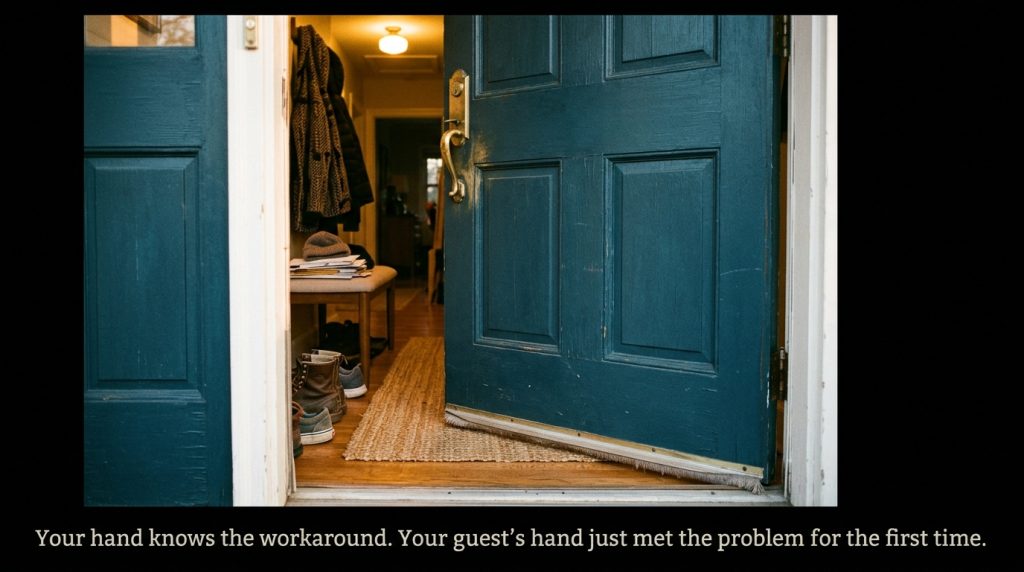
That little catch when the door drags on the weatherstripping. The hinge that groans. The deadbolt that needs a jiggle.
You stopped noticing because your hand memorized the workaround. Your guest just felt it, and their brain filed it under deferred maintenance.
One second. It really happens that fast.
But here’s the number that surprised me. The 2025 Cost vs Value report puts a steel entry door replacement at $2,435 installed, and it returns $5,270 at resale.
Read that again. You get back more than double, which is the rare home project that pays for a chunk of next year’s property taxes on its own.
For a door that merely sticks, a $12 can of hinge lubricant and 15 minutes with a plane solves most of it.
Three of the things on this list register in the body before the conscious mind catches up. Here they come.
4. Your Entryway Floor and What’s Actually Underfoot
Guests look down within their first two steps.
Scuffed grout, a curling rug corner, sticky residue from a doormat that wandered. The floor tells its story before the living room comes into view.
Temperature counts too. Warm tile reads as luxury. Cold, hard laminate reads as builder-grade, even when the rest of the house is immaculate.
The entry floor is the most judged surface in the house. It takes every footfall and every storm the house gets, and everyone who enters grades it without meaning to. Wait until you see what they clock the second they look back up.
5. Shoe Piles and Whatever Else Landed Near the Door
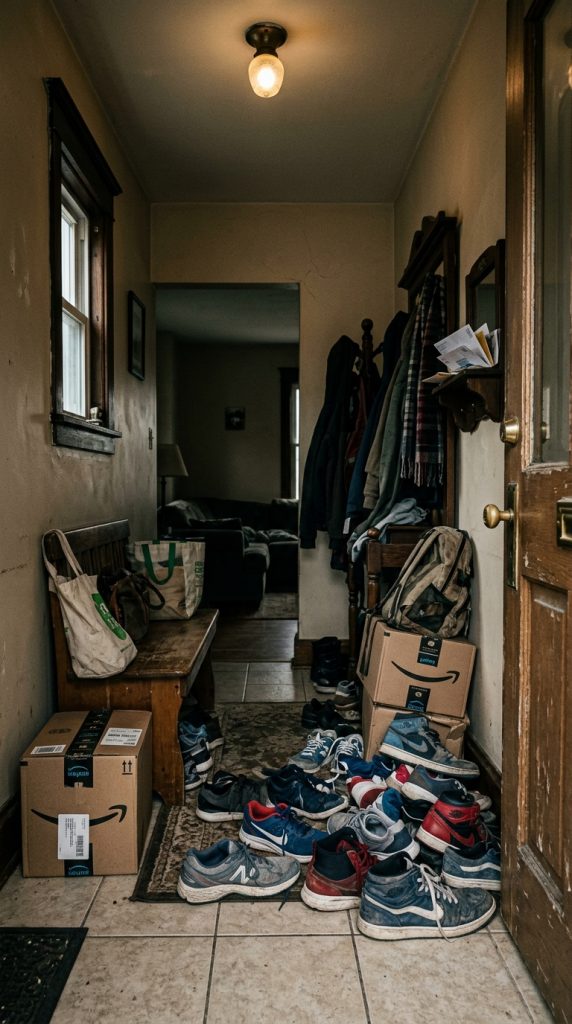
Clutter raises cognitive load. When a brain has to process too many objects in a small space, it runs a low-grade stress response that colors everything after it.
A clean bench with two pairs of shoes underneath says the household runs smoothly. Fourteen sneakers, three delivery boxes, and a dog leash strangling an umbrella stand say something else.
No judgment on how you live. But your guest is judging. Silently. In about three seconds. The ceiling comes next, and nobody ever sees it coming.
6. Ceiling Height in the First Room They Enter
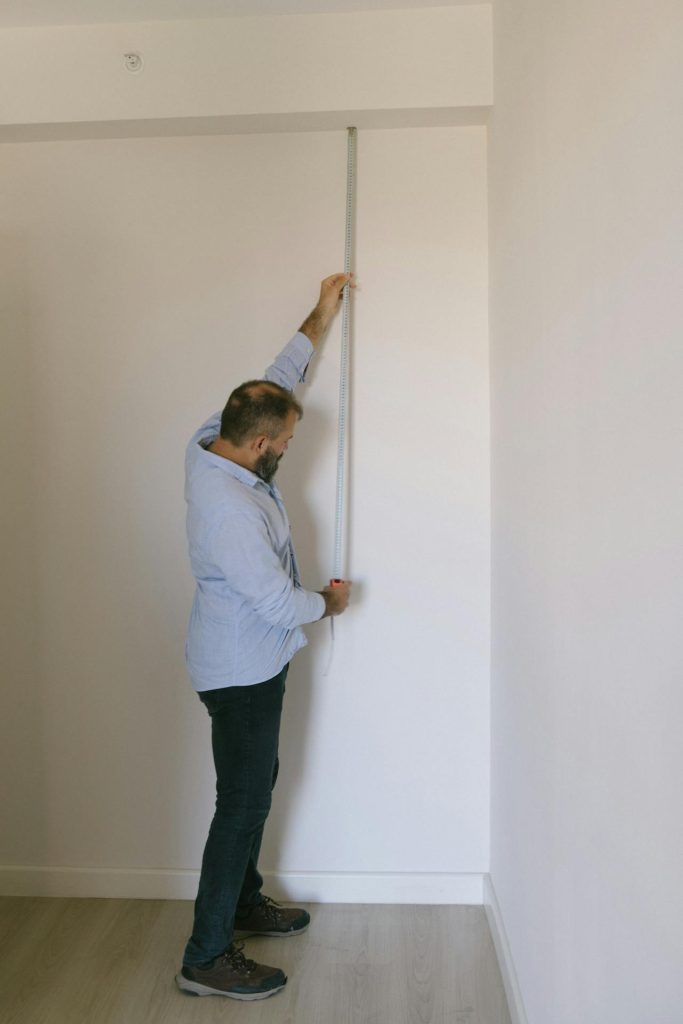
Nobody can name your ceiling height. Everybody feels it.
A standard 8-foot entry feels compressed. A 9-foot ceiling, just 12 inches more, changes the whole spatial read. Builders get $3,000 to $5,000 extra to vault a ceiling at build time, more than a decent used car. They know the perception bump is worth every dollar to a buyer.
If you’re stuck at standard height, cheat vertical.
YOU’LL ALSO LOVE11 Neighborhood Rules Every Kid Knew in the ’80s That No Parent Would Allow Today
- Tall mirrors
- Floor-length curtains hung at the ceiling
- Wall paint carried up to match the ceiling so the eye never stops at the break
Most people walk right past the next one. Once you see it, you can’t unsee it in anyone’s home, including your own.
7. Dust You Can’t See Until the Light Hits It
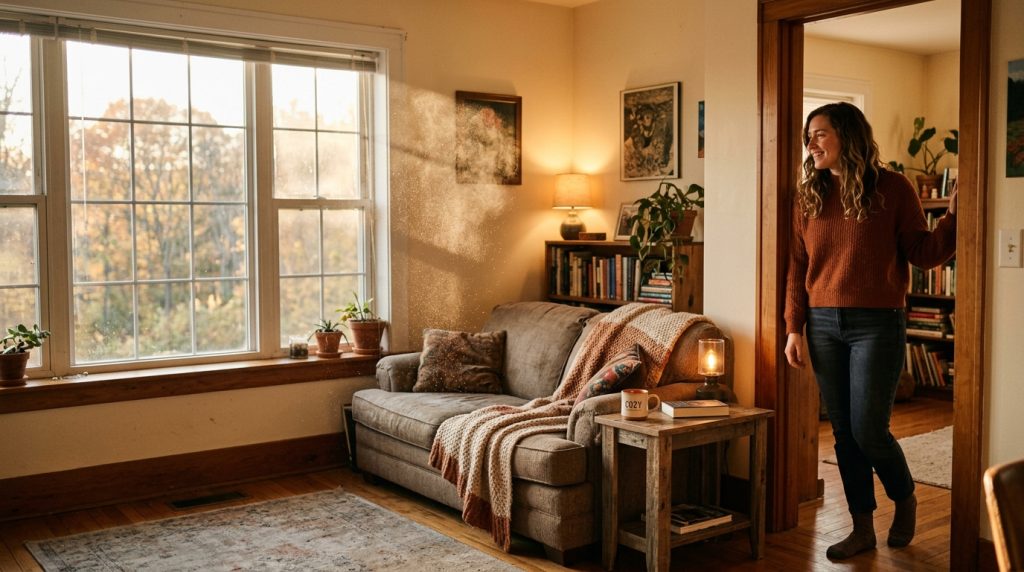
Afternoon sun through a west-facing window around 4 PM turns invisible dust into a floating cloud.
You miss it because you’re on the couch looking at your phone, not standing in the doorway watching light cross the room. A guest in the doorway catches it instantly.
The fix isn’t more cleaning. It’s filtration. Stepping up from a MERV-8 furnace filter to a MERV-13 costs about $25, roughly a month of one streaming service. And it catches most airborne particles before they ever land.
And if your house always feels dusty, dim, and stuffy no matter what you do, the building itself might be the reason. There are 25 signs your house is making you tired, and most people blame the mattress.
8. How Your Furniture Faces
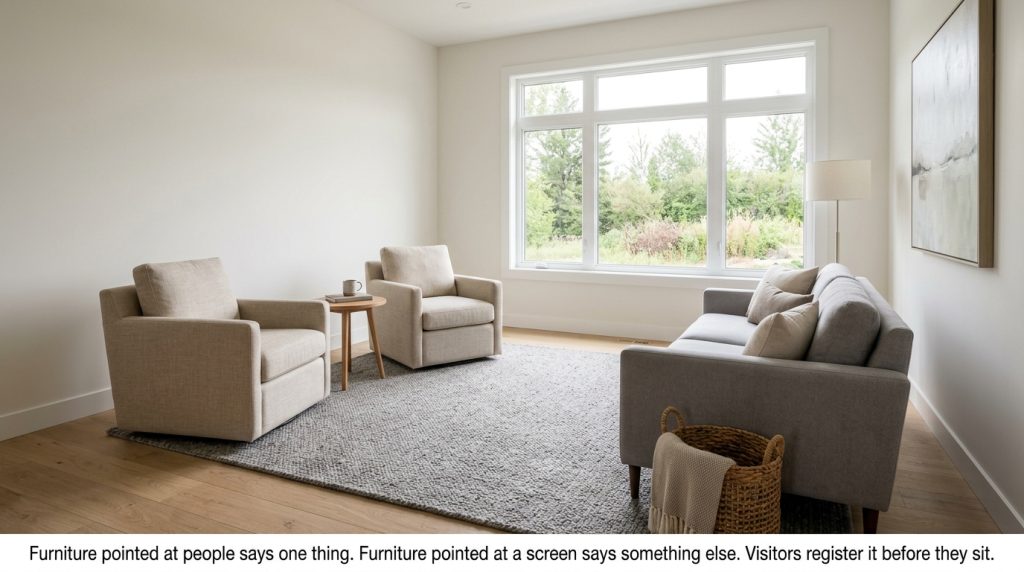
Designers call it conversational grouping, and it broadcasts how a household actually lives.
Every seat pointed at the television says one thing. Two chairs angled toward each other with a table between them says another. Visitors register this in peripheral vision before they sit down.
The room was arranged for people, or it was arranged for a screen. Neither is wrong. Both are read in under five seconds. So what does the next surface confess about how the household really runs?
9. What Your Kitchen Counter Is Holding Right Now
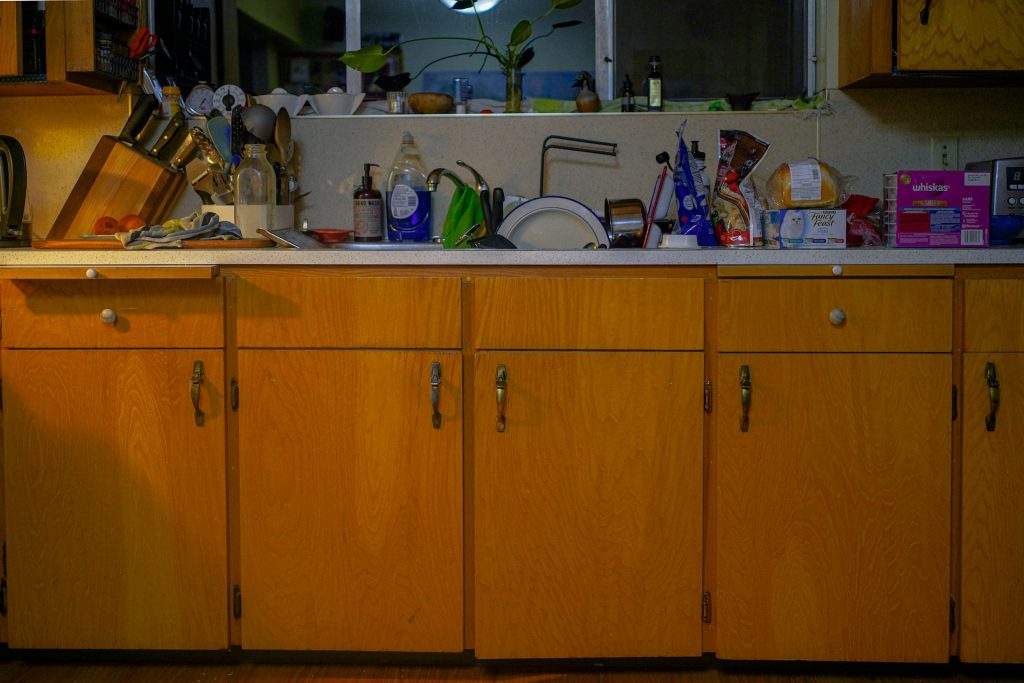
Not the granite. Not the backsplash. The stuff on top.
A toaster, a knife block, a fruit bowl, a mail pile, three water bottles, and a pill organizer tell visitors the kitchen is a storage surface, not a workspace.
Agents staging homes clear counters to three items, maximum. Three reads as intentional. Seven reads as overwhelmed. That number works in daily life too.
Stagers obsess over this stuff because tiny visual choices predict enormous outcomes. There’s one decorating choice that predicts whether you’ll sell your house within 5 years better than any market data. Most people make it without realizing they’ve decided anything.
This next one is the item staging professionals bring up in every single conversation.
10. Your Bathroom, Specifically the Toilet Zone
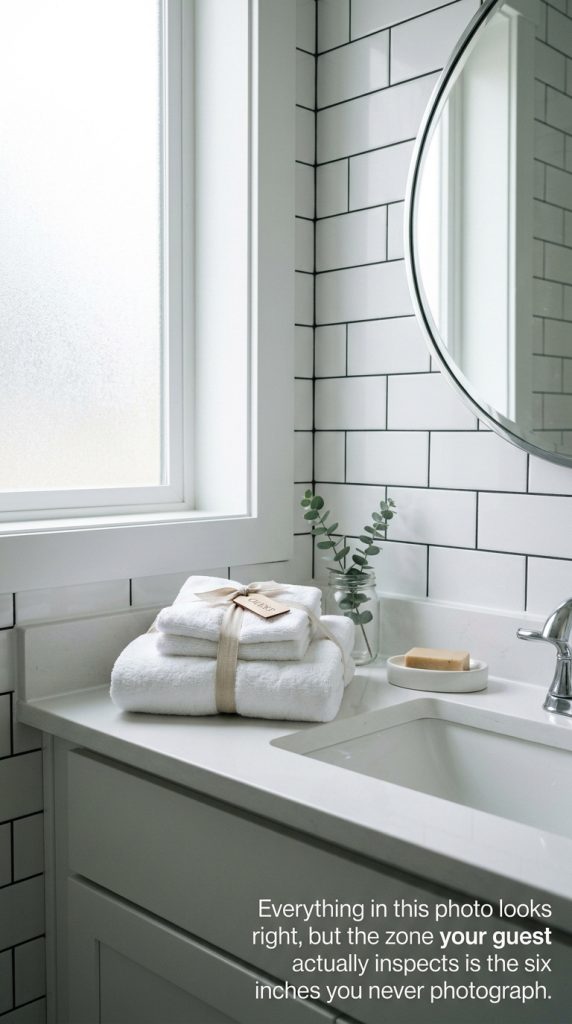
Nobody will ever say this to your face.
The area around and behind your toilet is the most scrutinized square footage in any home visit. Where the caulk meets the tile. The wall behind the tank. The gap between toilet and vanity where dust and hair collect.
A guest in your bathroom spends 30 to 90 seconds in a small locked room with nothing to look at except surfaces. They notice everything. They tell no one. And the towels two feet away are next on the stand.
11. Towel Quality and How They Hang

Thin, stiff towels slung over a bar read one way. Thick, folded towels on a shelf read another.
YOU’LL ALSO LOVE25 ‘Common Sense’ Home Rules Everyone Followed in the 80s That Would Get You Laughed At Today
This is pure texture psychology. The brain ties plush textiles to comfort and investment. Scratchy, faded towels with fraying edges shift a guest’s whole sense of the home, even if they could never tell you why.
A full set of matching bath towels runs $40 to $80, less than you’d spend on a grandkid’s birthday. Per square inch of impression, it might be the highest-value swap in the house.
12. Light Switch Plates and Outlet Covers
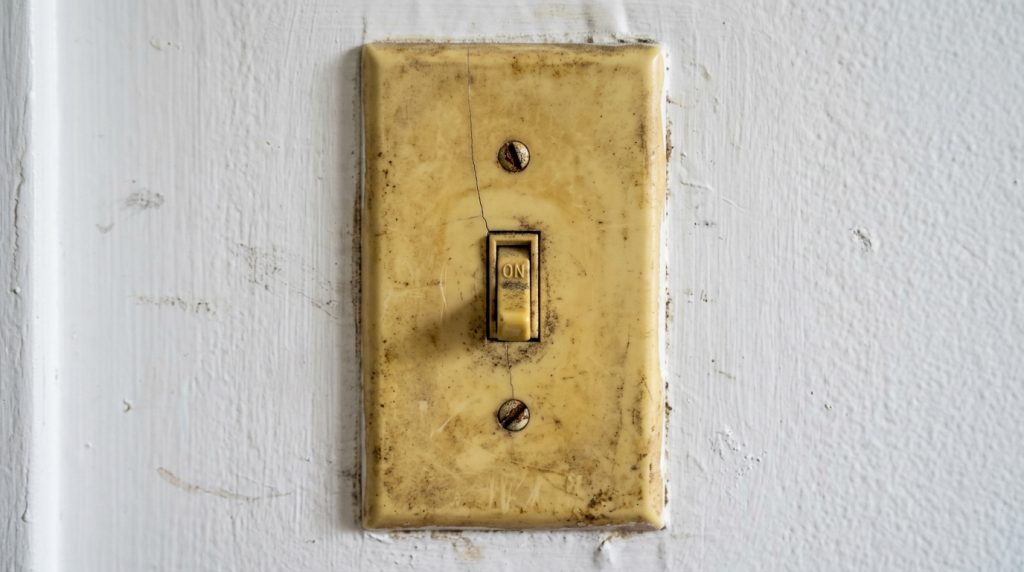
Yellowed almond switch plates from 1997 are invisible to you. They scream a date to everyone else.
The originals that came with the house. The cracked one in the bathroom. The kitchen outlet with a paint smudge from the last rushed touch-up.
$15.
That’s a pack of 10 white decorator plates at any hardware store. Fifteen dollars to erase a decade from your walls in one afternoon.
Here’s where it gets uncomfortable. A few of these reveal how you maintain the parts you think nobody sees.
13. Baseboards and Trim Condition
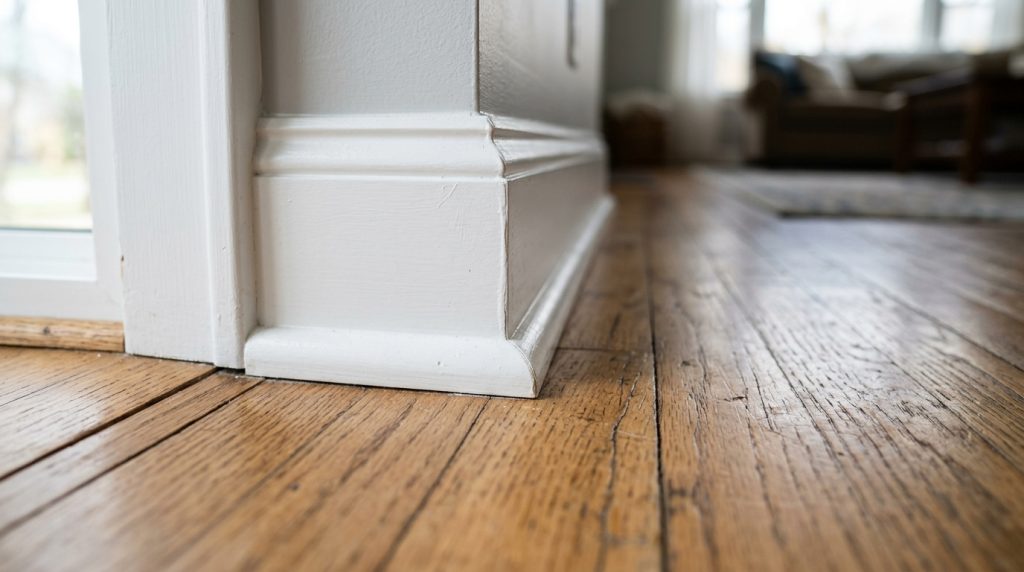
The line where trim meets wall tells a visitor whether the house was finished with care or caulked in a hurry.
Scuffed baseboards from vacuum collisions. Chipped paint on door casings. Quarter-round pulling away from the floor. You step over all of it daily. A guest’s eye catches it at ground level the moment they settle into a seat.
Touching up baseboards takes one afternoon and a $14 quart of semi-gloss, cheaper than the pizza you’ll order while it dries. Skipping it tells every visitor the house hasn’t had a detail pass in years.
Which brings us to the one I promised you.
14. Paint Touch-Ups That Don’t Match
This is the one from the intro. Go look at your hallway.
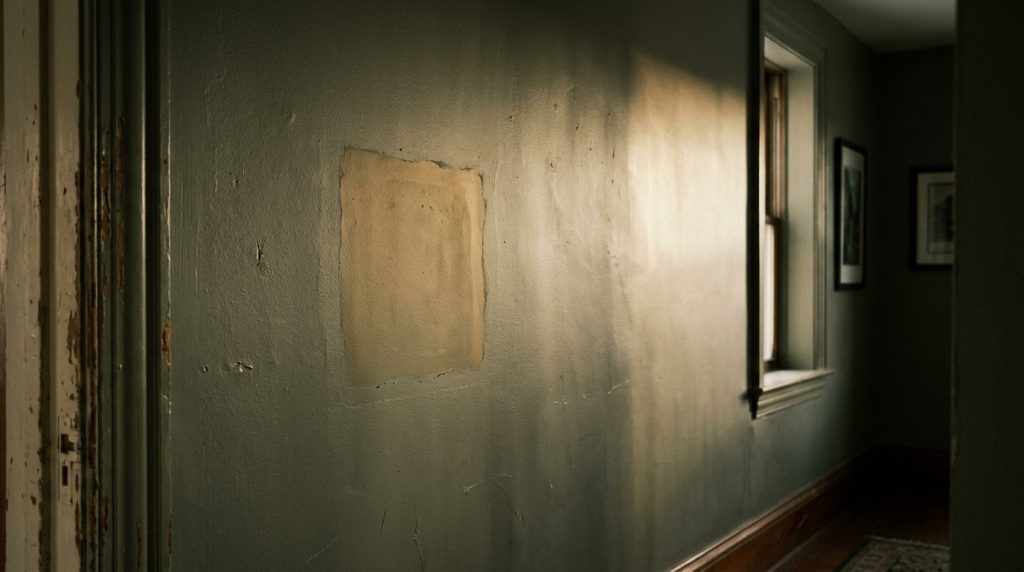
I did this myself in my second house, back in March 2019. Fixed a nail hole with leftover paint from the garage, stood back, felt smug.
Two years later my brother-in-law Dave, a retired home inspector, walked past it and didn’t even slow down. “That patch is gonna bug you every afternoon now that I said it,” he told me.
The can had oxidized. My fix glowed like a square of slightly wrong white in the four o’clock light, and everyone saw it but me.
Visitors see a mismatched patch the way you’d see a bandage on someone’s face. Their eye goes there first and keeps returning.
The fix is repainting the full wall, not another dab. One gallon of Behr Premium Plus eggshell runs $39 at Home Depot and covers a hallway wall in two coats. Compare that to a pro who charges a few hundred to touch a single wall, and the math is easy. Grab one gallon, give it one afternoon, and the patchwork is gone for good.
One warning before you pick a color. Gray got to 40% of all paint sold in America before anyone admitted there was a problem, and the regret wave is hitting right now.
15. How Your Windows Look from Inside
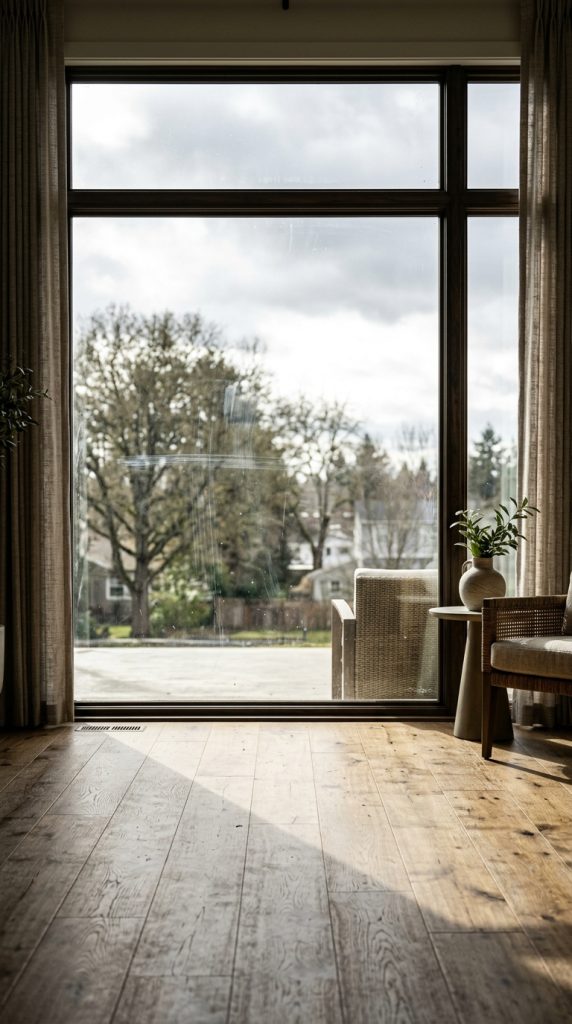
Not the view. The glass.
Streaked windows filter light differently than clean ones. A room with spotless glass reads brighter and more open, even when the window size is identical.
Interior window cleaning takes about 20 minutes for an average home and costs nothing beyond vinegar and paper towels. Light quality changes how every other surface in the room reads, so those 20 minutes pay off everywhere at once.
The visual stuff is only half of it, though. The next three are about sound, and almost nobody talks about them.
Would you like to save this?
16. Sound Traveling Where It Shouldn’t
An open floor plan carries every noise from kitchen to living room without interruption.
Dishes clattering over conversation. The TV fighting the exhaust fan. Guests notice acoustic chaos even when they can’t name it. They just feel tired faster.
A loaded bookshelf on a shared wall, a thick rug, and soft furniture absorb enough sound to change a room’s whole acoustic signature.
The deeper fix is architectural, and buyers have caught on. A 4,996 square foot brick colonial running a fully closed floor plan is quietly outselling the open layouts around it.
17. Whether Your Floors Creak
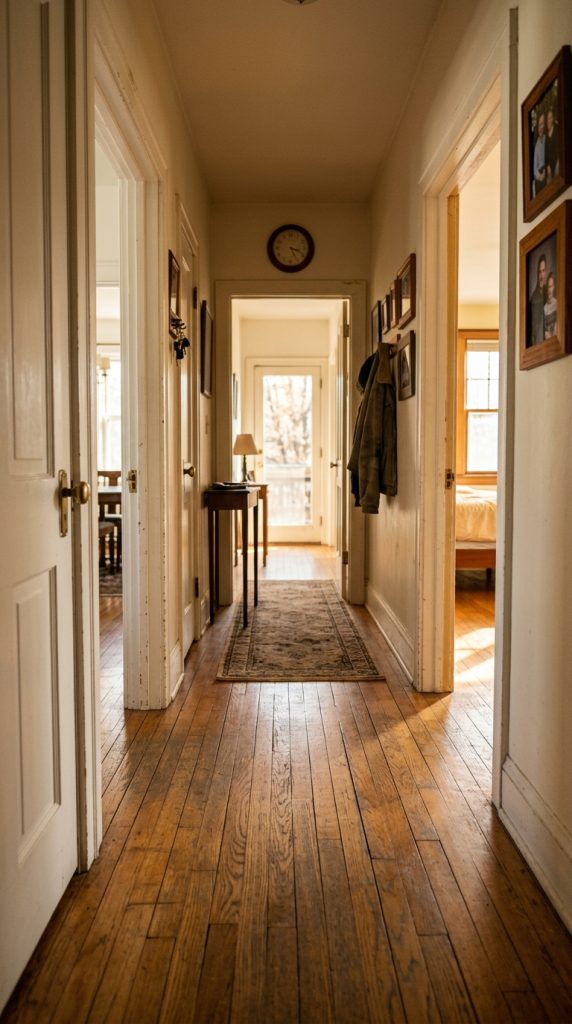
Real wood creaks. That’s character.
But there’s a difference between the warm pop of seasoned oak under weight and the groan of a loose joist. Visitors feel it underfoot and categorize it instantly. The warm creak says this house has history. The structural groan says something under here needs attention.
A $7 tube of construction adhesive between subfloor and joist silences the wrong kind of creak in about ten minutes. That’s gas-station-coffee money for a fix Dave swears by.
18. Your Thermostat Setting and What It Signals
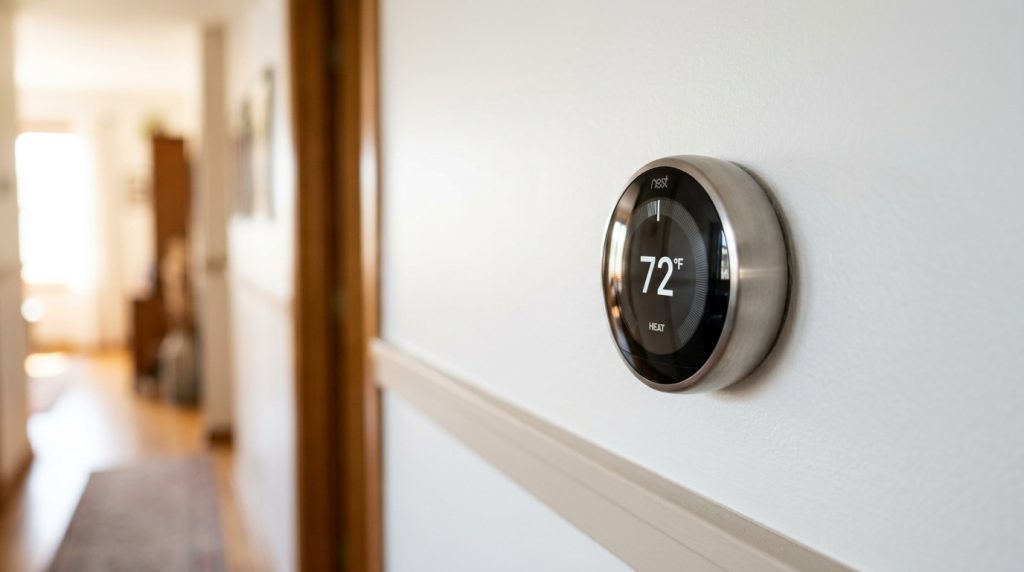
Guests won’t touch your thermostat. They judge it within 30 seconds anyway.
A house at 68 reads as comfortable. At 64 it reads as frugal. At 76 it reads as stuffy. ASHRAE comfort standards for occupied homes land between 68 and 72 degrees, and anything outside that window makes visitors physically aware of the temperature.
Once they’re thinking about the temperature, they’ve stopped thinking about everything you wanted them to notice.
Builders will quietly tell you the next few separate a house that shows well from one that doesn’t.
19. A Wobbly Handrail at the Bottom of the Stairs
If you have stairs, every guest grabs the handrail. Every single one.
A wobbly rail registers as structural concern, even when the stairs are perfectly sound. The loose newel post at the bottom is the usual offender, and tightening it takes one bolt from underneath and five minutes with a wrench.
Left loose, it tells every visitor’s hand that the bones of the house might be loosening too. Little deferred fixes pile up into the big ones. Ask longtime homeowners what they’d change, and the same 7 regrets come up over and over, and #1 isn’t the mortgage.
20. How Many Family Photos Are on Display
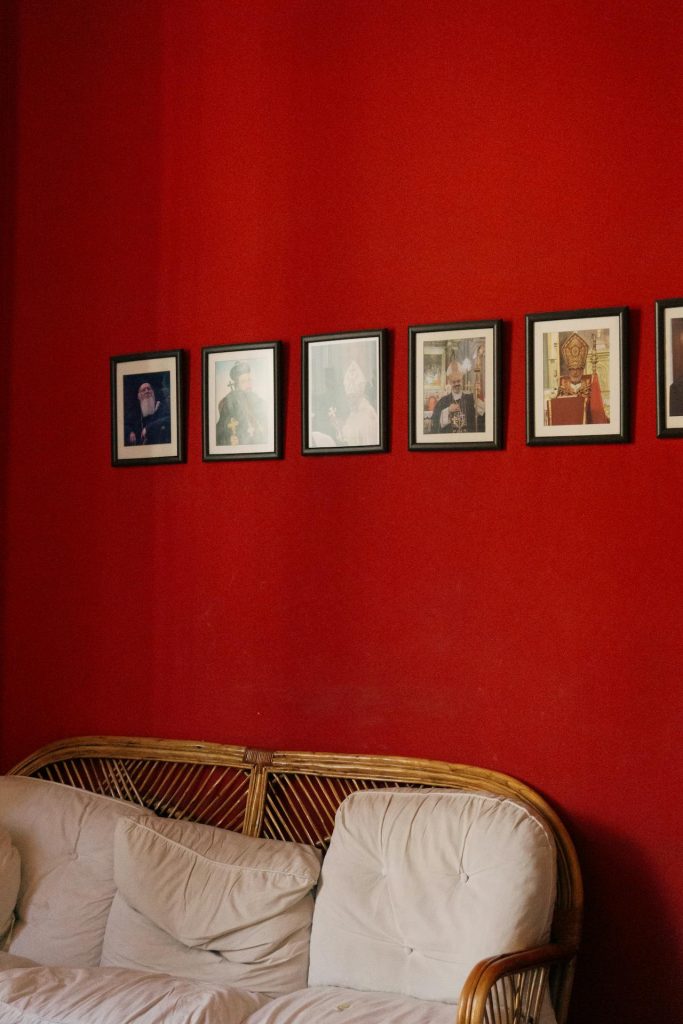
Designers have a guideline here that sounds cold but proves true.
More than 15 framed photos in one room shifts the space from home to shrine. It starts to feel like the good room nobody was allowed to sit in, the one set up for display instead of living. Visitors feel like they’re intruding on someone else’s memories instead of being welcomed in.
Three to seven curated frames in a main living area reads as personal without overwhelming. The photos themselves don’t matter. The quantity and density do.
21. Whether Your Houseplants Are Alive
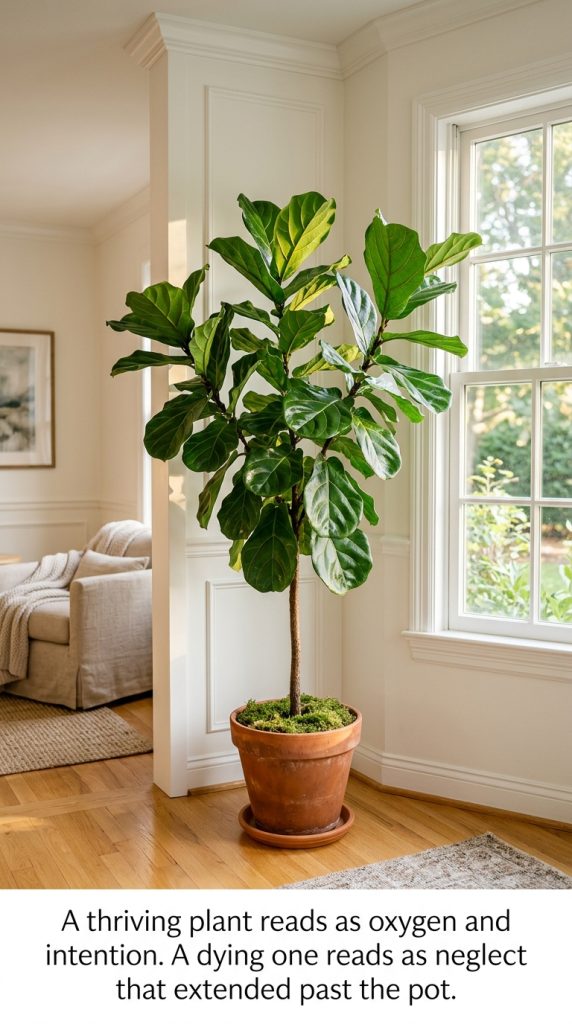
A thriving fiddle-leaf fig in the corner reads as oxygen and intention. A brown, crispy fern on the windowsill reads as neglect that outlived the plant.
Visitors quietly use plant health as a proxy for how the rest of the home is maintained. Unfair, sure. Also universal.
Carol, three doors down, killed her fourth fern last spring and finally said, “I’m done with it.” She switched to good artificial greenery, and now nobody can tell from four feet away. A convincing fake beats a dying real one every time.
22. Your Bookshelf, If You Have One
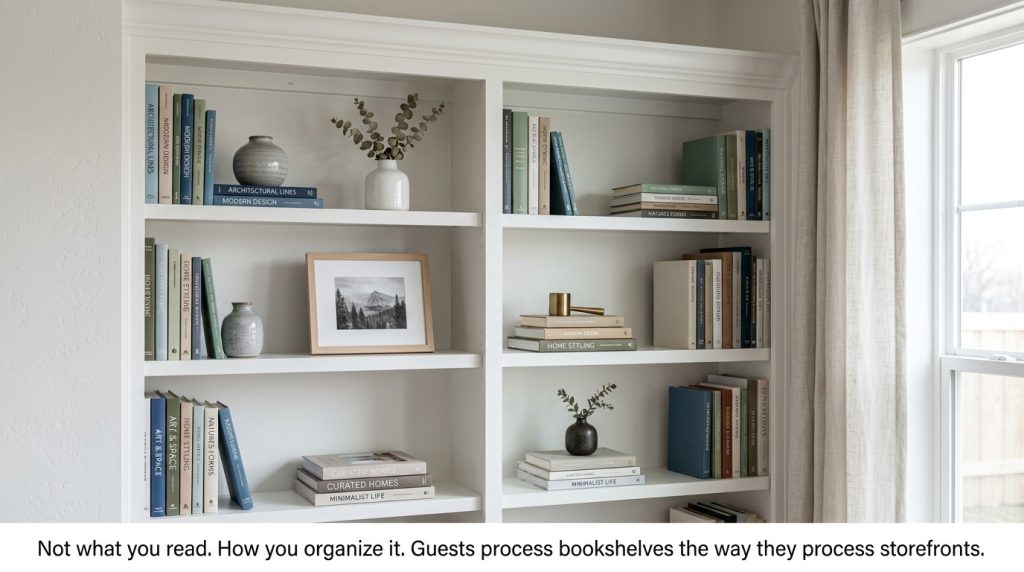
Not which books you own. Whether the shelf is organized or chaotic.
A curated shelf with objects spaced between stacks signals someone who notices detail. A shelf crammed with paperbacks leaning at 30-degree angles signals the opposite.
Guests process bookshelves like storefronts. Neat equals trustworthy. Chaotic equals unpredictable. Three objects per shelf, mixed with books, is the staging formula that works in real estate and daily life alike. Then they glance out the window, and your home loses control of the story.
23. What Your Back Windows Reveal About the Backyard
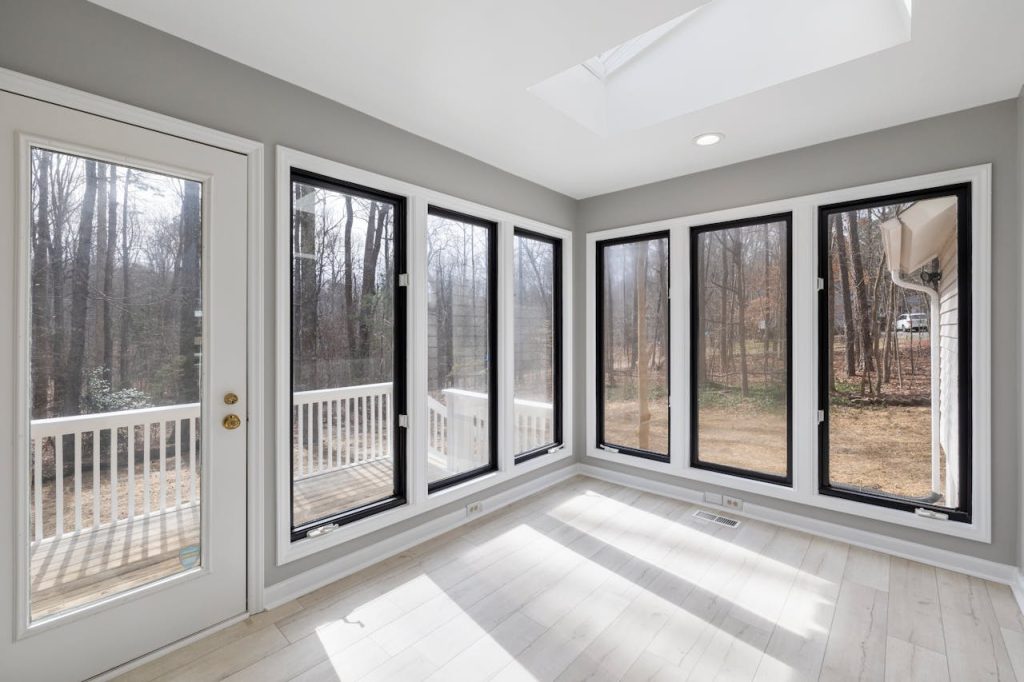
From the living room, most homes offer a sightline to the backyard through at least one window. Whatever’s out there becomes part of the room.
A kept lawn and a couple of mature trees stretch the perceived square footage of the interior. A cluttered patio with a broken grill and a tarp-covered something does the opposite.
Architects call it borrowed landscape. Your backyard is part of your living room’s first impression whether you planned it or not.
24. How Many Doors Are Closed
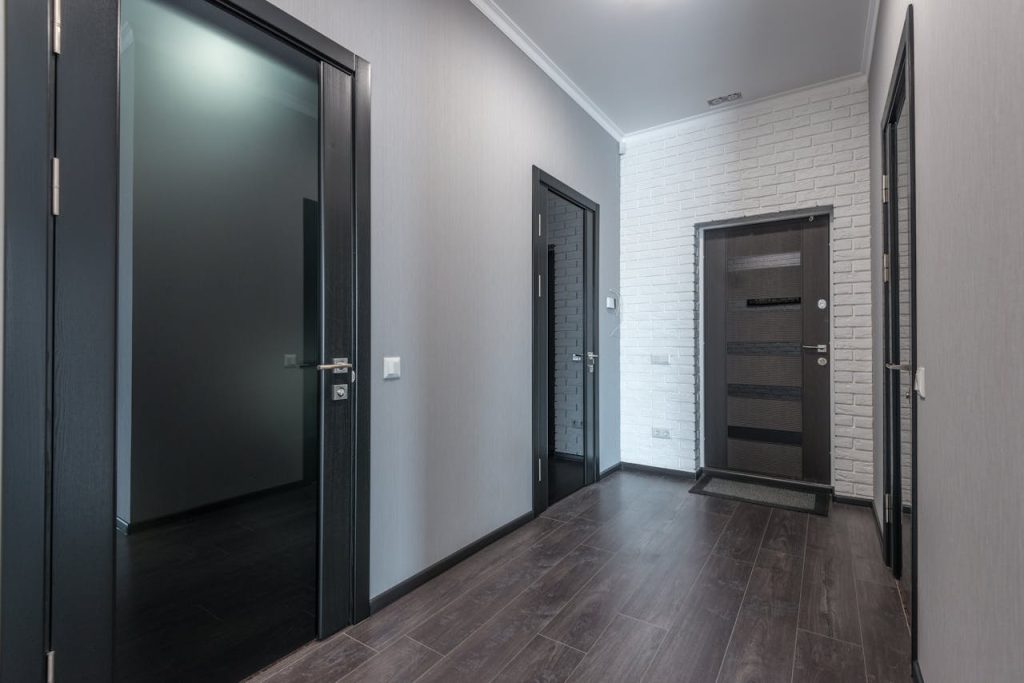
A hallway of shut doors creates an odd tension. What’s behind them?
Guests won’t ask. Their brains register closed doors as hidden spaces and quietly wonder anyway.
Stagers open every door to a 45-degree angle because it makes a house feel 10 to 15 percent larger on walkthroughs. At home, leaving bedroom and office doors cracked instead of sealed changes the spatial read of the entire hallway.
25. Your Wi-Fi, When They Don’t Have to Ask
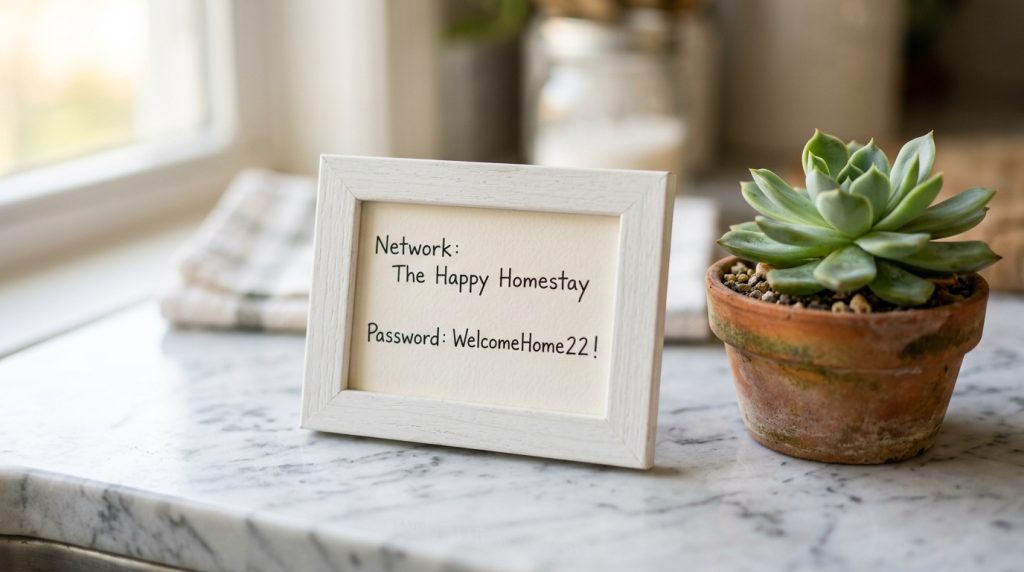
This last one is invisible and entirely modern.
When a guest pulls out their phone and hesitates, they’re deciding whether to ask for your Wi-Fi. A small framed card near the entry with the network name and password removes that friction before it starts.
It reads as we thought about your comfort before you arrived. In a 2024 hospitality survey, guests ranked Wi-Fi access third among amenities, behind only clean bathrooms and comfortable seating.
What Professional Stagers Do Before Anyone Arrives
Here’s the insider move almost no homeowner thinks of.
Before a showing, my stager friend Renee walks through the front door as if she’s never seen the house. She closes her eyes for three seconds, opens them, and writes down the first five things she sees. Those five become the entire priority list.
No stager starts with the kitchen or the bathroom. They start with whatever the eye hits first from the threshold, because that sets the emotional temperature for the whole visit.
The other trick? They bake something. Not because cookies sell houses, but because a warm, familiar food smell neutralizes every other odor in the home in under ten minutes.
Try the three-second walkthrough before your next dinner party. And before you purge whatever embarrasses you, check what it’s worth first. Some of it is on the list of 25 things sitting in your house that your kids have no idea are worth a fortune.
What’s the one thing about your home you KNOW visitors notice but never mention? Tell us in the comments. We read every one.